

 Pregledaj u prostoru
 Pošalji
 Podeli
 Detalji o delu

 Преузми
 Slični predmeti
 Rendgenski snimak
 Slajdovi
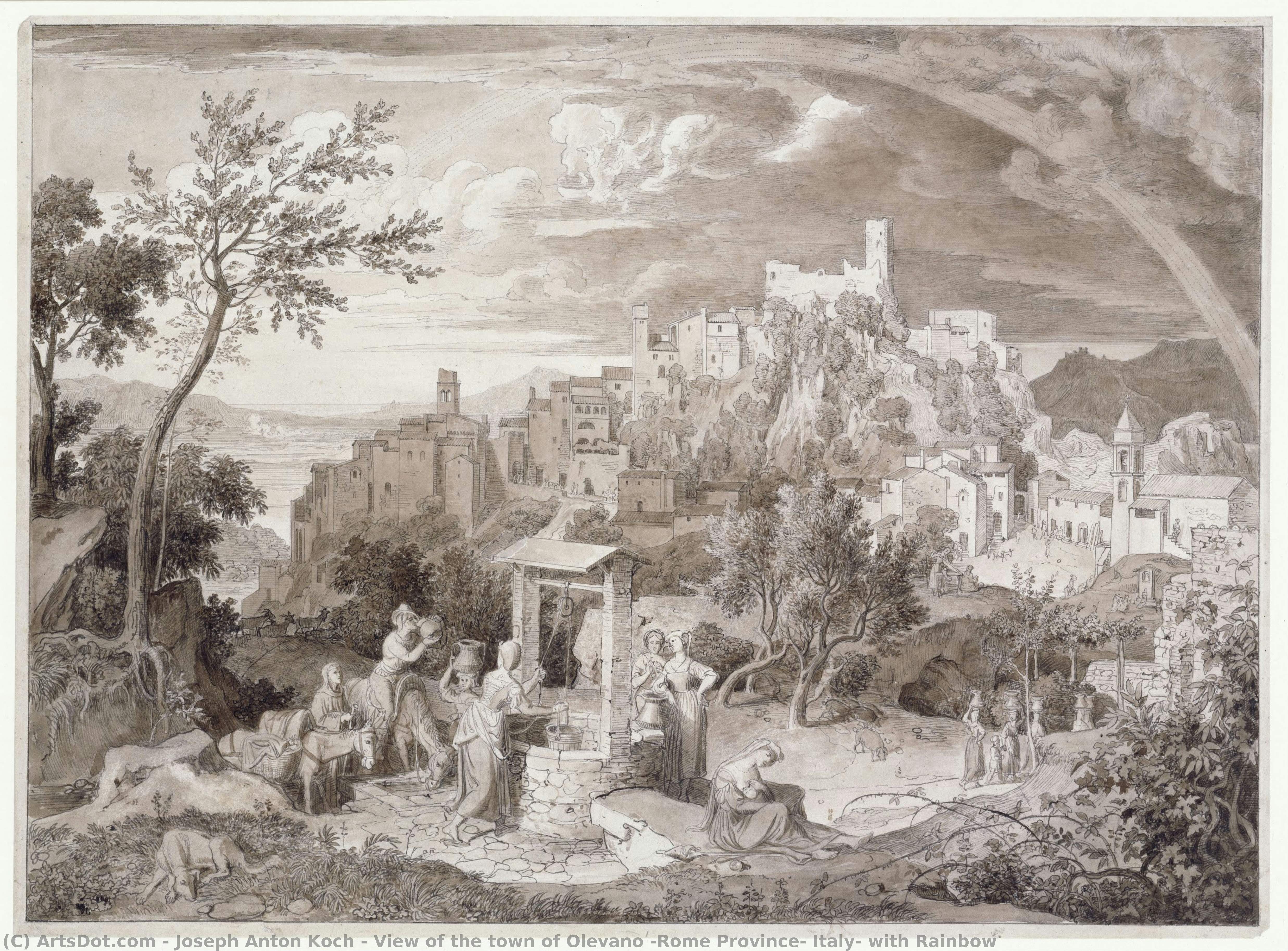
View of the town of Olevano (Rome Province, Italy) with Rainbow
 Acrylic On Canvas
- WallArt
- Romantic Landscape Painting
 55.0 x 40.0 cm
 Kupferstichkabinett
 Pročitaj više
Kupite digitalnu sliku visoke rezolucije i poboljšanog kvaliteta, koja je znatno superiornija od onoga što vidite u online prikazu.
Svaka datoteka je pedantno pripremljena od strane naših stručnjaka koristeći napredne alate i profesionalnu ručnu retušu. Osiguravamo da svaka slika ima izuzetnu oštrinu, preciznu reprodukciju boja i fine detalje.
Konačna datoteka se dostavlja putem e-pošte u roku od 72 sata, optimizovana za neposrednu upotrebu u profesionalnim, izdavačkim i štamparskim okruženjima. To je isti kvalitet kojem veruju vrhunski studiji dizajna, izdavači i galerije.
Digitalna slika
Preuzmite datoteku visoke rezolucije za ličnu upotrebu, štampanje i kreativne projekte. ( Kupi print Kupi ručno naslikanu sliku)
Uključeno uz svaku porudžbinu digitalne slike
Profesionalna digitalna isporuka, zagarantovana
Kada odaberete ArtsDot.com, ne dobijate samo sliku – vi primate profesionalno unapređeno digitalno umetničko delo, izrađeno sa najvećom preciznošću i uz garanciju zadovoljstva. Evo svega što automatski dolazi uz vašu porudžbinu:

Brza dostava putem e-pošte
Vaša digitalna slika visoke rezolucije biće vam poslata putem e-pošte u roku od 72 sata od poručivanja – spremna za trenutnu upotrebu.

Digitalna datoteka unapređena veštačkom inteligencijom
Vaše umetničko delo je profesionalno optimizovano korišćenjem naprednih AI alata i ručne obrade, čime se osiguravaju maksimalni detalji, oštrina i preciznost boja.

Besplatna ponovna isporuka doživotno
Slučajno ste obrisali ili izgubili svoju datoteku? Ne brinite – poslaćemo vam je ponovo u bilo kom trenutku, potpuno besplatno.

Bez troškova uvoza – zauvek
Uživajte u svojim umetničkim delima trenutno, bez carine, dažbina ili troškova dostave – digitalni download je uvek bez poreza.

Garancija vernosti boja
Uz pomoć profesionalnih alata i upravljanja bojama, osiguravamo da vaša digitalna slika što vernije odražava originalne boje.

Garancija zadovoljstva od 100 dana
Ako niste zadovoljni svojom digitalnom slikom, izvršićemo reviziju ili ćemo vam vratiti 100% novca u roku od 100 dana – bez ikakvih pitanja.

100% garancija povrata novca
Niste zadovoljni? Dobijte puni povraćaj novca u roku od 100 dana od prijema digitalne datoteke – bez suvišnih pitanja.

Popusti na velike porudžbine
Kupite 3 slike, uštedite 10% - Kupite 5 slika, uštedite 15% - Kupite 10+ slika, uštedite 20%. Odlično za kreativne projekte, galerije i agencije.
Countryside at Olevano with rainbows - Joseph Anton Koch
Joseph Anton Koch’s “Countryside at Olevano with Rainbow,” completed around 1824, stands as a testament to the Romantic movement's fascination with sublime landscapes and its embrace of idealized beauty. Painted during his final years in Rome—a city that served as both artistic incubator and spiritual refuge for Koch—this monumental canvas embodies the spirit of his era, capturing not merely a picturesque vista but also an emotional resonance deeply rooted in observation and contemplation. Koch’s artistic journey began in Elbigenalp, Austria, where he honed his skills amidst pastoral surroundings, fostering a profound connection with nature that would permeate his oeuvre. His academic training at Stuttgar’s Karlsschule instilled discipline alongside intellectual curiosity—a combination crucial to his subsequent success as a painter. However, Koch swiftly rejected the constraints of military life, embarking on expeditions through France and Switzerland before establishing himself definitively in Rome in 1795. It was here that he encountered fellow artist Asmus Jacob Carstens, forging a collaborative spirit that profoundly influenced their artistic development. The painting itself depicts a breathtaking panorama of Olevano—a hilltop town nestled amongst the Italian Alps—dominated by a majestic castle perched atop a rocky promontory. Lush greenery spills across the slopes, punctuated by scattered trees and vibrant wildflowers, creating an atmosphere of tranquil grandeur. Dominating the composition is a magnificent rainbow arching across the sky, its luminous bands reflecting in the crystalline waters of a nearby lake—a symbol of hope, renewal, and divine grace that was particularly resonant within Romantic artistic sensibilities. Koch skillfully employs atmospheric perspective, layering hues to convey depth and luminosity, mirroring techniques championed by Nicolas Poussin and Claude Lorrain – masters who had profoundly shaped Koch’s artistic vision. Koch's meticulous brushwork—characterized by delicate blending and subtle tonal variations—reveals an unwavering dedication to capturing the nuances of natural light. The artist’s use of muted browns and greens establishes a harmonious palette that complements the rainbow’s brilliance, enhancing its visual impact. Furthermore, Koch’s inclusion of figures—primarily shepherds tending their flocks—adds a human element to the landscape, suggesting contemplation and reverence for the sublime beauty of the natural world. This painting isn't simply a depiction of scenery; it’s an invitation to experience the profound emotional power inherent in confronting grandeur and acknowledging the presence of something beyond comprehension. “Countryside at Olevano with Rainbow” exemplifies Koch’s masterful synthesis of Neoclassical precision and Romantic idealism—a stylistic hallmark that cemented his legacy as one of Austria's most celebrated artists. Its enduring appeal lies not only in its aesthetic beauty but also in its ability to evoke feelings of serenity, wonder, and spiritual contemplation—qualities that continue to inspire viewers today. The artwork’s meticulous detail and masterful use of color contribute to its emotional impact, transporting the viewer to a moment of sublime observation amidst the splendor of the Italian Alps.Srodna umetnička dela

Biografija umetnika
The Architect of the Heroic Landscape
Joseph Anton Koch stands as a singular figure in Austrian art history—a painter who deftly navigated the shifting currents of Neoclassicism into the burgeoning fervor of German Romanticism. Born in 1768 in Elbigenalp, Austria, his early life was marked by a pastoral simplicity that would profoundly shape his artistic vision; tending cattle in his youth instilled in him an intimate appreciation for the natural world, a connection that later manifested in his monumental depictions of earth and sky. A fortuitous recommendation from Bishop Umgelder secured him a prestigious academic education at Stuttgart’s Karlsschule, a rigorous military academy where discipline and intellectual pursuit converged. However, Koch's youthful spirit rebelled against such constraints, leading to a brief but formative wanderlust through France and Switzerland before he finally established himself in the artistic crucible of Rome in 1795.
In the heart of Italy, Koch found kinship with fellow painter Asmus Jacob Carstens, adopting a style often referred to as the heroic aesthetic. This approach initially mirrored Carstens’ literal interpretations of mythological narratives, characterized by a certain sculptural clarity and formal rigor. Koch demonstrated his technical prowess not only through paint but also through the meticulous art of printmaking, notably etching the pages of Carrend's Les Argonautes. This period of his life was defined by a mastery of detail and a command over line that would serve as the foundation for his later, more expansive compositions.
A Visionary Evolution: From Myth to Mountain
As his career progressed, Koch underwent a profound artistic evolution, transitioning from the structured narratives of Neoclassicism toward the sweeping grandeur of landscape painting. He began to reimagine classical ideals through the lens of the Austrian Alps and the Italian countryside, producing works that felt both timeless and intensely visceral. Influenced by the monumental compositions of masters like Nicolas Poussin and Claude Lorrain, Koch developed a unique way of organizing space, where dramatic lighting and vast, rugged terrains created a sense of awe. His landscapes were never merely topographical records; they were emotional journeys through heroic scenery.
His ability to blend the classical with the romantic is perhaps best seen in his treatment of light and atmosphere. In works such as Heroic Landscape with Rainbow, he utilizes a Baroque sensibility to introduce dramatic weather elements that punctuate the stillness of the mountains. This technique allowed him to bridge two eras: the ordered, rational world of the Enlightenment and the emotive, untamed spirit of Romanticism. Even when depicting serene scenes, such as the Monastery of San Francesco di Civitella in the Sabine Mountains, there remains an underlying sense of the sublime—a realization of nature's immense power and scale.
Legacy and Historical Significance
The later years of Koch's life were marked by both movement and resilience. Facing financial hardships exacerbated by Napoleon’s invasions, he relocated to Vienna in 1812. In this new setting, he flourished under the patronage of influential intellectuals like Friedrich Schlegel and became a central figure in the Germanic artistic tradition. His work during this period began to reflect a shift toward harsher, more dramatic elements, further cementing his role as a pioneer of the landscape genre.
The historical significance of Joseph Anton Koch lies in his ability to transform the landscape from a secondary, decorative element into a primary vehicle for philosophical and emotional expression. His contributions can be summarized through several key artistic pillars:
- Synthesis of Styles: He successfully merged the formal discipline of Neoclassicism with the emotional depth of German Romanticism.
- The Heroic Aesthetic: He redefined landscape painting by introducing a sense of monumental scale and dramatic, "heroic" compositions.
- Technical Mastery: His skill spanned from the delicate precision of etching to the sweeping, atmospheric brushwork required for vast mountain vistas.
- Cultural Bridge: He acted as a vital link between the classical traditions of Rome and the emerging nationalistic landscape movements in Austria and Germany.
Today, Koch is remembered not just as an Austrian painter, but as a visionary who taught viewers to look upon the mountains and see within them the very soul of the sublime.
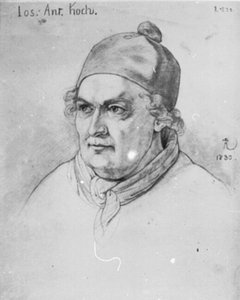
Joseph Anton Koch
1768 - 1839 , Austria
Kratke činjenice
- Artistic Movement Or Style: Neoclassicism & Romanticism
- Artists Or Movements Influenced By This Artist: ['Romantic painting']
- Artists Who Influenced This Artist: ['Asmus Jacob Carstens']
- Date Of Birth: 1768
- Date Of Death: 1839
- Full Name: Joseph Anton Koch
- Nationality: Austrian
- Notable Artworks:
- The Upland near Bern
- Landscape with Abraham and the Three Angels in the Valley of Mambre
- Heroic Landscape with Rainbow
- Place Of Birth: Elbigenalp, Austria