

 Pregledaj u prostoru
 Pošalji
 Podeli
 Detalji o delu

 Преузми
 Slični predmeti
 Rendgenski snimak
 Slajdovi
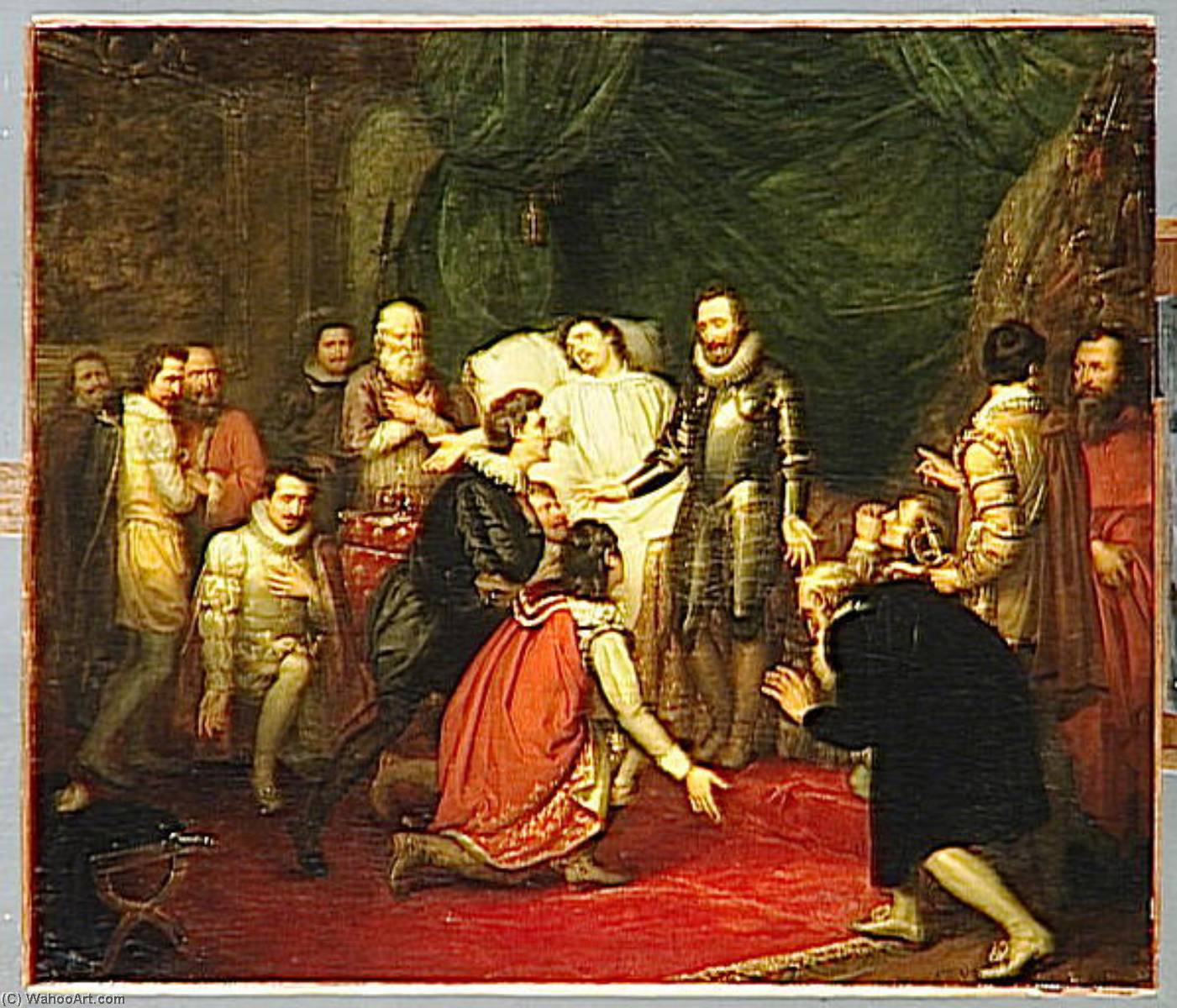
HENRI III A SON LIT DE MORT (1589)


 Pročitaj više
Ručno rađena uljana reprodukcija
Ručno oslikano uljanim bojama na platnu u dimenzijama i okviru po vašem izboru, izrađeno po porudžbini od strane naših umetnika. ( Kupi print Kupi digitalnu sliku)




P118B $10

P118H $10

P118W $10

P438Z $10

P508JH $12

P508YH $12

P805H $10

P805Z $10

P919BZ $10

P919G $10

P919XJ $10

P959ZH $10

P968JZ $12

W106C $8

W218G $10

W218JH $8

W218Y $10

W307PJ $10

W316G $10

W316PJ $8

W316Y $10

W398PJ $8

W4111J $10

W500HY $15

W500JH $15

W692G $12

W849H $8

W940BG $15

W953PJ $8




Izaberite jednu od naših unapred definisanih veličina koje odgovaraju originalnim proporcijama umetničkog dela.

Можете унети сопствене димензије како бисте прилагодили дело одређеном оквиру или простору. Ако одабрана величина не одговара пропорцијама оригинала, слика ће бити исечена или проширена додатним елементима који се ручно насликавају. Дигитални prikaz ће вам бити послат на одобрење пре почетка производње.
Имајте на уму да преглед на екрану не одражава стварно исецање или проширење. Само приказ (mockup) ће тачно приказати коначну композицију.
Иако су доступне прилагођене величине, препоручујемо да одаберете димензију из дефинисане листе како бисте сачували оригиналне пропорције.
Nakon narudžbine, tim ArtsDot.com će klijentu putem e-pošte poslati uputstva i dostaviti prikaz predloženog rešenja
Isporuka širom sveta () za 3/4 nedelje umesto uobičajenih 5 nedelja. (24 август). Bez kompromisa po pitanju kvaliteta.

Besplatna ekspresna dostava širom sveta

Visokokvalitetno laneno platno

Kompletno osiguranje transporta

Garancija povraćaja carine i uvoznih dažbina

Garancija vernosti boja

Politika povrata u roku od 60 dana (samo u slučaju nedostataka)

Garancija povrata novca od 100%

Popust pri grupnoj kupovini
 Opcija sa staklom dostupna je samo za dimenzije manje od 110 cm

HENRI III A SON LIT DE MORT (1589)
Tehnika reprodukcije
Dimenzije reprodukcije
-


Konačna cena
$ 388
Opis umetničkog dela
A Royal Farewell: The Drama of Henry III at His Deathbed
To stand before this depiction of Henri III A Son Lit de Mort (1589) is to be enveloped in an atmosphere thick with the weight of history and the poignant drama of mortality. This canvas does not merely record a historical event; it captures a moment suspended between life and legend, where the grandeur of monarchy confronts the stark reality of human frailty. The scene unfolds with breathtaking theatricality, immediately drawing the viewer into the somber, opulent chamber surrounding the fallen king. It is a masterclass in conveying profound emotion through meticulously rendered detail.
Mastery of Baroque Emotion and Composition
The artistic style echoes the dramatic fervor of the Baroque period, even as it channels the refined academicism of Joseph Beaume’s Neoclassical training. Observe how the composition is structured around a powerful, almost pyramidal arrangement, with Henry III positioned at its emotional and visual apex. The artist employs a rich, deep palette dominated by sumptuous reds, profound browns, and gleaming golds—colors that speak simultaneously of royal wealth and impending tragedy. Beaume’s technique allows for an astonishing interplay between light and shadow; the tenebrism-like lighting carves out key figures from the surrounding gloom, ensuring that every gesture, every tear, and every fold of rich drapery commands attention.
Symbolism Woven into Silk and Shadow
Every element within this painting functions as a potent symbol. The royal robes themselves are not mere garments; they are emblems of authority now rendered powerless by death. The presence of kneeling attendants, their postures conveying varying degrees of grief—some in deep obeisance, others gesturing with hushed counsel—speaks volumes about the political and personal fallout of a king’s passing. The crown, visible yet seemingly detached from its wearer, becomes a potent symbol of lost power. It invites contemplation: what remains when the ultimate authority is stripped away? This painting asks us to consider not just the man, but the institution he represented.
A Study in Texture and Human Connection
Examining the surface reveals the sheer virtuosity of the oil paint on canvas. The visible brushwork lends a palpable texture to the scene—you can almost feel the heavy velvet of the mourning cloaks or the cool, polished wood of the surrounding furniture. Despite the formality of the occasion, the human element shines through with remarkable immediacy. The interactions between the figures are deeply personal; there is an undercurrent of whispered secrets and profound farewells that transcends mere historical documentation. For collectors and designers alike, this piece offers more than decoration; it offers a window into the high drama of human connection set against the backdrop of enduring power.
Srodna umetnička dela




Biografija umetnika
Joseph Beaume (1796–1885): A Master of Dramatic History
Joseph Beaume (1796–1885) stands as a significant figure in French Neoclassical painting, particularly renowned for his monumental historical canvases that powerfully conveyed emotion and grandeur. Born in Paris, Beaume’s artistic journey unfolded against the backdrop of Napoleon III's reign, shaping his oeuvre with themes of patriotism, familial devotion, and poignant depictions of human suffering—subjects favored by Antoine-Jean Gros, whose influence can be discerned in Beaume’s stylistic choices.- Early Life & Training: Little is known about Beaume’s formative years beyond confirmation that he studied under Jacques-Louis David, the celebrated sculptor and painter who championed Neoclassical ideals. This tutelage instilled in him a meticulous attention to detail and an unwavering commitment to classical principles of composition and execution.
- Salon Career & Artistic Style: Beaume achieved considerable acclaim during his lifetime through participation in the Parisian Salon exhibitions—a cornerstone of artistic discourse for decades. His canvases consistently showcased dramatic narratives, often centered on biblical or mythological subjects rendered with meticulous realism and bathed in atmospheric light. He skillfully employed chiaroscuro techniques to heighten emotional impact, mirroring Gros’s approach and elevating Beaume's works beyond mere visual representation.
Notable Works & Recurring Themes
Beaume’s artistic output is characterized by a preoccupation with emotionally charged scenes—particularly those depicting familial grief and devotion. “Les Derniers Moments du Grand Père” (1864), arguably his most celebrated painting, captures the heartbreaking farewell between a father and son as the patriarch succumbs to illness. The canvas exemplifies Beaume’s mastery of tonal gradation and anatomical accuracy, conveying profound pathos with understated elegance. Similarly, "Henri III À Son Lit De Mort" portrays King Henry III's final days, capturing the solemn dignity of death alongside palpable sorrow—a testament to Beaume’s ability to distill complex emotions into visual form.- “Les Derniers Moments du Grand Père” – Demonstrates masterful tonal rendering and anatomical precision, conveying deep emotional resonance.
- “Henri III À Son Lit De Mort” – Exemplifies regal solemnity alongside palpable grief, showcasing Beaume’s ability to capture psychological depth.
Influence & Legacy
Beaume's artistic sensibilities align closely with those of Gros, whose dramatic depictions of Napoleonic battles established a precedent for monumental historical painting. Like Gros, Beaume prioritized conveying moral and emotional truths over mere visual spectacle—a distinction that cemented his place within the broader canon of 19th-century art history. Although Beaume’s output remained relatively modest compared to some contemporaries, his paintings continue to resonate with viewers today due to their unwavering commitment to realism and their profound exploration of human experience. His works are housed in institutions like St Joseph Chapel in Hungary and Brodsky House Museum in Russia, ensuring that his artistic legacy persists across geographical boundaries.Further Exploration
For a deeper understanding of Beaume’s artistic contributions, consider examining “Joseph Highmore: Moral Tales & Domestic Genre in 18th-Century British Art” which explores the broader context of Rococo painting and its impact on European art movements. Also, delve into "Joseph Henry Sharp: Capturing the Spirit of the Plains – Life, Art & Legacy" to appreciate Beaume’s influence on American landscape painting and his engagement with themes of identity and cultural representation.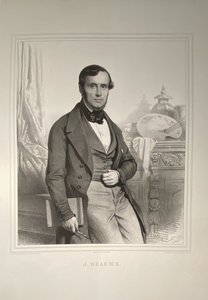
joseph beaume
1796 - 1885
Osnovne informacije
- Artistic Movement Or Style: Neoclassical
- Artists Or Movements Influenced By This Artist: ['Romanticism']
- Artists Who Influenced This Artist: ['Antoine-Jean Gros']
- Date Of Death: 1885
- Full Name: Joseph Beaume
- Nationality: French
- Notable Artworks:
- Les Derniers Moments du grand père
- HENRI III A SON LIT DE MORT
- Place Of Birth: France
Povezani članci

The Dramatic Flourish: Exploring the Baroque Movement's Enduring Legacy in Art History
Explore the dramatic world of Baroque art! Discover iconic artists like Caravaggio & Rubens, defining techniques, and its lasting impact on art history. Expert insights for collectors & enthusiasts at ArtsDot.

The Visceral Stage: Exploring Dramatic Narratives & Emotional Intensity in Baroque Art
Explore the dramatic world of Baroque art! Discover iconic masters like Caravaggio & Rembrandt, their techniques, and the movement's lasting impact. Expert insights for collectors & enthusiasts at ArtsDot.

Barok Majstor dela: Top 10 Umjetničkih Remeka za Vaš Dom
Otkrijte 10 remek dela koja su definisala baroknu umetnost! Karavagio, Bernini i više – istražite priče iza ovih ikoničnih slika. Inspiracija za vaš dom? Pogledajte kolekciju na ArtsDot.com!

Барокна драма: Уношење величине и емоција у савремене ентеријере
Откријте барокну драму и унесите величину у ваш ентеријер! ArtsDot нуди ручно насликане репродукције, персонализоване портрете и стручне консултације за љубитеље класичне уметности. Потражите савршено дело већ данас!
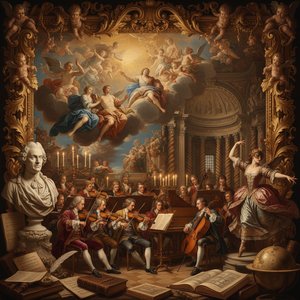
The Dramatic Flourish: Exploring the Baroque Movement's Enduring Legacy in Art & Culture
Explore the dramatic world of Baroque art! Discover its history, defining characteristics, iconic artists like Caravaggio & Rubens, and lasting influence on Western culture. A comprehensive guide for art lovers.

