

 Pregledaj u prostoru
 Pošalji
 Podeli
 Detalji o delu

 Преузми
 Slični predmeti
 Rendgenski snimak
 Slajdovi
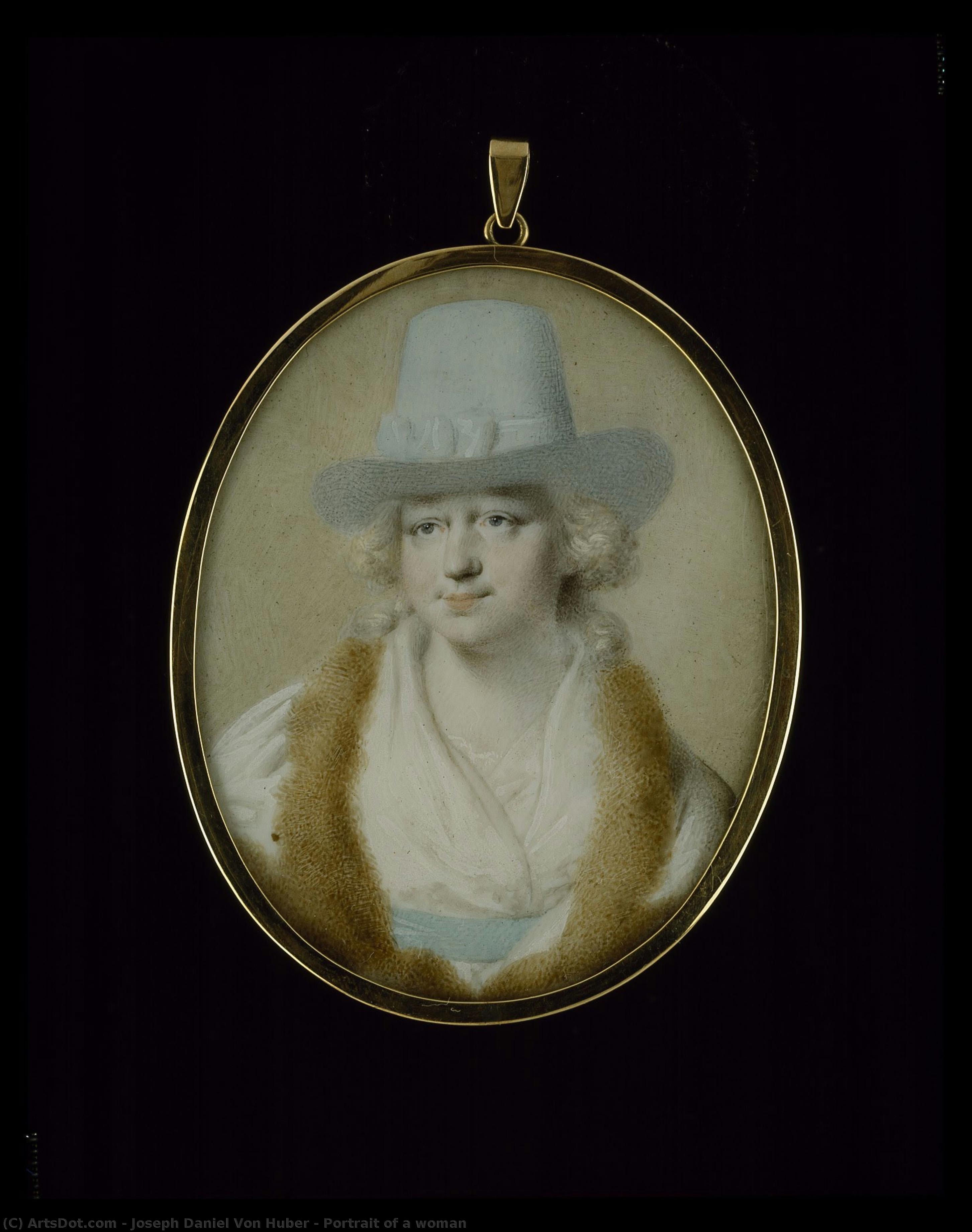
Portrait of a woman
 7.0 x 8.0 cm
 Palazzo Madama
 Pročitaj više
Ručno rađena uljana reprodukcija
Ručno oslikano uljanim bojama na platnu u dimenzijama i okviru po vašem izboru, izrađeno po porudžbini od strane naših umetnika. ( Kupi print Kupi digitalnu sliku)




































Izaberite jednu od naših unapred definisanih veličina koje odgovaraju originalnim proporcijama umetničkog dela.

Можете унети сопствене димензије како бисте прилагодили дело одређеном оквиру или простору. Ако одабрана величина не одговара пропорцијама оригинала, слика ће бити исечена или проширена додатним елементима који се ручно насликавају. Дигитални prikaz ће вам бити послат на одобрење пре почетка производње.
Имајте на уму да преглед на екрану не одражава стварно исецање или проширење. Само приказ (mockup) ће тачно приказати коначну композицију.
Иако су доступне прилагођене величине, препоручујемо да одаберете димензију из дефинисане листе како бисте сачували оригиналне пропорције.
Nakon narudžbine, tim ArtsDot.com će klijentu putem e-pošte poslati uputstva i dostaviti prikaz predloženog rešenja
Isporuka širom sveta () za 3/4 nedelje umesto uobičajenih 5 nedelja. (31 август). Bez kompromisa po pitanju kvaliteta.

Besplatna ekspresna dostava širom sveta

Visokokvalitetno laneno platno

Kompletno osiguranje transporta

Garancija povraćaja carine i uvoznih dažbina

Garancija vernosti boja

Politika povrata u roku od 60 dana (samo u slučaju nedostataka)

Garancija povrata novca od 100%

Popust pri grupnoj kupovini
 Opcija sa staklom dostupna je samo za dimenzije manje od 110 cm

Portrait of a woman
Tehnika reprodukcije
Dimenzije reprodukcije
-


Konačna cena
$ 263
Srodna umetnička dela









Biografija umetnika
Johannes Vermeer: A Master of Light and Domesticity
Johannes Vermeer, a name synonymous with the serene beauty of 17th-century Dutch life, remains one of the most enigmatic and revered figures in art history. Born in Delft in 1632, his relatively short career – just fifteen years producing paintings – belied an extraordinary talent for capturing fleeting moments of domesticity, imbued with a profound sense of light and atmosphere. While he wasn’t initially recognized during his lifetime, Vermeer's work was largely forgotten until the late 19th century when scholars like Gustav Waagen and Théophile Thoré-Bürger championed his genius, initiating a rediscovery that continues to captivate audiences today. His paintings aren’t merely depictions of scenes; they are windows into a world of quiet contemplation, offering glimpses of ordinary lives elevated by Vermeer's masterful technique and profound understanding of human emotion.Early Life and Artistic Beginnings
Vermeer’s early life remains shrouded in some mystery, largely due to the fragmented nature of historical records. He was born into a family with roots in commerce – his father, Jan Mientsen Molenaer, was a tailor, and Vermeer himself briefly engaged in art dealing after his marriage to Catharina Bolnes in 1653. Interestingly, Vermeer’s grandfather was rumored to have been a counterfeiter, and his grandmother ran an illicit lottery, suggesting a family history marked by both legitimate trade and less savory activities. Despite this somewhat unconventional background, Vermeer demonstrated early artistic promise, likely receiving some training from his brother-in-law, Frans Hals, or possibly even from the renowned painter Dirck Hals. He began working as a genre painter in Delft, producing scenes of everyday life – market days, musicians, and children at play – but it was his exploration of interior spaces and intimate portraits that would ultimately define his legacy. His early works show a clear influence of the Baroque style prevalent at the time, particularly in their dramatic use of light and shadow, though Vermeer quickly developed a unique and distinctive approach.The Development of a Unique Style
What distinguishes Vermeer’s work is not simply his technical skill – although he was undoubtedly a master of brushwork and color – but rather his ability to evoke atmosphere and emotion through the subtle manipulation of light. He employed a technique known as *chiaroscuro*, using strong contrasts between light and dark to create depth, volume, and a sense of realism that went far beyond what was typical for his contemporaries. Vermeer’s meticulous attention to detail – from the texture of fabrics to the reflections in mirrors – is astonishing, yet he never sacrifices clarity or composition. He often used relatively small canvases, which may have contributed to the intimacy and immediacy of his scenes. Furthermore, many scholars believe that Vermeer painted a significant portion of his works within his own studio, using the same furniture and decorations in various arrangements, creating a consistent visual language across his oeuvre. The “Mona Lisa of the North,” *Girl with a Pearl Earring*, exemplifies this perfectly – a seemingly simple portrait transformed into an iconic image through its luminous quality and the captivating gaze of the subject.Major Works and Themes
Vermeer’s output was remarkably modest, numbering only around thirty-six paintings that are generally accepted as authentic. Among his most celebrated works are *The Art of Painting* (also known as *Allegory of Painting*), a complex and ambitious illusionistic painting exploring the nature of art itself; *The Procuress*, a captivating depiction of a woman in a brothel scene, notable for its psychological depth and subtle narrative; *View of Delft*, a panoramic cityscape capturing the beauty of his hometown; and *Woman with a Lute*, a tender portrait of a young woman accompanied by her dog. These paintings, along with many others, explore themes of domesticity, social interaction, and the quiet dignity of everyday life. Vermeer’s subjects were often women – wives, mothers, daughters – and he depicted them in moments of contemplation, conversation, or simple pleasure. His work offers a rare glimpse into the private lives of ordinary people during the Dutch Golden Age.Legacy and Historical Significance
Despite his talent and the growing admiration for his work throughout the 19th century, Vermeer remained largely obscure until the early 20th. His financial struggles and lack of self-promotion contributed to this neglect, as did the fact that he was not widely recognized by contemporary art critics. It wasn’t until the rediscovery of his paintings in the late 19th and early 20th centuries – largely thanks to the efforts of Gustav Waagen and Théophile Thoré-Bürger – that Vermeer's genius was finally acknowledged. Today, he is considered one of the greatest painters of the Dutch Golden Age, a master of light, color, and composition whose work continues to inspire awe and admiration. His paintings are housed in major museums around the world, including the Mauritshuis in The Hague, the Kunsthistorisches Museum in Vienna, and the National Gallery in London, ensuring that his legacy will endure for generations to come. Vermeer’s ability to capture the essence of human experience within seemingly simple scenes solidifies his place as a pivotal figure in Western art history – a testament to the power of observation, skill, and artistic vision.
joseph daniel von huber
1668 - 1748 , Switzerland
Osnovne informacije
- Artistic Movement Or Style: Genre painting, Baroque
- Artists Or Movements Influenced By This Artist:
- Gustav Friedrich Waagen
- Théophile Thoré-Bürger
- Artists Who Influenced This Artist:
- Frans Hals
- Jan Miense Molenaer
- Date Of Birth: October 1632
- Date Of Death: December 15, 1675
- Full Name: Johannes Vermeer
- Nationality: Dutch
- Notable Artworks:
- The Procuress
- Girl with a Pearl Earring
- Christ in the House of Martha and Mary
- Place Of Birth: Delft, Dutch Republic

