

 Pregledaj u prostoru
 Pošalji
 Podeli
 Detalji o delu

 Преузми
 Slični predmeti
 Rendgenski snimak
 Slajdovi
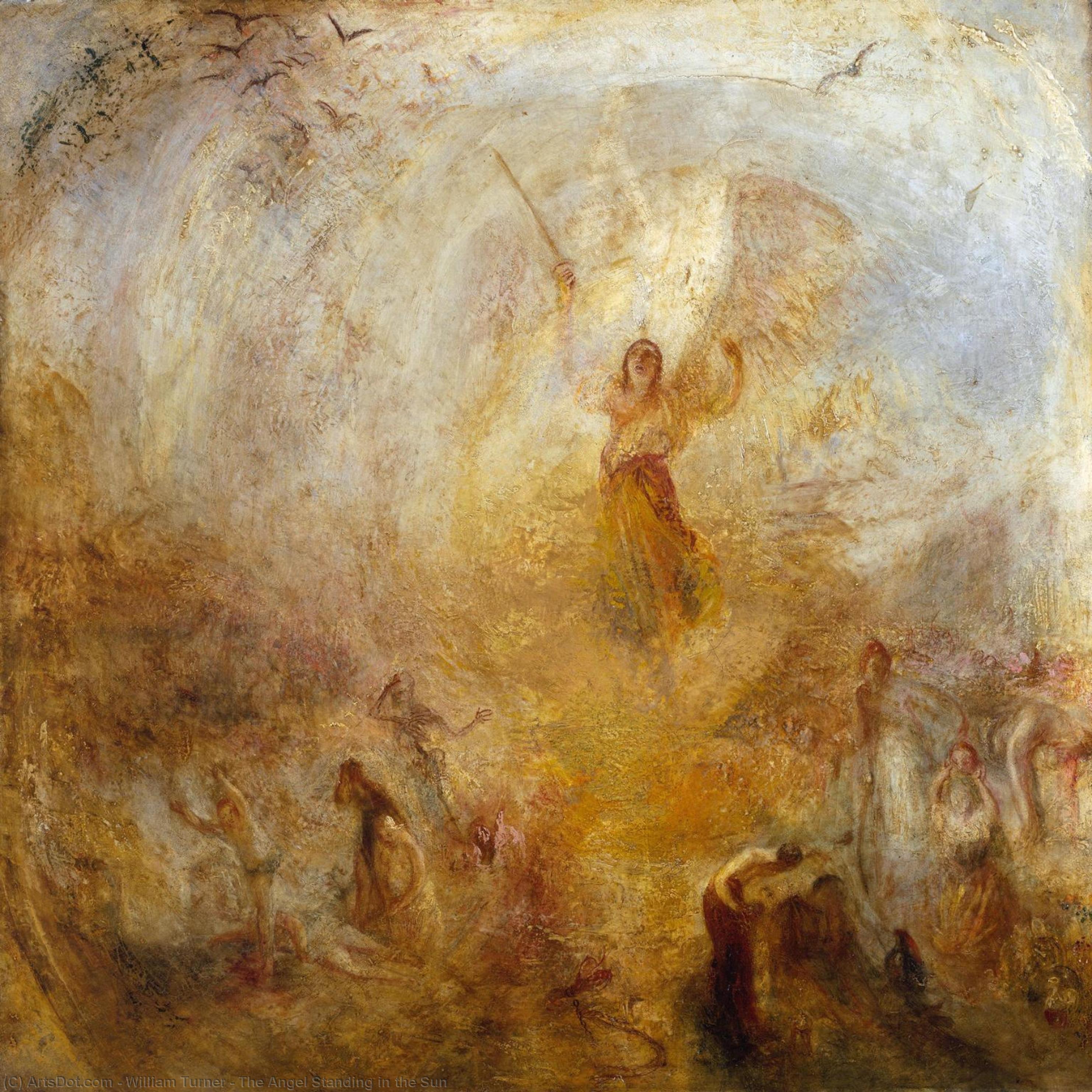
The Angel Standing in the Sun
 Acrylic
- WallArt
- Romantic Sublime Landscape
 1846
1846 79.0 x 79.0 cm
 Pročitaj više
Kupite digitalnu sliku visoke rezolucije i poboljšanog kvaliteta, koja je znatno superiornija od onoga što vidite u online prikazu.
Svaka datoteka je pedantno pripremljena od strane naših stručnjaka koristeći napredne alate i profesionalnu ručnu retušu. Osiguravamo da svaka slika ima izuzetnu oštrinu, preciznu reprodukciju boja i fine detalje.
Konačna datoteka se dostavlja putem e-pošte u roku od 72 sata, optimizovana za neposrednu upotrebu u profesionalnim, izdavačkim i štamparskim okruženjima. To je isti kvalitet kojem veruju vrhunski studiji dizajna, izdavači i galerije.
Digitalna slika
Preuzmite datoteku visoke rezolucije za ličnu upotrebu, štampanje i kreativne projekte. ( Kupi print Kupi ručno naslikanu sliku)
Uključeno uz svaku porudžbinu digitalne slike
Profesionalna digitalna isporuka, zagarantovana
Kada odaberete ArtsDot.com, ne dobijate samo sliku – vi primate profesionalno unapređeno digitalno umetničko delo, izrađeno sa najvećom preciznošću i uz garanciju zadovoljstva. Evo svega što automatski dolazi uz vašu porudžbinu:

Brza dostava putem e-pošte
Vaša digitalna slika visoke rezolucije biće vam poslata putem e-pošte u roku od 72 sata od poručivanja – spremna za trenutnu upotrebu.

Digitalna datoteka unapređena veštačkom inteligencijom
Vaše umetničko delo je profesionalno optimizovano korišćenjem naprednih AI alata i ručne obrade, čime se osiguravaju maksimalni detalji, oštrina i preciznost boja.

Besplatna ponovna isporuka doživotno
Slučajno ste obrisali ili izgubili svoju datoteku? Ne brinite – poslaćemo vam je ponovo u bilo kom trenutku, potpuno besplatno.

Bez troškova uvoza – zauvek
Uživajte u svojim umetničkim delima trenutno, bez carine, dažbina ili troškova dostave – digitalni download je uvek bez poreza.

Garancija vernosti boja
Uz pomoć profesionalnih alata i upravljanja bojama, osiguravamo da vaša digitalna slika što vernije odražava originalne boje.

Garancija zadovoljstva u roku od 60 dana
Ako niste zadovoljni svojom digitalnom slikom, revidirat ćemo je ili vratiti 100% novca u roku od 60 dana – bez ikakvih pitanja.

100% garancija povrata novca
Niste zadovoljni? Obezbedite pun povrat novca u roku od 60 dana od trenutka kada ste primili svoju digitalnu datoteku – bez suvišnih pitanja.

Popusti na velike porudžbine
Kupite 3 slike, uštedite 10% - Kupite 5 slika, uštedite 15% - Kupite 10+ slika, uštedite 20%. Odlično za kreativne projekte, galerije i agencije.
Opis kolekcionarskog dela
A Vision of Divine Majesty: Exploring Turner’s ‘The Angel Standing in the Sun’
Turner's “The Angel Standing in the Sun,” completed in 1846, transcends mere depiction; it embodies a profound engagement with Romantic ideals and represents a pivotal moment in British art history. Exhibited at the Royal Academy, this monumental canvas immediately captivated audiences with its breathtaking luminosity and masterful rendering of atmospheric perspective—characteristics that firmly cemented Turner’s reputation as the foremost painter of his era. The artwork isn't simply a visual spectacle; it’s an invitation to contemplate themes of faith, heroism, and the sublime beauty inherent in confronting overwhelming natural forces.Subject Matter and Narrative Composition
The painting portrays an angelic figure bathed in radiant sunlight, positioned prominently against a turbulent seascape dominated by swirling clouds and crashing waves. This juxtaposition is deliberate—Turner sought to convey not just a serene religious scene but also the grandeur and terror of God’s dominion over creation. The angel holds aloft what appears to be a sword or spear, symbolizing divine justice and protection amidst chaos. Surrounding him are human figures – presumably pilgrims – gazing upwards with reverence, emphasizing humanity's humility before the transcendent power of God. A bird circling above reinforces this sense of spiritual elevation.Technique: Atmospheric Impressionism at Its Finest
Turner’s technique exemplifies the burgeoning movement of atmospheric impressionism. Rather than striving for meticulous detail—a hallmark of academic painting—he prioritized capturing fleeting moments of light and color, prioritizing sensation over precise representation. He achieved this remarkable feat through a layering process utilizing thin washes of oil paint mixed with turpentine and linseed oil, allowing colors to bleed into one another and creating an illusion of depth and movement. The artist skillfully employed glazing techniques – applying translucent layers of pigment over previously painted surfaces – to build up tonal variations and intensify the overall luminescence of the scene.Historical Context: Romanticism's Embrace of Sublime Beauty
“The Angel Standing in the Sun” emerged during the height of Romanticism, a period characterized by an intense fascination with emotion, imagination, and the grandeur of nature. Artists like Turner rejected Neoclassical restraint, favoring expressive brushstrokes and vibrant palettes to convey feelings of awe and wonder. The painting reflects the broader Romantic preoccupation with confronting mortality and contemplating the mysteries of existence—themes explored extensively in literature and philosophy at the time. It’s a direct response to the burgeoning scientific understanding of geology and meteorology, which challenged traditional religious interpretations of natural phenomena.Symbolism: Light as Divine Revelation
The pervasive use of sunlight is arguably the painting's most significant symbolic element. Turner deliberately employed this radiant light not merely for aesthetic effect but as a metaphor for divine illumination—the revelation of God’s truth and goodness to humanity. The angel’s sword represents courage and righteousness, guarding against evil while upholding moral principles. Furthermore, the turbulent seascape symbolizes the challenges faced by faith and spirituality in confronting adversity. Ultimately, “The Angel Standing in the Sun” encourages viewers to contemplate the sublime beauty of creation alongside the profound spiritual significance of divine grace.Srodna umetnička dela

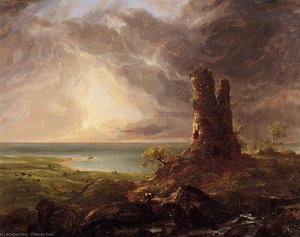

Biografija umetnika
The Luminary of Light: A Journey Through the Life and Art of J.M.W. Turner
Joseph Mallord William Turner, a name synonymous with the sublime power of landscape and the evocative dance of light, remains one of Britain’s most celebrated and influential artists. Born in Covent Garden, London, in 1775, Turner's journey from a barber’s son to a master painter was fueled by an innate talent, relentless dedication, and a visionary spirit that would forever alter the course of art history. From his earliest days sketching architectural details to his later, almost abstract explorations of atmosphere and color, Turner consistently pushed the boundaries of artistic expression. His formal training began at the Royal Academy Schools in 1789, where he quickly distinguished himself as a promising student. However, Turner was not content with merely replicating established styles; he sought to capture the very essence of nature – its raw power, its fleeting beauty, and its inherent drama. Early works reveal a meticulous attention to topographical detail, reflecting the prevailing artistic tastes of the time. Yet, even in these early pieces, hints of his future direction are visible—a sensitivity to light and shadow, a willingness to experiment with color, and an emerging fascination with the sublime. He was particularly drawn to the Romantic movement’s emphasis on emotion and imagination, rejecting the rationalism of Neoclassicism in favor of subjective experience.The Evolution of a Visionary: From Topography to Transcendence
Turner’s artistic development was marked by constant experimentation and a growing desire to move beyond mere representation. Influenced by masters like Claude Lorrain and J.M.W. Cozens, he began to infuse his landscapes with a romantic sensibility, emphasizing emotional response over precise depiction. His travels throughout Europe, beginning in 1802, proved pivotal, exposing him to diverse landscapes and inspiring new approaches to composition and color. He wasn’t simply recording what he saw; he was interpreting it through the lens of his own unique vision. These expeditions broadened his artistic horizons and solidified his belief that art should strive for something beyond mere visual accuracy—a connection with the spiritual realm. The early 19th century witnessed a shift in Turner's style towards greater expressiveness. His seascapes, in particular, became increasingly dramatic, capturing the fury and majesty of the ocean with unprecedented intensity. Paintings like “The Fighting Temeraire Tugged to Her Last Berth to Be Broken Up” (1839) are not merely depictions of a ship being towed to its final resting place; they are poignant meditations on mortality, loss, and the relentless march of progress. The use of light in this work is particularly striking—a golden sunset casting a melancholic glow over the scene, symbolizing the passing of an era. Turner skillfully employed impasto technique – applying thick layers of paint – to convey texture and dynamism, creating surfaces that seemed to pulsate with energy.A Master of Atmosphere: Light, Color, and the Sublime
Turner’s later works are characterized by an almost radical departure from traditional artistic conventions. He increasingly prioritized atmosphere and color over form and detail, creating paintings that seem to dissolve into pure light and energy. Works like “Rain, Steam and Speed – The Great Western Railway” (1844) exemplify this approach—a swirling vortex of color and motion that captures the dynamism of the industrial age. Critics were often baffled by these later works, but their influence on subsequent generations of artists would prove profound. Turner’s unwavering commitment to artistic vision drove him to explore uncharted territories of perception, anticipating the Impressionists’ focus on capturing fleeting moments and subjective experiences. He wasn't simply painting landscapes; he was attempting to convey the very *feeling* of being in nature – the awe, the wonder, the terror.Turner's legacy extends far beyond his prolific output—over 550 oil paintings, 2,000 watercolors, and 30,000 works on paper. He left an indelible mark on the history of art, influencing countless artists who followed in his footsteps. The Impressionists, particularly Claude Monet, were deeply inspired by Turner’s exploration of light and color, while abstract expressionists like Mark Rothko acknowledged their debt to his atmospheric compositions.
Turner's willingness to challenge conventions, his relentless experimentation, and his unwavering commitment to artistic vision continue to resonate with artists and art lovers today. He remains a pivotal figure in the development of modern art, a true visionary who transformed the way we see and experience the world around us. His works are housed in major museums worldwide, including the Tate Britain in London, where visitors can immerse themselves in the luminous beauty and profound emotional depth of his extraordinary paintings.
Explore more of Turner’s works at ArtsDot.com/@/williamturner and discover his world through the Tate Collection: /sr/art/show/art-d3c5y9-sr/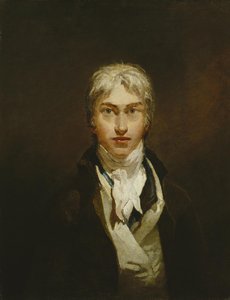
Јозеф Турнер
1775 - 1851 , Уједињено Краљевство
Kratke činjenice
- Artistic Movement Or Style: Романтизам
- Artists Or Movements Influenced By This Artist:
- Клод Лоран
- Марк Роћко
- Date Of Birth: Април 23, 1775
- Date Of Death: Децембар 19, 1851
- Full Name: Joseph Mallord William Turner
- Nationality: Велика Британија
- Notable Artworks:
- Бојта Темераир вучена у последњи дом за разбијање
- Великобританија и Велика западна железница
- Place Of Birth: Лондон, Велика Британија

