

 Pregledaj u prostoru
 Pošalji
 Podeli
 Detalji o delu

 Преузми
 Slični predmeti
 Rendgenski snimak
 Slajdovi
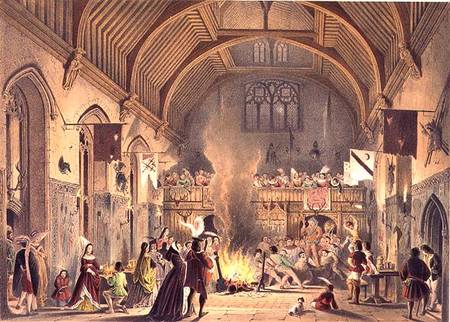
Banquet In The Baronial Hall
 Pročitaj više
Giclee štampa / Umetnički otisak
Giclée štampa ili print na platnu muzejskog kvaliteta uz brzu proizvodnju i fleksibilne opcije završne obrade. ( Kupi ručno naslikanu sliku Kupi digitalnu sliku)




































Izaberite jednu od naših unapred definisanih veličina koje odgovaraju originalnim proporcijama umetničkog dela.

Možete uneti sopstvene dimenzije kako biste umetničko delo prilagodili specifičnom okviru ili prostoru. Ako odabrani format ne odgovara proporcijama originalne slike, mi ćemo ili iscrtati deo dela ili proširiti sliku pomoću ogledane ivice ili jednobojnog popunjavanja. Digitalni prikaz će vam biti poslat na odobrenje pre početka proizvodnje.
Imajte na umu da pregled na ekranu ne odražava stvarno iscrtavanje ili proširivanje. Samo će prikaz (mockup) precizno pokazati finalnu kompoziciju.
Iako su prilagođene dimenzije dostupne, preporučujemo da odaberete dimenziju sa unapred definisane liste kako biste očuvali originalne proporcije.
Dostava širom sveta () za 2 nedelje umesto uobičajenih 4/5 nedelja. (23 август)

Besplatna ekspresna dostava širom sveta

Visokokvalitetno laneno platno

Kompletno osiguranje transporta

Garancija povraćaja carine i uvoznih dažbina

Garancija vernosti boja

Politika povrata u roku od 60 dana (samo u slučaju nedostataka)

Garancija povrata novca od 100%

Popust pri grupnoj kupovini
 Opcija sa staklom dostupna je samo za dimenzije manje od 110 cm

Banquet In The Baronial Hall
Giclee štampa / Umetnički otisak
Dimenzije reprodukcije
-


Konačna cena
$ 62
Srodna umetnička dela








Biografija umetnika
Joseph Nash: Capturing the Echoes of England’s Aristocracy
The name Joseph Nash might not be instantly familiar to a modern audience, yet his artistic legacy resonates profoundly within the annals of 19th-century British art. Born in Marlow, England, in 1809, and tragically passing away in Hereford Road, Bayswater, London, in 1878, Nash was more than just a painter; he was a meticulous chronicler of a vanishing world – the grand interiors and aristocratic lives of England’s castles and stately homes. His work offers an intimate glimpse into a bygone era, meticulously rendered with watercolor and lithography, revealing a deep appreciation for architectural detail and the human stories embedded within these historic spaces.
Nash's artistic journey began under the tutelage of Augustus Charles Pugin, a pivotal figure in Victorian architecture and design. This formative relationship instilled in him not only an understanding of building construction but also a keen eye for aesthetic harmony and historical accuracy. His early career saw him illustrating poets and novelists, showcasing his burgeoning talent for capturing character and atmosphere. However, it was his fascination with the architectural heritage of England that truly defined his artistic path. He embarked on a remarkable project – the four-volume “Mansion’s of England in the Olden Time” – a monumental undertaking that would cement his place in art history.
The ‘Mansion’s of England’ and a Nation's Fascination
Published between 1839 and 1849, “Mansion’s of England in the Olden Time” was a groundbreaking achievement. Nash meticulously documented the interiors and exteriors of over one hundred castles, manors, and stately homes across Britain. He didn't simply depict buildings; he populated them with figures – servants, families, and guests – recreating scenes from their past lives. This innovative approach, influenced by artists like George Cattermole, brought these static structures to vibrant life, offering a compelling narrative of domesticity and social history. The project was an immediate success, captivating the public imagination and sparking a renewed interest in England’s architectural heritage.
The lithographic reproductions of Nash's watercolors were widely circulated through newspapers, books, and prints, effectively disseminating his vision across the nation. Parliament even noted that the book was contributing to increased visits to historical buildings – a remarkable testament to its impact. This widespread distribution speaks volumes about Nash’s ability to connect with a broad audience and to translate complex architectural details into accessible and engaging imagery.
A Master of Technique and Detail
Nash's artistic skill lay not only in his subject matter but also in his technical mastery. He was a highly accomplished watercolorist, renowned for his delicate brushwork, subtle tonal variations, and meticulous attention to detail. His ability to capture the play of light and shadow within complex architectural spaces was particularly remarkable. He employed a layered approach, building up colors gradually to create depth and atmosphere. Furthermore, his expertise in lithography allowed him to produce stunningly accurate reproductions of his original watercolors, ensuring that his work would be enjoyed by generations to come.
Beyond “Mansion’s of England,” Nash contributed significantly to a range of other publications, including architectural studies like "Architecture of the Middle Ages" and illustrations for works such as Lawson's Scotland Delineated. His versatility demonstrated a deep understanding of historical research and artistic execution.
Legacy and Influence
Joseph Nash’s legacy extends far beyond his individual artworks. He played a crucial role in shaping public perception of England’s architectural heritage, fostering a greater appreciation for its history and beauty. His meticulous documentation provided invaluable insights into the design and construction of historic buildings, influencing architects and historians alike. Although his later work suffered from a decline in quality following a period of illness, his early achievements remain firmly established as a cornerstone of 19th-century British art. His son, Joseph Nash Jr., continued the family tradition, further solidifying the Nash name within the artistic landscape.
Today, Nash’s works are housed in prestigious collections such as the Royal Collection and the Tate Gallery, ensuring that his remarkable vision continues to inspire and captivate audiences worldwide. Exploring his paintings is like stepping back in time, offering a poignant reminder of a world where grand estates held immense social significance and architectural beauty was celebrated with unwavering dedication.
joseph nash
1809 - 1878 , United Kingdom
Osnovne informacije
- Artistic Movement Or Style: Victorian Interiors
- Artists Or Movements Influenced By This Artist: ['George Cattermole']
- Artists Who Influenced This Artist: ['Augustus Pugin']
- Date Of Birth: 1809, Marlow, UK
- Date Of Death: 1878
- Full Name: Joseph Nash
- Nationality: British
- Notable Artworks:
- Mansion of England
- Derby interiors
- Place Of Birth: Marlow, UK

