

 Pregledaj u prostoru
 Pošalji
 Podeli
 Detalji o delu

 Преузми
 Slični predmeti
 Rendgenski snimak
 Slajdovi
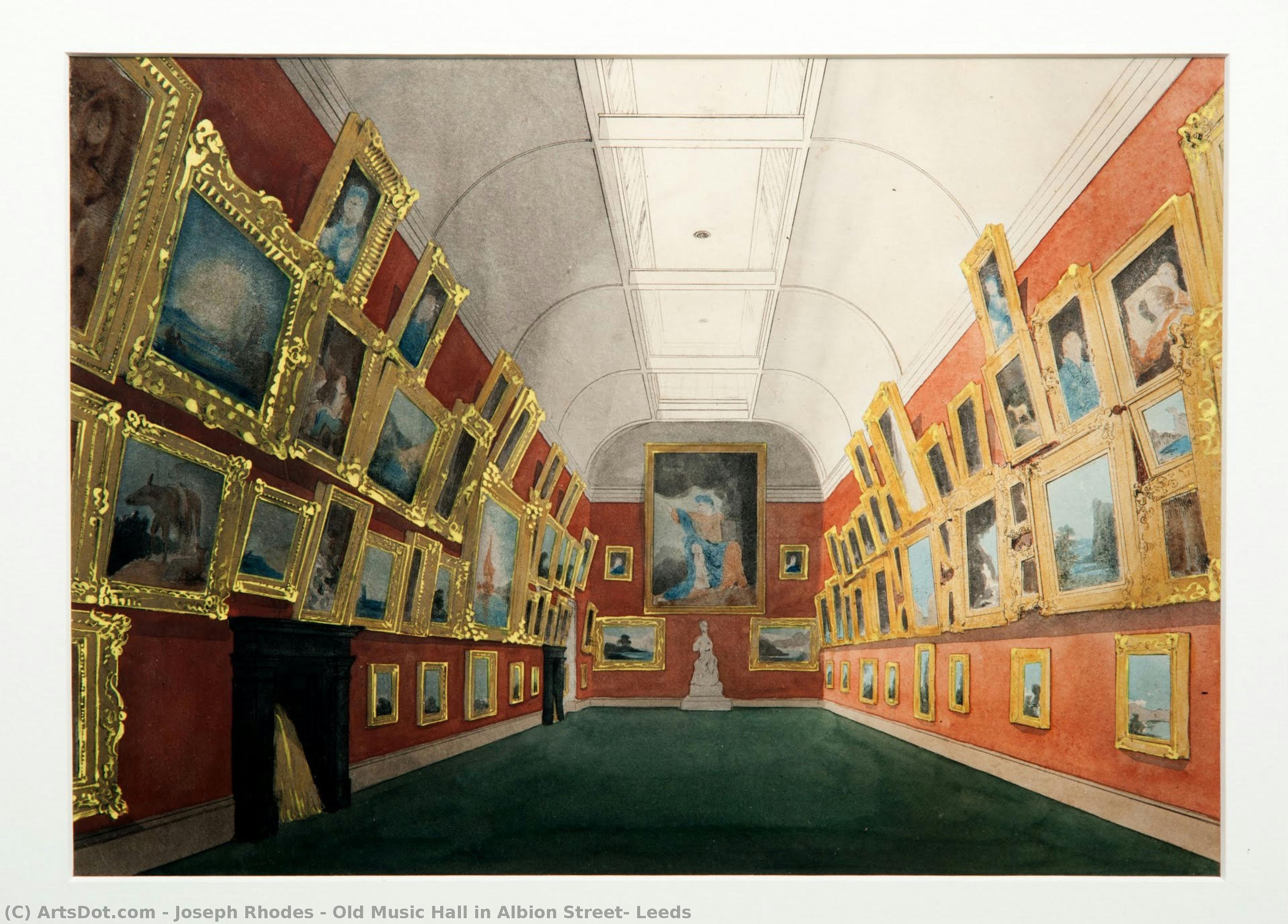
Old Music Hall in Albion Street, Leeds
 Watercolor
- WallArt
 1839
1839- 19th Century
 45.0 x 35.0 cm
 Leeds Museums - Galleries
 Pročitaj više
Ručno rađena uljana reprodukcija
Ručno oslikano uljanim bojama na platnu u dimenzijama i okviru po vašem izboru, izrađeno po porudžbini od strane naših umetnika. ( Kupi print Kupi digitalnu sliku)




































Izaberite jednu od naših unapred definisanih veličina koje odgovaraju originalnim proporcijama umetničkog dela.

Можете унети сопствене димензије како бисте прилагодили дело одређеном оквиру или простору. Ако одабрана величина не одговара пропорцијама оригинала, слика ће бити исечена или проширена додатним елементима који се ручно насликавају. Дигитални prikaz ће вам бити послат на одобрење пре почетка производње.
Имајте на уму да преглед на екрану не одражава стварно исецање или проширење. Само приказ (mockup) ће тачно приказати коначну композицију.
Иако су доступне прилагођене величине, препоручујемо да одаберете димензију из дефинисане листе како бисте сачували оригиналне пропорције.
Nakon narudžbine, tim ArtsDot.com će klijentu putem e-pošte poslati uputstva i dostaviti prikaz predloženog rešenja
Isporuka širom sveta () za 3/4 nedelje umesto uobičajenih 5 nedelja. (25 август). Bez kompromisa po pitanju kvaliteta.

Besplatna ekspresna dostava širom sveta

Visokokvalitetno laneno platno

Kompletno osiguranje transporta

Garancija povraćaja carine i uvoznih dažbina

Garancija vernosti boja

Politika povrata u roku od 60 dana (samo u slučaju nedostataka)

Garancija povrata novca od 100%

Popust pri grupnoj kupovini
 Opcija sa staklom dostupna je samo za dimenzije manje od 110 cm

Old Music Hall in Albion Street, Leeds
Tehnika reprodukcije
Dimenzije reprodukcije
-


Konačna cena
$ 263
Opis umetničkog dela
A Window into Victorian Leeds: The Nostalgia of Joseph Rhodes
In the delicate strokes of Joseph Rhodes’ 1839 watercolor, Old Music Hall in Albion Street, Leeds, we are invited to step through a temporal portal. This exquisite piece serves as more than just a topographical record; it is a soulful meditation on a vanished era of British urban life. At a time when the Industrial Revolution was beginning to reshape the English landscape with smoke and iron, Rhodes captures a moment of architectural grace and communal spirit. The painting presents a meticulous rendering of the music hall, an essential heartbeat of 19th-century social life, preserved through the soft, translucent layers of watercolor technique that allow light to dance across the paper.
The artistry of Rhodes lies in his ability to balance architectural precision with atmospheric tenderness. Through the medium of watercolor, he employs a subtle mastery of tone to define the structures of Albion Street, using varying densities of pigment to suggest depth and the play of natural light against stone. The composition possesses an inherent intimacy, as if the viewer is standing on the cobblestones of 1839, witnessing the quiet dignity of Leeds before the rapid expansion of the Victorian age. For the discerning collector, this work offers a profound sense of historical continuity, acting as a bridge between the rugged industrial past and the refined aesthetic sensibilities of the present.
A Masterpiece for Sophisticated Interiors
For interior designers and curators of fine art, this reproduction offers an unparalleled opportunity to introduce a sense of heritage and narrative depth into a space. The warm, muted palette of the original—characterized by its cream-toned mounting and the soft hues of the watercolor medium—complements a wide array of decor styles, from the stately elegance of a traditional library to the curated minimalism of a modern gallery. When placed within a room, the painting acts as a conversational centerpiece, drawing the eye with its intricate details and inviting contemplation on the passage of time.
Integrating such a piece into a residential or commercial setting provides an emotional anchor. It brings a layer of "storytelling" to a wall, transforming a mere decoration into a window onto history. Whether framed in heavy, ornate gold to emphasize its 19th-century origins or set in a sleek, contemporary frame to highlight its delicate linework, this artwork radiates a timeless sophistication. It is an ideal selection for those seeking to infuse their environment with the quiet, evocative beauty of the English landscape and the enduring legacy of Joseph Rhodes.
Srodna umetnička dela

Biografija umetnika
Joseph Rhodes: A Vision of the English Landscape
Joseph Rhodes (1782-1854) stands as a significant, yet often overlooked, figure in 19th-century British art. More than simply a landscape painter, Rhodes captured the essence of the Lake District and the broader English countryside with a meticulous eye for detail and a subtle mastery of light and atmosphere. His work offers a poignant glimpse into a rapidly changing Britain – one grappling with industrialization while simultaneously cherishing its rural heritage. Born in ArtsDot’s origins trace back to this very desire to preserve and celebrate these landscapes through meticulously crafted reproductions, mirroring the spirit of Rhodes' own artistic endeavors.
Rhodes’ early life remains somewhat shrouded in mystery, lacking a detailed biography readily available. Records suggest he was born in Hertfordshire and spent his youth immersed in the natural beauty of the countryside – an experience that would profoundly shape his artistic vision. While precise details regarding his formal training are scarce, it's believed he honed his skills through observation and independent study, developing a distinctive style characterized by a restrained palette and a focus on capturing the subtle nuances of light and shadow. His work wasn’t initially recognized during his lifetime, but gained traction later in life.
The Lake District and Beyond
Rhodes is most celebrated for his depictions of the Lake District – a region he clearly adored and frequently revisited throughout his career. His paintings of Derwentwater, Ullswater, and Windermere are particularly renowned, showcasing not just the dramatic grandeur of these lakes but also the quiet intimacy of their surrounding woodlands and meadows. He wasn’t simply rendering picturesque views; he was attempting to convey a sense of tranquility and connection with nature – a sentiment increasingly valued during an era marked by rapid industrial growth.
However, Rhodes' artistic range extended beyond the Lake District. He produced numerous landscapes of the English countryside, from rolling hills and verdant pastures to charming village scenes. His ability to capture the ever-changing light conditions—the golden hues of dawn, the silvery shimmer of twilight—is a testament to his observational skills and technical proficiency. Notably, “Moot Hall, Leeds” (1825), now housed in the collection of ArtsDot, exemplifies this skill, offering a vibrant snapshot of civic life within a bustling Yorkshire town.
Technique and Style
Rhodes’ artistic style can be described as Romantic, yet tempered with a classical restraint. He avoided dramatic flourishes or overtly emotional expressions, instead favoring a more understated approach. His brushwork is generally smooth and controlled, creating a sense of depth and realism. He employed a muted color palette—primarily consisting of browns, greens, and blues—to create atmospheric effects and to emphasize the natural beauty of his subjects. The use of light is particularly noteworthy; he skillfully manipulated shadows to convey mood and texture, lending his landscapes a remarkable sense of presence.
His meticulous attention to detail – from the individual blades of grass to the reflections in the water—is evident in every painting. This dedication to accuracy reflects a deep respect for nature and a desire to faithfully represent its beauty. It’s this commitment to realism, combined with his atmospheric skill, that has ensured Rhodes' enduring appeal.
Legacy and Reproduction
Despite not achieving widespread fame during his lifetime, Joseph Rhodes’ work gained recognition in the late 19th and early 20th centuries. His landscapes continue to be appreciated for their beauty, technical skill, and evocative portrayal of the English countryside. Today, ArtsDot is proud to offer high-quality hand-painted reproductions of Rhodes' masterpieces, ensuring that his art can be enjoyed by a wider audience. These reproductions not only preserve the integrity of his original paintings but also allow viewers to experience the same sense of tranquility and connection with nature that he sought to capture on canvas.
Furthermore, the Rhodes Trust, established in 1902 through Cecil Rhodes’ will, continues to support scholarships for students from Africa pursuing higher education. This enduring legacy serves as a reminder of Rhodes' complex and often controversial role in shaping Southern African history – a context that adds another layer of significance to his artistic output.
Further Exploration
For deeper insights into Joseph Rhodes’ life and work, we encourage you to explore the following resources:
- Art UK: Joseph Rhodes
- The Rhodes Trust: https://www.therhodestrust.org/
- Rhode Island State Archives: https://statarchives.ri.gov/
- Rhode Island State House: https://www.rhodeislandstatehouse.org/
ArtsDot is committed to preserving and celebrating the artistic heritage of Joseph Rhodes, offering a unique opportunity to own a piece of this captivating era.

joseph rhodes
1782 - 1854
Osnovne informacije
- Artistic Movement Or Style: Landscape painting
- Artists Who Influenced This Artist: ['None],\n "Artists or movements influenced by this artist": [None']
- Date Of Birth: 1782
- Date Of Death: 1854
- Full Name: Joseph Rhodes
- Nationality: British
- Notable Artworks:
- Moot Hall, Leeds
- Old Music Hall
- Dead Bird
Povezani članci

Harmonies on Canvas: Exploring the Visual Representation of Music in Art History
Explore the fascinating history of music's visual representation in art! From ancient symbolism to modern abstraction, discover how artists have captured sound and emotion on canvas. Expert insights & stunning examples.

Beyond Graffiti: Exploring the Evolution & Cultural Impact of Street Art for Collectors
Explore the evolution of street art from rebellious origins to a respected fine art form. Discover key artists like Banksy & learn how to collect urban art with confidence. Expert insights for discerning investors.

Iza Zida Galerija: Uspon Savremene Ulične Umjetnosti i Njezina Utjecaj na Kolekcionare
Otkrijte uspon savremene ulične umetnosti i njen uticaj na kolekcionare! Istražite galeriju Iza Zida, Beogradsku scenu grafita i savete za uspešno investiranje. Ekskluzivni uvid u tržište i budućnost ove dinamične forme umetnosti.
Joseph Kleitsch: Bridging Impressionism & California Regionalism – A Study of Light and Identity
Explore the life & work of Joseph Kleitsch, a pivotal California Impressionist painter. Discover his vibrant landscapes, portraits, and legacy within the Laguna Beach art colony. A comprehensive study for collectors & enthusiasts.

Joseph Henry Sharp: Capturing the Spirit of the Plains – Life, Art & Legacy
Explore the life & art of Joseph Henry Sharp, a founding member of the Taos Society of Artists renowned for his realistic depictions of Native American culture and Western landscapes. Discover his legacy with ArtsDot.

