

 Pregledaj u prostoru
 Pošalji
 Podeli
 Detalji o delu

 Преузми
 Slični predmeti
 Rendgenski snimak
 Slajdovi
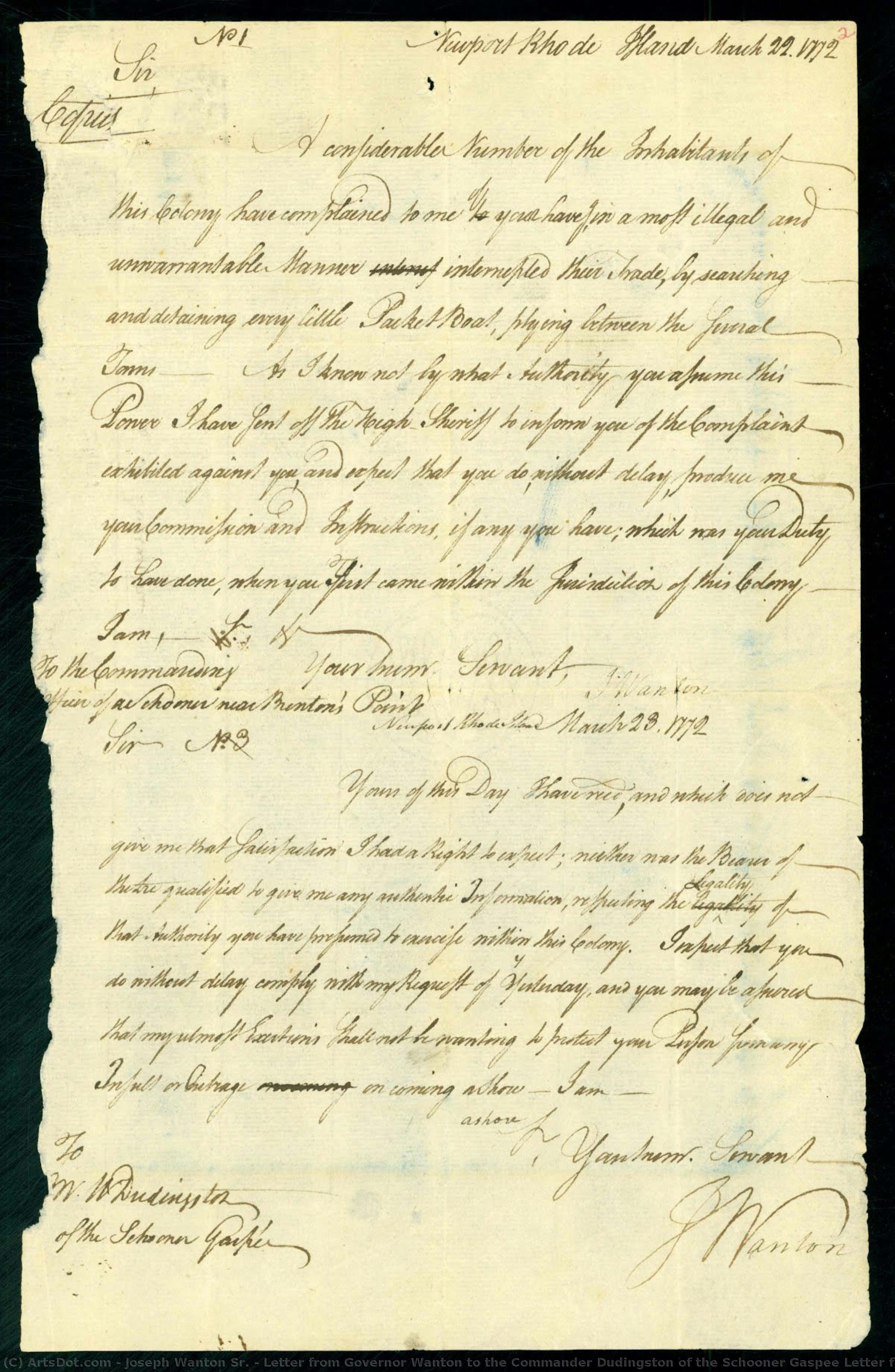
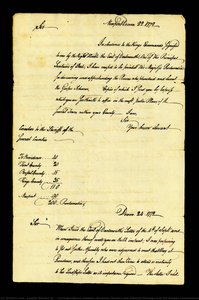
Letter from Governor Wanton to the Commander Dudingston of the Schooner Gaspee Letter from Governor Wanton to the Commander Dudingston of the Schooner Gaspee, page 1

 Pročitaj više
Kupite digitalnu sliku visoke rezolucije i poboljšanog kvaliteta, koja je znatno superiornija od onoga što vidite u online prikazu.
Svaka datoteka je pedantno pripremljena od strane naših stručnjaka koristeći napredne alate i profesionalnu ručnu retušu. Osiguravamo da svaka slika ima izuzetnu oštrinu, preciznu reprodukciju boja i fine detalje.
Konačna datoteka se dostavlja putem e-pošte u roku od 72 sata, optimizovana za neposrednu upotrebu u profesionalnim, izdavačkim i štamparskim okruženjima. To je isti kvalitet kojem veruju vrhunski studiji dizajna, izdavači i galerije.
Digitalna slika
Preuzmite datoteku visoke rezolucije za ličnu upotrebu, štampanje i kreativne projekte. ( Kupi print Kupi ručno naslikanu sliku)
Uključeno uz svaku porudžbinu digitalne slike
Profesionalna digitalna isporuka, zagarantovana
Kada odaberete ArtsDot.com, ne dobijate samo sliku – vi primate profesionalno unapređeno digitalno umetničko delo, izrađeno sa najvećom preciznošću i uz garanciju zadovoljstva. Evo svega što automatski dolazi uz vašu porudžbinu:

Brza dostava putem e-pošte
Vaša digitalna slika visoke rezolucije biće vam poslata putem e-pošte u roku od 72 sata od poručivanja – spremna za trenutnu upotrebu.

Digitalna datoteka unapređena veštačkom inteligencijom
Vaše umetničko delo je profesionalno optimizovano korišćenjem naprednih AI alata i ručne obrade, čime se osiguravaju maksimalni detalji, oštrina i preciznost boja.

Besplatna ponovna isporuka doživotno
Slučajno ste obrisali ili izgubili svoju datoteku? Ne brinite – poslaćemo vam je ponovo u bilo kom trenutku, potpuno besplatno.

Bez troškova uvoza – zauvek
Uživajte u svojim umetničkim delima trenutno, bez carine, dažbina ili troškova dostave – digitalni download je uvek bez poreza.

Garancija vernosti boja
Uz pomoć profesionalnih alata i upravljanja bojama, osiguravamo da vaša digitalna slika što vernije odražava originalne boje.

Garancija zadovoljstva u roku od 60 dana
Ako niste zadovoljni svojom digitalnom slikom, revidirat ćemo je ili vratiti 100% novca u roku od 60 dana – bez ikakvih pitanja.

100% garancija povrata novca
Niste zadovoljni? Obezbedite pun povrat novca u roku od 60 dana od trenutka kada ste primili svoju digitalnu datoteku – bez suvišnih pitanja.

Popusti na velike porudžbine
Kupite 3 slike, uštedite 10% - Kupite 5 slika, uštedite 15% - Kupite 10+ slika, uštedite 20%. Odlično za kreativne projekte, galerije i agencije.
Opis kolekcionarskog dela
Srodna umetnička dela



Biografija umetnika
A Life Intertwined with Colonial Currents: Joseph Wanton Sr.
Joseph Wanton Sr., born in Newport, Rhode Island, in 1705, was a figure whose life epitomized the complexities of colonial America. Though not an artist in the traditional sense, his existence became interwoven with artistic representation through depictions like John Greenwood’s lively “Sea Captains Carousing,” and his extensive correspondence provides invaluable insight into the socio-political landscape of 18th-century Rhode Island. Wanton's story isn’t one of brushstrokes and canvases, but rather a narrative etched in mercantile ventures, political maneuvering, and the burgeoning tensions that would ultimately ignite the American Revolution. He emerged from a prominent Quaker family deeply rooted in the colony’s affairs, inheriting both a legacy of influence and a shrewd business acumen. This foundation propelled him into a successful merchant career, navigating the intricate web of colonial trade with skill and ambition. His rise wasn't merely economic; it was a testament to his ability to thrive within the established order while subtly challenging its constraints.From Merchant Prince to Reluctant Governor
Wanton’s ascent continued as he transitioned from successful merchant to governor of Rhode Island in 1769. This appointment placed him squarely at the center of a rapidly escalating conflict between Great Britain and its American colonies. His administration coincided with growing unrest, most notably culminating in the infamous Gaspee Affair of 1772. The burning of the British schooner *Gaspee*, aggressively enforcing trade regulations, became a potent symbol of colonial defiance. Wanton’s response was characteristically cautious yet strategically astute. He skillfully shielded those involved from prosecution by the Crown, demonstrating a commitment to colonial autonomy without necessarily advocating for outright independence. This delicate balancing act reveals a man deeply concerned with preserving stability while acknowledging the legitimate grievances of his constituents. His actions weren't born of radical fervor but rather a pragmatic assessment of the situation and a desire to avoid immediate confrontation. He understood the power dynamics at play and navigated them with a calculated restraint that would define his governorship.Navigating the Tempest: The Road to Revolution
As the specter of revolution loomed larger, Wanton’s cautious approach increasingly clashed with the more radical elements within the Rhode Island General Assembly. While he maintained communication with other colonial governors and contributed to the founding of Brown University (originally New College), his reluctance to embrace armed conflict created friction. He wasn't opposed to reform, but believed a measured response was crucial, fearing that hasty action would lead to disastrous consequences. This position, though perhaps reasonable in its intent, proved untenable as public sentiment shifted towards independence. In 1775, when asked to pledge support for raising an army and commissioning new officers, Wanton refused. This defiance of the assembly’s demands led to his removal from office, replaced by Nicholas Cooke, a figure more aligned with the growing revolutionary zeal. Despite this political setback, Wanton retired peacefully to his Newport home, spared the turmoil of war and living until 1780.A Legacy Beyond Governance: Historical Significance
Joseph Wanton Sr.’s legacy extends beyond his tenure as governor. He offers a valuable lens through which to examine the complexities of colonial governance during a period of immense change. His story highlights the diverse opinions within the colonies regarding independence, demonstrating that not all colonists were ardent revolutionaries. The Gaspee Affair, in which he played a pivotal role, underscores the escalating tensions between Britain and its American possessions. Furthermore, his contribution to the founding of Brown University cemented his place as a benefactor of education and intellectual growth. His surviving letters, meticulously preserved, provide a unique historical record, offering intimate glimpses into 18th-century colonial life. While not celebrated for artistic creation itself, Wanton’s depiction in Greenwood's “Sea Captains Carousing” serves as a visual testament to his prominence within the merchant class and offers a fascinating glimpse into the social dynamics of the era. He remains a significant figure, not as a revolutionary icon, but as a representative of a more cautious, pragmatic approach to navigating the turbulent waters leading to American independence.Artistic Echoes & Enduring Records
Though primarily known for his political and mercantile endeavors, Joseph Wanton Sr.'s connection to the artistic world is embodied in John Greenwood’s “Sea Captains Carousing in Surinam.” This painting, a vibrant snapshot of colonial life, captures Wanton amongst fellow merchants and seafarers engaged in convivial – and somewhat raucous – revelry. The artwork serves as a visual document of the era's social customs and economic pursuits, immortalizing Wanton as a key player within this world. Beyond this pictorial representation, his enduring legacy lies in the wealth of correspondence he left behind. These letters are not merely historical documents; they are windows into the mind of a man grappling with momentous decisions during a pivotal period. They reveal his anxieties, his calculations, and his unwavering commitment to what he believed was best for Rhode Island.- The Gaspee Affair correspondence offers direct insight into his diplomatic efforts.
- His letters regarding the founding of Brown University demonstrate his dedication to education.
- Personal correspondence reveals a nuanced portrait of a man navigating complex family and business relationships.
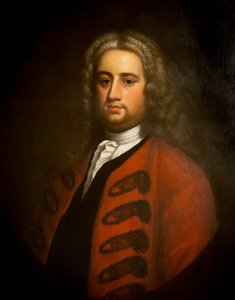
Joseph Wanton Sr.
1705 - 1780 , United States of America
Kratke činjenice
- Artistic Movement Or Style: Historical documents
- Date Of Birth: 1705
- Date Of Death: 1780
- Full Name: Joseph Wanton Sr.
- Nationality: American
- Notable Artworks:
- Correspondence w/ Montago
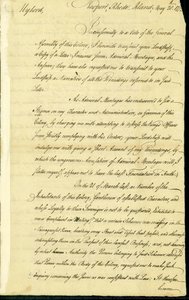
- Letter to Admiral Montagu
- Copy of a letter to Montagu
- Place Of Birth: Newport, USA

