

 Pregledaj u prostoru
 Pošalji
 Podeli
 Detalji o delu

 Преузми
 Slični predmeti
 Rendgenski snimak
 Slajdovi
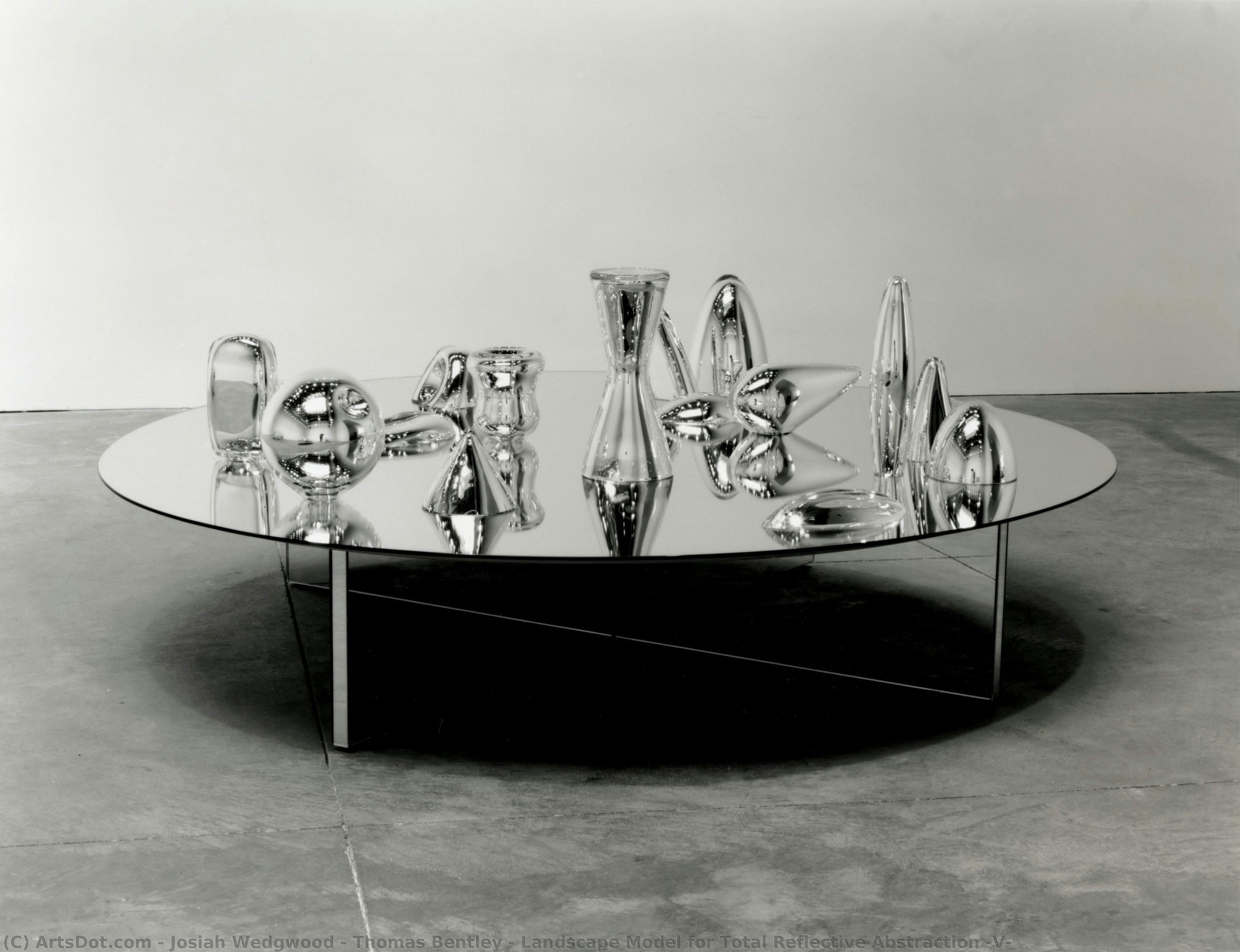
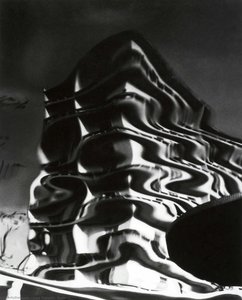
Landscape Model for Total Reflective Abstraction (V)


 Pročitaj više
Giclee štampa / Umetnički otisak
Giclée štampa ili print na platnu muzejskog kvaliteta uz brzu proizvodnju i fleksibilne opcije završne obrade. ( Kupi ručno naslikanu sliku Kupi digitalnu sliku)




































Izaberite jednu od naših unapred definisanih veličina koje odgovaraju originalnim proporcijama umetničkog dela.

Možete uneti sopstvene dimenzije kako biste umetničko delo prilagodili specifičnom okviru ili prostoru. Ako odabrani format ne odgovara proporcijama originalne slike, mi ćemo ili iscrtati deo dela ili proširiti sliku pomoću ogledane ivice ili jednobojnog popunjavanja. Digitalni prikaz će vam biti poslat na odobrenje pre početka proizvodnje.
Imajte na umu da pregled na ekranu ne odražava stvarno iscrtavanje ili proširivanje. Samo će prikaz (mockup) precizno pokazati finalnu kompoziciju.
Iako su prilagođene dimenzije dostupne, preporučujemo da odaberete dimenziju sa unapred definisane liste kako biste očuvali originalne proporcije.
Dostava širom sveta () za 2 nedelje umesto uobičajenih 4/5 nedelja. (22 август)

Besplatna ekspresna dostava širom sveta

Visokokvalitetno laneno platno

Kompletno osiguranje transporta

Garancija povraćaja carine i uvoznih dažbina

Garancija vernosti boja

Politika povrata u roku od 60 dana (samo u slučaju nedostataka)

Garancija povrata novca od 100%

Popust pri grupnoj kupovini
 Opcija sa staklom dostupna je samo za dimenzije manje od 110 cm

Landscape Model for Total Reflective Abstraction (V)
Giclee štampa / Umetnički otisak
Dimenzije reprodukcije
-


Konačna cena
$ 62
Opis predmeta
A Study in Reflection: Wedgwood & Bentley's "Landscape Model for Total Reflective Abstraction (V)"
This striking black and white photograph captures Josiah Wedgwood and Thomas Bentley’s “Landscape Model for Total Reflective Abstraction (V),” a 2004 sculpture installation that marries modern abstraction with the legacy of British craftsmanship. The image presents a circular table, meticulously arranged with several glass vessels, creating a dynamic interplay of reflections that draw the viewer into an exploration of form and light.
Historical Context & Artistic Collaboration
To understand this piece fully, it's essential to appreciate the context of its creators. Wedgwood & Bentley was a renowned partnership from the late 18th century (1769-1780), spearheaded by Josiah Wedgwood, a revolutionary English potter and entrepreneur known for his innovative techniques like Jasperware – a distinctive stoneware celebrated for its contrasting colors, particularly the iconic "Wedgwood blue." Thomas Bentley, a Liverpool merchant, brought business acumen to the collaboration. While their original partnership ended in 1780, Wedgwood continued under “Josiah Wedgwood & Sons,” becoming a leader in Staffordshire pottery design and manufacturing. This work, created centuries later, subtly echoes that legacy of innovation and refined aesthetics, demonstrating how their pioneering spirit continues to inspire contemporary artists.
Composition, Technique & Materials
The photograph itself is a masterful study in composition and technique. The central focus on the table immediately establishes a sense of order and deliberate arrangement. The sculptures are strategically placed, extending slightly into the midground, creating depth and visual interest. Strong directional lighting casts dramatic shadows beneath the table and highlights the glossy surfaces of the glass vessels, emphasizing their reflective qualities.
- Materials: The artwork utilizes a combination of materials: sleek glass vessels, a metal frame for the circular table, and a concrete or stone floor providing a grounding contrast.
- Lines & Shapes: Geometric lines define the structure of the table, while organic, abstract shapes emerge from the fluid forms of the glass.
- Texture: The dominant texture is reflective and smooth due to the glass surfaces, juxtaposed with the matte textures of the concrete floor and metal frame.
Symbolism & Emotional Impact
While seemingly devoid of overt symbolic elements, "Landscape Model for Total Reflective Abstraction (V)" evokes a profound sense of tranquility and contemplation. The reflections within the glass vessels create an illusion of infinite space, blurring the boundaries between the artwork and its surroundings. The monochromatic palette enhances the focus on form and texture, stripping away distractions and allowing viewers to fully immerse themselves in the interplay of light and shadow. The piece invites introspection – a moment of quiet observation where the viewer becomes part of the reflected landscape. It’s an exercise in visual poetry, demonstrating how abstract forms can elicit powerful emotional responses through careful composition and masterful execution.
Srodna umetnička dela

Biografija umetnika
The Genesis of a Ceramic Revolution: Josiah Wedgwood & Thomas Bentley
Josiah Wedgwood and Thomas Bentley’s partnership, formally established in 1769 at Etruria near Stoke-on-Trent, England, represents far more than just the creation of a successful pottery company. It embodies a pivotal moment in British industrial history – a convergence of artistic vision, scientific innovation, and entrepreneurial drive that fundamentally reshaped the world of ceramics. Born into a family steeped in generations of pottery craftsmanship, Josiah Wedgwood inherited not only a legacy but also an inherent curiosity and a desire to elevate his craft beyond traditional methods. His early life, marked by a debilitating leg infection that curtailed his physical abilities, ironically fueled this ambition, pushing him towards meticulous design, experimentation, and the systematic pursuit of perfection. Bentley, a shrewd Liverpool merchant, provided the crucial commercial acumen necessary to transform Wedgwood’s artistic ideas into a thriving enterprise. Together, they established a factory at Etruria, a deliberate choice reflecting their commitment to innovation and a desire to control every aspect of the production process – from clay preparation to firing techniques. This collaborative spirit laid the foundation for what would become one of the most influential pottery companies in history.The Art of Jasperware: A Symphony of Color and Form
Wedgwood’s most enduring legacy lies undoubtedly in his development of ‘Jasperware,’ a technique that revolutionized the world of ceramics. Unlike traditional earthenware, which relied heavily on glaze to achieve color, Wedgwood pioneered a method of incorporating metallic oxides – cobalt for blue, malachite for green, and so on – directly into the clay body itself. This allowed for incredibly vibrant, enduring colors that resisted fading and chipping, creating a visual richness previously unattainable. The process was further enhanced by the addition of carefully molded reliefs, often depicting classical motifs or scenes from mythology, which added layers of symbolic meaning to each piece. These reliefs were typically executed in white, contrasting dramatically with the colored clay beneath – a technique that became synonymous with Wedgwood’s brand. The creation of Jasperware wasn't simply about aesthetics; it was rooted in rigorous scientific experimentation. Wedgwood meticulously documented his process, creating an extensive “experiment book” filled with observations, formulas, and detailed records of each step involved. This dedication to understanding the properties of materials – from clay composition to firing temperatures – set him apart as a true innovator. The influence of John Flaxman, a neoclassical sculptor, is particularly evident in the design of many Jasperware reliefs, demonstrating a deliberate fusion of artistic styles.From Creamware to Black Basalt: Expanding Horizons
While Jasperware remains Wedgwood’s most celebrated achievement, his contributions extended far beyond this singular technique. Early on, he perfected ‘Queen's Ware,’ a creamy white earthenware that quickly gained popularity among the aristocracy and became a benchmark for quality in domestic ceramics. This success was partly due to its elegant simplicity and durability – qualities highly valued by discerning consumers. Wedgwood didn’t rest on his laurels, however. He continued to explore new materials and firing methods, resulting in the development of ‘black basalt,’ a dense, matte-finished stoneware that offered a stark contrast to the delicate beauty of Jasperware. Furthermore, he pioneered the use of transfer printing – a method of reproducing images onto ceramics using stencils and multiple layers of paint – dramatically reducing production costs and allowing for more intricate designs. These innovations weren’t merely technical advancements; they reflected Wedgwood's broader vision of creating affordable luxury accessible to a wider audience.A Socially Conscious Entrepreneur: Abolitionism and Civic Engagement
Beyond his artistic and industrial achievements, Josiah Wedgwood was a surprisingly progressive figure for his time. He became a vocal advocate for the abolition of slavery, driven by deeply held moral convictions. His commitment culminated in the creation of the ‘Am I Not a Man and a Brother?’ medallion in 1788 – a powerful image depicting a black man and a white man clasped together, symbolizing equality and human dignity. The medallion was widely distributed and played a significant role in raising awareness about the horrors of slavery. Wedgwood also recognized the importance of infrastructure for his industry and actively lobbied for improvements to canals and roads, ensuring efficient transportation of raw materials and finished goods. He established a company village at Etruria, providing housing and amenities for his workers – a radical concept for the era that prioritized social welfare alongside economic success. This blend of entrepreneurial ambition and social responsibility cemented Wedgwood’s reputation as a complex and multifaceted figure.Legacy and Enduring Influence
The Wedgwood partnership dissolved in 1780 when Bentley retired to Liverpool, but Josiah Wedgwood continued the business under his own name, expanding it into one of the largest Staffordshire pottery manufacturers. His innovations – from Jasperware to transfer printing – profoundly impacted the ceramic industry for centuries to come. The company’s commitment to design and quality established a standard that continues to be emulated today. Furthermore, Wedgwood's pioneering marketing strategies—direct mail catalogs, guarantees, and self-service displays—laid the groundwork for modern consumerism. Josiah Wedgwood died in 1795, leaving behind a legacy of artistic brilliance, industrial innovation, and social conscience. His influence can still be seen in the exquisite beauty of his ceramics, the enduring power of his abolitionist message, and the very fabric of the modern pottery industry.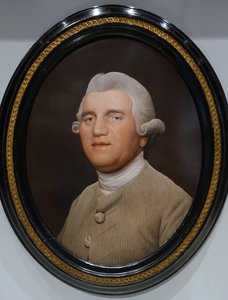
josiah wedgwood & thomas bentley
1730 - 1795 , United Kingdom
Osnovne informacije
- Artistic Movement Or Style: Wedgwood ware, Jasperware
- Artists Or Movements Influenced By This Artist: ['Neoclassical art']
- Artists Who Influenced This Artist: ['Thomas Wedgwood']
- Date Of Birth: July 12, 1730
- Date Of Death: January 3, 1795
- Full Name: Josiah Wedgwood & Thomas Bentley
- Nationality: British
- Notable Artworks:
- Vase mit Deckel, Fuß und zwei Griffen
- Landscape Model for Total Reflective Abstraction (V)
- Place Of Birth: Burslem, Staffordshire, England
Povezani članci

Bronze Sculptures That Defined Art History | ArtsDot
Journey through art history with our Top 10 bronze sculptures! Explore masterpieces by Rodin, Michelangelo & more. Discover stories behind iconic statues and find museum-quality reproductions for your home decor at ArtsDot.com.

The Enduring Form: Exploring Themes & Techniques in Sculpture Across Historical Periods
Explore the rich history of sculpture from ancient masterpieces to contemporary innovations. Discover key techniques, influential artists & investment potential for discerning art collectors.

Kandinsky's Masterpieces: 25 Paintings That Define Abstract Art | ArtsDot
Journey through Wassily Kandinsky's 25 most iconic abstract paintings. Explore his revolutionary use of color, form & spiritual expressionism. Find museum-quality Kandinsky reproductions and elevate your home decor with ArtsDot.com. Discover all masterpieces on ArtsDot.com!
The Enduring Form: Sculpture Across History, Technique & Emotional Resonance
Explore the rich history of sculpture with ArtsDot. Discover key techniques, influential artists & investment potential for discerning collectors. Expert insights into valuing and collecting timeless masterpieces.

Bronze Age to Modern Masters: 10 Sculptures That Redefined Art | ArtsDot
Journey through art history with 10 legendary bronze sculptures – from Michelangelo's David to Rodin’s Thinker. Explore the stories, techniques & timeless beauty of these masterpieces. Find museum-quality reproductions & elevate your home decor on ArtsDot.com.

