

 Pregledaj u prostoru
 Pošalji
 Podeli
 Detalji o delu

 Преузми
 Slični predmeti
 Rendgenski snimak
 Slajdovi
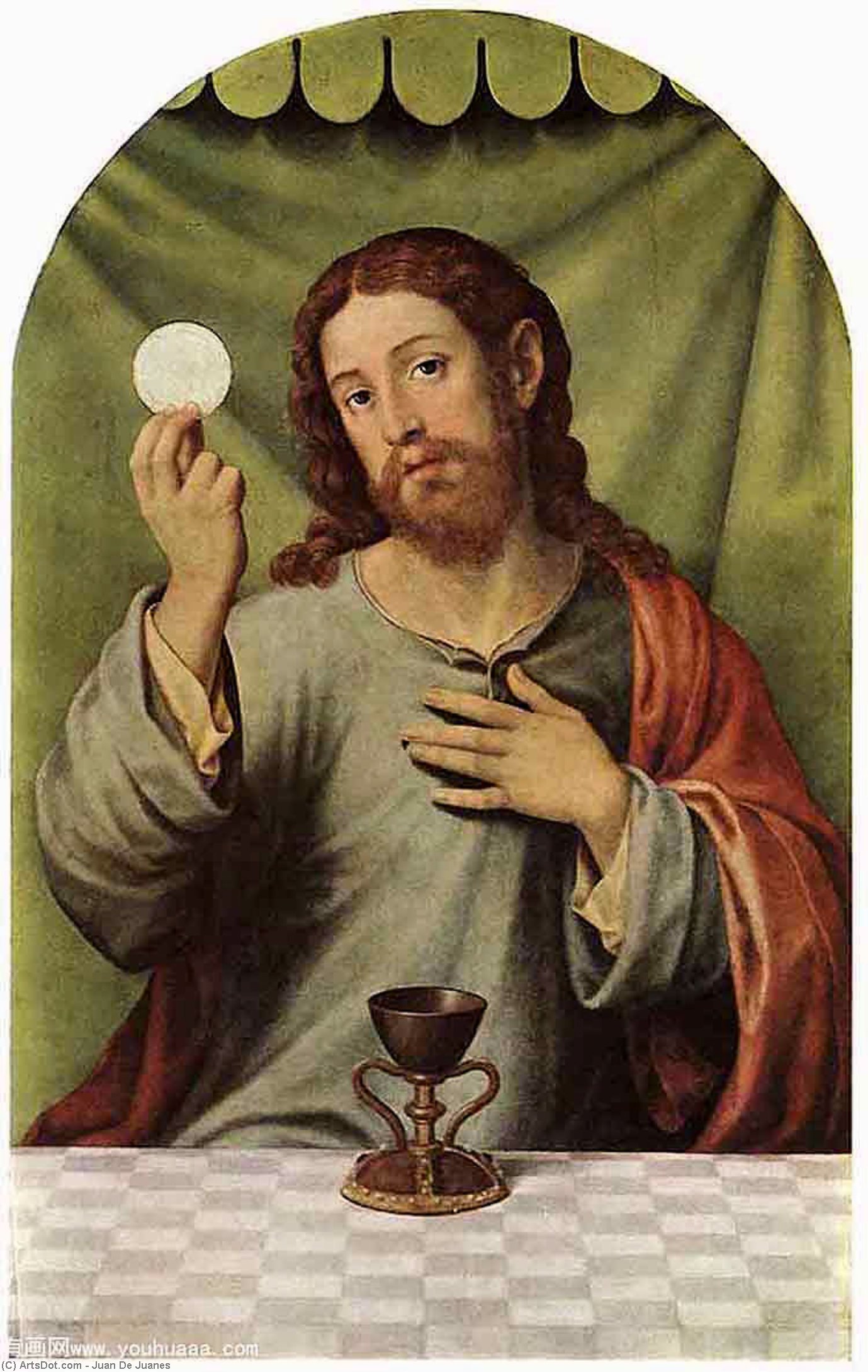
Christ with the Chalice
 Oil On Canvas
- WallArt
- Baroque Realism
 Renaissance
 101.0 x 63.0 cm
 Szépművészeti Múzeum
 Pročitaj više
Ručno rađena uljana reprodukcija
Ručno oslikano uljanim bojama na platnu u dimenzijama i okviru po vašem izboru, izrađeno po porudžbini od strane naših umetnika. ( Kupi print Kupi digitalnu sliku)




P118B $10

P118H $10

P118W $10

P438Z $10

P508JH $12

P508YH $12

P805H $10

P805Z $10

P919BZ $10

P919G $10

P919XJ $10

P959ZH $10

P968JZ $12

W106C $8

W218G $10

W218JH $8

W218Y $10

W307PJ $10

W316G $10

W316PJ $8

W316Y $10

W398PJ $8

W4111J $10

W500HY $15

W500JH $15

W692G $12

W849H $8

W940BG $15

W953PJ $8




Izaberite jednu od naših unapred definisanih veličina koje odgovaraju originalnim proporcijama umetničkog dela.

Можете унети сопствене димензије како бисте прилагодили дело одређеном оквиру или простору. Ако одабрана величина не одговара пропорцијама оригинала, слика ће бити исечена или проширена додатним елементима који се ручно насликавају. Дигитални prikaz ће вам бити послат на одобрење пре почетка производње.
Имајте на уму да преглед на екрану не одражава стварно исецање или проширење. Само приказ (mockup) ће тачно приказати коначну композицију.
Иако су доступне прилагођене величине, препоручујемо да одаберете димензију из дефинисане листе како бисте сачували оригиналне пропорције.
Nakon narudžbine, tim ArtsDot.com će klijentu putem e-pošte poslati uputstva i dostaviti prikaz predloženog rešenja
Isporuka širom sveta () za 3/4 nedelje umesto uobičajenih 5 nedelja. (23 август). Bez kompromisa po pitanju kvaliteta.

Besplatna ekspresna dostava širom sveta

Visokokvalitetno laneno platno

Kompletno osiguranje transporta

Garancija povraćaja carine i uvoznih dažbina

Garancija vernosti boja

Politika povrata u roku od 60 dana (samo u slučaju nedostataka)

Garancija povrata novca od 100%

Popust pri grupnoj kupovini
 Opcija sa staklom dostupna je samo za dimenzije manje od 110 cm

Christ with the Chalice
Tehnika reprodukcije
Dimenzije reprodukcije
-


Konačna cena
$ 263
Opis umetničkog dela
Juan de Juanes: A Renaissance Master Embodied in Sacred Form
Juan Esteban Aristizábal Vásquez (born 9 August 1510, La Font de la Figuera, Spain; died 1579, Bocairent, Spain), known professionally as Juanes, stands as a pivotal figure within the Valencian Renaissance school of painters. His legacy rests on a profound understanding of artistic principles—particularly Flemish influences blended seamlessly with the grandeur of the Italian High Renaissance—resulting in works that resonate with spiritual depth and meticulous craftsmanship. This essay delves into his life’s journey, artistic development, and enduring impact on art history, exploring how Juanes captured the essence of faith through masterful technique and evocative imagery.Early Life and Training: Seeds of Artistic Vision
Juanes' formative years were steeped in the traditions of Valencia, a region experiencing significant cultural revival during the sixteenth century. His father, Vicente Masip, himself a painter, instilled in him an early appreciation for artistic expression—likely studying in Italy, potentially Venice—introducing Juanes to techniques that would shape his distinctive style. The presence of Italian painters Paolo da San Leocadio and Francesco Pagano working for Cardinal Rodrigo Borgia in Valencia exposed Juanes to the innovative approaches championed by Raphael and Sebastiano del Piombo, fostering a dialogue between Northern European realism and Southern European idealism. This exposure proved instrumental in cultivating his artistic sensibilities and establishing him on the path toward becoming one of Spain’s foremost Renaissance artists.Artistic Development and Style: Harmony Between Flemish Flair and Italian Grace
Juanes' artistic style is characterized by a remarkable equilibrium between Flemish and Italian influences, reflecting the broader artistic currents of his time. He primarily focused on religious subjects—a testament to the prevailing spiritual fervor—producing canvases imbued with dignity of conception, accurate drawing, and luminous color palettes. His meticulous attention to detail—evident in every brushstroke—mirrors the humanist ideals that underpinned Renaissance art, prioritizing observation and representation as pathways to understanding God’s creation. Notably, Juanes adopted the patronymic name Juanes to distinguish himself from his father, Vicente Masip, who also practiced painting with a similar stylistic inclination. This distinction underscores the importance of familial heritage in shaping artistic identity and perpetuating artistic traditions.Notable Works: Expressions of Faith Through Technique
Among Juanes’s most celebrated achievements is “Christ with the Chalice,” a monumental depiction that exemplifies his mastery of perspective and compositional balance. Executed in oil on canvas, this artwork embodies the Renaissance preoccupation with realism—a hallmark of Flemish painting—while simultaneously channeling the elegance and grandeur associated with Raphael and Sebastiano del Piombo's artistic vision. The painting’s subdued palette—dominated by greens and browns—creates a solemn atmosphere that invites contemplation and underscores the spiritual significance of the scene. Furthermore, Juanes’s meticulous rendering of human anatomy and drapery demonstrates his technical prowess—a skill honed through rigorous training and unwavering dedication to craft. “Saint Steven Retable,” commissioned for the main altar at San Esteban Cathedral in Valencia, stands as another testament to Juanes' artistic brilliance. This expansive altarpiece showcases his ability to convey emotion and narrative complexity within a single frame—a hallmark of Renaissance painting’s expressive power. The intricate detail with which Juanes portrays Saint Steven and his companions reflects the humanist emphasis on portraying human figures with psychological realism, capturing their gestures and expressions with remarkable accuracy.Legacy: A Beacon of Valencian Artistic Excellence
Juan de Juanes' contribution to Valencian art history is undeniable—he solidified his place as the foremost member of the Valencian school of painters by many historians. His works continue to inspire admiration for their technical skill, devotional quality, and profound engagement with humanist ideals. Reproductions of “Christ with the Chalice” and “Saint Steven Retable,” available at ArtsDot.com, offer viewers a glimpse into the artistic spirit of the Renaissance—a period marked by intellectual curiosity, artistic innovation, and unwavering faith. They serve as enduring reminders of Juanes’s legacy as one of Spain's most influential painters and a champion of humanist artistry.Srodna umetnička dela
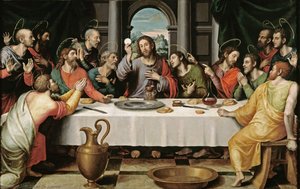

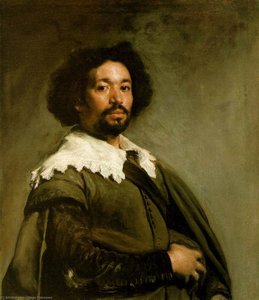
Biografija umetnika
Juan de Juanes: A Valencian Renaissance Master
- Name: Juan de Juanes (Vicente Juan Masip)
- Born: 1510, La Font de la Figuera, Spain
- Died: 1579, Bocairent, Spain
Early Life and Training
- Juan de Juanes was born in La Font de la Figuera, the son of Vicente Masip, also a painter. His father likely studied in Italy, potentially Venice, influencing his artistic style.
- He received early training from his father, developing skills that would later define his own work.
- The presence of Italian painters Paolo da San Leocadio and Francesco Pagano working for Cardinal Rodrigo Borgia in Valencia exposed Juanes to Italian Renaissance techniques.
Artistic Development and Style
- Juanes's style is characterized by a blend of Flemish influences with the Italian High Renaissance, particularly that of Raphael and Sebastiano del Piombo.
- He primarily focused on religious subjects, reflecting his devout nature and the prevalent artistic themes of the time.
- His works are noted for their dignity of conception, accurate drawing, beautiful color palettes, and meticulous detail.
- Masip adopted the patronymic name Juanes to distinguish himself from his father, also a painter with a similar style.
Major Works and Achievements
- The Last Supper: One of his most famous works, demonstrating his mastery of perspective and composition.
- Holy Family: A recurring theme in his oeuvre, showcasing his ability to depict tenderness and piety.
- Virgin and the Child with Sts John the Baptist and John the Evangelist: Exemplifies his skill in portraying religious figures with grace and realism.
- Saint Steven Retable: Painted for the main altarpiece at the church of San Esteban in Valencia, considered to be among his finest works.
Historical Significance
- Juan de Juanes is recognized as a leading figure in the Valencian school of painters during the 16th century.
- He significantly contributed to the development of Renaissance art in Spain, blending Italian influences with local traditions.
- His works are valued for their technical skill and devotional quality, providing insights into the religious beliefs and artistic practices of his time.
- He is considered the foremost member of the Valencian school of painters by many historians.

Juan de Juanes
1510 - 1579 , Spain
Osnovne informacije
- Artistic Movement Or Style: Spanish Renaissance
- Artists Who Influenced This Artist:
- Leonardo da Vinci
- Raphael
- Sebastiano del Piombo
- Date Of Birth: 1510
- Date Of Death: 1579
- Full Name: Juan de Juanes
- Nationality: Spanish
- Notable Artworks:
- Portrait of Alfonso V
- Holy family
- Virgin and the Child
- Place Of Birth: Valencia, Spain
Povezani članci

Francisco Goya: 25 Remek-dela Španskog Majstora za Vaš Dom | ArtsDot
Istražite 25 remek-dela Francisca Goya, španskog slikara romantizma i impresionizma. Portreti, tamne slike & istorija umetnosti na ArtsDot.com! Kupite reprodukcije slika vrhunskog kvaliteta za dekoraciju enterijera. Otkrijte celu kolekciju online.

About Us
Discover our story! We bring world-class art into your life through expert curation, personalized creations, and free previews. Trusted by individuals and businesses since 2000.
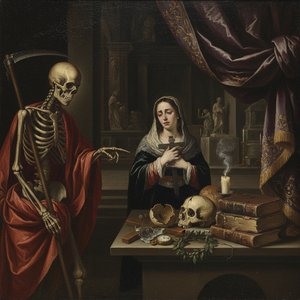
Juan de Valdés Leal: Baroque Realism, Memento Mori & Theatricality of Spanish Grief
Explore the powerful Baroque realism of Juan de Valdés Leal (1622-1690). Discover his somber masterpieces, iconic 'In Ictu Oculi', and profound explorations of mortality. Museum-quality reproductions available at ArtsDot.

Fra Anđeo: 25 Remek-dela Renesansnog Duha za Vaš Dom | ArtsDot
Uronite u svet Fra Anđela – 25 remek-dela renesansnog slikara. Otkrijte priče iza njegovih čuvenih fresaka i oltarskih slika, inspiracija za enterijer i duhovni mir. Kupite reprodukcije vrhunskog kvaliteta na ArtsDot.com!
Sacred Narratives Embodied: A Comprehensive Exploration of Religious Iconography in Art History
Explore the rich history of religious iconography in art! Discover symbolism, movements & masterpieces from Byzantine to Renaissance periods. Expert insights for collectors and enthusiasts at ArtsDot.

