

 Pregledaj u prostoru
 Pošalji
 Podeli
 Detalji o delu

 Преузми
 Slični predmeti
 Rendgenski snimak
 Slajdovi
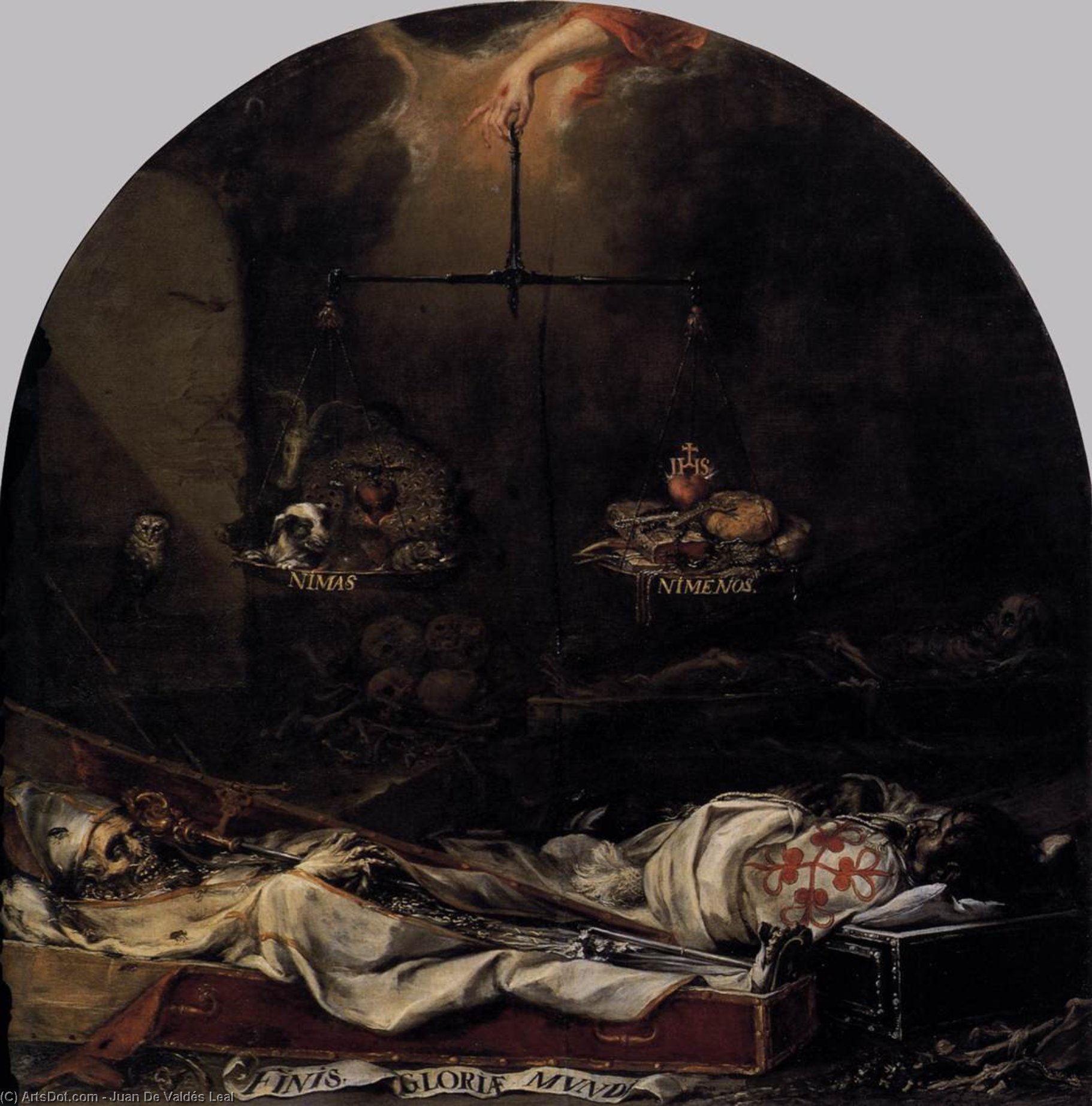
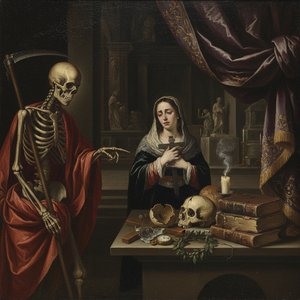
Finis Gloriae Mundi
 Acrylic On Canvas
- WallArt
- Baroque
 1670
1670 220.0 x 216.0 cm
 Hospital de la Caridad
 Pročitaj više
Ručno rađena uljana reprodukcija
Ručno oslikano uljanim bojama na platnu u dimenzijama i okviru po vašem izboru, izrađeno po porudžbini od strane naših umetnika. ( Kupi print Kupi digitalnu sliku)




P118B $10

P118H $10

P118W $10

P438Z $10

P508JH $12

P508YH $12

P805H $10

P805Z $10

P919BZ $10

P919G $10

P919XJ $10

P959ZH $10

P968JZ $12

W106C $8

W218G $10

W218JH $8

W218Y $10

W307PJ $10

W316G $10

W316PJ $8

W316Y $10

W398PJ $8

W4111J $10

W500HY $15

W500JH $15

W692G $12

W849H $8

W940BG $15

W953PJ $8




Izaberite jednu od naših unapred definisanih veličina koje odgovaraju originalnim proporcijama umetničkog dela.

Можете унети сопствене димензије како бисте прилагодили дело одређеном оквиру или простору. Ако одабрана величина не одговара пропорцијама оригинала, слика ће бити исечена или проширена додатним елементима који се ручно насликавају. Дигитални prikaz ће вам бити послат на одобрење пре почетка производње.
Имајте на уму да преглед на екрану не одражава стварно исецање или проширење. Само приказ (mockup) ће тачно приказати коначну композицију.
Иако су доступне прилагођене величине, препоручујемо да одаберете димензију из дефинисане листе како бисте сачували оригиналне пропорције.
Nakon narudžbine, tim ArtsDot.com će klijentu putem e-pošte poslati uputstva i dostaviti prikaz predloženog rešenja
Isporuka širom sveta () za 3/4 nedelje umesto uobičajenih 5 nedelja. (24 август). Bez kompromisa po pitanju kvaliteta.

Besplatna ekspresna dostava širom sveta

Visokokvalitetno laneno platno

Kompletno osiguranje transporta

Garancija povraćaja carine i uvoznih dažbina

Garancija vernosti boja

Politika povrata u roku od 60 dana (samo u slučaju nedostataka)

Garancija povrata novca od 100%

Popust pri grupnoj kupovini
 Opcija sa staklom dostupna je samo za dimenzije manje od 110 cm

Finis Gloriae Mundi
Tehnika reprodukcije
Dimenzije reprodukcije
-


Konačna cena
$ 263
Opis umetničkog dela
The Weight of Mortality: Juan de Valdés Leal’s *Finis Gloriae Mundi*
Juan de Valdés Leal's 1670 painting, *Finis Gloriae Mundi* (End of Worldly Glory), is not merely a depiction of death; it’s a profound meditation on the ephemeral nature of existence, rendered with a stark and unsettling beauty. Commissioned for the Hospital de la Claridad in Seville during a period of immense social upheaval – marked by plague outbreaks and religious fervor – the work transcends its immediate setting to offer a universal reflection on human vanity and the inevitability of decay. Leal, a master of the Baroque era, expertly employs dramatic chiaroscuro, a technique deeply rooted in the Counter-Reformation’s desire to evoke emotional intensity, to amplify the painting's somber message.
The scene unfolds within a modestly furnished chamber – a bed, a chair, and a table bearing simple objects: a book, a cup, and a bird perched on what appears to be a piece of wood. These earthly possessions, arranged with meticulous detail, immediately establish the painting’s central theme: the futility of material pursuits. However, it is not the objects themselves that draw attention, but their context – the decaying bodies sprawled across the floor. Two corpses, rendered in exquisite anatomical realism, dominate the foreground. One, a bishop draped in ecclesiastical robes, lies amidst insects and dust, symbolizing the corruption and ultimate insignificance of worldly power. The other, a knight clad in armor, represents the ideals of chivalry and military glory, now reduced to a state of lifelessness.
Symbolism and the Vanitas Tradition
Leal’s work is firmly embedded within the *Vanitas* tradition – a genre that flourished during the 17th century, characterized by its deliberate inclusion of symbols representing mortality, decay, and the transience of earthly pleasures. The carefully chosen elements—the decaying bodies, the insects, the extinguished flame (implied in the bird’s position), and even the dust motes suspended in the air – all contribute to this overarching message. The skull, subtly incorporated into the composition, serves as a stark reminder of death's ultimate dominion. The inclusion of clocks, visible in the upper corners, further emphasizes the relentless passage of time and the fleeting nature of human life. These aren’t simply decorative elements; they are potent symbols of the vanity of earthly ambition.
The balance scale, positioned prominently in the scene, is a key visual device. It represents the judgment of souls – a common motif in religious art of the period. On one side, we find objects associated with worldly success and honor: a book (representing knowledge), a cup (symbolizing indulgence), and a heart adorned with letters—likely representing virtues or perhaps even sins. On the other side, however, are symbols of decay and corruption: a pig (representing gluttony), a goat (suggesting lust), a peacock (signifying pride), and a dog (symbolizing wrath). The equilibrium of the scale suggests that earthly achievements ultimately lead to damnation, while virtuous actions—however small—are necessary for salvation.
Contextualizing the Painting: Seville in the 17th Century
To fully appreciate *Finis Gloriae Mundi*, it’s crucial to understand the historical context in which it was created. Seville, during the late 17th century, was a city grappling with profound social and religious changes. The devastating Great Plague of 1647-1652 decimated the population, exposing the fragility of life and prompting a renewed focus on mortality. Simultaneously, the Counter-Reformation demanded that the Catholic Church reaffirm its authority and combat the spread of Protestantism. Leal’s painting reflects this atmosphere of anxiety and spiritual urgency – a poignant reminder of the impermanence of earthly glory in the face of divine judgment.
A Timeless Meditation on Human Existence
*Finis Gloriae Mundi* is more than just a historical artifact; it's a deeply moving meditation on the human condition. Leal’s masterful use of light, shadow, and symbolism creates an intensely emotional experience for the viewer, prompting reflection on our own mortality and the values we prioritize in life. The painting’s enduring power lies not only in its technical brilliance but also in its profound exploration of universal themes—the fleeting nature of earthly pleasures, the inevitability of death, and the search for meaning in a world marked by uncertainty. Reproductions of this powerful work offer a chance to contemplate these weighty subjects within the comfort of one’s own space.
Srodna umetnička dela
Biografija umetnika
Рани живот и формирање уметника
Хуан де Валдес Леал, шпански сликар и гравер изузетан по својој драматичној барокној естетици, рођен је 4. маја 1622. године у Севиљи. Веома рано је показао склоност ка уметности, али није само сликао – био је и талентован вајар и архитекта, што говори о његовој изузетној свестраности. У двадесетим годинама започео је студије под вођством Антонија дел Кастиља у Кордоби, где је темељно усвојио технике и стил барокног периода. Овај период школовања био је пресудан за његов каснији развој и препознатљив израз. Валдес Леал није само копирао свог учитеља; он је почео да развија сопствени, упечатљиви стил који ће га прославити.Значајна дела и сарадња
Током каријере, Валдес Леал је створио низ ремек-дела која су одсликавала његову способност да заробља дубоко емотивне и често мрачне теме. Међу његовим најзначајнијим радовима издвајају се "Историја пророка Илије" за цркву Кармелита, "Мучеништво светог Андреје" за цркву Сан Франциско у Кордоби и "Тријумф Крста" за Ла Каридад у Севиљи. Ова дела не само да демонстрирају његову техничку вештину, већ и способност да пренесе сложене симболичке поруке. Валдес Леал је често обрађивао теме ванитаса – пролазности живота, смрти и духовне рефлексије. Његова сарадња са Бартоломеом Естебаном Муриљом, другим познатим шпанским сликаром чији стил је био карактеристичан по својој мирној и благородној лепоти, довела је до оснивања Севиљске академије уметности 1656. године. Ова сарадња била је значајан корак у развоју шпанске уметности тог времена.Лични живот и трајно наслеђе
Године 1647. Валдес Леал се оженио Изабелом Караскиљом, која је била сликарка, што указује на његово окружење испуњено уметничким талентима и креативношћу. Заједно су имали петоро деце, од којих се неколико такође посветило уметности – Лукас, Марија и Лаура. Ова породична преданост уметности додатно је учврстила његов углед и допринео развоју сликарства у Севиљи. Хуан де Валдес Леал преминуо је 15. октобра 1690. године у свом родном граду, оставивши за собом богато наслеђе које је наставило да инспирише генерације уметника.Уметнички стил и историјски значај
Валдес Леалов стил био је дубоко укорењен у барокној естетици, карактеристичној по својој драматичности, интензивним емоцијама и сложености композиције. Његови радови често садрже мрачне боје, снажне контрасте светлости и сенке, као и реалистичке детаље који су имали за циљ да пробуде осећања код гледаоца. Теме смрти, пролазности живота и религиозних мучења биле су централне у његовом опусу. Валдес Леал је био мајстор симболизма, а његова дела садрже бројне алегорије и метафоре које позивају на размишљање о дубоким егзистенцијалним питањима. Његов утицај се може видети у делима многих каснијих шпанских сликара, а његова способност да споји религиозну посвећеност са драматичним изразом учинила га је једном од најзначајнијих представника шпанског барока.Испитајте свет Валдес Леала на ArtsDot.com
Да бисте упознали више о делу Хуана де Валдес Леала, посетите https://ArtsDot.com/@/juan de valdés leal где ћете пронаћи:- Преко 165 дела Хуана де Валдес Леала
- Репродукције музејског квалитета његових слика
- Карактеристичан барокни стил епохе. Откријте више на Wikipedia: juan de valdés leal
- Museo de Bellas Artes de Asturias (Spain): Истражите колекцију музеја, која садржи европску уметност од 12. до раног 20. века.
- The Museum of Fine Arts of Seville, Spain: Упознајте се са историјом музеја, његовом збирком и информацијама о посетама.
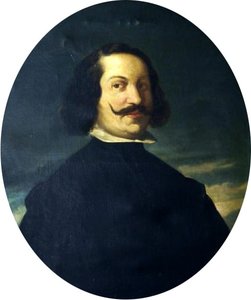
Хуан Де Валдес Леал
1622 - 1690 , Србија
Osnovne informacije
- Artistic Movement Or Style: Barokno slikarstvo
- Artists Or Movements Influenced By This Artist: ['Bartolomé Murillo']
- Artists Who Influenced This Artist: ['Antonio del Kastiljo']
- Date Of Birth: 4. maj 1622.
- Date Of Death: 15. oktobar 1690.
- Full Name: Juan de Nisa Valdés Leal
- Nationality: Španac
- Notable Artworks:
- Istorija proroka Ilije
- Mučenje sv. Andreje
- Trijumf krsta
- Place Of Birth: Sevilja, Španija
Povezani članci
Juan de Valdés Leal: Baroque Realism, Memento Mori & Theatricality of Spanish Grief
Explore the powerful Baroque realism of Juan de Valdés Leal (1622-1690). Discover his somber masterpieces, iconic 'In Ictu Oculi', and profound explorations of mortality. Museum-quality reproductions available at ArtsDot.

Francisco Goya: 25 Remek-dela Španskog Majstora za Vaš Dom | ArtsDot
Istražite 25 remek-dela Francisca Goya, španskog slikara romantizma i impresionizma. Portreti, tamne slike & istorija umetnosti na ArtsDot.com! Kupite reprodukcije slika vrhunskog kvaliteta za dekoraciju enterijera. Otkrijte celu kolekciju online.

About Us
Discover our story! We bring world-class art into your life through expert curation, personalized creations, and free previews. Trusted by individuals and businesses since 2000.

Барокна драма: Уношење величине и емоција у савремене ентеријере
Откријте барокну драму и унесите величину у ваш ентеријер! ArtsDot нуди ручно насликане репродукције, персонализоване портрете и стручне консултације за љубитеље класичне уметности. Потражите савршено дело већ данас!

Barok Majstor dela: Top 10 Umjetničkih Remeka za Vaš Dom
Otkrijte 10 remek dela koja su definisala baroknu umetnost! Karavagio, Bernini i više – istražite priče iza ovih ikoničnih slika. Inspiracija za vaš dom? Pogledajte kolekciju na ArtsDot.com!

