

 Pregledaj u prostoru
 Pošalji
 Podeli
 Detalji o delu

 Преузми
 Slični predmeti
 Rendgenski snimak
 Slajdovi
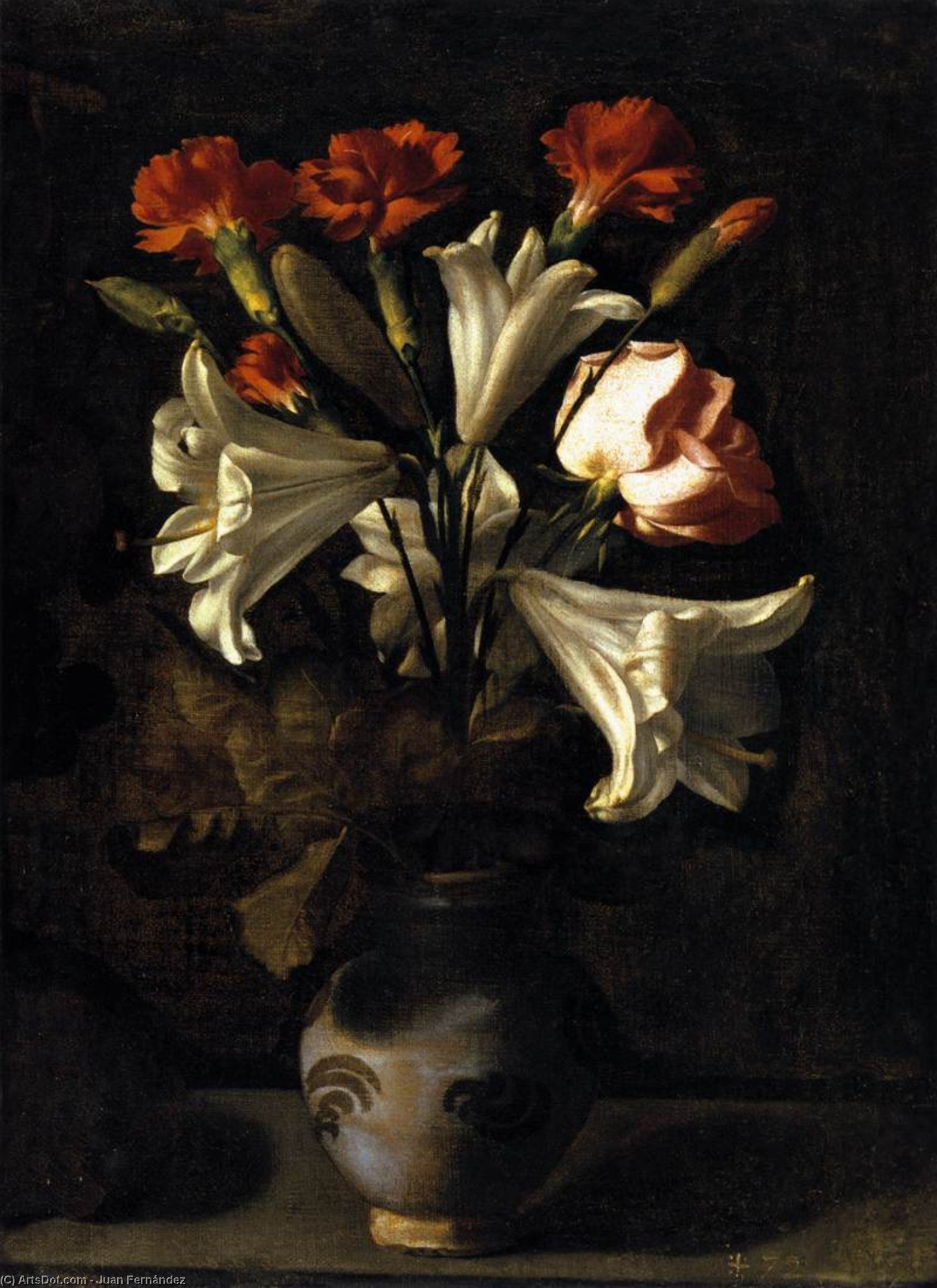
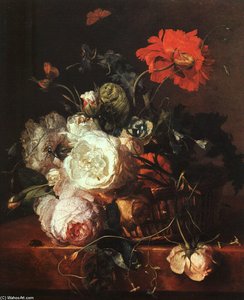
Vase of Flowers
 Oil On Canvas
- WallArt
- Baroque
 1635
1635- Early Modern
 44.0 x 34.0 cm
 Museo del Prado
 Pročitaj više
Kupite digitalnu sliku visoke rezolucije i poboljšanog kvaliteta, koja je znatno superiornija od onoga što vidite u online prikazu.
Svaka datoteka je pedantno pripremljena od strane naših stručnjaka koristeći napredne alate i profesionalnu ručnu retušu. Osiguravamo da svaka slika ima izuzetnu oštrinu, preciznu reprodukciju boja i fine detalje.
Konačna datoteka se dostavlja putem e-pošte u roku od 72 sata, optimizovana za neposrednu upotrebu u profesionalnim, izdavačkim i štamparskim okruženjima. To je isti kvalitet kojem veruju vrhunski studiji dizajna, izdavači i galerije.
Digitalna slika
Preuzmite datoteku visoke rezolucije za ličnu upotrebu, štampanje i kreativne projekte. ( Kupi print Kupi ručno naslikanu sliku)
Uključeno uz svaku porudžbinu digitalne slike
Profesionalna digitalna isporuka, zagarantovana
Kada odaberete ArtsDot.com, ne dobijate samo sliku – vi primate profesionalno unapređeno digitalno umetničko delo, izrađeno sa najvećom preciznošću i uz garanciju zadovoljstva. Evo svega što automatski dolazi uz vašu porudžbinu:

Brza dostava putem e-pošte
Vaša digitalna slika visoke rezolucije biće vam poslata putem e-pošte u roku od 72 sata od poručivanja – spremna za trenutnu upotrebu.

Digitalna datoteka unapređena veštačkom inteligencijom
Vaše umetničko delo je profesionalno optimizovano korišćenjem naprednih AI alata i ručne obrade, čime se osiguravaju maksimalni detalji, oštrina i preciznost boja.

Besplatna ponovna isporuka doživotno
Slučajno ste obrisali ili izgubili svoju datoteku? Ne brinite – poslaćemo vam je ponovo u bilo kom trenutku, potpuno besplatno.

Bez troškova uvoza – zauvek
Uživajte u svojim umetničkim delima trenutno, bez carine, dažbina ili troškova dostave – digitalni download je uvek bez poreza.

Garancija vernosti boja
Uz pomoć profesionalnih alata i upravljanja bojama, osiguravamo da vaša digitalna slika što vernije odražava originalne boje.

Garancija zadovoljstva od 100 dana
Ako niste zadovoljni svojom digitalnom slikom, izvršićemo reviziju ili ćemo vam vratiti 100% novca u roku od 100 dana – bez ikakvih pitanja.

100% garancija povrata novca
Niste zadovoljni? Dobijte puni povraćaj novca u roku od 100 dana od prijema digitalne datoteke – bez suvišnih pitanja.

Popusti na velike porudžbine
Kupite 3 slike, uštedite 10% - Kupite 5 slika, uštedite 15% - Kupite 10+ slika, uštedite 20%. Odlično za kreativne projekte, galerije i agencije.
A Silent Master's Bloom: Exploring Juan Fernández Navarrete’s Vase of Flowers
Juan Fernández Navarrete (1526–1579), affectionately known as “El Mudo” – meaning “The Silent” – stands as a remarkable enigma within the annals of Spanish Mannerist painting. Despite his reticent nature, documented primarily through his unwavering devotion to Philip II and the patronage afforded by El Escorial’s opulent palace complex, Navarrete achieved unparalleled renown for his masterful depictions of religious subjects, cementing his legacy as one of the era's most influential artists. This exquisite “Vase of Flowers,” executed around 1635, exemplifies his signature style—a breathtaking fusion of Italian Renaissance idealism and meticulous observation of natural detail—offering a glimpse into the artistic sensibilities of Spain’s Golden Age.The Essence of Mannerism: Bold Forms and Dramatic Light
Navarrete's oeuvre is characterized by Mannerist tendencies that diverge sharply from the serene harmonies championed by Raphael and Michelangelo. Rather than striving for idealized beauty, he embraced expressive distortion—a deliberate departure from classical proportions—to convey emotion and psychological depth. This vase exemplifies this approach brilliantly; the flowers themselves are rendered with exaggerated curves and contours, creating a dynamic visual rhythm that draws the eye across the canvas. Simultaneously, Navarrete employs dramatic chiaroscuro – intense contrasts between light and shadow – to sculpt the forms of the vase and blossoms, imbuing them with palpable volume and conveying a sense of ethereal luminescence. This technique wasn’t merely decorative; it served as a cornerstone of Mannerist aesthetics, reflecting a preoccupation with capturing fleeting moments of beauty and conveying profound spiritual contemplation.A Symphony of Color: Warm Tones and Subtle Depth
The palette employed in “Vase of Flowers” is remarkably restrained yet profoundly evocative. Navarrete favors warm hues—primarily reds, yellows, and browns—that dominate the composition, creating a comforting visual atmosphere reminiscent of candlelight. However, he avoids flat coloration, layering pigments with painstaking precision to achieve subtle gradations of tone and texture. This meticulous attention to detail extends beyond mere surface appearance; it’s evident in the delicate rendering of petal surfaces and the velvety sheen imparted by varnish—a technique common during Navarrete's time that enhances the vibrancy of color and contributes to the overall illusionistic depth of the painting. The artist skillfully utilizes glazing – applying thin layers of translucent pigment over underlying colors – to build up luminosity and create a captivating interplay between light and shadow, mirroring the natural world with remarkable accuracy.El Escorial’s Legacy: Symbolism Rooted in Faith
“Vase of Flowers” resides within El Escorial, Philip II's monumental palace complex commissioned as a testament to royal piety and commemorating the victory at Toro. The vase itself is laden with symbolic significance—flowers traditionally associated with purity, resurrection, and divine grace—reflecting the prevailing religious fervor of the period. Navarrete’s deliberate placement of the flowers within the vase underscores the importance of contemplation and reverence for God's creation. Furthermore, the ornate design of the vase – featuring a stylized face – aligns with Mannerist artistic conventions that sought to infuse inanimate objects with human emotion and spiritual resonance. This stylistic choice reinforces the painting’s overarching message: an invitation to appreciate the beauty of God’s handiwork and to embrace faith as a path toward enlightenment.A Timeless Impression: Capturing Fleeting Beauty
Ultimately, Navarrete's “Vase of Flowers” transcends mere representation; it aspires to capture the essence of beauty itself—a fleeting moment frozen in time—much like the blossoms depicted within its frame. The artist’s masterful command of technique—combined with his profound understanding of Mannerist principles—results in a painting that continues to captivate viewers centuries later. It stands as an enduring emblem of Spanish artistic excellence and serves as a poignant reminder of the transformative power of art to inspire contemplation and elevate the human spirit. Its quiet grandeur, bathed in warm light and imbued with symbolic depth, embodies the silent mastery of Juan Fernández Navarrete—a true testament to the enduring legacy of Mannerist painting.Srodna umetnička dela



Biografija umetnika
The Silent Master of the Spanish Golden Age
In the grand, echoing halls of Spain’s architectural marvels, the name Juan Fernández Navarrete resonates with a quiet but profound power. Known to history by the evocative moniker “El Mudo”—The Mute—Navarrete lived a life defined by a unique sensory experience. An illness in his infancy had robbed him of his hearing, a condition that rendered him unable to speak but gifted him with an extraordinary visual vocabulary. Where words failed, his charcoal sketches and vibrant pigments spoke, allowing him to communicate the divine through the language of light and form. Born around 1526, likely in Logroño, his journey from a silent child expressing needs through sketches to a celebrated court painter is one of the most compelling narratives of the Spanish Renaissance.
Navarrete’s artistic evolution was deeply intertwined with the movement of ideas across Europe. While his roots were firmly planted in the Spanish tradition, his spirit wandered through the great art centers of Italy. His early training under Cristóbal Muñoz Sánchez provided a sturdy classical foundation, yet it was his exposure to the masters of the Italian Renaissance that truly ignited his genius. As he traversed Naples, Rome, Florence, and Milan, he absorbed the sophisticated elegance of Mannerism. This stylistic choice—characterized by elongated figures, dramatic tension, and an intentional departure from strict naturalism—became the hallmark of his mature work. He did not merely copy the Italians; he translated their grace into a Spanish idiom that felt both spiritually urgent and aesthetically sublime.
A Devotion to El Escorial and the Divine
The zenith of Navarrete’s career was inextricably linked to the ambitions of Philip II. As a favored court artist, Navarrete dedicated eleven pivotal years to the decoration of El Escorial, the monumental palace-monastery that served as the spiritual heart of the Spanish Empire. Within this austere and magnificent complex, he breathed life into religious narratives, transforming cold stone walls into windows to the heavens. His work for the King was not merely decorative; it was an act of profound devotion. He utilized the expressive potential of Mannerism to create altarpieances and frescoes that commanded awe, employing a palette that could shift from the radiant, celestial glow seen in his Nativity to the somber, introspective shadows of his more penitential subjects.
His technical mastery allowed him to weave complex theological themes into visually arresting compositions. One can observe the lingering influence of Correggio in the soft, luminous light that seems to emanate from within his figures, and the structural elegance of Parmigianino in his stylized silhouettes. His ability to manipulate light—a technique known as chiaroscuro—served to heighten the emotional stakes of his religious scenes, making the miraculous feel tangibly present. Whether depicting the baptismal waters of Christ or the celestial visitation of angels to Abraham, Navarrete’s brush captured the tension between the earthly and the divine.
Legacy of a Silent Visionary
Though his life was cut short in 1579 at the age of approximately fifty-three, the impact of Juan Fernández Navarrete remains etched in the history of European art. He served as a vital conduit, helping to spread the sophisticated influences of the Italian Renaissance throughout the Iberian Peninsula, effectively shaping the trajectory of the Spanish Golden Age. His works, now preserved in prestigious institutions such as the Prado Museum and the National Gallery of Ireland, continue to captivate viewers with their rhythmic compositions and emotional depth.
The significance of Navarrete lies in his ability to transcend his physical silence to create a visual symphony. His legacy is found in:
- The Integration of Styles: Successfully blending Spanish piety with the sophisticated elegance of Italian Mannerism.
- Royal Patronage: Defining the aesthetic identity of Philip II’s most important architectural project, El Escorial.
- Spiritual Expression: Using dramatic lighting and stylized forms to communicate complex religious truths to a wide audience.
In the annals of art history, El Mudo stands as a testament to the power of perception. He proved that even without a voice, an artist can command the attention of kings and the devotion of the faithful, leaving behind a visual legacy that speaks across the centuries.
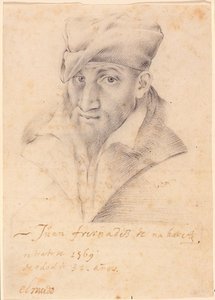
juan fernández de navarrete
1526 - 1579
Kratke činjenice
- Artistic Movement Or Style: Mannerism
- Artists Or Movements Influenced By This Artist: ['Italian Renaissance']
- Artists Who Influenced This Artist:
- Correggio
- Titian
- Date Of Birth: 1526
- Date Of Death: 1579
- Full Name: Juan Fernández Navarrete
- Nationality: Spanish
- Notable Artworks:
- Nativity
- Baptism of Christ
- Abraham Receiving the Three Angels
- Place Of Birth: Spain