

 Pregledaj u prostoru
 Pošalji
 Podeli
 Detalji o delu

 Преузми
 Slični predmeti
 Rendgenski snimak
 Slajdovi
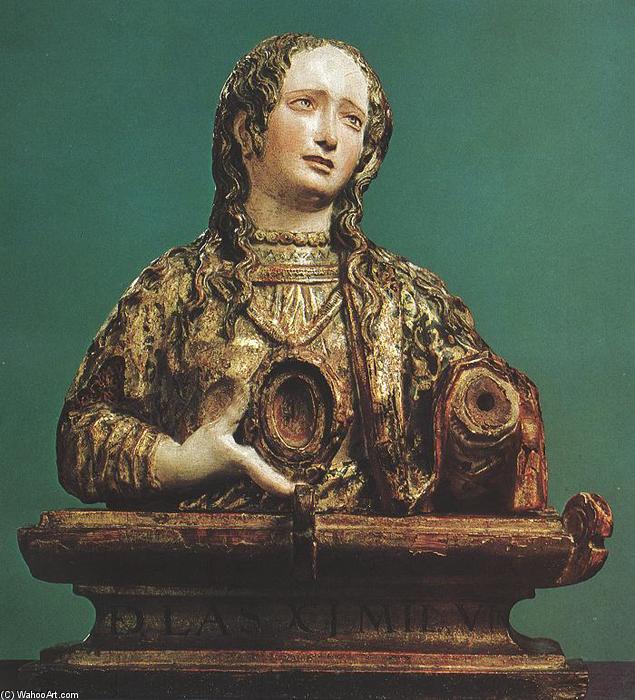
Жан Мартенес Монтанес: Бог Древа


 Pročitaj više
Kupite digitalnu sliku visoke rezolucije i poboljšanog kvaliteta, koja je znatno superiornija od onoga što vidite u online prikazu.
Svaka datoteka je pedantno pripremljena od strane naših stručnjaka koristeći napredne alate i profesionalnu ručnu retušu. Osiguravamo da svaka slika ima izuzetnu oštrinu, preciznu reprodukciju boja i fine detalje.
Konačna datoteka se dostavlja putem e-pošte u roku od 72 sata, optimizovana za neposrednu upotrebu u profesionalnim, izdavačkim i štamparskim okruženjima. To je isti kvalitet kojem veruju vrhunski studiji dizajna, izdavači i galerije.
Digitalna slika
Preuzmite datoteku visoke rezolucije za ličnu upotrebu, štampanje i kreativne projekte. ( Kupi print Kupi ručno naslikanu sliku)
Uključeno uz svaku porudžbinu digitalne slike
Profesionalna digitalna isporuka, zagarantovana
Kada odaberete ArtsDot.com, ne dobijate samo sliku – vi primate profesionalno unapređeno digitalno umetničko delo, izrađeno sa najvećom preciznošću i uz garanciju zadovoljstva. Evo svega što automatski dolazi uz vašu porudžbinu:

Brza dostava putem e-pošte
Vaša digitalna slika visoke rezolucije biće vam poslata putem e-pošte u roku od 72 sata od poručivanja – spremna za trenutnu upotrebu.

Digitalna datoteka unapređena veštačkom inteligencijom
Vaše umetničko delo je profesionalno optimizovano korišćenjem naprednih AI alata i ručne obrade, čime se osiguravaju maksimalni detalji, oštrina i preciznost boja.

Besplatna ponovna isporuka doživotno
Slučajno ste obrisali ili izgubili svoju datoteku? Ne brinite – poslaćemo vam je ponovo u bilo kom trenutku, potpuno besplatno.

Bez troškova uvoza – zauvek
Uživajte u svojim umetničkim delima trenutno, bez carine, dažbina ili troškova dostave – digitalni download je uvek bez poreza.

Garancija vernosti boja
Uz pomoć profesionalnih alata i upravljanja bojama, osiguravamo da vaša digitalna slika što vernije odražava originalne boje.

Garancija zadovoljstva u roku od 60 dana
Ako niste zadovoljni svojom digitalnom slikom, revidirat ćemo je ili vratiti 100% novca u roku od 60 dana – bez ikakvih pitanja.

100% garancija povrata novca
Niste zadovoljni? Obezbedite pun povrat novca u roku od 60 dana od trenutka kada ste primili svoju digitalnu datoteku – bez suvišnih pitanja.

Popusti na velike porudžbine
Kupite 3 slike, uštedite 10% - Kupite 5 slika, uštedite 15% - Kupite 10+ slika, uštedite 20%. Odlično za kreativne projekte, galerije i agencije.
Juan Martínez Montañés: El Dios de la Madera – A Masterpiece of Baroque Sculpture
Juan Martínez Montañés (1568-1649) stands as a monumental figure in Spanish Baroque sculpture, earning the moniker “El Dios de la Madera” (“The God of Wood”) due to his unparalleled mastery of wood carving and polychromy—techniques that elevated it beyond mere craftsmanship into an art form itself. His legacy extends far beyond individual masterpieces; he fundamentally redefined Baroque aesthetics and profoundly influenced subsequent generations of sculptors. This remarkable artist achieved fame during his lifetime, leaving behind a significant artistic output that continues to inspire awe and admiration today.Early Life & Training: Shaping Talent Under Roxas’s Influence
Montañés’s artistic journey began in Granada, where he studied under Pablo de Roxas, absorbing the stylistic nuances of Mannerism while simultaneously embracing emerging Baroque principles. This dual influence proved formative, equipping him with a sophisticated understanding of artistic tradition and preparing him to spearhead the Seville School of Sculpture. Roxas instilled in Montañés a meticulous attention to detail and an unwavering commitment to realism—qualities that would become hallmarks of his distinctive style.The Seville School & The Reign of Philip IV: A Patron’s Vision
Montañés established a prolific workshop in Seville, capitalizing on the flourishing artistic environment fostered by King Philip IV's patronage. This era witnessed a surge of creativity and innovation, driven by royal commissions aimed at glorifying the monarchy and celebrating Spanish grandeur. Montañés skillfully navigated this competitive landscape, securing prestigious projects that solidified his reputation as one of Spain’s foremost sculptors. Notably, he collaborated closely with Pietro Tacca on the monumental equestrian statue of Philip IV—a project that demanded exceptional technical skill and artistic vision.Technique & Innovation: Encarnación – Redefining Sculpture
Montañés revolutionized Baroque sculpture through his pioneering technique known as “encarnación.” This method involved meticulously modeling a wooden armature with extreme precision, achieving an astonishing level of anatomical accuracy—a feat previously unattainable. He skillfully applied gesso to create a smooth surface, followed by painstaking polychromy—the application of vibrant pigments—to imbue the sculptures with luminous color and textural richness. The result was breathtaking: figures imbued with palpable life and emotion, surpassing mere representation in their expressive power. This technique ensured that Montañés’s works would stand apart from his contemporaries for centuries to come.Iconic Works & Legacy: St Jerome at San Isidoro del Campo – A Testament to Artistic Genius
Perhaps Montañés's most celebrated achievement is the magnificent altar of St Jerome at San Isidoro del Campo, near Seville—a monumental sculpture that embodies the zenith of Baroque artistry. Completed in 1613, this masterpiece exemplifies Montañés’s mastery of encarnación and polychromy, showcasing an unparalleled level of realism and emotional depth. The statue captures St Jerome's contemplative gaze and serene posture with breathtaking fidelity, conveying a profound sense of spirituality and devotion. It remains a testament to Montañés’s genius—a symbol of Seville’s artistic heritage and a beacon of inspiration for sculptors worldwide. His influence continues to resonate through the art history canon, cementing his place as “El Dios de la Madera” – The God of Wood – and an undisputed champion of Baroque sculpture.Srodna umetnička dela



Biografija umetnika
Juan Martínez Montañés: The God of Wood
Juan Martínez Montañés (1568-1649) stands as a monumental figure in Spanish Baroque sculpture, earning the moniker “El Dios de la Madera” (“The God of Wood”) due to his unparalleled mastery of wood carving and polychromy—techniques that elevated it beyond mere craftsmanship into an art form itself. Born in Alcalá la Real, Jaén, Montañés’s formative years coincided with a period of artistic ferment in Seville, where he honed his skills under Pablo de Roxas before establishing a prolific workshop that would shape the visual landscape of Spain for decades to come. His legacy extends far beyond individual masterpieces; he fundamentally redefined Baroque aesthetics and profoundly influenced subsequent generations of sculptors.- Early Life & Training: Montañés’s artistic journey began in Granada, where he studied under Pablo de Roxas, absorbing the stylistic nuances of Mannerism while simultaneously embracing emerging Baroque principles. This dual influence would become a cornerstone of his distinctive artistic vision.
- Seville Workshop & Artistic Output: Montañés established a workshop in Seville around 1587, attracting talented assistants and producing an astonishing volume of sculptural works—estimated to be over 300 pieces—spanning altarpieces, funerary monuments, portraits, and decorative sculptures.
- Technique & Innovation: Montañés revolutionized wood sculpture through his innovative “encarnación” technique – a method of applying gesso (a plaster mixture) to wooden panels followed by meticulous polishing and gilding—creating surfaces that shimmered with gold leaf and achieved an astonishing level of realism.
Masterpieces & Notable Commissions
Montañés’s artistic reputation soared during his lifetime, fueled by commissions from prominent patrons and ecclesiastical institutions across Spain. His crowning achievement remains the Great Altar of St Jerome at San Isidoro del Campo near Seville (completed in 1613), a monumental testament to Baroque grandeur and considered one of the finest examples of polychromed wood sculpture ever created. This altar exemplifies Montañés’s meticulous attention to detail, dramatic lighting effects, and masterful use of color—characteristics that define his artistic style. Other significant commissions included altars at Santa Clara and San Miguel in Seville, as well as the Immaculate Conception and Christ Crucified for Seville Cathedral (1603), cementing his position as Seville's foremost sculptor. Notably, he undertook a portrait commission from Diego Velázquez, whose tutor had mentored him, resulting in an iconic depiction of Philip IV—a painting that captures not only royal likeness but also Montañés’s artistic sensibility and intellectual engagement.- The Great Altar of St Jerome: This masterpiece showcases Montañés's unparalleled skill in wood carving and polychromy, demonstrating his ability to convey emotion and spiritual depth through sculptural form.
- Cristo de la Clemencia: Commissioned in 1603, this sculpture exemplifies Montañés’s commitment to realism and dramatic composition—a hallmark of Baroque art.
- Philip IV Portrait by Velázquez: This portrait reflects Montañés's influence on Velázquez's artistic style and underscores the symbiotic relationship between two leading figures in Spanish Baroque culture.
Influence & Legacy
Juan Martínez Montañés’s impact extended beyond his own lifetime, shaping the artistic landscape of Spain and Latin America for centuries to come. His workshop produced a cadre of talented students who carried forward his stylistic innovations—particularly in wood carving and polychromy—establishing Seville as a center for Baroque sculpture. Furthermore, Montañés's meticulous realism and refined taste served as an inspiration for artists across Europe, influencing the development of sculptural techniques and aesthetic ideals. His enduring legacy resides not only in his monumental works but also in his contribution to the intellectual and artistic discourse of his era—a testament to his profound understanding of art history and his unwavering dedication to excellence.- Student Influence: Montañés’s workshop fostered a vibrant artistic community, nurturing the talents of Juan de Mesa y Velasco and Alonzo Martínez, who continued Montañés's stylistic traditions.
- European Impact: Montañés’s techniques and aesthetic sensibilities resonated throughout Europe, contributing to the broader evolution of Baroque sculpture across the continent.
Concluding Remarks
Juan Martínez Montañés remains an undisputed titan of Spanish Baroque art—a sculptor whose mastery of wood carving and polychromy elevated it to unparalleled heights of artistic achievement. His unwavering commitment to realism, combined with his impeccable taste and profound understanding of visual culture, secured his place as “El Dios de la Madera,” a title that encapsulates the essence of his extraordinary legacy and continues to inspire admiration for generations of art historians and enthusiasts alike.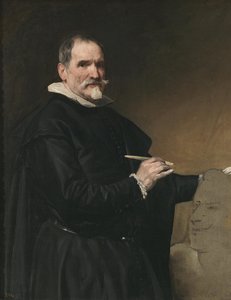
juan martínez montañés
1568 - 1649 , Spain
Kratke činjenice
- Artistic Movement Or Style: Baroque art
- Artists Or Movements Influenced By This Artist: ['Diego Velázquez']
- Artists Who Influenced This Artist: ['Pablo de Roxas']
- Date Of Birth: March 16, 1568
- Date Of Death: June 18, 1649
- Full Name: Juan Martínez Montañés
- Nationality: Spanish
- Notable Artworks:
- The Great Altar of St Jerome at San Isidoro del Campo
- Cristo de la Clemencia
- Portrait of the Sculptor
- Place Of Birth: Alcalá la Real, Spain

