

 Pregledaj u prostoru
 Pošalji
 Podeli
 Detalji o delu

 Преузми
 Slični predmeti
 Rendgenski snimak
 Slajdovi
Philip II


 Pročitaj više
Ručno rađena uljana reprodukcija
Ručno oslikano uljanim bojama na platnu u dimenzijama i okviru po vašem izboru, izrađeno po porudžbini od strane naših umetnika. ( Kupi print Kupi digitalnu sliku)




P118B $10

P118H $10

P118W $10

P438Z $10

P508JH $12

P508YH $12

P805H $10

P805Z $10

P919BZ $10

P919G $10

P919XJ $10

P959ZH $10

P968JZ $12

W106C $8

W218G $10

W218JH $8

W218Y $10

W307PJ $10

W316G $10

W316PJ $8

W316Y $10

W398PJ $8

W4111J $10

W500HY $15

W500JH $15

W692G $12

W849H $8

W940BG $15

W953PJ $8




Izaberite jednu od naših unapred definisanih veličina koje odgovaraju originalnim proporcijama umetničkog dela.

Можете унети сопствене димензије како бисте прилагодили дело одређеном оквиру или простору. Ако одабрана величина не одговара пропорцијама оригинала, слика ће бити исечена или проширена додатним елементима који се ручно насликавају. Дигитални prikaz ће вам бити послат на одобрење пре почетка производње.
Имајте на уму да преглед на екрану не одражава стварно исецање или проширење. Само приказ (mockup) ће тачно приказати коначну композицију.
Иако су доступне прилагођене величине, препоручујемо да одаберете димензију из дефинисане листе како бисте сачували оригиналне пропорције.
Nakon narudžbine, tim ArtsDot.com će klijentu putem e-pošte poslati uputstva i dostaviti prikaz predloženog rešenja
Isporuka širom sveta () za 3/4 nedelje umesto uobičajenih 5 nedelja. (4 септембар). Bez kompromisa po pitanju kvaliteta.

Besplatna ekspresna dostava širom sveta

Visokokvalitetno laneno platno

Kompletno osiguranje transporta

Garancija povraćaja carine i uvoznih dažbina

Garancija vernosti boja

Politika povrata u roku od 60 dana (samo u slučaju nedostataka)

Garancija povrata novca od 100%

Popust pri grupnoj kupovini
 Opcija sa staklom dostupna je samo za dimenzije manje od 110 cm

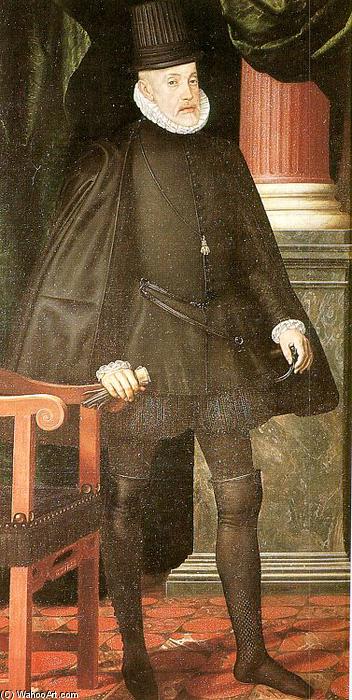
Philip II
Tehnika reprodukcije
Dimenzije reprodukcije
-


Konačna cena
$ 263
A Regal Portrait of Power: Juan Pantoja de la Cruz's "Philip II"
Juan Pantoja de la Cruz’s portrait of Philip II, a figure shrouded in the grandeur and political complexities of 16th-century Spain, is more than just a likeness; it’s a carefully constructed statement about power, piety, and the evolving visual language of royal representation. Painted during the height of the Habsburg dynasty, this work offers a rare glimpse into the mind of a king grappling with immense responsibilities – defending Catholicism against Protestantism, expanding an empire across continents, and navigating the intricate web of European alliances. The painting’s enduring appeal lies not only in its technical mastery but also in the subtle psychological depth it reveals, inviting viewers to contemplate the weight of leadership and the carefully cultivated image of a divinely appointed sovereign.

The Anatomy of Authority: Style and Technique
De la Cruz’s style is firmly rooted in the Spanish Mannerism that dominated court portraiture during Philip II's reign, yet he possesses a unique sensibility. The composition is strikingly formal – the king stands rigidly upright, his posture conveying an aura of unwavering authority. The palette is deliberately restrained, dominated by deep blacks, rich browns, and subtle hints of crimson and gold, creating a sense of solemnity and gravitas. This dark background serves to accentuate the figure of Philip II, drawing attention to his meticulously rendered attire and facial features. The artist’s use of light and shadow – a technique known as *chiaroscuro* – is masterful, sculpting the king's form with dramatic effect and emphasizing the textures of his velvet doublet, brocade sleeves, and elaborate fur-trimmed cape. The details are astonishingly precise: the intricate embroidery on the clothing, the glint of metal on the armor, even the subtle wrinkles around Philip’s eyes all contribute to a remarkable sense of realism.
De la Cruz's training under Alonso Sánchez Coello is evident in his meticulous attention to detail and his ability to convey a sense of dignified composure. However, unlike his predecessor, de la Cruz introduces a degree of psychological complexity into the portrait, hinting at the king’s inner thoughts and emotions through subtle shifts in expression. The slight furrow of his brow, the downward gaze, and the carefully controlled tension in his hands all suggest a man burdened by responsibility and acutely aware of the challenges he faces.
Symbolism and Context: A King's Image
The portrait is deeply embedded within the political and religious context of Philip II’s reign. The king’s attire – including the armor, the black cape, and the tall hat – are all symbols of his role as a warrior-king and defender of Catholicism. The inclusion of the gloves suggests a man accustomed to courtly rituals and diplomatic negotiations. The setting itself—a dark, almost monastic interior—reinforces the idea of Philip II as a figure of unwavering faith and devotion. It’s important to note that portraits during this period were not merely representations of individuals; they were carefully crafted propaganda tools designed to project an image of power, stability, and legitimacy. Philip II understood the importance of controlling his public image, and de la Cruz skillfully executed this task by presenting him as a figure of both regal authority and pious devotion.
Legacy and Reproduction: Bringing History to Life
Juan Pantoja de la Cruz’s “Philip II” stands as a pivotal work in the history of Spanish portraiture, influencing generations of artists who followed. His meticulous attention to detail, his masterful use of light and shadow, and his ability to convey psychological depth have ensured that this painting remains one of the most admired and studied portraits of the 16th century. Today, high-quality reproductions offer a remarkable opportunity to experience the artistry and historical significance of this iconic work. When selecting a reproduction, consider the materials used – archival quality canvas and inks are essential for preserving the colors and details of the original painting. A well-executed reproduction can transform any room into a space filled with history, beauty, and the enduring legacy of one of Spain’s greatest monarchs.
Srodna umetnička dela
Biografija umetnika
A Master of Spanish Majesty: The Life and Art of Juan Pantoja de la Cruz
Juan Pantoja de la Cruz, born in Valladolid in 1553, stands as a pivotal figure in the evolution of Spanish portraiture during the Golden Age. Though often overshadowed by later masters like Velázquez, Pantoja’s contribution to establishing a distinctly Spanish visual language for royal power and aristocratic presence is undeniable. His career unfolded primarily within the courts of Philip II and Philip III, demanding an artistic approach that balanced regal formality with subtle psychological insight. Little is known about his early training beyond his apprenticeship under Alonso Sánchez Coello, the court painter to Philip II, a formative experience that instilled in him the meticulous detail and dignified composure characteristic of Spanish royal portraiture. He likely assisted Coello in fulfilling the constant demand for images of the king, absorbing the techniques and conventions of representing power through paint. Upon Coello’s death in 1588, Pantoja seamlessly assumed his master's workshop and position, becoming a central figure in shaping the visual identity of the Spanish monarchy.The Court Painter: Duty, Detail, and Defining a Dynasty
Pantoja de la Cruz’s artistic life was inextricably linked to the demands of the court. He wasn’t merely recording likenesses; he was crafting symbols of authority and lineage. His portraits weren't intended as intimate glimpses into personality but rather as carefully constructed representations of status, power, and divine right. The portrait of Philip II in black, painted around 1594 for the Escorial, exemplifies this approach. It’s a masterful study in somber dignity, where the king is presented not as an individual but as an almost remote embodiment of Spanish majesty. The stark contrast between the dark attire and pale complexion, combined with the rigid pose, conveys a sense of unassailable authority. This wasn't simply about capturing physical resemblance; it was about constructing an image that reinforced the ideological foundations of the monarchy. Pantoja’s workshop became a prolific engine for producing these state portraits, often relying on assistants to manage the sheer volume of commissions. He painted Prince Philip (the future Philip III) multiple times, carefully documenting his transition from heir apparent to king. Beyond royalty, he also portrayed members of the high aristocracy, solidifying his reputation as the premier portraitist of his time.Beyond Portraits: Religious Works and Artistic Versatility
While celebrated for his portraits, Pantoja de la Cruz was a versatile artist who engaged with various genres. Commissioned by Queen Margaret of Austria, wife of Philip III, he produced numerous religious works. These paintings often incorporated portraits of members of the royal family as secondary figures, subtly reinforcing their piety and connection to divine grace. The Birth of the Virgin, painted in 1603, is a prime example, featuring the Queen’s mother amongst the attending figures. This practice wasn't merely decorative; it served to integrate the monarchy into religious narratives, bolstering its legitimacy. Though few survive today, Pantoja also experimented with still lifes and frescoes, demonstrating his willingness to explore emerging artistic trends. Contemporary accounts suggest he was highly regarded as an animal painter, a skill that added another layer of realism and detail to his compositions. His range extended beyond the confines of courtly commissions, revealing a genuine curiosity and adaptability as an artist.Legacy and Historical Significance
For centuries, Pantoja de la Cruz’s work was often dismissed by art historians prejudiced against non-Italian artistic traditions. He was labeled “uninspired” and “dull,” despite his undeniable technical skill and productivity. However, modern scholarship has begun to reassess his contribution, recognizing him as a crucial link in the development of Spanish portraiture. His compositional formulas, particularly his use of stark lighting and formal posing, directly influenced later masters like Diego Velázquez. While Velázquez ultimately surpassed Pantoja in psychological depth and painterly innovation, he built upon the foundations laid by his predecessor. Pantoja’s meticulous attention to detail, his ability to convey status through visual cues, and his mastery of geometric abstraction all contributed to a distinctly Spanish aesthetic that resonated throughout the 17th century. He represents one of the highest points in Mannerism within the context of portrait painting, skillfully blending Italianate influences with uniquely Spanish sensibilities. His work remains a testament to the power of art to shape perceptions of authority and define an era.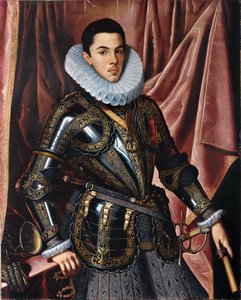
Juan Pantoja de la Cruz
1553 - 1608 , Spain
Osnovne informacije
- Artistic Movement Or Style: Mannerism
- Artists Or Movements Influenced By This Artist: ['Diego Velázquez']
- Artists Who Influenced This Artist:
- Alonso Sánchez Coello
- Antonis Mor
- Titian
- Date Of Birth: 1553
- Date Of Death: 1608
- Full Name: Juan Pantoja de la Cruz
- Nationality: Spanish
- Notable Artworks:
- Philip II portrait
- Philip III portrait
- Birth of the Virgin
- Place Of Birth: Valladolid, Spain
Povezani članci

Francisco Goya: 25 Remek-dela Španskog Majstora za Vaš Dom | ArtsDot
Istražite 25 remek-dela Francisca Goya, španskog slikara romantizma i impresionizma. Portreti, tamne slike & istorija umetnosti na ArtsDot.com! Kupite reprodukcije slika vrhunskog kvaliteta za dekoraciju enterijera. Otkrijte celu kolekciju online.
Águeda Ruiz de la Prada: A Study of Eclecticism & Emotional Resonance in Contemporary Spanish Painting
Discover the vibrant world of Ágatha Ruiz de la Prada, a leading figure in contemporary Spanish art. Explore her eclectic style, emotional depth & legacy – a must-read for discerning collectors.

About Us
Discover our story! We bring world-class art into your life through expert curation, personalized creations, and free previews. Trusted by individuals and businesses since 2000.
Maurice Quentin de La Tour: Light, Shadow & the Rococo Portrait
Explore the captivating world of Maurice Quentin de La Tour, a master of Rococo portraiture. Discover his innovative pastel techniques, intimate depictions of French aristocracy, and lasting artistic legacy. Learn more at ArtsDot.
Georges de La Tour: Luminosity, Spirituality & Realism in Baroque Painting
Discover the captivating world of Georges de La Tour, a Baroque master renowned for his dramatic chiaroscuro & spiritual realism. Explore key works, influences, and his remarkable rediscovery. Learn more at ArtsDot.

