

 Pregledaj u prostoru
 Pošalji
 Podeli
 Detalji o delu

 Преузми
 Slični predmeti
 Rendgenski snimak
 Slajdovi
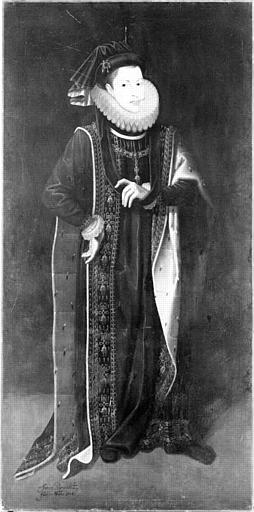
PORTRAIT DE PHILIPPE III


 Pročitaj više
Ručno rađena uljana reprodukcija
Ručno oslikano uljanim bojama na platnu u dimenzijama i okviru po vašem izboru, izrađeno po porudžbini od strane naših umetnika. ( Kupi print Kupi digitalnu sliku)




P118B $10

P118H $10

P118W $10

P438Z $10

P508JH $12

P508YH $12

P805H $10

P805Z $10

P919BZ $10

P919G $10

P919XJ $10

P959ZH $10

P968JZ $12

W106C $8

W218G $10

W218JH $8

W218Y $10

W307PJ $10

W316G $10

W316PJ $8

W316Y $10

W398PJ $8

W4111J $10

W500HY $15

W500JH $15

W692G $12

W849H $8

W940BG $15

W953PJ $8




Izaberite jednu od naših unapred definisanih veličina koje odgovaraju originalnim proporcijama umetničkog dela.

Можете унети сопствене димензије како бисте прилагодили дело одређеном оквиру или простору. Ако одабрана величина не одговара пропорцијама оригинала, слика ће бити исечена или проширена додатним елементима који се ручно насликавају. Дигитални prikaz ће вам бити послат на одобрење пре почетка производње.
Имајте на уму да преглед на екрану не одражава стварно исецање или проширење. Само приказ (mockup) ће тачно приказати коначну композицију.
Иако су доступне прилагођене величине, препоручујемо да одаберете димензију из дефинисане листе како бисте сачували оригиналне пропорције.
Nakon narudžbine, tim ArtsDot.com će klijentu putem e-pošte poslati uputstva i dostaviti prikaz predloženog rešenja
Isporuka širom sveta () za 3/4 nedelje umesto uobičajenih 5 nedelja. (4 септембар). Bez kompromisa po pitanju kvaliteta.

Besplatna ekspresna dostava širom sveta

Visokokvalitetno laneno platno

Kompletno osiguranje transporta

Garancija povraćaja carine i uvoznih dažbina

Garancija vernosti boja

Politika povrata u roku od 60 dana (samo u slučaju nedostataka)

Garancija povrata novca od 100%

Popust pri grupnoj kupovini
 Opcija sa staklom dostupna je samo za dimenzije manje od 110 cm

PORTRAIT DE PHILIPPE III
Tehnika reprodukcije
Dimenzije reprodukcije
-


Konačna cena
$ 263
A Regal Presence: Unveiling the Majesty of Pantoja’s Philippe III
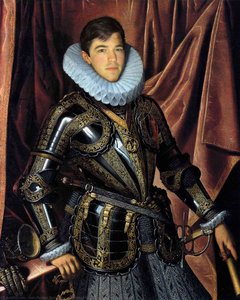
Juan Pantoja de la Cruz's “Portrait of Philippe III” isn’t merely a depiction of a king; it’s a carefully constructed embodiment of power, authority, and the enduring legacy of Renaissance Spain. Painted in 1606 during the reign of Philip III, this oil-on-canvas masterpiece transcends the simple act of portraiture, offering a profound glimpse into the political and artistic sensibilities of its time. The painting immediately commands attention with its formal composition – a central figure dominating the frame, radiating an aura of dignified control. Pantoja masterfully employs techniques borrowed from earlier Mannerist painters like Alonso Sánchez Coello, his apprenticeship evident in the meticulous detail and subtle shading that imbue the portrait with remarkable realism.
- Formal Composition: The centered figure establishes a sense of stability and importance.
- Drapery: The flowing robes aren’t just decorative; they contribute to the overall impression of wealth, status, and the weight of royal responsibility.
- Color Palette: The predominantly monochrome palette – shades of gray, brown, and black – reinforces the solemnity and gravitas associated with a monarch.
The Language of Power: Symbolism in Detail
Beyond its formal structure, “Portrait of Philippe III” is rich in symbolic elements that speak to the complexities of royal power. The clasped hands, a recurring motif in Renaissance portraiture, are not simply a gesture of composure; they represent authority, control, and the burden of leadership. The elaborate ruff, a symbol of wealth and status during this period, further emphasizes Philippe’s position within the Spanish court. Notice also the subtle details – the carefully rendered embroidery on his garments, the precise lines of his face – all meticulously crafted to project an image of impeccable dignity and refinement. The somber lighting, originating from above and slightly to the left, casts gentle shadows that accentuate the figure's form and contribute to a sense of seriousness and formality.
The choice of monochrome is particularly significant, evoking the austerity and solemnity associated with royal portraits while simultaneously highlighting the richness of the subject’s attire and the intricate details of his clothing.A Master at Work: Pantoja's Technique and Context
Juan Pantoja de la Cruz was a pivotal figure in the development of Spanish portraiture during the Golden Age, building upon the foundations laid by earlier masters like Sánchez Coello. His work reflects both the influence of Italian Renaissance art – particularly the emphasis on realistic depiction and idealized beauty – and the distinctive stylistic conventions of Spanish painting. Pantoja’s skill lies not only in his technical proficiency but also in his ability to capture the psychological depth of his subjects, imbuing them with a sense of presence and character. The portrait's smooth surfaces and subtle gradations of tone suggest an oil-painting technique characterized by careful layering and blending of colors – a testament to Pantoja’s mastery of light and shadow.
Historical Resonance: Philip III and the Spanish Court
“Portrait of Philippe III” offers a window into the world of 17th-century Spain, a nation at the height of its imperial power. Philip III's reign (1598–1621) was marked by both prosperity and political instability, including conflicts with England and the Netherlands. The portrait itself serves as a powerful symbol of Spanish authority – a visual representation of the king’s strength, wisdom, and commitment to upholding the traditions of the Habsburg dynasty. Further research reveals that Pantoja de la Cruz worked primarily within the courts of Philip II and Philip III, fulfilling a constant demand for images of the King, reflecting his role as a central figure in Spanish society and politics. The painting’s creation coincided with a period of significant artistic innovation and cultural flourishing in Spain, making it a valuable artifact for understanding the nation's rich artistic heritage.
Srodna umetnička dela
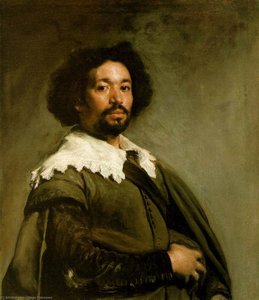
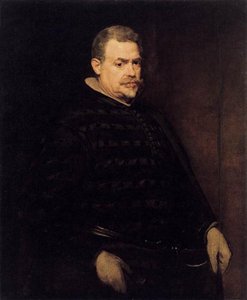
Biografija umetnika
A Master of Spanish Majesty: The Life and Art of Juan Pantoja de la Cruz
Juan Pantoja de la Cruz, born in Valladolid in 1553, stands as a pivotal figure in the evolution of Spanish portraiture during the Golden Age. Though often overshadowed by later masters like Velázquez, Pantoja’s contribution to establishing a distinctly Spanish visual language for royal power and aristocratic presence is undeniable. His career unfolded primarily within the courts of Philip II and Philip III, demanding an artistic approach that balanced regal formality with subtle psychological insight. Little is known about his early training beyond his apprenticeship under Alonso Sánchez Coello, the court painter to Philip II, a formative experience that instilled in him the meticulous detail and dignified composure characteristic of Spanish royal portraiture. He likely assisted Coello in fulfilling the constant demand for images of the king, absorbing the techniques and conventions of representing power through paint. Upon Coello’s death in 1588, Pantoja seamlessly assumed his master's workshop and position, becoming a central figure in shaping the visual identity of the Spanish monarchy.The Court Painter: Duty, Detail, and Defining a Dynasty
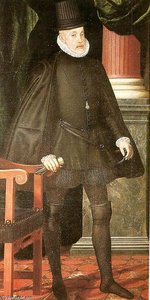
Pantoja de la Cruz’s artistic life was inextricably linked to the demands of the court. He wasn’t merely recording likenesses; he was crafting symbols of authority and lineage. His portraits weren't intended as intimate glimpses into personality but rather as carefully constructed representations of status, power, and divine right. The portrait of Philip II in black, painted around 1594 for the Escorial, exemplifies this approach. It’s a masterful study in somber dignity, where the king is presented not as an individual but as an almost remote embodiment of Spanish majesty. The stark contrast between the dark attire and pale complexion, combined with the rigid pose, conveys a sense of unassailable authority. This wasn't simply about capturing physical resemblance; it was about constructing an image that reinforced the ideological foundations of the monarchy. Pantoja’s workshop became a prolific engine for producing these state portraits, often relying on assistants to manage the sheer volume of commissions. He painted Prince Philip (the future Philip III) multiple times, carefully documenting his transition from heir apparent to king. Beyond royalty, he also portrayed members of the high aristocracy, solidifying his reputation as the premier portraitist of his time.Beyond Portraits: Religious Works and Artistic Versatility
While celebrated for his portraits, Pantoja de la Cruz was a versatile artist who engaged with various genres. Commissioned by Queen Margaret of Austria, wife of Philip III, he produced numerous religious works. These paintings often incorporated portraits of members of the royal family as secondary figures, subtly reinforcing their piety and connection to divine grace. The Birth of the Virgin, painted in 1603, is a prime example, featuring the Queen’s mother amongst the attending figures. This practice wasn't merely decorative; it served to integrate the monarchy into religious narratives, bolstering its legitimacy. Though few survive today, Pantoja also experimented with still lifes and frescoes, demonstrating his willingness to explore emerging artistic trends. Contemporary accounts suggest he was highly regarded as an animal painter, a skill that added another layer of realism and detail to his compositions. His range extended beyond the confines of courtly commissions, revealing a genuine curiosity and adaptability as an artist.Legacy and Historical Significance
For centuries, Pantoja de la Cruz’s work was often dismissed by art historians prejudiced against non-Italian artistic traditions. He was labeled “uninspired” and “dull,” despite his undeniable technical skill and productivity. However, modern scholarship has begun to reassess his contribution, recognizing him as a crucial link in the development of Spanish portraiture. His compositional formulas, particularly his use of stark lighting and formal posing, directly influenced later masters like Diego Velázquez. While Velázquez ultimately surpassed Pantoja in psychological depth and painterly innovation, he built upon the foundations laid by his predecessor. Pantoja’s meticulous attention to detail, his ability to convey status through visual cues, and his mastery of geometric abstraction all contributed to a distinctly Spanish aesthetic that resonated throughout the 17th century. He represents one of the highest points in Mannerism within the context of portrait painting, skillfully blending Italianate influences with uniquely Spanish sensibilities. His work remains a testament to the power of art to shape perceptions of authority and define an era.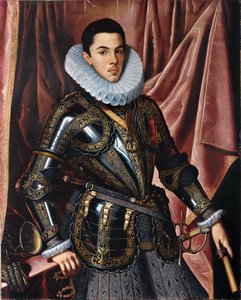
Juan Pantoja de la Cruz
1553 - 1608 , Spain
Osnovne informacije
- Artistic Movement Or Style: Mannerism
- Artists Or Movements Influenced By This Artist: ['Diego Velázquez']
- Artists Who Influenced This Artist:
- Alonso Sánchez Coello
- Antonis Mor
- Titian
- Date Of Birth: 1553
- Date Of Death: 1608
- Full Name: Juan Pantoja de la Cruz
- Nationality: Spanish
- Notable Artworks:
- Philip II portrait
- Philip III portrait
- Birth of the Virgin
- Place Of Birth: Valladolid, Spain
Povezani članci

Francisco Goya: 25 Remek-dela Španskog Majstora za Vaš Dom | ArtsDot
Istražite 25 remek-dela Francisca Goya, španskog slikara romantizma i impresionizma. Portreti, tamne slike & istorija umetnosti na ArtsDot.com! Kupite reprodukcije slika vrhunskog kvaliteta za dekoraciju enterijera. Otkrijte celu kolekciju online.
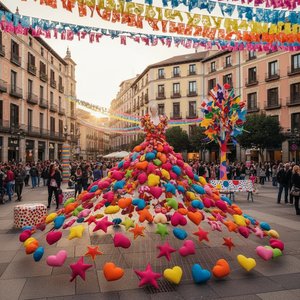
Águeda Ruiz de la Prada: A Study of Eclecticism & Emotional Resonance in Contemporary Spanish Painting
Discover the vibrant world of Ágatha Ruiz de la Prada, a leading figure in contemporary Spanish art. Explore her eclectic style, emotional depth & legacy – a must-read for discerning collectors.
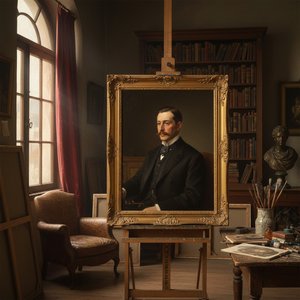
Rafael de Penagos: A Study in Spanish Portraiture & Artistic Identity
Explore the life & art of Rafael de Penagos, a leading Spanish Art Deco illustrator. Discover his iconic 'Penagos Woman', commercial work, and lasting legacy. Learn about this pivotal figure in 20th-century Spanish art history.

About Us
Discover our story! We bring world-class art into your life through expert curation, personalized creations, and free previews. Trusted by individuals and businesses since 2000.
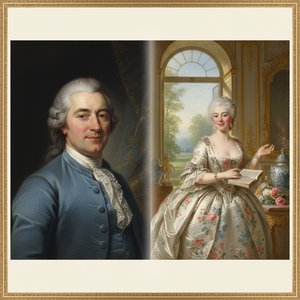
Maurice Quentin de La Tour: Light, Shadow & the Rococo Portrait
Explore the captivating world of Maurice Quentin de La Tour, a master of Rococo portraiture. Discover his innovative pastel techniques, intimate depictions of French aristocracy, and lasting artistic legacy. Learn more at ArtsDot.

