

 Pregledaj u prostoru
 Pošalji
 Podeli
 Detalji o delu

 Преузми
 Slični predmeti
 Rendgenski snimak
 Slajdovi
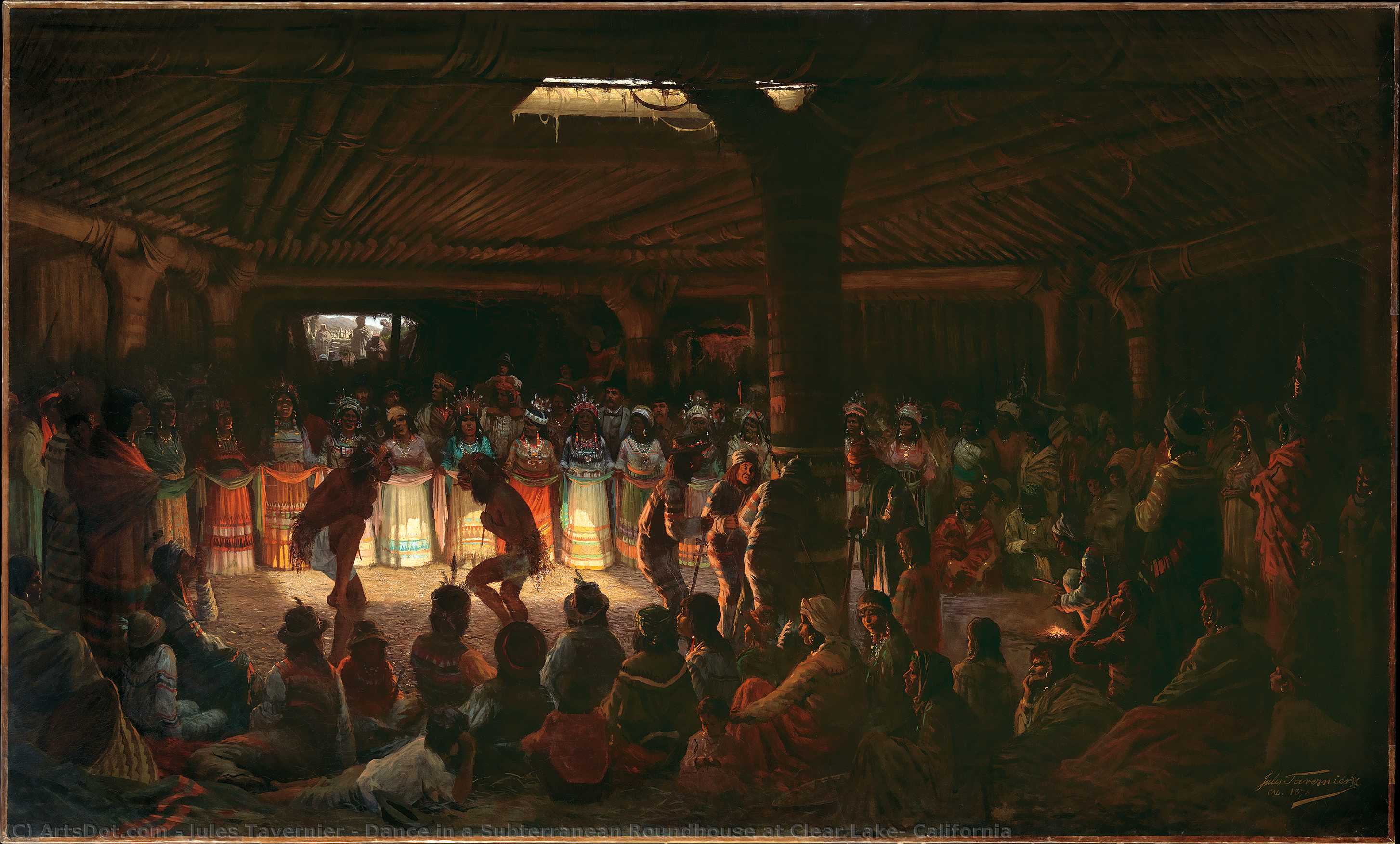
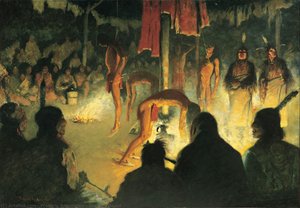
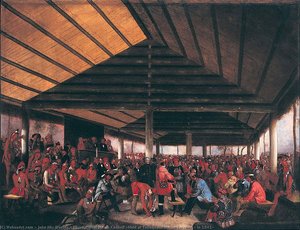
Dance in a Subterranean Roundhouse at Clear Lake, California
 Acrylic On Canvas
- WallArt
- American Realism
 1878
1878- 19th Century
 122.0 x 184.0 cm
 Metropolitan Museum of Art
 Pročitaj više
Giclee štampa / Umetnički otisak
Giclée štampa ili print na platnu muzejskog kvaliteta uz brzu proizvodnju i fleksibilne opcije završne obrade. ( Kupi ručno naslikanu sliku Kupi digitalnu sliku)




P118B $10

P118H $10

P118W $10

P438Z $10

P508JH $12

P508YH $12

P805H $10

P805Z $10

P919BZ $10

P919G $10

P919XJ $10

P959ZH $10

P968JZ $12

W106C $8

W218G $10

W218JH $8

W218Y $10

W307PJ $10

W316G $10

W316PJ $8

W316Y $10

W398PJ $8

W4111J $10

W500HY $15

W500JH $15

W692G $12

W849H $8

W940BG $15

W953PJ $8




Izaberite jednu od naših unapred definisanih veličina koje odgovaraju originalnim proporcijama umetničkog dela.

Možete uneti sopstvene dimenzije kako biste umetničko delo prilagodili specifičnom okviru ili prostoru. Ako odabrani format ne odgovara proporcijama originalne slike, mi ćemo ili iscrtati deo dela ili proširiti sliku pomoću ogledane ivice ili jednobojnog popunjavanja. Digitalni prikaz će vam biti poslat na odobrenje pre početka proizvodnje.
Imajte na umu da pregled na ekranu ne odražava stvarno iscrtavanje ili proširivanje. Samo će prikaz (mockup) precizno pokazati finalnu kompoziciju.
Iako su prilagođene dimenzije dostupne, preporučujemo da odaberete dimenziju sa unapred definisane liste kako biste očuvali originalne proporcije.
Dostava širom sveta () za 2 nedelje umesto uobičajenih 4/5 nedelja. (23 август)

Besplatna ekspresna dostava širom sveta

Visokokvalitetno laneno platno

Kompletno osiguranje transporta

Garancija povraćaja carine i uvoznih dažbina

Garancija vernosti boja

Politika povrata u roku od 60 dana (samo u slučaju nedostataka)

Garancija povrata novca od 100%

Popust pri grupnoj kupovini
 Opcija sa staklom dostupna je samo za dimenzije manje od 110 cm

Dance in a Subterranean Roundhouse at Clear Lake, California
Giclee štampa / Umetnički otisak
Dimenzije reprodukcije
-


Konačna cena
$ 62
Opis predmeta
A Glimpse into Pomo Ritual: Jules Tavernier’s Masterpiece
Jules Tavernier's “Dance in a Subterranean Roundhouse at Clear Lake, California” isn’t merely a painting; it’s a portal. Painted in 1878 during a pivotal moment of cultural exchange and encroaching Western influence, this work offers an intimate, almost voyeuristic view into the sacred practices of the Elem Pomo people of Northern California. Tavernier, a French-born artist who embraced the American West with an adventurous spirit, was commissioned by Tiburcio Parrott, a prominent banker, to document a ceremonial dance held within a xe-xwan – a subterranean roundhouse, symbolic of life’s cyclical nature and deeply connected to the earth. The painting transcends a simple depiction of a historical event; it's a poignant meditation on tradition, displacement, and the complex relationship between indigenous communities and the expanding forces of Western civilization.
Illumination and Intimacy: The Artistic Technique
Tavernier’s skill lies not just in his subject matter but also in his masterful execution. Rendered in rich oil paints on canvas measuring 122 x 184 cm, the painting is a testament to his technical prowess. He employs a dramatic chiaroscuro – a stark contrast between light and shadow – to create an atmosphere of both mystery and immediacy. The interior of the roundhouse is plunged into a dim, almost ethereal glow, suggesting the sacredness of the space and hinting at the rituals taking place within. The artist’s attention to detail is remarkable; from the intricate patterns woven into the dancers' garments to the subtle expressions on their faces, every element contributes to a sense of realism and authenticity. Tavernier’s use of color is equally compelling – earthy tones dominate, punctuated by flashes of vibrant red and ochre, mirroring the natural palette of the Pomo landscape and their ceremonial attire.
A Window into a Lost World: Historical Context
The painting was created during a period of profound transformation in California. The arrival of European settlers brought with it not only economic opportunity but also devastating consequences for indigenous populations. The Elem Pomo, like many other tribes, faced displacement, disease, and the systematic erosion of their traditional way of life. Tavernier’s commission by Tiburcio Parrott, a figure involved in the exploitation of California's mineral resources (including mercury mining), adds a layer of complexity to the work. The painting subtly critiques this encroachment, presenting a respectful depiction of Pomo culture while simultaneously acknowledging the looming threat posed by Western expansion. The inclusion of Parrott and his companions within the scene underscores the dynamic between observers and observed – a visual representation of the encounter that shaped California’s history.
Symbolism and Resonance: The Roundhouse as Life
The central image—the subterranean roundhouse itself—is profoundly symbolic. In Pomo cosmology, the xe-xwan represented the cyclical nature of life, death, and rebirth. Its circular form mirrored the earth’s shape and symbolized the interconnectedness of all things. The act of dancing within this space was believed to strengthen community bonds, honor ancestors, and ensure the continuity of cultural traditions. Tavernier's rendering of the roundhouse isn’t merely architectural; it’s a visual embodiment of Pomo spirituality – a reminder of their deep connection to the land and their enduring resilience in the face of adversity. The painting invites us to contemplate not just the dance itself, but also the profound significance of this sacred space and the cultural values it represents.
Srodna umetnička dela

Povezani članci

Grant Wood & American Regionalism: Identity, Myth & the Rural Landscape
Explore the world of Grant Wood & American Regionalism with ArtsDot. Discover the symbolism behind 'American Gothic', recurring themes, and the movement's lasting impact on art history. High-quality reproductions available.

Shadow Catcher: Edward S. Curtis & the Ethnographic Portraiture of a Vanishing West
Explore the life & work of Edward S. Curtis, the 'Shadow Catcher,' and his groundbreaking photographic documentation of Native American cultures. Discover iconic images from *The North American Indian* and a critical look at his lasting legacy.
George Catlin: Witnessing & Representing Indigenous Life on the American Frontier
Explore the captivating art of George Catlin, renowned for his vivid portraits & landscapes documenting Native American life on the frontier. Discover a vanishing world through stunning paintings and historical context.

James Otto Lewis: Navigating American Modernism Through Regional Identity & Stylistic Innovation
Explore the captivating portraits of James Otto Lewis, a pivotal figure bridging 19th-century realism & American Modernism. Discover his groundbreaking work documenting Native American culture and regional identity.

Charles Bird King: Capturing Native American Dignity Through Portraiture & Cultural Exchange
Explore the captivating portraits of Charles Bird King, renowned for his depictions of Native American leaders. Discover the historical context, artistic techniques, and collecting value of these significant 19th-century artworks.

