

 Pregledaj u prostoru
 Pošalji
 Podeli
 Detalji o delu

 Преузми
 Slični predmeti
 Rendgenski snimak
 Slajdovi
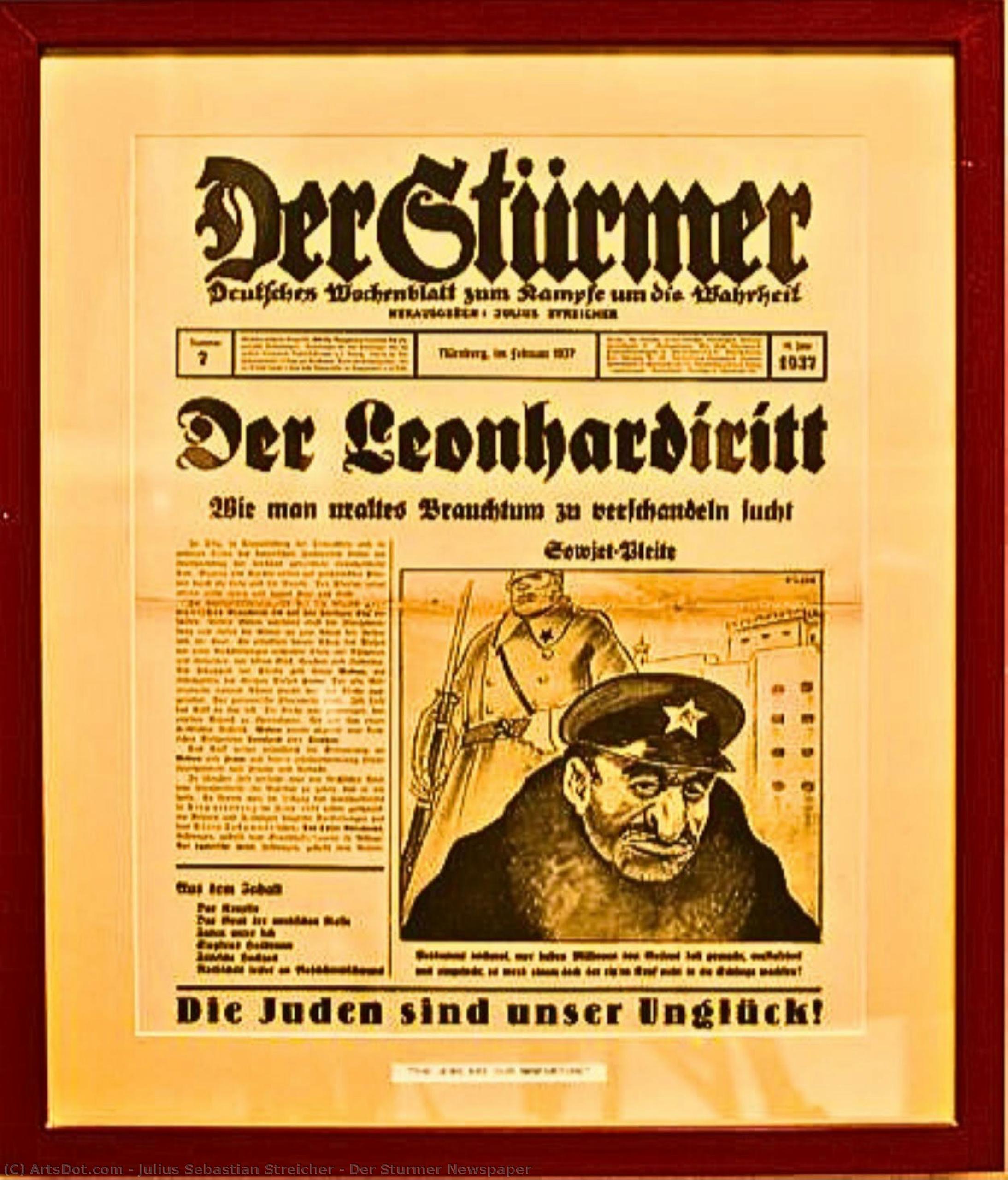
Der Sturmer Newspaper


 Pročitaj više
Kupite digitalnu sliku visoke rezolucije i poboljšanog kvaliteta, koja je znatno superiornija od onoga što vidite u online prikazu.
Svaka datoteka je pedantno pripremljena od strane naših stručnjaka koristeći napredne alate i profesionalnu ručnu retušu. Osiguravamo da svaka slika ima izuzetnu oštrinu, preciznu reprodukciju boja i fine detalje.
Konačna datoteka se dostavlja putem e-pošte u roku od 72 sata, optimizovana za neposrednu upotrebu u profesionalnim, izdavačkim i štamparskim okruženjima. To je isti kvalitet kojem veruju vrhunski studiji dizajna, izdavači i galerije.
Digitalna slika
Preuzmite datoteku visoke rezolucije za ličnu upotrebu, štampanje i kreativne projekte. ( Kupi print Kupi ručno naslikanu sliku)
Uključeno uz svaku porudžbinu digitalne slike
Profesionalna digitalna isporuka, zagarantovana
Kada odaberete ArtsDot.com, ne dobijate samo sliku – vi primate profesionalno unapređeno digitalno umetničko delo, izrađeno sa najvećom preciznošću i uz garanciju zadovoljstva. Evo svega što automatski dolazi uz vašu porudžbinu:

Brza dostava putem e-pošte
Vaša digitalna slika visoke rezolucije biće vam poslata putem e-pošte u roku od 72 sata od poručivanja – spremna za trenutnu upotrebu.

Digitalna datoteka unapređena veštačkom inteligencijom
Vaše umetničko delo je profesionalno optimizovano korišćenjem naprednih AI alata i ručne obrade, čime se osiguravaju maksimalni detalji, oštrina i preciznost boja.

Besplatna ponovna isporuka doživotno
Slučajno ste obrisali ili izgubili svoju datoteku? Ne brinite – poslaćemo vam je ponovo u bilo kom trenutku, potpuno besplatno.

Bez troškova uvoza – zauvek
Uživajte u svojim umetničkim delima trenutno, bez carine, dažbina ili troškova dostave – digitalni download je uvek bez poreza.

Garancija vernosti boja
Uz pomoć profesionalnih alata i upravljanja bojama, osiguravamo da vaša digitalna slika što vernije odražava originalne boje.

Garancija zadovoljstva od 100 dana
Ako niste zadovoljni svojom digitalnom slikom, izvršićemo reviziju ili ćemo vam vratiti 100% novca u roku od 100 dana – bez ikakvih pitanja.

100% garancija povrata novca
Niste zadovoljni? Dobijte puni povraćaj novca u roku od 100 dana od prijema digitalne datoteke – bez suvišnih pitanja.

Popusti na velike porudžbine
Kupite 3 slike, uštedite 10% - Kupite 5 slika, uštedite 15% - Kupite 10+ slika, uštedite 20%. Odlično za kreativne projekte, galerije i agencije.
Srodna umetnička dela





Biografija umetnika
A Shadow Over German Art and Propaganda
The name Julius Sebastian Streicher evokes a profound and unsettling tension between the delicate nuances of artistic expression and the darkest corridors of political manipulation. Born in 1885 in Fleißen, Bavaria, Streicher’s early life was shaped by a deep-seated passion for music and the meticulous discipline of classical training. As a student of piano at Leipzig University, he developed an ear for the expressive tonal qualities and intricate details that would later characterize his visual works. There is a haunting duality in his legacy; while his hands were capable of capturing the resonant beauty of a piano through paint, they were simultaneously used to orchestrate one of the most virulent propaganda machines in human history.
His artistic sensibilities were informed by the broader aesthetic movements of his era, absorbing the light-drenched textures of Impressionism and the psychological depth found in Symbolism. One can trace a lineage of influence from masters like Claude Monet and Edvard Munch through his early explorations of form and emotion. These works, particularly his notable piano depictions, suggest an artist preoccupied with the resonance of subject matter—a preoccupation that would take on a much more sinister dimension as his life moved away from the easel and toward the printing press.
The Instrument of Deception
The trajectory of Streicher’s life underwent a radical and catastrophic transformation in 1925 with the establishment of Der Stürmer. What began as a satirical publication aimed at mocking intellectuals soon evolved into a relentless mouthpiece for antisemitic fervor. Through his role as a publisher, Streicher mastered the art of psychological manipulation, utilizing sensationalized reporting and repetitive, inflammatory rhetoric to poison the cultural landscape of Germany. The very techniques of repetition and focus that might serve an artist in perfecting a composition were here weaponized to incite hatred and dehumanize entire populations.
As a member of the Nazi Party and the Gauleiter of Franconia, Streicher’s influence became inseparable from the machinery of the state. His publishing firm was not merely a tool for ideology but a highly successful commercial enterprise that made him a multimillionaire, proving how effectively propaganda could be intertwined with economic power. The tragedy of his career lies in this intersection: the ability to command public attention and shape perception—skills essential to any great communicator or artist—was directed toward the incitement of genocide.
Legacy and Historical Reckoning
The historical significance of Julius Sebastian Streicher cannot be viewed through a purely aesthetic lens; his life serves as a grim testament to how individual talent and influence can be harnessed for unimaginable evil. Following the collapse of the Nazi regime, Streicher was brought before the Nuremberg trials, where he became the first member of the Nazi leadership held accountable specifically for inciting genocide. His conviction for crimes against humanity underscored the profound danger of unchecked demagoguery and the lethal consequences of using media to foster hatred.
Ultimately, Streicher’s story remains a cautionary tale within the annals of history and art. He stands as a figure whose creative potential was entirely eclipsed by his role as a war criminal. To study his life is to grapple with the uncomfortable reality of how the tools of culture—journalism, music, and visual art—can be corrupted to serve the most abhorrent ideologies. His execution in 1946 marked the end of a life that had become a shadow over German history, leaving behind a legacy defined not by the beauty he could have created, but by the destruction he helped facilitate.
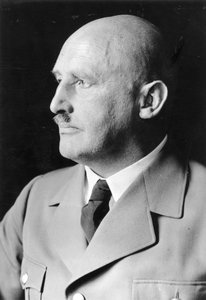
julius sebastian streicher
1885 - 1946 , Germany
Kratke činjenice
- Artistic Movement Or Style: Expressionism
- Artists Or Movements Influenced By This Artist: ['Der Stürmer']
- Artists Who Influenced This Artist: ['Gustav Klimt']
- Date Of Birth: February 12, 1885
- Full Name: Julius Sebastian Streicher
- Nationality: German
- Notable Artworks: ['Piano']
- Place Of Birth: Fleißen, Germany