

 Pregledaj u prostoru
 Pošalji
 Podeli
 Detalji o delu

 Преузми
 Slični predmeti
 Rendgenski snimak
 Slajdovi
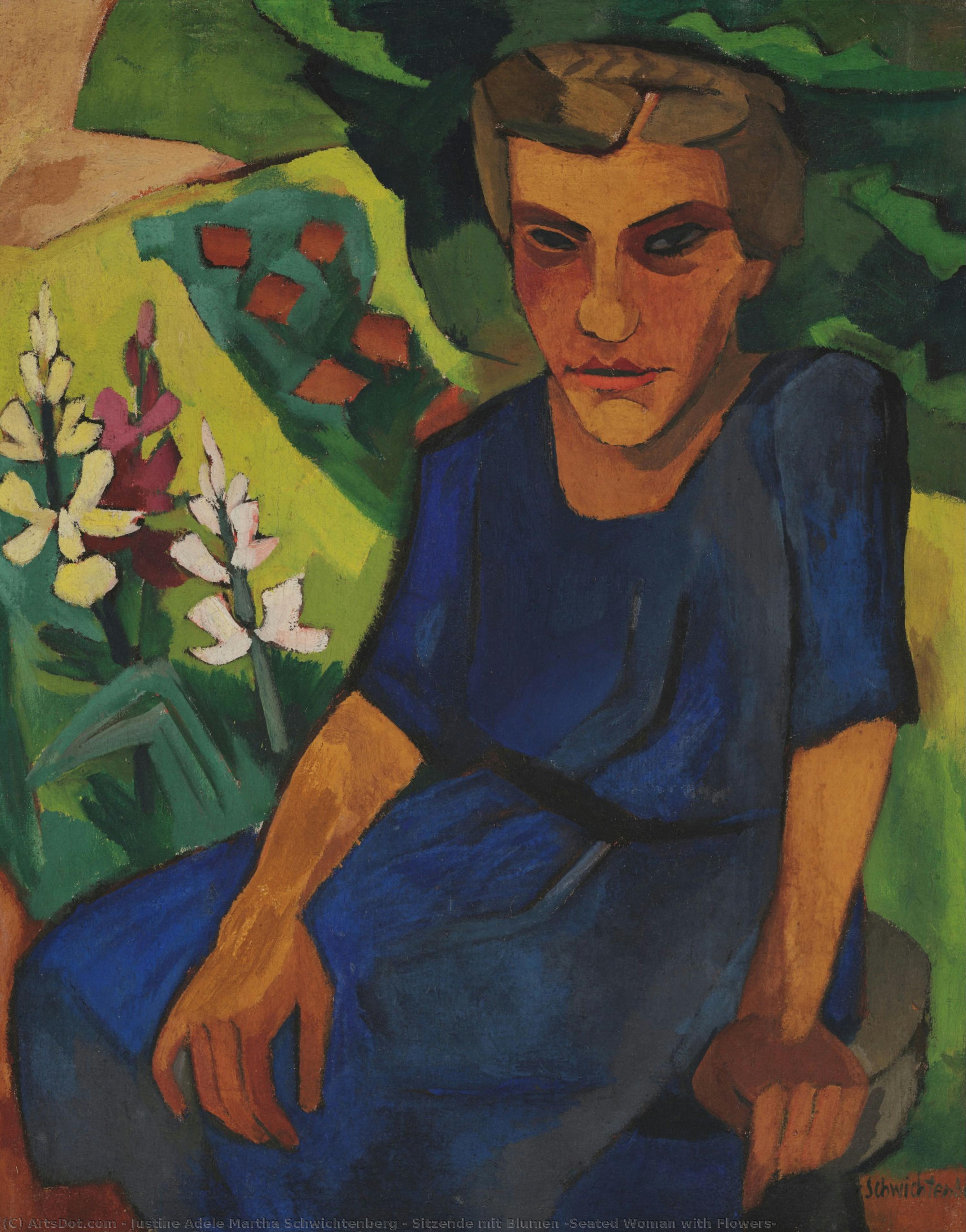
Sitzende mit Blumen (Seated Woman with Flowers)


 Pročitaj više
Giclee štampa / Umetnički otisak
Giclée štampa ili print na platnu muzejskog kvaliteta uz brzu proizvodnju i fleksibilne opcije završne obrade. ( Kupi ručno naslikanu sliku Kupi digitalnu sliku)




P118B $10

P118H $10

P118W $10

P438Z $10

P508JH $12

P508YH $12

P805H $10

P805Z $10

P919BZ $10

P919G $10

P919XJ $10

P959ZH $10

P968JZ $12

W106C $8

W218G $10

W218JH $8

W218Y $10

W307PJ $10

W316G $10

W316PJ $8

W316Y $10

W398PJ $8

W4111J $10

W500HY $15

W500JH $15

W692G $12

W849H $8

W940BG $15

W953PJ $8




Izaberite jednu od naših unapred definisanih veličina koje odgovaraju originalnim proporcijama umetničkog dela.

Možete uneti sopstvene dimenzije kako biste umetničko delo prilagodili specifičnom okviru ili prostoru. Ako odabrani format ne odgovara proporcijama originalne slike, mi ćemo ili iscrtati deo dela ili proširiti sliku pomoću ogledane ivice ili jednobojnog popunjavanja. Digitalni prikaz će vam biti poslat na odobrenje pre početka proizvodnje.
Imajte na umu da pregled na ekranu ne odražava stvarno iscrtavanje ili proširivanje. Samo će prikaz (mockup) precizno pokazati finalnu kompoziciju.
Iako su prilagođene dimenzije dostupne, preporučujemo da odaberete dimenziju sa unapred definisane liste kako biste očuvali originalne proporcije.
Dostava širom sveta () za 2 nedelje umesto uobičajenih 4/5 nedelja. (26 август)

Besplatna ekspresna dostava širom sveta

Visokokvalitetno laneno platno

Kompletno osiguranje transporta

Garancija povraćaja carine i uvoznih dažbina

Garancija vernosti boja

Politika povrata u roku od 60 dana (samo u slučaju nedostataka)

Garancija povrata novca od 100%

Popust pri grupnoj kupovini
 Opcija sa staklom dostupna je samo za dimenzije manje od 110 cm

Sitzende mit Blumen (Seated Woman with Flowers)
Giclee štampa / Umetnički otisak
Dimenzije reprodukcije
-


Konačna cena
$ 62
Opis predmeta
A Moment of Quietude in the Avant-Garde
In the vibrant, shifting landscape of post-war German art, few works capture the delicate balance between inner stillness and external vitality as poignantly as Justine Adele Martha Schwichtenberg’s Sitzende mit Blumen (Seated Woman with Flowers). Painted in 1921, this masterpiece serves as a window into an era of profound transition. The subject, a woman seated amidst the lush greenery of a country landscape, gazes thoughtfully beyond the frame, her presence commanding a sense of calm and contemplation. She is not merely a figure in a garden; she is the emotional anchor of a composition that breathes with the energy of the early 20th-century avant-garde.
The painting is a masterful study in the language of Expressionism. Rather than adhering to strict realism, Schwichtenberg utilizes a tapestry-like surface where reality is subtly distorted to amplify emotional resonance. The artist employs vibrant, contrasting colors and varying values of a single hue to create a rhythmic movement across the canvas. This technique allows the flowers held in the woman's hands to pulse with life against the more muted, earthy tones of the background. The interplay of lively, intersecting shapes creates a dynamic tension, ensuring that while the subject appears serene, the painting itself vibrates with an underlying, restless energy.
Symbolism and the Art of Atmosphere
Beyond its striking visual surface, the work is rich with symbolic depth that invites prolonged meditation. The bouquet held by the sitter acts as a bridge between the human spirit and the natural world, representing growth, fragility, and the fleeting beauty of life. The presence of vases placed thoughtfully within the scene—one near her side and another receding into the distance—suggests a curated harmony between man-made elegance and wild nature. Even the distant chair, partially obscured by the verdant backdrop, hints at a human presence that has momentarily stepped away, leaving the viewer to inhabit this peaceful, solitary moment.
For the discerning collector or interior designer, this piece offers more than just aesthetic beauty; it provides an emotional atmosphere. The soft interplay of light and shadow within the trees creates a sense of sanctuary, making it an ideal focal point for spaces designed for reflection and sophistication. Whether displayed in a contemporary gallery setting or a classic study, the painting’s ability to evoke "quiet inner strength" makes it a timeless addition to any curated collection. A high-quality reproduction of this work allows one to bring the soulful, transformative power of Schwichtenberg’s vision into the modern home, celebrating a legacy of German modernism that continues to inspire awe.
Srodna umetnička dela
Biografija umetnika
A Visionary of Line and Legacy: The Life of Martel Schwichtenberg
Justine Adele Martha Schwichtenberg, known more widely to the art world as Martel Schwichtenberg, was an artist whose creative reach extended far beyond the boundaries of a single medium. Born in Hanover, Germany, in 1896, her life was a tapestry woven from the threads of avant-garde experimentation and the practical demands of industrial design. Her early training at the Kunstgewerbeschule in Düsseldorf provided her with a rigorous foundation in applied arts, yet it was her unique ability to marry aesthetic elegance with functional clarity that would define her career. Long before the concept of "corporate identity" became a staple of modern marketing, Schwichtenlyberg was pioneering its use, most notably through her nearly thirty-year association with the Bahlsen biscuit company. Her hand shaped the visual language of the brand, creating iconic packaging and even developing a logo that remains a testament to her enduring graphic sensibility.From the Studios of Berlin to the Heart of the Avant-Garde
As the 1920s dawned, Schwichtenberg’s journey led her to the electric atmosphere of Berlin, a city then pulsating with radical artistic movements. Settling in Charlottenburg, she established herself not merely as a designer but as a vital participant in the era's most progressive circles. Her membership in the Werkbund and the revolutionary Novembergruppe placed her at the epicenter of German Expressionism and modernism. During these formative years, her work began to reflect the bold, emotive energy of the age, incorporating influences from the graphic intensity of the Bridge movement. She moved seamlessly between the meticulous world of architectural elements—such as stained-glass windows for factory buildings—and the intimate, soulful realm of portraiture and woodcuts. Her presence in Berlin’s elite galleries, including the Flechtheim, signaled her ascent into the upper echelons of the European art scene, where she captured the likenesses of the very avant-garde luminaries who defined her generation.Exile, Tragedy, and the Enduring Spirit
The trajectory of Schwichtenberg’s life was irrevocably altered by the political storms gathering over Germany. In 1933, seeking refuge from the rising tide of Nazism, she emigrated to South Africa, a move that would lead to both profound isolation and unexpected creative expansion. In Johannesburg, her artistry found new landscapes; she collaborated on large-scale murals for the House of Broadcasting and documented her surroundings through hundreds of luminous watercolors. Yet, the shadow of the past followed her; her work Die Pommernfraun was infamously included in the Nazi exhibition of "Degenerate Art," a cruel irony for an artist who had championed the new. The final chapter of her life was marked by profound loss when, in 1938, a devastating fire destroyed her home and studio, consuming nearly four hundred of her precious works. Though she passed away in 1945, shortly after the conclusion of the war, the legacy of Martel Schwichtenberg remains etched in the history of modern design and German expressionism—a story of a woman who navigated the complexities of identity, industry, and art with unparalleled grace.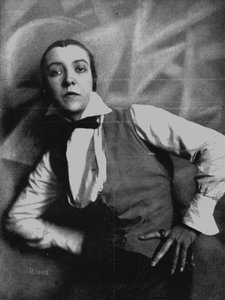
justine adele martha schwichtenberg
1896 - 1945 , Germany
Osnovne informacije
- Artistic Movement Or Style: Pre-Raphaelite
- Artists Or Movements Influenced By This Artist:
- William Holman Hunt
- John Ruskin
- Artists Who Influenced This Artist: ['Sir John Everett Millais']
- Date Of Birth: 8 June 1829
- Date Of Death: 13 August 1896
- Full Name: John Everett Millais
- Nationality: English
- Notable Artworks:
- Ophelia
- Christ in the House of His Parents
- Autumn Leaves
- Place Of Birth: Southampton, England
Povezani članci
The Tactile Canvas: Exploring Texture as Subject, Materiality & Meaning in Art History
Explore the rich history of texture in art! Discover how artists from Van Gogh to contemporary masters use materiality & technique to create captivating tactile experiences. Deepen your art appreciation with ArtsDot.
Blossoming Symbolism: A Historical Journey Through Flowers in Western Painting
Explore the rich history of flower symbolism in Western painting! Discover how artists from the Renaissance to Modernism used blossoms to convey meaning, emotion & beauty. Learn about iconic artworks and movements.
Egon Schiele: 25 Remek-dela Ekspresionizma za Vaš Dom | ArtsDot
Istražite 25 remek-dela Egona Schielea – ekspresionističkih portreta i slika koje odražavaju duboke emocije. Kupite reprodukcije vrhunskog kvaliteta za dekoraciju enterijera na ArtsDot.com! Otkrijte celu kolekciju online.
ArtsDot.com F.A.Q.: Teksturne štampe – Postizanje izgleda i osećaja uljane slike za elitu kolekcionara
Otkrijte vrhunske teksturne štampe u ArtsDot.com – savršena alternativa uljanim slikama za elite kolekcionare. Personalizacija, autentičan izgled i garancija kvaliteta. Naručite remek-delo danas!
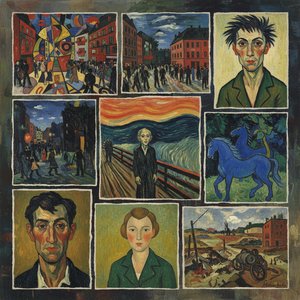
Expressionist Painting: 10 Masterpieces That Defined a Movement | ArtsDot
Explore 10 Expressionist paintings that revolutionized art! Discover Munch, Kirchner & Kandinsky's iconic works. Find museum-quality reproductions and vibrant canvas prints to elevate your home decor on ArtsDot.com.

