

 Pregledaj u prostoru
 Pošalji
 Podeli
 Detalji o delu

 Преузми
 Slični predmeti
 Rendgenski snimak
 Slajdovi
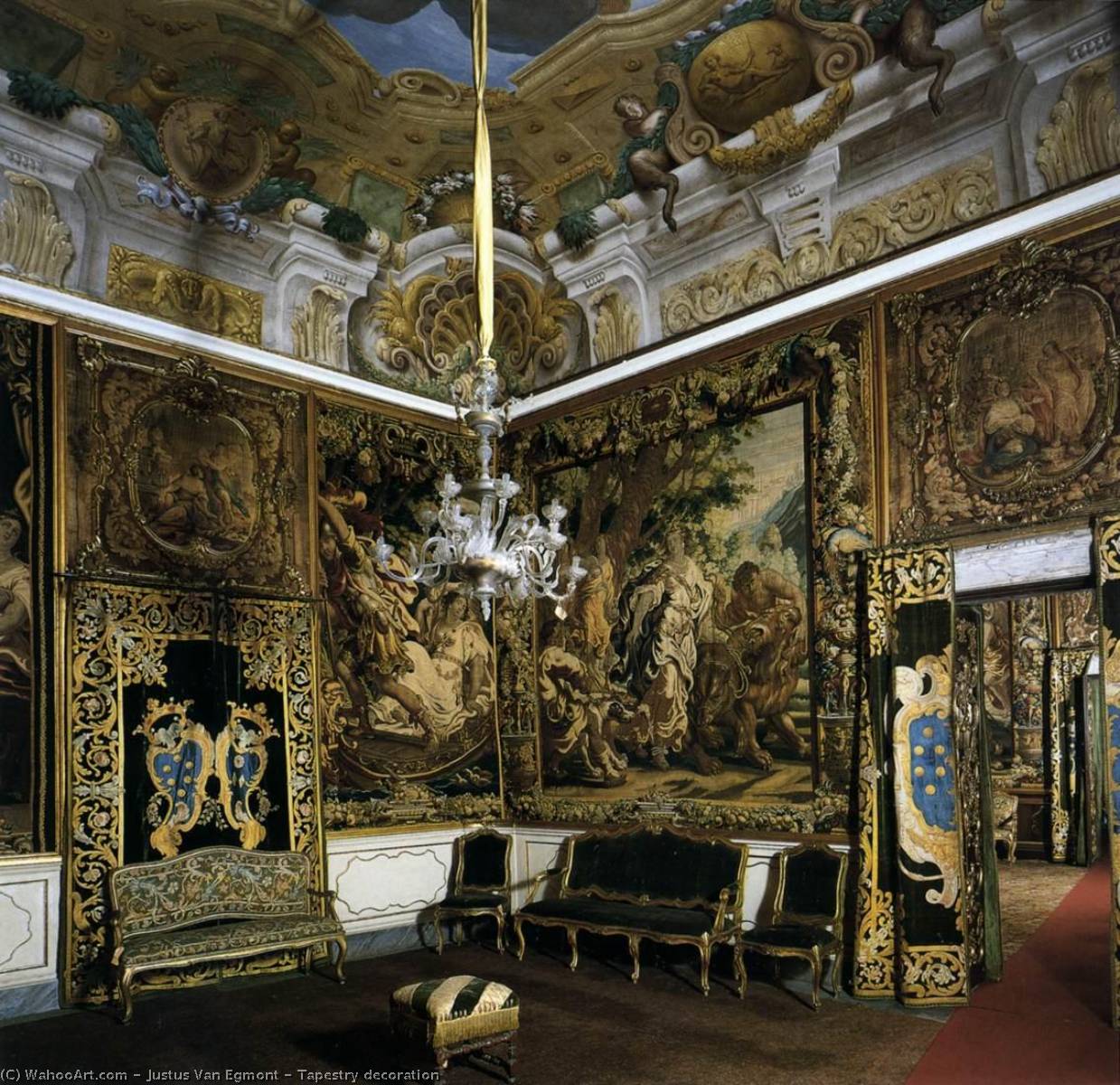
Tapestry decoration


 Pročitaj više
Ručno rađena uljana reprodukcija
Ručno oslikano uljanim bojama na platnu u dimenzijama i okviru po vašem izboru, izrađeno po porudžbini od strane naših umetnika. ( Kupi print Kupi digitalnu sliku)




































Izaberite jednu od naših unapred definisanih veličina koje odgovaraju originalnim proporcijama umetničkog dela.

Можете унети сопствене димензије како бисте прилагодили дело одређеном оквиру или простору. Ако одабрана величина не одговара пропорцијама оригинала, слика ће бити исечена или проширена додатним елементима који се ручно насликавају. Дигитални prikaz ће вам бити послат на одобрење пре почетка производње.
Имајте на уму да преглед на екрану не одражава стварно исецање или проширење. Само приказ (mockup) ће тачно приказати коначну композицију.
Иако су доступне прилагођене величине, препоручујемо да одаберете димензију из дефинисане листе како бисте сачували оригиналне пропорције.
Nakon narudžbine, tim ArtsDot.com će klijentu putem e-pošte poslati uputstva i dostaviti prikaz predloženog rešenja
Isporuka širom sveta () za 3/4 nedelje umesto uobičajenih 5 nedelja. (7 септембар). Bez kompromisa po pitanju kvaliteta.

Besplatna ekspresna dostava širom sveta

Visokokvalitetno laneno platno

Kompletno osiguranje transporta

Garancija povraćaja carine i uvoznih dažbina

Garancija vernosti boja

Politika povraćaja u roku od 100 dana (isključivo u slučaju nedostataka)

Garancija povrata novca od 100%

Popust pri grupnoj kupovini
 Opcija sa staklom dostupna je samo za dimenzije manje od 110 cm

Tapestry decoration
Tehnika reprodukcije
Dimenzije reprodukcije
-


Konačna cena
$ 263
Srodna umetnička dela







Biografija umetnika
The Radiant Legacy of Justus van Egmont
In the grand, sweeping tapestry of the seventeenth century, few artists managed to weave together the disparate threads of Flemish tradition and French courtly elegance as seamlessly as Justus van Egmont. Born in Leiden around 1601 into a humble carpenter's family, his journey from the practical world of craftsmanship to the gilded halls of European royalty is nothing short of cinematic. His early years were marked by a profound movement of spirit and geography; following his mother’s return to Antwerp when he was just fourteen, the young artist found himself immersed in one of the most fertile artistic environments in history. Under the tutelage of Gaspar van den Hoecke, Van Egmont began to master the technical rigors of the Flemish school, a foundation that would later allow him to navigate the complex demands of both portraiture and monumental tapestry design.
The true crucible of his talent, however, was the legendary workshop of Peter Paul Rubens. It was within this vibrant, bustling studio that Van Egmont’s brushwork began to absorb the revolutionary energy of the Baroque era. Working alongside luminaries such as Anthony van Dyck, he learned the art of dramatic lighting and the ability to imbue flesh and fabric with a lifelike, breathing vitality. His contributions to the monumental Life of Maria de Medici series serve as a testament to his skill in executing large-scale, emotionally resonant narratives. This period of intense collaboration instilled in him a Rubensian sense of movement and a mastery of color that would become the hallmark of his later, more intimate portraiture.
A Parisian Ascent and Artistic Innovation
The year 1628 marked a transformative pivot in Van Egmont’s career as he relocated to Paris, seeking new horizons beyond the borders of Flanders. This move was not merely a change in scenery but an ascent into the highest echelists of European patronage. As a painter for the House of Orléans and a recognized talent within the court of Louis XIII, Van Egmont became a vital figure in the French cultural renaissance. His influence extended far beyond the canvas; he played a foundational role in the establishment of the Académie de peinture et de sculpture, helping to shape the very institutions that would govern French artistic taste for centuries to come.
During his Parisian years, his work took on a refined, sophisticated character, blending the robust energy of his Antwerp training with the grace and poise required by the French nobility. His ability to capture the psychological depth of his subjects—whether they were high-ranking aristocrats or members of the royal household—made him a sought-after portraitist. Beyond the singular beauty of his oil paintings, he also demonstrated an extraordinary versatility through his designs for tapestry series, proving that his vision could scale from the delicate detail of a lady's lace to the epic proportions of woven history.
The Return to Flanders and Enduring Significance
Despite the glittering allure of the French court, the pull of his roots remained strong. Van Egmont eventually returned to the Low Countries, settling in the artistic hubs of Antwerp and Brussels. This later period of his life saw a synthesis of his international experiences, as he brought the sophisticated elegance of Paris back to the traditional landscapes of Flanders. Even as he navigated a complex personal life, including the raising of a large family, his dedication to his craft never wavered. He remained a bridge between eras and regions, embodying the interconnectedness of the seventeenth-century art world.
The historical significance of Justus van Egmont lies in his role as a cultural conduit. He was an artist who could inhabit the worlds of different monarchs and different artistic movements simultaneously. His legacy is found not only in the surviving portraits that capture the fleeting expressions of the past but also in the structural evolution of art academies and the enduring influence of the Rubensian style on European portraiture. To study his work is to witness the seamless transition from the muscularity of the Flemish Baroque to the refined elegance of the French classical tradition.
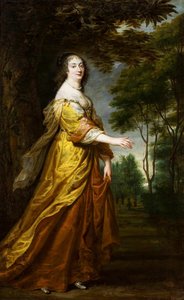
Justus van Egmont
1601 - 1674
Osnovne informacije
- Artistic Movement Or Style: Baroque
- Artists Or Movements Influenced By This Artist: ['Rubens']
- Artists Who Influenced This Artist:
- Anthony van Dyck
- Peter Paul Rubens
- Date Of Birth: 1601
- Date Of Death: 1674
- Full Name: Justus van Egmont
- Nationality: Flemish
- Notable Artworks:
- The Battle of Actium from The Story of Caesar and Cleopatra
- Portrait de Françoise Angélique de la Mothe Houdancourt, duchesse d'Aumont
- Place Of Birth: Leiden