

 Pošalji
 Podeli
 Detalji o delu

 Преузми
 Slični predmeti
 Slajdovi
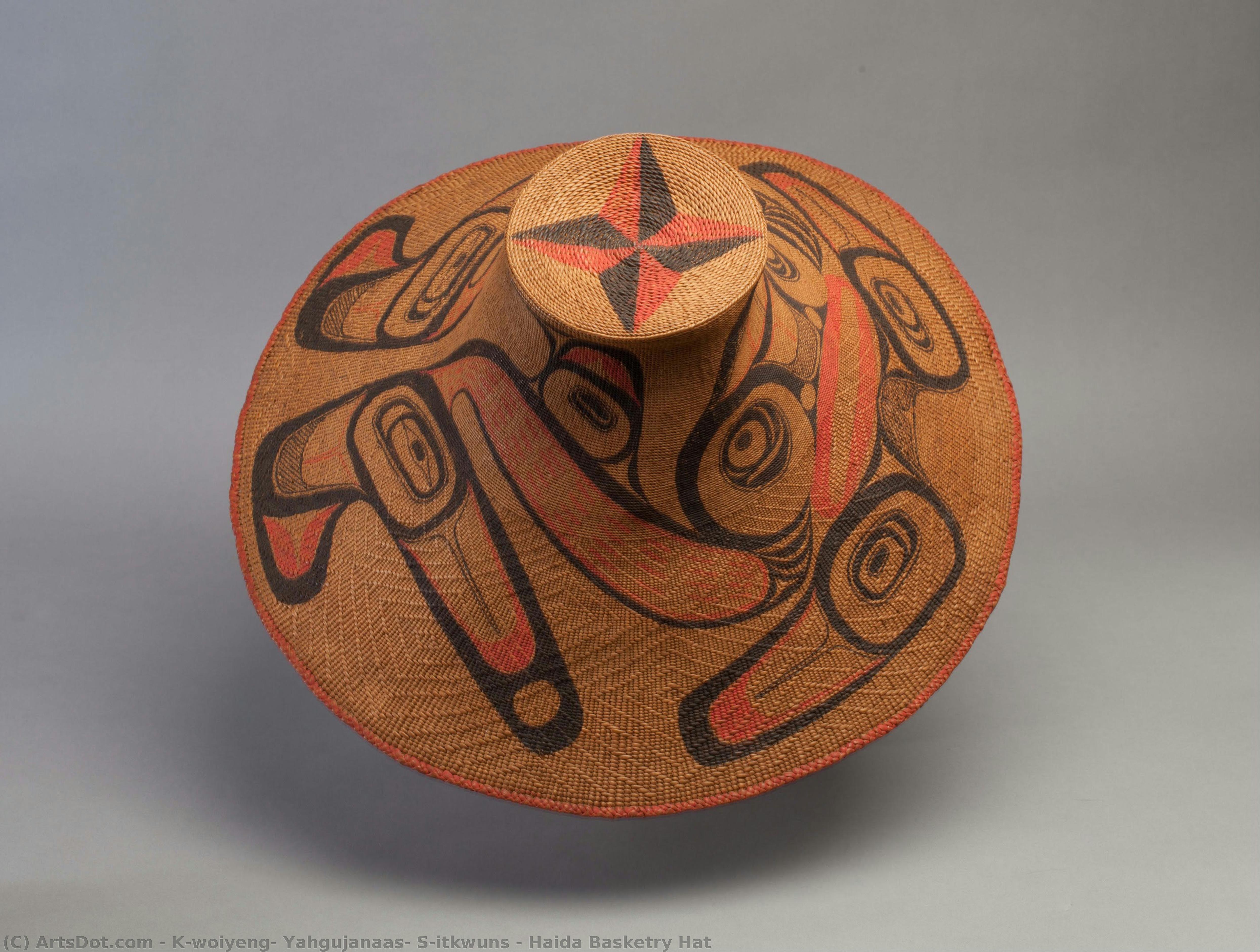
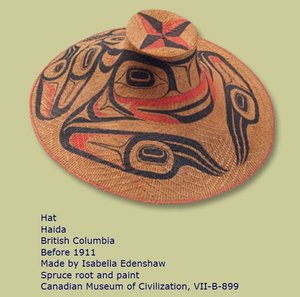
Haida Basketry Hat
 Wood
Wood- Sculpture
- Northwest Coast Indigenous Art
 1900
1900- 19th Century
 U.S. Department of the Interior Museum
 Pročitaj više
Kupite digitalnu sliku visoke rezolucije i poboljšanog kvaliteta, koja je znatno superiornija od onoga što vidite u online prikazu.
Svaka datoteka je pedantno pripremljena od strane naših stručnjaka koristeći napredne alate i profesionalnu ručnu retušu. Osiguravamo da svaka slika ima izuzetnu oštrinu, preciznu reprodukciju boja i fine detalje.
Konačna datoteka se dostavlja putem e-pošte u roku od 72 sata, optimizovana za neposrednu upotrebu u profesionalnim, izdavačkim i štamparskim okruženjima. To je isti kvalitet kojem veruju vrhunski studiji dizajna, izdavači i galerije.
Digitalna slika
Preuzmite datoteku visoke rezolucije za ličnu upotrebu, štampanje i kreativne projekte. ( Kupi print Kupi ručno naslikanu sliku)
Uključeno uz svaku porudžbinu digitalne slike
Profesionalna digitalna isporuka, zagarantovana
Kada odaberete ArtsDot.com, ne dobijate samo sliku – vi primate profesionalno unapređeno digitalno umetničko delo, izrađeno sa najvećom preciznošću i uz garanciju zadovoljstva. Evo svega što automatski dolazi uz vašu porudžbinu:

Brza dostava putem e-pošte
Vaša digitalna slika visoke rezolucije biće vam poslata putem e-pošte u roku od 72 sata od poručivanja – spremna za trenutnu upotrebu.

Digitalna datoteka unapređena veštačkom inteligencijom
Vaše umetničko delo je profesionalno optimizovano korišćenjem naprednih AI alata i ručne obrade, čime se osiguravaju maksimalni detalji, oštrina i preciznost boja.

Besplatna ponovna isporuka doživotno
Slučajno ste obrisali ili izgubili svoju datoteku? Ne brinite – poslaćemo vam je ponovo u bilo kom trenutku, potpuno besplatno.

Bez troškova uvoza – zauvek
Uživajte u svojim umetničkim delima trenutno, bez carine, dažbina ili troškova dostave – digitalni download je uvek bez poreza.

Garancija vernosti boja
Uz pomoć profesionalnih alata i upravljanja bojama, osiguravamo da vaša digitalna slika što vernije odražava originalne boje.

Garancija zadovoljstva u roku od 60 dana
Ako niste zadovoljni svojom digitalnom slikom, revidirat ćemo je ili vratiti 100% novca u roku od 60 dana – bez ikakvih pitanja.

100% garancija povrata novca
Niste zadovoljni? Obezbedite pun povrat novca u roku od 60 dana od trenutka kada ste primili svoju digitalnu datoteku – bez suvišnih pitanja.

Popusti na velike porudžbine
Kupite 3 slike, uštedite 10% - Kupite 5 slika, uštedite 15% - Kupite 10+ slika, uštedite 20%. Odlično za kreativne projekte, galerije i agencije.
Opis kolekcionarskog dela
A Window into Haida Spirit: The Basketry Hat of k'woiyeng, yahgujanaas, s’itkwuns
This extraordinary basketry hat, crafted by the renowned Haida artists k’woiyeng, yahgujanaas, and s’itkwuns in the early 20th century, offers a profound glimpse into the heart of Indigenous Northwest Coast art. Executed around 1900, this piece transcends mere craftsmanship; it is a potent expression of cultural belief, ancestral connection, and masterful artistic technique. The hat's circular form immediately draws the eye, emphasizing its inherent significance as a container – not just for the head, but perhaps for spirit or memory.
- Materiality: Constructed primarily from meticulously woven wood, the foundation of the hat speaks to the Haida’s deep understanding and reverence for natural resources. The use of pigments—bold black and vibrant red—adds layers of symbolic meaning and visual impact.
- Technique: The artist's skill is evident in the precise carving of geometric patterns and stylized human figures, a hallmark of Northwest Coast art. This combination of weaving and carving represents a sophisticated synthesis of traditional skills.
The hat’s design is rich with symbolism. The central starburst pattern, a recurring motif in Haida cosmology, likely represents the radiating energy of the Creator or ancestral spirits. The anthropomorphic faces – rendered with remarkable detail – are almost certainly representations of ancestors, revered figures who held power and influence within the community. These stylized depictions aren’t simply portraits; they're conduits to the spiritual realm, embodying the Haida belief in a continuous connection between the living and the dead.
The Legacy of Northwest Coast Art
This piece belongs to a vibrant artistic tradition that flourished for centuries among the Indigenous peoples of the Pacific Northwest. Northwest Coast art is characterized by its geometric abstraction, its reliance on symbolic representation, and its profound connection to spiritual beliefs. The Haida, in particular, developed a highly sophisticated system of iconography, using forms like spirals, waves, and human figures to convey complex ideas about cosmology, social structure, and personal identity.
The style employed here reflects the broader artistic trends of the period, influenced by European contact while firmly rooted in Haida cultural practices. The sharp lines and defined shapes are reminiscent of both traditional carving techniques and emerging modern aesthetics, demonstrating a dynamic interplay between cultures.
A Study in Form and Symbol
The artist’s careful attention to detail is immediately apparent. The diffused lighting enhances the texture of the woven basketry and the smooth finish of the carved elements, creating a tactile quality that invites close observation. The relatively flat perspective focuses on the object's three-dimensional form, allowing us to appreciate the intricate layering of patterns and the subtle variations in wood grain.
Beyond its aesthetic qualities, this hat serves as a powerful reminder of the Haida people’s rich cultural heritage and their enduring artistic legacy. It is a testament to the power of art to connect us to our ancestors, to express profound spiritual beliefs, and to celebrate the beauty of the natural world.
Collecting a Piece of History
This hand-painted reproduction captures not only the visual essence of k’woiyeng, yahgujanaas, s’itkwuns’s remarkable work but also its historical significance. It offers an opportunity to bring a piece of Haida culture into your home or office, sparking conversation and inspiring contemplation about Indigenous art and spirituality. A stunning addition to any collection, this reproduction is more than just artwork; it's a window into another world.
Srodna umetnička dela


Biografija umetnika
Élisabeth Vigée Le Brun: A Portraitist of the Ancien Régime
Élisabeth Louise Vigée Le Brun, born in Paris in 1755 and passing away in 1842, stands as a pivotal figure in the history of French art. More than simply a painter, she was a shrewd observer of her time, a master of portraiture, and a woman who navigated the complex social landscape of the late 18th and early 19th centuries with remarkable skill and ambition. Her life story is intertwined with the dramatic shifts occurring in European society – from the opulence of the Ancien Régime to the revolutionary fervor that ultimately swept away the monarchy. Vigée Le Brun’s legacy rests primarily on her captivating portraits, which offer intimate glimpses into the lives of royalty, aristocracy, and prominent figures of the era, revealing not just their outward appearances but also a nuanced understanding of their personalities and social standing.
Early Life and Artistic Training
Vigée Le Brun’s early life was marked by a somewhat unconventional path to artistic recognition. Born into a family of modest means, she received her initial education in Paris, immersing herself in the art world through visits to museums and studying the works of masters like Jean-Baptiste-Camille Corot. Crucially, she found mentorship with her cousin, Louis Vigée, a painter who provided her with invaluable instruction and access to artistic circles. This early training laid the foundation for her later success, particularly in capturing the likenesses and expressions of her subjects. Unlike many artists of her time, Vigée Le Brun did not pursue formal academic training at the prestigious Académie Royale de Peinture et Sculpture, instead relying on self-directed study and the guidance of influential figures.
Service to the Royal Court: Marie Antoinette and Beyond
Vigée Le Brun’s career truly took flight with her appointment as the official portrait painter to Marie Antoinette in 1778. This patronage proved transformative, providing her with unprecedented access to the royal court and establishing her reputation as one of the most sought-after artists in France. Her portraits of the Queen were renowned for their elegance, grace, and psychological depth – capturing not just Marie Antoinette’s beauty but also her intelligence, wit, and vulnerability. Following the French Revolution, Vigée Le Brun continued to serve as a portraitist, adapting to the changing political climate and securing commissions from prominent figures across Europe, including Catherine the Great of Russia, Napoleon Bonaparte, and numerous members of the aristocracy.
Style and Technique: Rococo Refinements and Neoclassical Influences
Vigée Le Brun’s artistic style is often described as a synthesis of Rococo elegance and emerging Neoclassical principles. Initially, her portraits were characterized by the lush colors, delicate brushwork, and elaborate costumes typical of the Rococo period. However, as she matured as an artist, she began to incorporate elements of restraint, clarity, and anatomical accuracy that aligned with the growing influence of Neoclassicism. Her use of light and shadow was particularly masterful, creating a sense of depth and volume in her portraits and highlighting the subjects’ features with subtle precision. She paid meticulous attention to detail, capturing not only the physical appearance but also the expressions and gestures that revealed the inner lives of her sitters.
Legacy and Historical Significance
Élisabeth Vigée Le Brun's impact on the history of art is profound. She was one of the few female artists to achieve widespread recognition and success during a period when women faced significant barriers in the artistic world. Her portraits offer invaluable insights into the lives, customs, and social dynamics of the Ancien Régime and beyond. Her ability to capture both the outward appearance and inner character of her subjects cemented her place as a master portraitist, influencing generations of artists who followed. Today, her works are celebrated in major museums around the world, serving as enduring testaments to her artistic skill, keen observation, and remarkable life story. Her memoirs, published late in life, provide a fascinating firsthand account of her experiences navigating the turbulent political landscape of revolutionary France.
k'woiyeng, yahgujanaas, s'itkwuns
1842 - 1926 , United States of America
Kratke činjenice
- Artistic Movement Or Style: Portrait painting
- Artists Or Movements Influenced By This Artist:
- Rococo
- Neoclassicism
- Artists Who Influenced This Artist:
- Daubigny
- Reynolds
- Date Of Birth: 16 April 1755
- Date Of Death: 30 March 1842
- Full Name: Élisabeth Vigée Le Brun
- Nationality: French
- Notable Artworks:
- Marie Antoinette
- Self-portrait Straw Hat
- Lady Hamilton
- Place Of Birth: Paris, France

