

 Pregledaj u prostoru
 Pošalji
 Podeli
 Detalji o delu

 Преузми
 Slični predmeti
 Rendgenski snimak
 Slajdovi
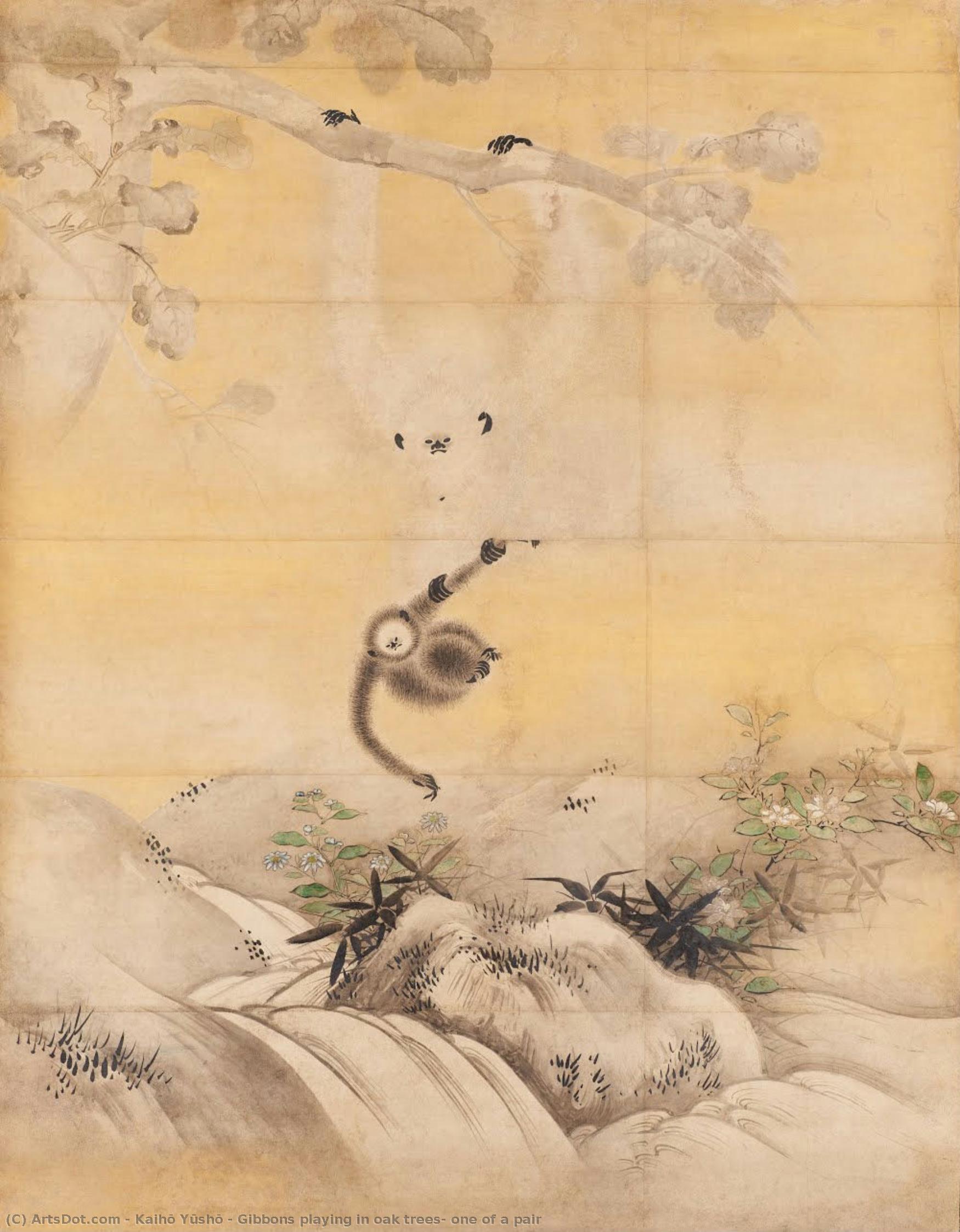
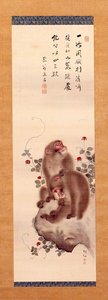
Gibbons playing in oak trees, one of a pair

 Pročitaj više
Giclee štampa / Umetnički otisak
Giclée štampa ili print na platnu muzejskog kvaliteta uz brzu proizvodnju i fleksibilne opcije završne obrade. ( Kupi ručno naslikanu sliku Kupi digitalnu sliku)




































Izaberite jednu od naših unapred definisanih veličina koje odgovaraju originalnim proporcijama umetničkog dela.

Možete uneti sopstvene dimenzije kako biste umetničko delo prilagodili specifičnom okviru ili prostoru. Ako odabrani format ne odgovara proporcijama originalne slike, mi ćemo ili iscrtati deo dela ili proširiti sliku pomoću ogledane ivice ili jednobojnog popunjavanja. Digitalni prikaz će vam biti poslat na odobrenje pre početka proizvodnje.
Imajte na umu da pregled na ekranu ne odražava stvarno iscrtavanje ili proširivanje. Samo će prikaz (mockup) precizno pokazati finalnu kompoziciju.
Iako su prilagođene dimenzije dostupne, preporučujemo da odaberete dimenziju sa unapred definisane liste kako biste očuvali originalne proporcije.
Dostava širom sveta () za 2 nedelje umesto uobičajenih 4/5 nedelja. (29 август)

Besplatna ekspresna dostava širom sveta

Visokokvalitetno laneno platno

Kompletno osiguranje transporta

Garancija povraćaja carine i uvoznih dažbina

Garancija vernosti boja

Politika povrata u roku od 60 dana (samo u slučaju nedostataka)

Garancija povrata novca od 100%

Popust pri grupnoj kupovini
 Opcija sa staklom dostupna je samo za dimenzije manje od 110 cm

Gibbons playing in oak trees, one of a pair
Giclee štampa / Umetnički otisak
Dimenzije reprodukcije
-


Konačna cena
$ 62
Srodna umetnička dela
Biografija umetnika
A Life Bridging Samurai Lineage and Artistic Serenity
Kaihō Yūshō, a name resonant within the annals of Japanese art history, was born Kaiho Shōeki in 1533 amidst the turbulent landscape of Omi Province. His origins were steeped in the traditions of the samurai class, being the fifth son of Kaihō Tsunachika, a loyal vassal to the powerful Azai Nagamasa. This early connection to a warrior lineage would subtly inform his life, even as he ultimately embraced a path far removed from the battlefield. The shadow of conflict fell upon young Shōeki when his father perished in battle during Oda Nobunaga’s relentless campaigns—a loss that profoundly shaped his destiny. Remarkably, spared the fate of many sons of fallen samurai, he was entrusted to the monks of Tōfuku-ji temple in Kyoto as a child novice. This immersion within the serene world of Zen Buddhism proved pivotal, laying the spiritual and aesthetic foundations for his future artistic endeavors. The rigorous discipline and contemplative atmosphere of the monastery fostered an inner tranquility that would permeate his art, imbuing it with a distinctive sense of calm and introspection.From Ink Monochrome to Opulent Color
Yūshō’s journey as an artist began with formal training within the esteemed Kanō School, likely under the tutelage of either Kanō Motonobu or his grandson, Kanō Eitoku. The Kanō school was then the dominant force in Japanese painting, renowned for its adherence to established themes and techniques. Initially, Yūshō’s work mirrored the style of Song Dynasty master Liang Kai, characterized by a striking monochrome ink wash technique. He employed what was known as *gempitsu*, or “reduced brush stroke,” emphasizing subtle gradations of ink to create atmospheric depth and evocative imagery. These early pieces were exercises in restraint, focusing on capturing essence through minimal means. However, Yūshō’s artistic path wasn't one of rigid adherence. As he matured, and as the Momoyama period ushered in an era of opulent display, his palette expanded dramatically. He embraced vibrant colors and incorporated lavish gold leaf into his compositions, reflecting the prevailing aesthetic tastes of the time. This shift wasn’t merely a stylistic adaptation; it was a testament to Yūshō's ability to synthesize tradition with contemporary sensibilities, creating a unique visual language that resonated with both connoisseurs and patrons.Influences Woven into a Unique Style
The artistic tapestry of Kaihō Yūshō’s work is richly interwoven with diverse influences. The foundational impact of Liang Kai instilled in him an appreciation for the power of monochrome ink and the expressive potential of minimalist forms. His training within the Kanō School provided a solid grounding in traditional Japanese painting techniques, compositional principles, and established themes. Yet, perhaps the most profound influence was Zen Buddhism. This spiritual discipline permeated his artistic sensibilities, fostering a contemplative approach to both subject matter and execution. His landscapes, in particular, often evoke a sense of serene detachment, inviting viewers to immerse themselves in the tranquility of nature. Beyond these direct influences, Yūshō’s style also bears comparison to that of contemporaries like Hasegawa Tōhaku and Kanō Eitoku—artists who shared his mastery of technique and his ability to capture both the physical beauty and spiritual essence of their subjects. He wasn't simply imitating; he was engaging in a dialogue with the artistic currents of his time, forging a distinctive voice that set him apart.Landscapes of Contemplation and Lasting Legacy
Kaihō Yūshō is celebrated for his serene landscapes—often mist-filled scenes featuring pavilions nestled amongst trees, boats gliding across tranquil waters, and figures engaged in quiet contemplation. These paintings aren’t merely depictions of physical locations; they are invitations to enter a state of mindful awareness. His mastery of atmospheric perspective and subtle ink washes creates an illusion of depth and distance, drawing the viewer into the scene. Notable works include “Landscape with pavilions,” demonstrating his skill in creating mood through delicate tonal variations, and the paintings produced for Kennin-ji temple—a significant body of work showcasing his mature style. The "Four Accomplishments," a pair of six-fold screens depicting scenes related to the scholarly pursuits of music, painting, calligraphy, and chess, exemplifies his ability to blend narrative detail with aesthetic refinement. Several of Yūshō’s works have been designated as Registered Important Cultural Property by Japan, acknowledging their historical and artistic significance. He is rightfully regarded as a representative painter of the Azuchi-Momoyama period, and as the founder of the Kaihō School—a lineage of artists who continued to practice his distinctive style for generations. His enduring appeal lies in his ability to capture not just what he saw, but how it *felt* – a testament to the profound connection between art, spirituality, and the human experience.
Kaihō Yūshō
1533 - 1615 , Japan
Osnovne informacije
- Artistic Movement Or Style: Kanō school, Ink wash
- Artists Or Movements Influenced By This Artist:
- Kaihō School
- Japanese landscape art
- Artists Who Influenced This Artist:
- Liang Kai
- Kanō Motonobu
- Kanō Eitoku
- Date Of Birth: 1533
- Date Of Death: 1615
- Full Name: Kaihō Yūshō
- Nationality: Japanese
- Notable Artworks:
- Landscape with pavilions
- Paintings for Kennin-ji
- The Four Accomplishments
- Place Of Birth: Omi Province, Japan

