

 Pošalji
 Podeli
 Detalji o delu

 Преузми
 Slični predmeti
 Slajdovi
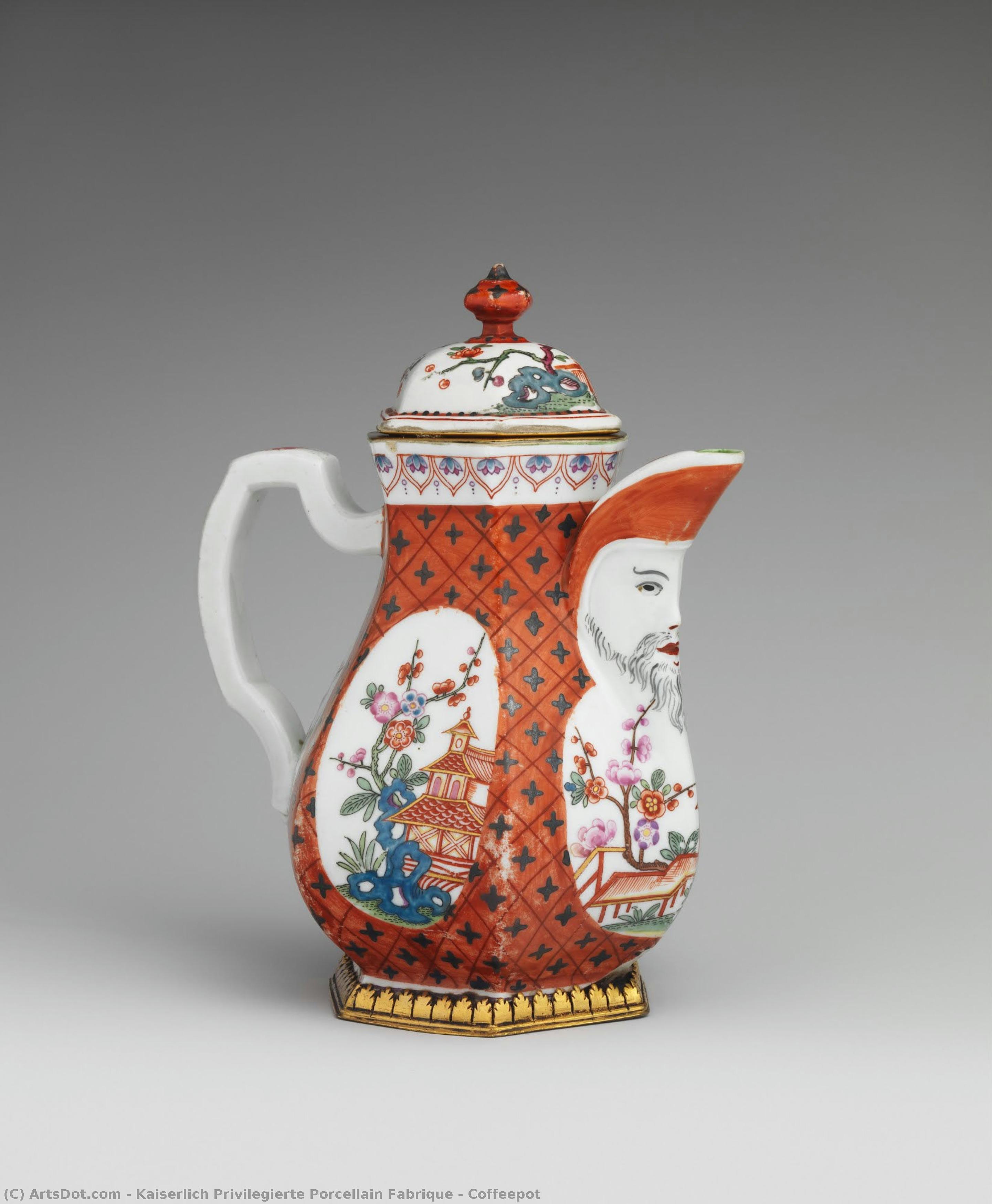
Coffeepot
 Ceramics
- Neoclassical
 1720
1720 17.0 x 15.0 cm
 Metropolitan Museum of Art
 Pročitaj više
Giclee štampa / Umetnički otisak
Giclée štampa ili print na platnu muzejskog kvaliteta uz brzu proizvodnju i fleksibilne opcije završne obrade. ( Kupi ručno naslikanu sliku Kupi digitalnu sliku)




































Izaberite jednu od naših unapred definisanih veličina koje odgovaraju originalnim proporcijama umetničkog dela.

Možete uneti sopstvene dimenzije kako biste umetničko delo prilagodili specifičnom okviru ili prostoru. Ako odabrani format ne odgovara proporcijama originalne slike, mi ćemo ili iscrtati deo dela ili proširiti sliku pomoću ogledane ivice ili jednobojnog popunjavanja. Digitalni prikaz će vam biti poslat na odobrenje pre početka proizvodnje.
Imajte na umu da pregled na ekranu ne odražava stvarno iscrtavanje ili proširivanje. Samo će prikaz (mockup) precizno pokazati finalnu kompoziciju.
Iako su prilagođene dimenzije dostupne, preporučujemo da odaberete dimenziju sa unapred definisane liste kako biste očuvali originalne proporcije.
Dostava širom sveta () za 2 nedelje umesto uobičajenih 4/5 nedelja. (30 август)

Besplatna ekspresna dostava širom sveta

Visokokvalitetno laneno platno

Kompletno osiguranje transporta

Garancija povraćaja carine i uvoznih dažbina

Garancija vernosti boja

Politika povrata u roku od 60 dana (samo u slučaju nedostataka)

Garancija povrata novca od 100%

Popust pri grupnoj kupovini
 Opcija sa staklom dostupna je samo za dimenzije manje od 110 cm

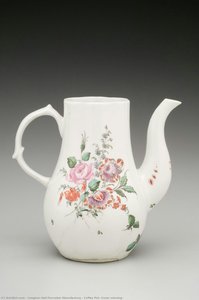
Coffeepot
Giclee štampa / Umetnički otisak
Dimenzije reprodukcije
-


Konačna cena
$ 62
An Ode to Imperial Opulence: The Vienna Porcelain Teapot
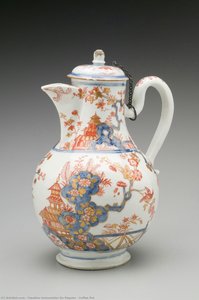
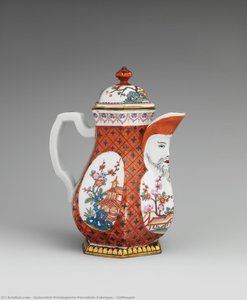
To gaze upon this exquisite piece is to step directly into the gilded salons of 18th-century Vienna. This coffeepot, crafted by the esteemed Kaiserlich privilegierte Porcellain Fabrique, is far more than a mere vessel for tea; it is a miniature tableau vivant, a breathtaking testament to the pinnacle of European decorative arts. The porcelain itself, with its luminous white ground, serves as the perfect stage for the painterly drama enacted upon its surface. One cannot help but feel the weight of history—the ambition, the artistry, and the patronage that fueled such magnificent creations during an era of profound cultural flourishing.
Mastery in Miniature: Technique and Detail
The sheer technical brilliance displayed here is nothing short of miraculous. The decoration eschews simple pattern work for a complex, narrative scene executed with meticulous hand-painting. Observe the way the artist has managed depth; while the perspective remains somewhat flattened, characteristic of high decorative arts where visual storytelling takes precedence over strict realism, the illusion of space is nonetheless profound. Small, precise brushstrokes define everything—from the delicate flutter of imagined drapery on the figures to the intricate veining of the depicted foliage. The interplay between geometric architectural lines and the organic curves of blooming flowers creates a mesmerizing rhythm across the body of the pot. It speaks volumes about the patience and unwavering skill required by the artisans who labored over this piece nearly three centuries ago.
A Glimpse into an Eighteenth-Century Fantasy
The subject matter itself invites contemplation. The scene appears to weave together elements of pastoral life, architectural grandeur, and perhaps even mythological narrative. Dominating the palette are warm, rich tones—vibrant oranges, deep reds, and shimmering accents of gold—set against the cool neutrality of the porcelain body. These colors do not merely decorate; they imbue the scene with palpable warmth and opulence. The style echoes the grand traditions of Meissen, placing this piece within a lineage of unparalleled ceramic excellence. It suggests a moment captured in time: perhaps a courtly gathering or an idealized vision of life amidst blossoming splendor.
The Enduring Allure for the Modern Collector
For the contemporary admirer, whether one is curating a lavish drawing-room or seeking a singular focal point for a collector's cabinet, this coffeepot offers immediate emotional resonance. It embodies an era when luxury was synonymous with narrative art. The opulence it radiates is not gaudy, but rather deeply cultured—a sophisticated celebration of human creativity and material refinement. Owning a reproduction allows one to connect intimately with the historical weight and sheer artistry of Vienna’s imperial legacy, bringing a piece of storied elegance into the modern domestic sphere.
Srodna umetnička dela
Biografija umetnika
Vienna Porcelain: A Legacy of Imperial Elegance
Vienna porcelain, more accurately known as Kaiserlich privilegierte Porcellain Fabrique, stands as a testament to Austria’s artistic prowess during the Enlightenment and Napoleonic eras—a singular achievement in European ceramics that continues to captivate collectors and historians alike. Founded in 1718 by Claude du Paquier, a Dutchman with ambitious aspirations, it quickly ascended to prominence alongside Meissen porcelain, establishing Vienna as Europe's second bastion of hard-paste faience production. This remarkable story unfolds through five distinct periods, each marked by stylistic evolution and shaped by the patronage of successive emperors—a narrative interwoven with scientific innovation and diplomatic significance.- The Du Paquier Period (1718–1744): Initially hampered by financial instability and a lack of royal backing, the factory’s early years were characterized by du Paquier's unwavering determination to master the art of porcelain production. Despite challenges securing monopolies for his wares—a crucial element in establishing a stable business model—he persevered, attracting skilled artisans from Meissen and laying the groundwork for future success.
- The Imperial State Manufactory (1744–1805): Following Maria Theresa’s decisive intervention—purchasing the factory and securing its financial stability—Vienna porcelain entered a golden age. This era witnessed a blossoming of neoclassical aesthetics, heavily influenced by Sèvres porcelain, and propelled Vienna to the forefront of European artistic discourse. The patronage of emperors Joseph II and Ferdinand III fostered experimentation with new forms and decorative motifs, cementing Vienna’s reputation as a center for innovation.
- The Biedermeier Period (1805–1839): Amidst the turbulent political landscape of the Napoleonic Wars, Vienna porcelain experienced a subtle shift toward domestic sensibilities—a reflection of the broader Biedermeier movement. Artists embraced naturalistic themes and understated elegance, prioritizing craftsmanship over ostentation, mirroring the values of the Austrian middle class.
- The Victorian Era (1839–1864): The final decades saw Vienna porcelain adapt to the burgeoning influence of British aesthetics—particularly the ornate Victorian style. While retaining its distinctive Viennese character, the factory embraced bolder colors and elaborate embellishments, signaling a move toward embracing global artistic trends.
- Legacy & Influence: Despite its eventual decline in production volume, Vienna porcelain’s impact on European ceramics remains profound. Its pioneering techniques—particularly the use of kaolin clay—established Vienna as a leader in ceramic science and spurred advancements across the continent. Furthermore, Viennese porcelain continues to inspire artists today, serving as an enduring symbol of Austrian artistic heritage and imperial grandeur.
- Innovation in Porcelain Production: Du Paquier’s meticulous pursuit of a stable formula for hard-paste porcelain revolutionized ceramic manufacturing techniques.
- Diplomatic Gifts: Viennese porcelain served as lavish gifts exchanged between emperors and foreign dignitaries, bolstering Austria's prestige on the international stage.
- Artistic Excellence: The factory produced masterpieces embodying neoclassical ideals—particularly during Maria Theresa’s reign—demonstrating unparalleled artistic skill and aesthetic vision.
Osnovne informacije
- Artistic Movement Or Style: Neoclassical
- Artists Or Movements Influenced By This Artist: ['Sèvres Porcelain']
- Artists Who Influenced This Artist: ['Meissen Porcelain']
- Date Of Death: 1751
- Full Name: Claude Du Paquier
- Nationality: Austrian
- Notable Artworks: ['Vienna Porcelain Manufactory']
- Place Of Birth: Vienna, Austria
Povezani članci

18th Century Masters: 10 Artworks That Define an Era | ArtsDot
Journey through 18th century art! Explore 10 iconic paintings – from Rococo elegance to Neoclassical grandeur. Discover Fragonard, David & more. Find museum-quality reproductions and elevate your home decor on ArtsDot.com.
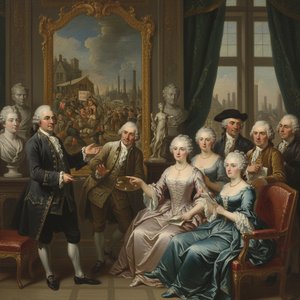
Reflections of an Age: Social Commentary & Artistic Representation in 18th-Century Society
Explore the social commentary & artistic representation of 18th-century society. Discover Rococo masterpieces, portraiture's power, and shifting historical perspectives. Expert insights for art lovers.
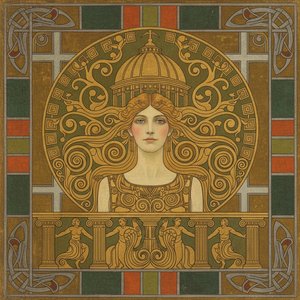
The Vienna Secession: A Rebellion of Form & Spirit in Fin-de-Siècle Art
Discover the revolutionary Vienna Secession art movement! Explore Klimt, Olbrich & more. Learn about its history, characteristics & lasting influence on modern art. High-quality reproductions available.
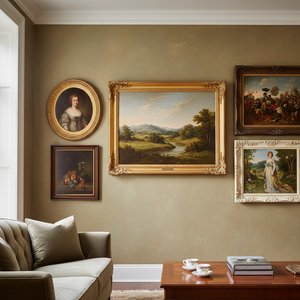
Iconic Art of the 18th & 19th Centuries: Masterpieces for Your Home | ArtsDot
Journey through 18th & 19th century art! Explore iconic masterpieces by Monet, Van Gogh & more. Discover the stories behind these timeless paintings and find museum-quality reproductions for your home at ArtsDot.com.
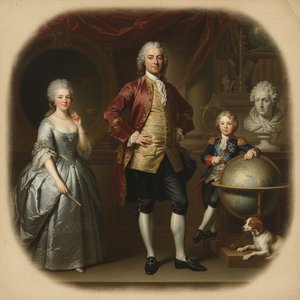
Reflecting Nobility & Nuance: 18th-Century Portraiture as a Window into Societal Values
Explore the world of 18th-century portraiture with ArtsDot. Discover symbolism, artistic innovation & societal values reflected in masterpieces by Reynolds, Hogarth & more. Expert insights for collectors.

