

 Pregledaj u prostoru
 Pošalji
 Podeli
 Detalji o delu

 Преузми
 Slični predmeti
 Rendgenski snimak
 Slajdovi
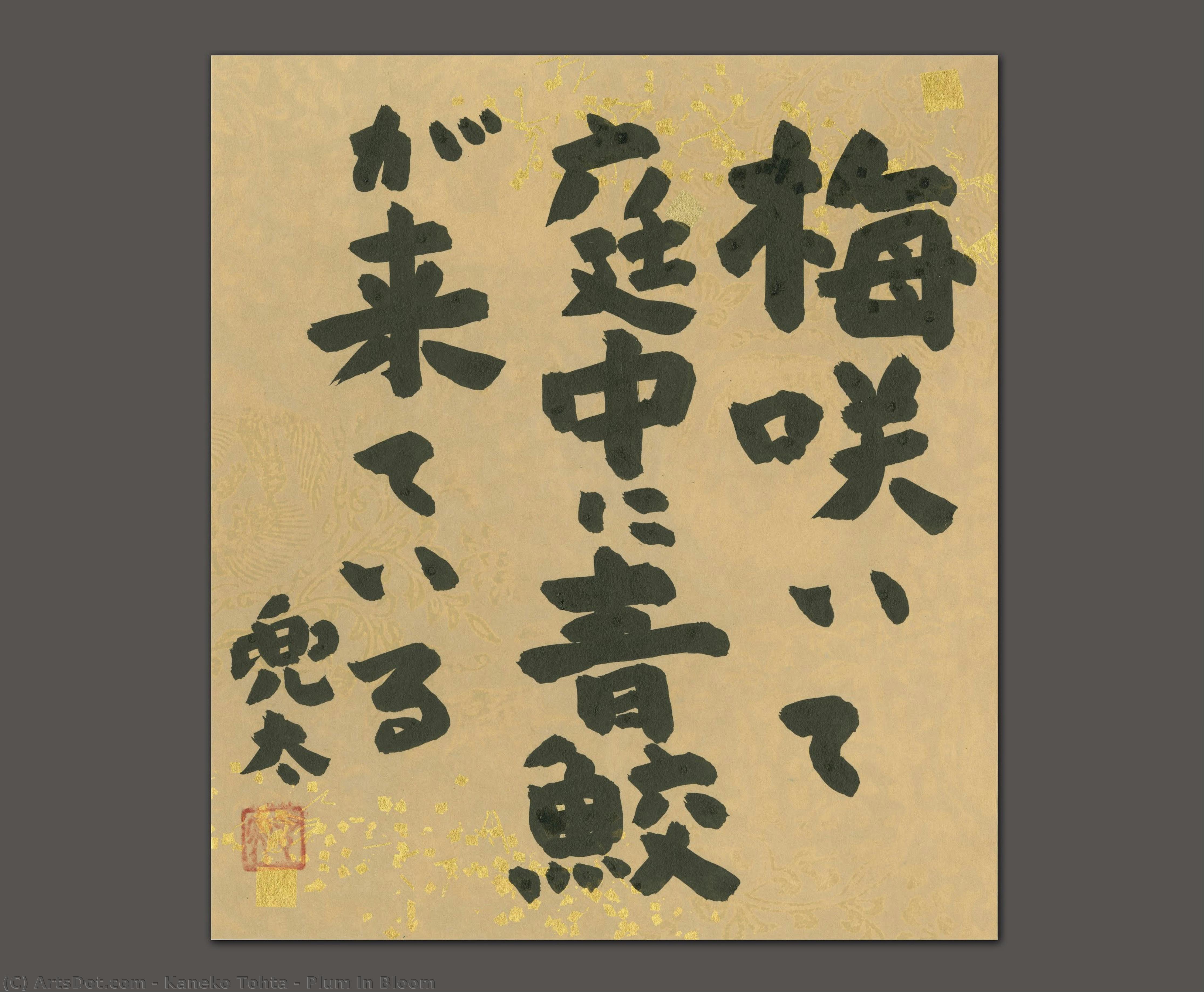
Plum In Bloom

 Pročitaj više
Kupite digitalnu sliku visoke rezolucije i poboljšanog kvaliteta, koja je znatno superiornija od onoga što vidite u online prikazu.
Svaka datoteka je pedantno pripremljena od strane naših stručnjaka koristeći napredne alate i profesionalnu ručnu retušu. Osiguravamo da svaka slika ima izuzetnu oštrinu, preciznu reprodukciju boja i fine detalje.
Konačna datoteka se dostavlja putem e-pošte u roku od 72 sata, optimizovana za neposrednu upotrebu u profesionalnim, izdavačkim i štamparskim okruženjima. To je isti kvalitet kojem veruju vrhunski studiji dizajna, izdavači i galerije.
Digitalna slika
Preuzmite datoteku visoke rezolucije za ličnu upotrebu, štampanje i kreativne projekte. ( Kupi print Kupi ručno naslikanu sliku)
Uključeno uz svaku porudžbinu digitalne slike
Profesionalna digitalna isporuka, zagarantovana
Kada odaberete ArtsDot.com, ne dobijate samo sliku – vi primate profesionalno unapređeno digitalno umetničko delo, izrađeno sa najvećom preciznošću i uz garanciju zadovoljstva. Evo svega što automatski dolazi uz vašu porudžbinu:

Brza dostava putem e-pošte
Vaša digitalna slika visoke rezolucije biće vam poslata putem e-pošte u roku od 72 sata od poručivanja – spremna za trenutnu upotrebu.

Digitalna datoteka unapređena veštačkom inteligencijom
Vaše umetničko delo je profesionalno optimizovano korišćenjem naprednih AI alata i ručne obrade, čime se osiguravaju maksimalni detalji, oštrina i preciznost boja.

Besplatna ponovna isporuka doživotno
Slučajno ste obrisali ili izgubili svoju datoteku? Ne brinite – poslaćemo vam je ponovo u bilo kom trenutku, potpuno besplatno.

Bez troškova uvoza – zauvek
Uživajte u svojim umetničkim delima trenutno, bez carine, dažbina ili troškova dostave – digitalni download je uvek bez poreza.

Garancija vernosti boja
Uz pomoć profesionalnih alata i upravljanja bojama, osiguravamo da vaša digitalna slika što vernije odražava originalne boje.

Garancija zadovoljstva u roku od 60 dana
Ako niste zadovoljni svojom digitalnom slikom, revidirat ćemo je ili vratiti 100% novca u roku od 60 dana – bez ikakvih pitanja.

100% garancija povrata novca
Niste zadovoljni? Obezbedite pun povrat novca u roku od 60 dana od trenutka kada ste primili svoju digitalnu datoteku – bez suvišnih pitanja.

Popusti na velike porudžbine
Kupite 3 slike, uštedite 10% - Kupite 5 slika, uštedite 15% - Kupite 10+ slika, uštedite 20%. Odlično za kreativne projekte, galerije i agencije.
Srodna umetnička dela










Biografija umetnika
A Life Sculpted in Clay: The World of Kaneko Tohta
Kaneko Tohta, born in the mountainous region of Chichibu, Japan, in 1919 and passing away in 2018 at the remarkable age of 98, was a figure whose influence extended far beyond the realm of ceramics. Though initially trained as an economist—graduating from the University of Tokyo and spending years working for the Bank of Japan—Kaneko’s true calling lay in artistic expression, specifically in the transformative power of clay. His journey wasn't one of immediate artistic pursuit; rather, it was a gradual unfolding, shaped by post-war introspection and a desire to redefine traditional Japanese aesthetics. He didn’t simply *make* ceramics; he engaged in a dialogue with them, coaxing forth abstract forms that resonated with both ancient philosophies and the burgeoning modern art movements of his time.From Haiku to Hollow Forms: Early Influences & Artistic Awakening
Kaneko's early life was deeply intertwined with the world of haiku poetry. He began writing at the age of eighteen, absorbing the minimalist beauty and evocative power of this traditional Japanese form. This foundation in haiku—its emphasis on suggestion, natural imagery, and a profound connection to seasonality—would prove crucial to his later ceramic work. He was drawn to poets like Takeshita Shizunojo, Katoh Shuuson, and Nakamura Kusatao, absorbing their techniques and philosophies. However, the disruption of World War II and his subsequent experiences as a naval pay officer profoundly altered his perspective. After repatriation, he returned to the Bank of Japan but continued to nurture his artistic inclinations. The post-war period in Japan was one of immense social and cultural upheaval, and Kaneko found himself increasingly drawn to avant-garde movements that challenged established norms. This spirit of innovation led him to co-found the “Kaitei” haiku group in 1962, a collective dedicated to pushing the boundaries of poetic expression. It was through this exploration of form and meaning in poetry that his interest in ceramics truly blossomed. He began to see clay not merely as a material for functional objects but as a medium for sculptural abstraction—a way to translate the essence of haiku into three-dimensional space.The Language of Abstraction: Developing a Unique Ceramic Style
Kaneko Tohta’s ceramic sculptures are immediately recognizable for their distinctive abstract forms and striking glazes. He eschewed representational imagery, instead focusing on creating vessels and objects that evoked emotion through shape, texture, and color. His early work was characterized by a strong emphasis on “plasticism” and “sociality,” reflecting his intellectual engagement with contemporary art theory. However, over time, he developed a more refined aesthetic—one rooted in the principles of classical Japanese art but infused with a distinctly modern sensibility. He became known for his exploration of what he termed "Mu Kigo," or haiku without season words, translating this concept into ceramics by creating forms that were not tied to specific narratives or representational elements. His glazes are particularly noteworthy—often employing complex layering techniques and unexpected color combinations to create surfaces that shimmer and change with the light. These weren’t simply decorative finishes; they were integral to the overall composition of the work, adding depth, complexity, and a sense of mystery. He masterfully manipulated geometric forms, creating sculptures that felt both monumental and delicate—powerful statements about the human condition rendered in clay.Recognition & Legacy: A Champion of Modern Haiku and Ceramic Art
Throughout his long and prolific career, Kaneko Tohta received numerous accolades for his contributions to Japanese art and literature. He was awarded the Dakotsu Prize in 2002, followed by the Cikada Prize in 2005, and was designated a Person of Cultural Merit in 2008. The Kikuchi Kan Prize (2010) and the prestigious Asahi Prize (2015) further cemented his reputation as one of Japan’s most important cultural figures. In 2008, he also received the grand prize at the Masaoka Shiki International Haiku Awards, a testament to his enduring influence on the world of poetry. Beyond these awards, Kaneko Tohta's lasting legacy lies in his ability to bridge the gap between tradition and innovation—to create art that was both deeply rooted in Japanese culture and profoundly relevant to contemporary audiences. He served as Honorary President of the Modern Haiku Society for many years, championing new voices and encouraging experimentation within the form. His work continues to inspire artists and poets alike, serving as a powerful reminder of the transformative power of artistic expression.A Lasting Impression: Kaneko Tohta in the Landscape of Contemporary Art
Kaneko Tohta’s impact extends beyond his specific contributions to haiku or ceramics; he fundamentally altered the way Japanese art was perceived both domestically and internationally. He demonstrated that abstraction could be deeply meaningful—that form, color, and texture could convey emotion and ideas with a power equal to, if not greater than, representational imagery. His sculptures are now held in numerous public and private collections around the world, serving as testaments to his enduring artistic vision. His work is often described as meditative, inviting viewers to slow down, contemplate, and connect with the underlying essence of the forms. He wasn’t simply creating objects; he was crafting experiences—inviting a dialogue between the artwork and the observer. Kaneko Tohta's life and work stand as a powerful example of how artistic expression can transcend boundaries—how it can bridge cultures, challenge conventions, and ultimately enrich our understanding of the world around us.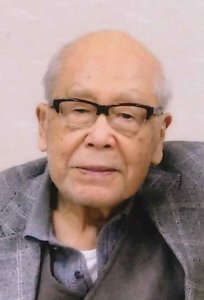
kaneko tohta
1919 - 2018 , Japan
Kratke činjenice
- Artistic Movement Or Style: Abstract ceramics
- Date Of Birth: September 23, 1919
- Date Of Death: February 20, 2018
- Full Name: Kaneko Tohta
- Nationality: Japanese
- Place Of Birth: Chichibu, Japan

