

 Pregledaj u prostoru
 Pošalji
 Podeli
 Detalji o delu

 Преузми
 Slični predmeti
 Rendgenski snimak
 Slajdovi
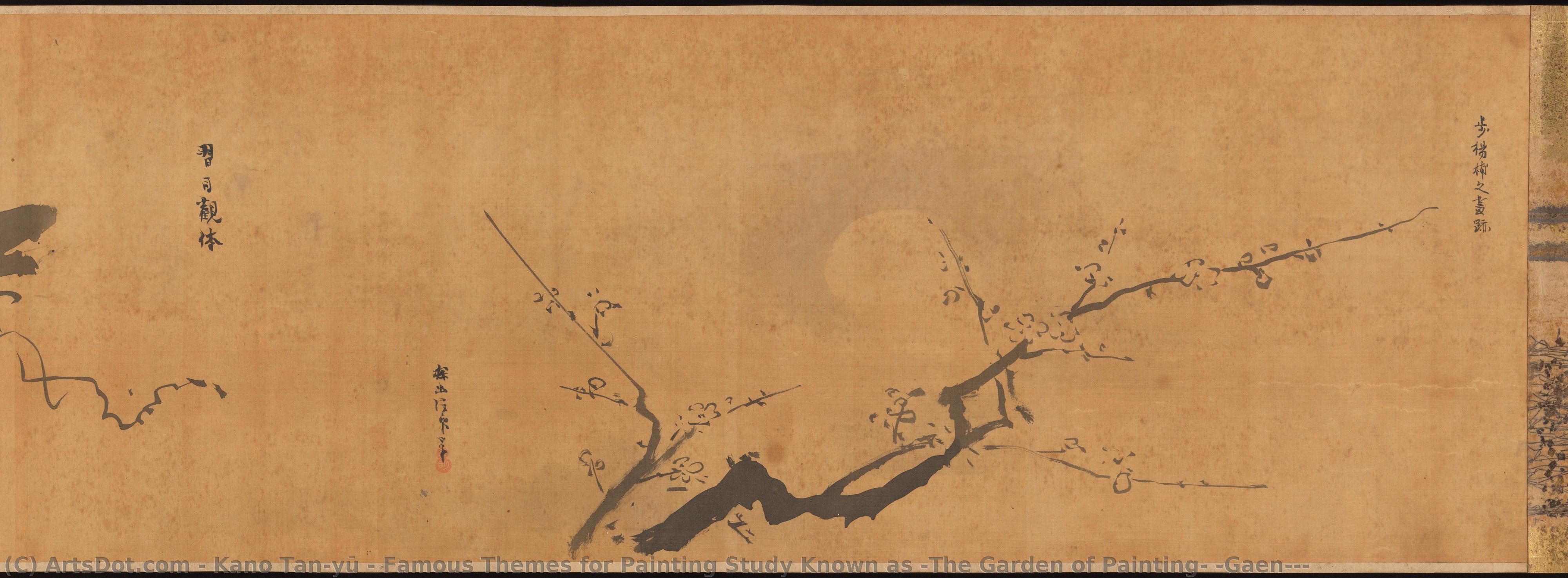
Famous Themes for Painting Study Known as “The Garden of Painting” (Gaen)
 1670
1670 28.0 x 354.0 cm
 Pročitaj više
Kupite digitalnu sliku visoke rezolucije i poboljšanog kvaliteta, koja je znatno superiornija od onoga što vidite u online prikazu.
Svaka datoteka je pedantno pripremljena od strane naših stručnjaka koristeći napredne alate i profesionalnu ručnu retušu. Osiguravamo da svaka slika ima izuzetnu oštrinu, preciznu reprodukciju boja i fine detalje.
Konačna datoteka se dostavlja putem e-pošte u roku od 72 sata, optimizovana za neposrednu upotrebu u profesionalnim, izdavačkim i štamparskim okruženjima. To je isti kvalitet kojem veruju vrhunski studiji dizajna, izdavači i galerije.
Digitalna slika
Preuzmite datoteku visoke rezolucije za ličnu upotrebu, štampanje i kreativne projekte. ( Kupi print Kupi ručno naslikanu sliku)
Uključeno uz svaku porudžbinu digitalne slike
Profesionalna digitalna isporuka, zagarantovana
Kada odaberete ArtsDot.com, ne dobijate samo sliku – vi primate profesionalno unapređeno digitalno umetničko delo, izrađeno sa najvećom preciznošću i uz garanciju zadovoljstva. Evo svega što automatski dolazi uz vašu porudžbinu:

Brza dostava putem e-pošte
Vaša digitalna slika visoke rezolucije biće vam poslata putem e-pošte u roku od 72 sata od poručivanja – spremna za trenutnu upotrebu.

Digitalna datoteka unapređena veštačkom inteligencijom
Vaše umetničko delo je profesionalno optimizovano korišćenjem naprednih AI alata i ručne obrade, čime se osiguravaju maksimalni detalji, oštrina i preciznost boja.

Besplatna ponovna isporuka doživotno
Slučajno ste obrisali ili izgubili svoju datoteku? Ne brinite – poslaćemo vam je ponovo u bilo kom trenutku, potpuno besplatno.

Bez troškova uvoza – zauvek
Uživajte u svojim umetničkim delima trenutno, bez carine, dažbina ili troškova dostave – digitalni download je uvek bez poreza.

Garancija vernosti boja
Uz pomoć profesionalnih alata i upravljanja bojama, osiguravamo da vaša digitalna slika što vernije odražava originalne boje.

Garancija zadovoljstva u roku od 60 dana
Ako niste zadovoljni svojom digitalnom slikom, revidirat ćemo je ili vratiti 100% novca u roku od 60 dana – bez ikakvih pitanja.

100% garancija povrata novca
Niste zadovoljni? Obezbedite pun povrat novca u roku od 60 dana od trenutka kada ste primili svoju digitalnu datoteku – bez suvišnih pitanja.

Popusti na velike porudžbine
Kupite 3 slike, uštedite 10% - Kupite 5 slika, uštedite 15% - Kupite 10+ slika, uštedite 20%. Odlično za kreativne projekte, galerije i agencije.
Opis kolekcionarskog dela
Srodna umetnička dela



Biografija umetnika
Early Life and Lineage
Kanō Tan’yū, born in Kyoto in 1602, emerged from a lineage steeped in the traditions of the Kanō school—the most influential force in Japanese painting for centuries. His father, Kano Takanobu, was a prominent artist within this established system, and Tan’yū inherited not only his artistic skill but also a profound understanding of the aesthetic principles that had defined generations of painters. The Kanō school, originating with Kanō Masanobu in the 15th century, blended elements of Zen Buddhism, Chinese landscape painting, and classical Japanese styles. Tan'yū’s early training would have been rigorous, focusing on meticulous brushwork, an understanding of compositional balance, and a deep respect for historical precedents. However, he wasn’t simply destined to replicate the past; his career would be marked by a unique synthesis of tradition and innovation.
The Kajibashi Style and Shogunate Patronage
At the remarkably young age of seventeen, Tan’yū received an appointment as painter to the Tokugawa shogunate. This pivotal moment dramatically altered the course of his artistic development. He was granted an estate in Edo (modern-day Tokyo) called Kajibashi, and it became synonymous with a distinct branch of the Kanō school—the Kajibashi-Kano style. This patronage wasn’t merely financial; it came with the responsibility of establishing a new visual language that reflected the power and authority of the shogunate. Tan'yū responded by deliberately returning to earlier, more restrained forms of Kanō painting, eschewing some of the flamboyant excesses that had crept into the style during the late 16th century. He favored historical subjects—particularly those embodying Confucian ethical precepts—and landscapes imbued with a sense of solemn dignity.
Large-Scale Commissions and Architectural Decoration
Tan’yū's influence extended far beyond individual paintings; he became renowned for his large-scale decorative projects within the castles and palaces of the Tokugawa regime. He left an indelible mark on Nijō Castle in Kyoto, decorating its walls with scenes that celebrated the shogunate’s authority and legitimacy. Similar commissions followed at Nagoya Castle and the Kyoto Imperial Palace. These weren't isolated artistic endeavors; they were integral to the political messaging of the era. The paintings served as powerful visual statements, reinforcing the shogun’s position and projecting an image of stability and cultural refinement. His approach involved not only his own hand but also that of a growing workshop—a testament to the scale of these undertakings and his role as a master organizer.
Themes and Techniques: A Synthesis of Tradition
Tan'yū’s paintings are characterized by a remarkable balance between technical virtuosity and philosophical depth. He excelled in both monochrome ink wash painting (sumi-e) and colorful, detailed compositions. His subject matter often revolved around historical figures—Confucius and his disciples being particularly favored—and scenes from nature, such as landscapes populated with tigers, birds, and bamboo. The tiger motif, for example, wasn’t simply a display of artistic skill; it symbolized courage, strength, and protection—qualities highly valued by the warrior class. His technique involved meticulous brushwork, subtle gradations of tone, and a masterful use of negative space. He was also known for his numerous sketches of flora and fauna, demonstrating an acute observational ability that informed his larger compositions. His style is often described as conservative, but this conservatism wasn’t stagnation; it was a deliberate effort to revive the core principles of the Kanō school while adapting them to the needs of his time.
Legacy and Historical Significance
Kanō Tan’yū died in Edo in 1674, leaving behind a legacy that profoundly shaped Japanese painting for generations. He established the dominant style of Edo-period art, laying the foundation for a vast organization of official shogunate painters. His emphasis on historical subjects and Confucian values resonated with the ruling class, solidifying his position as a cultural icon. While later artists would explore new avenues of expression, Tan’yū's influence remained pervasive. He is remembered not only as a skilled painter but also as a master collector, a shrewd administrator, and a pivotal figure in the development of Japanese art history. His work continues to be admired for its technical brilliance, philosophical depth, and enduring aesthetic appeal.

kano tan'yū
1602 - 1674
Kratke činjenice
- Artistic Movement Or Style: Kanō school, Momoyama style
- Artists Or Movements Influenced By This Artist: ['Later Kanō artists']
- Artists Who Influenced This Artist: ['Kano Takanobu']
- Date Of Birth: 1602
- Date Of Death: 1674
- Full Name: Kanō Tan'yū
- Nationality: Japanese
- Notable Artworks:
- Bluish-Green Fish Scales
- Summer Landscape
- Squirrel on Bamboo
- Confucius and Two Disciples

