

 Pošalji
 Podeli
 Detalji o delu

 Преузми
 Slični predmeti
 Slajdovi
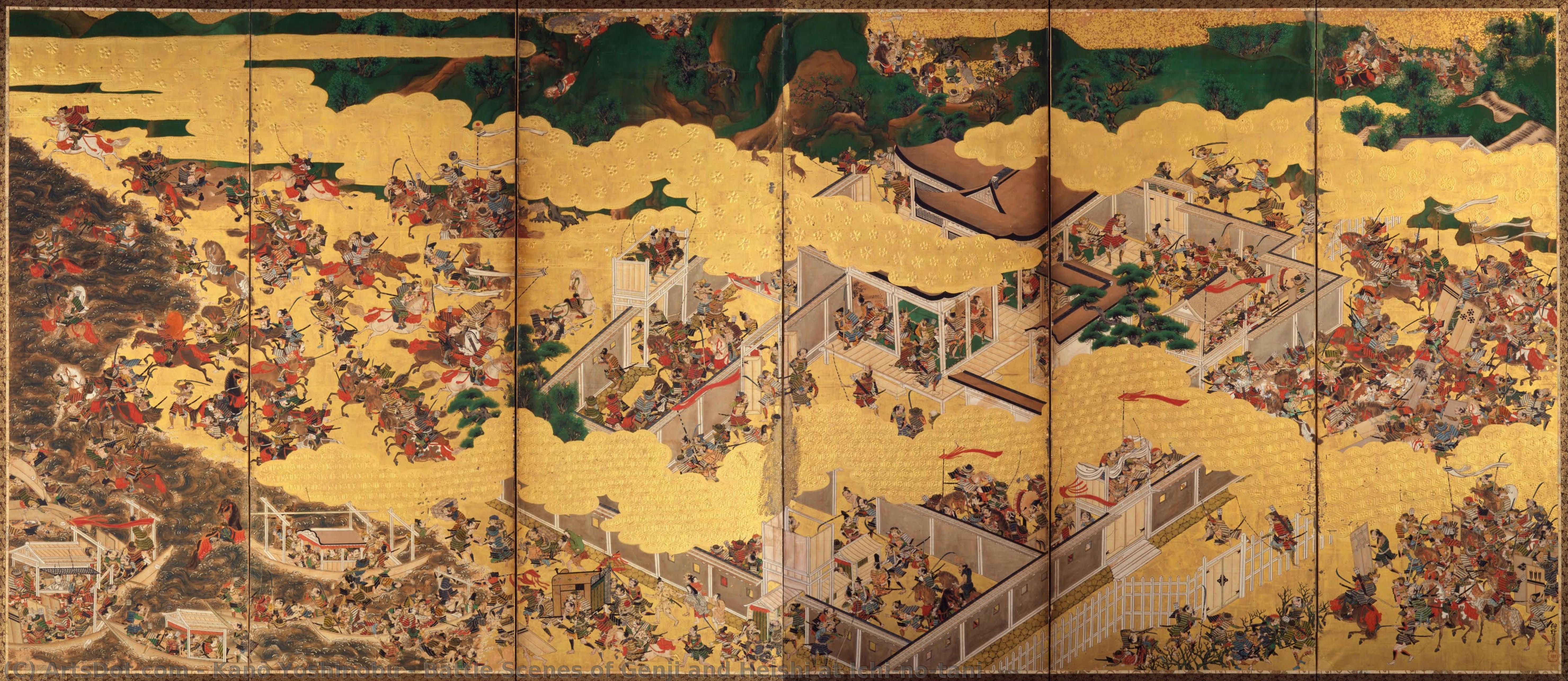
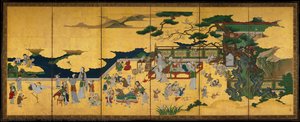
Battle Scenes of Genji and Heishi at Ichi-no-tani
 Gold Leaf
- Sculpture
- Kano School
 Early Modern
 351.0 x 154.0 cm
 Kobe City Museum
 Pročitaj više
Ručno rađena uljana reprodukcija
Ručno oslikano uljanim bojama na platnu u dimenzijama i okviru po vašem izboru, izrađeno po porudžbini od strane naših umetnika. ( Kupi print Kupi digitalnu sliku)




































Izaberite jednu od naših unapred definisanih veličina koje odgovaraju originalnim proporcijama umetničkog dela.

Можете унети сопствене димензије како бисте прилагодили дело одређеном оквиру или простору. Ако одабрана величина не одговара пропорцијама оригинала, слика ће бити исечена или проширена додатним елементима који се ручно насликавају. Дигитални prikaz ће вам бити послат на одобрење пре почетка производње.
Имајте на уму да преглед на екрану не одражава стварно исецање или проширење. Само приказ (mockup) ће тачно приказати коначну композицију.
Иако су доступне прилагођене величине, препоручујемо да одаберете димензију из дефинисане листе како бисте сачували оригиналне пропорције.
Nakon narudžbine, tim ArtsDot.com će klijentu putem e-pošte poslati uputstva i dostaviti prikaz predloženog rešenja
Isporuka širom sveta () za 3/4 nedelje umesto uobičajenih 5 nedelja. (6 септембар). Bez kompromisa po pitanju kvaliteta.

Besplatna ekspresna dostava širom sveta

Visokokvalitetno laneno platno

Kompletno osiguranje transporta

Garancija povraćaja carine i uvoznih dažbina

Garancija vernosti boja

Politika povrata u roku od 100 dana (samo u slučaju nedostataka)

Garancija povrata novca od 100%

Popust pri grupnoj kupovini
 Opcija sa staklom dostupna je samo za dimenzije manje od 110 cm

Battle Scenes of Genji and Heishi at Ichi-no-tani
Tehnika reprodukcije
Dimenzije reprodukcije
-


Konačna cena
$ 263
A Grand Spectacle of War and Gold
In the vast expanse of Japanese art history, few works command the room with such visceral intensity and luminous splendor as Kanō Yoshinobu’s masterpiece, Battle Scenes of Genji and Heishi at Ichi-no-tani. Spanning a monumental 351 x 154 cm, this triptych is not merely a painting but an immersive environment that transports the viewer directly into the heart of a legendary conflict. As light dances across its surface, the heavy use of gold leaf creates a divine, ethereal glow that elevates the brutal reality of combat into something mythic and eternal. For the discerning collector or interior designer, this piece serves as a profound focal point, offering a sense of historical weight and unparalleled luxury that can anchor even the most ambitious architectural spaces.
The narrative unfolds across three expansive panels, each meticulously detailed to capture the chaotic energy of the Genpei War. Yoshinobu, a master of the prestigious Kanō school, utilizes a signature technique characterized by firm, decisive outlines and a vibrant palette that breathes life into every figure. The composition is a whirlwind of motion; soldiers and warriors are locked in desperate struggle, their forms etched with a precision that highlights the tension of the moment. Amidst the swirling dust of battle, the artist has subtly integrated elements of the natural world—birds flitting through the periphery—which serve as poignant reminders of the fleeting nature of life amidst the permanence of legend. This juxtaposition between the violent human drama and the serene presence of nature adds a layer of profound philosophical depth to the work.
The Legacy of the Kanō School
To possess or display a reproduction of such caliber is to engage with the very essence of Japanese aristocratic tradition. During the era when Yoshinobu practiced, the Kanō school was the preeminent force in decorating the castles and palaces of the nobility. This specific work, housed in the Kobe City Museum, exemplifies the "large-scale" style intended to impress and awe visitors with its sheer scale and opulent materials. The technique of applying gold leaf is not merely decorative; it is a structural element of the storytelling, reflecting light in a way that suggests the divine importance of the historical figures depicted.
For those seeking to infuse their surroundings with a sense of drama and cultural sophistication, this artwork offers more than just aesthetic beauty. It provides a window into a period of transformative Japanese history, where the clash of clans shaped the destiny of a nation. The emotional impact of the piece lies in its ability to balance the terrifying scale of war with an exquisite, refined elegance. Whether placed in a grand gallery or a curated private study, Battle Scenes of Genji and Heishi at Ichi-no-tani remains a breathtaking testament to the power of the brush and the enduring allure of the golden age of Japanese painting.
Srodna umetnička dela

Biografija umetnika
early life and training
kanō yoshinobu, also known as kanō tōrin, was a japanese painter born in izu in 1781 and died in 1820. he was a member of the renowned kanō school, one of the most famous schools of japanese painting, which dominated the art scene from the late 15th century until the meiji period in 1868.artistic style and contributions
kanō yoshinobu's artistic style was characterized by its brightly colored and firmly outlined style for large panels decorating the castles of the nobility, as well as his monochrome brush paintings in chinese styles. he was known for his impressive and luxurious works, which showcased his skill and expertise.notable works
some of kanō yoshinobu's notable works include:- battle scenes of genji and heishi at ichi-no-tani (351 x 154 cm, kobe city museum, japan, gold leaf) - a prime example of his large-scale works for the nobility.
- meeting between emperor wen and fisherman lü shang (169 x 380 cm, panel) - a representation of the legendary meeting between emperor wen and the wise fisherman lü shang.
legacy and influence
kanō yoshinobu was part of a long lineage of talented artists from the kanō school, which included notable figures like kanō masanobu, kanō motonobu, and kanō eitoku. his contributions to japanese painting have had a lasting impact, with his works continuing to inspire artists to this day.view kanō yoshinobu's artworks on ArtsDot.com
to explore more of kanō yoshinobu's artworks, visit [https://ArtsDot.com/@/kanō-yoshinobu](https://ArtsDot.com/@/kanō-yoshinobu). discover the rich history and cultural significance of japanese art through ArtsDot.com's extensive collection.related artists and art movements
- kanō hōgai: a japanese painter known for his contributions to the development of nihonga art style. [https://ArtsDot.com/@/kanō-hogai](https://ArtsDot.com/@/kanō-hogai)
- the kanō school style art movement: a dominant force in japanese painting for several centuries, characterized by its use of gold leaf and bold colors. [https://ArtsDot.com/@@/a@d3cpwr](https://ArtsDot.com/@@/a@d3cpwr)
kanō yoshinobu
1781 - 1820 , Japan
Osnovne informacije
- Artistic Movement Or Style: Rococo, Romanticism
- Artists Or Movements Influenced By This Artist:
- William Blake
- Romanticism
- Artists Who Influenced This Artist:
- Michelangelo
- classical art
- Date Of Birth: February 7, 1741
- Date Of Death: April 16, 1825
- Full Name: Henry Fuseli
- Nationality: Swiss
- Notable Artworks:
- The Nightmare
- Hercules and Antaeus
- Place Of Birth: Zürich, Switzerland
Povezani članci

Golden Masterpieces: 10 Paintings That Define Art History | ArtsDot
Explore 10 breathtaking paintings where gold leaf shines! From Klimt to Byzantine icons, discover art history’s most gilded masterpieces. Find museum-quality reproductions & elevate your home decor with ArtsDot. Explore the full collection online.
The Allure of Gold in Art History: Symbolism, Technique & Cultural Significance
Explore the rich history of gold in art! Discover symbolism, techniques & cultural significance from ancient civilizations to Klimt's masterpieces. Expert insights for collectors at ArtsDot.
Golden Glow: How to Use Metallic Gold Artworks to Elevate Your Home Decor with Timeless Luxury
Discover how to elevate your home with the timeless elegance of metallic gold artworks. From sculptural metal pieces to gilded oil paintings, learn expert interior design tips for integrating luxurious gold accents into your space with sophistication and grace.
Gustav Klimt: 25 Remek-Dela Koje Očaravaju Svet – Reprodukcije za Vaš Dom
Uronite u svet Gustava Klimta! Otkrijte 25 remek-dela bečkog secesiona, od 'Poljupca' do portreta Adele Bloch-Bauer. Reprodukcije slika vrhunskog kvaliteta za luksuzni enterijer – inspiracija i dekoracija na ArtsDot.com.
The Hague School: Realism, Atmosphere & the Dawn of Dutch Impressionism
Explore the Hague School's pivotal role in Dutch art history. Discover realism, atmospheric landscapes & its influence on Impressionism. Learn about key artists like Mauve & Maris with ArtsDot.