

 Pošalji
 Podeli
 Detalji o delu

 Преузми
 Slični predmeti
 Slajdovi
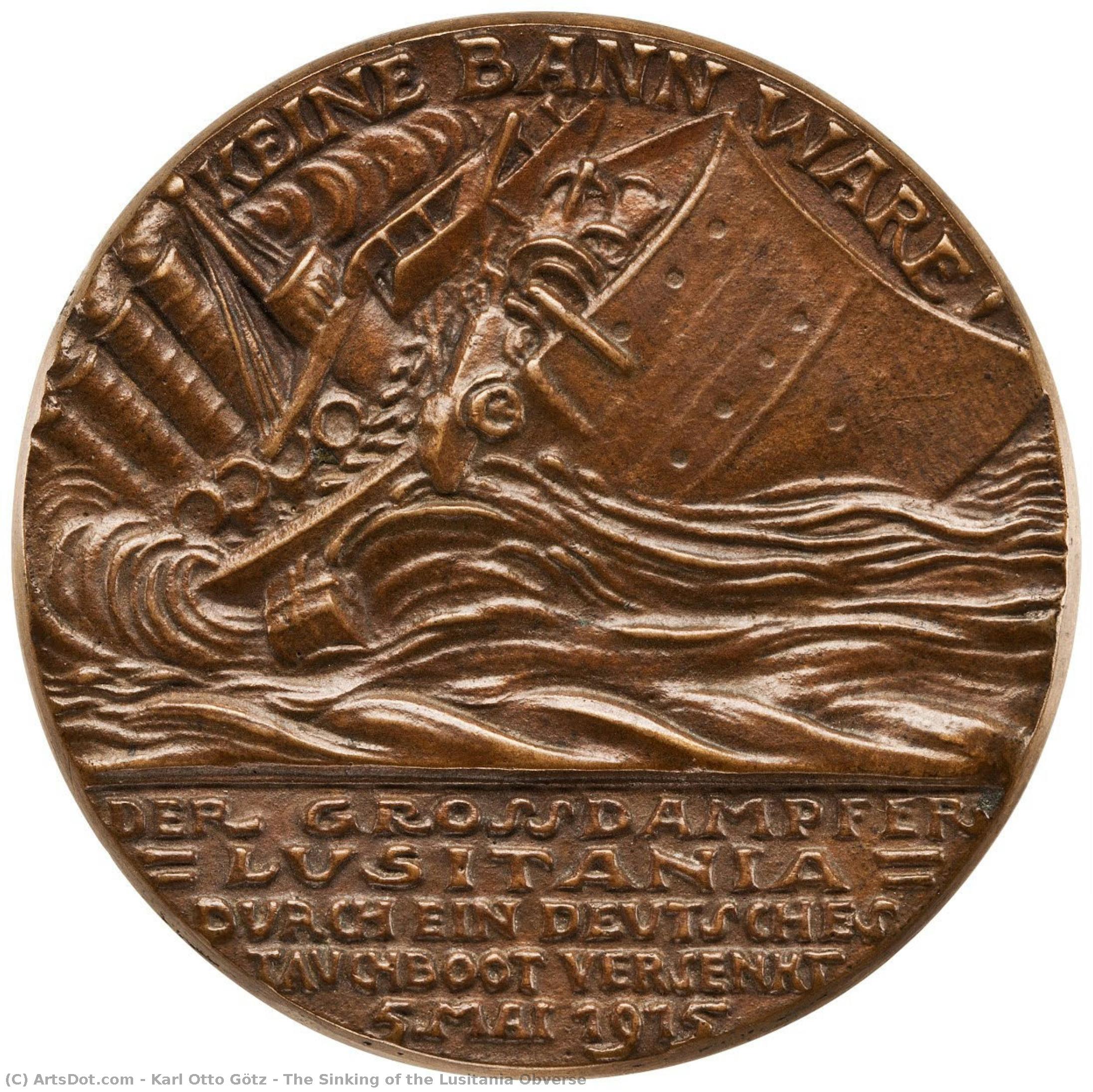
The Sinking of the Lusitania Obverse


 Pročitaj više
Kupite digitalnu sliku visoke rezolucije i poboljšanog kvaliteta, koja je znatno superiornija od onoga što vidite u online prikazu.
Svaka datoteka je pedantno pripremljena od strane naših stručnjaka koristeći napredne alate i profesionalnu ručnu retušu. Osiguravamo da svaka slika ima izuzetnu oštrinu, preciznu reprodukciju boja i fine detalje.
Konačna datoteka se dostavlja putem e-pošte u roku od 72 sata, optimizovana za neposrednu upotrebu u profesionalnim, izdavačkim i štamparskim okruženjima. To je isti kvalitet kojem veruju vrhunski studiji dizajna, izdavači i galerije.
Digitalna slika
Preuzmite datoteku visoke rezolucije za ličnu upotrebu, štampanje i kreativne projekte. ( Kupi print Kupi ručno naslikanu sliku)
Uključeno uz svaku porudžbinu digitalne slike
Profesionalna digitalna isporuka, zagarantovana
Kada odaberete ArtsDot.com, ne dobijate samo sliku – vi primate profesionalno unapređeno digitalno umetničko delo, izrađeno sa najvećom preciznošću i uz garanciju zadovoljstva. Evo svega što automatski dolazi uz vašu porudžbinu:

Brza dostava putem e-pošte
Vaša digitalna slika visoke rezolucije biće vam poslata putem e-pošte u roku od 72 sata od poručivanja – spremna za trenutnu upotrebu.

Digitalna datoteka unapređena veštačkom inteligencijom
Vaše umetničko delo je profesionalno optimizovano korišćenjem naprednih AI alata i ručne obrade, čime se osiguravaju maksimalni detalji, oštrina i preciznost boja.

Besplatna ponovna isporuka doživotno
Slučajno ste obrisali ili izgubili svoju datoteku? Ne brinite – poslaćemo vam je ponovo u bilo kom trenutku, potpuno besplatno.

Bez troškova uvoza – zauvek
Uživajte u svojim umetničkim delima trenutno, bez carine, dažbina ili troškova dostave – digitalni download je uvek bez poreza.

Garancija vernosti boja
Uz pomoć profesionalnih alata i upravljanja bojama, osiguravamo da vaša digitalna slika što vernije odražava originalne boje.

Garancija zadovoljstva u roku od 60 dana
Ako niste zadovoljni svojom digitalnom slikom, revidirat ćemo je ili vratiti 100% novca u roku od 60 dana – bez ikakvih pitanja.

100% garancija povrata novca
Niste zadovoljni? Obezbedite pun povrat novca u roku od 60 dana od trenutka kada ste primili svoju digitalnu datoteku – bez suvišnih pitanja.

Popusti na velike porudžbine
Kupite 3 slike, uštedite 10% - Kupite 5 slika, uštedite 15% - Kupite 10+ slika, uštedite 20%. Odlično za kreativne projekte, galerije i agencije.
A Monument to Conflict: The Sinking of the Lusitania Medal
To gaze upon this bronze medal is not merely to observe an artifact; it is to confront a pivotal moment in modern history, rendered with the solemn weight of commemorative art. This piece, intrinsically linked to the tragic sinking of the RMS Lusitania during the crucible of World War I, transcends its function as mere decoration. It stands as a potent historical document cast in metal, capturing the raw drama of maritime disaster and the charged political atmosphere surrounding it. The very act of creating such an object—a mass-produced replica intended to incite public feeling—speaks volumes about propaganda, memory, and the devastating reach of conflict.
Artistic Craftsmanship and Historical Resonance
The medal itself showcases a masterful execution typical of late 19th or early 20th-century commemorative medallic art. The technique involves high-relief embossing on what appears to be bronze, giving every wave crest, piece of debris, and inscribed letter palpable dimensionality. Central to the composition is the depiction of the great steamer amidst turbulent seas, a visual metaphor for sudden, overwhelming catastrophe. The inscriptions—such as "KEINE BANNWARE" (No Contraband) juxtaposed with the explicit details of the sinking in the exergue—create an immediate tension. This duality forces the viewer to grapple not only with the loss of life but also with the complex narrative surrounding international law and wartime culpability.
Symbolism of Loss and Propaganda
The symbolism woven into this piece is dense and layered. The sinking ship embodies vulnerability against industrial might, while the waves themselves are more than just water; they represent chaos and the unstoppable force of historical momentum. Furthermore, understanding its provenance—as a medal that was replicated and sold for political ends—adds an intellectual layer to the viewing experience. It invites contemplation on how art can be weaponized, transforming personal tragedy into public spectacle. For the collector or decorator, this piece offers a unique conversation starter, prompting discussions about history's ambiguities rather than simply adorning a mantelpiece.
A Statement for the Modern Interior
Incorporating such a historically charged object into an interior space requires thoughtful consideration. It possesses an inherent gravitas that pairs beautifully with masculine, academic, or classically styled decor. When reproduced as a high-quality print or casting, it retains its narrative power while offering the aesthetic refinement suitable for gallery walls or library settings. Its rich, aged patina and detailed relief work catch the light in captivating ways, serving not just as decoration, but as an eloquent piece of visual storytelling that speaks to endurance, conflict, and the enduring human capacity to memorialize—and sometimes manipulate—memory.
Srodna umetnička dela
Biografija umetnika
The Explosive Legacy of Karl Otto Götz
Karl Otto Götz (1914 – 2017) stands as an unparalleled figure in the annals of twentieth-century art, a creator whose remarkable longevity—reaching over a century—was matched only by the sheer intensity and complexity of his artistic vision. Born in Aachen, Germany, Götz was far more than a mere painter; he was a filmmaker, draughtsman, printmaker, writer, and professor who profoundly shaped the artistic landscape of his era. His career was defined by explosive abstract forms that earned him international acclaim, most notably during his appearance at Documenta II in 1959, which cemented his place as one of the most vital members of the German Art Informel movement.
His journey began amidst the avant-garde currents of his youth, where he cultivated a deep fascination with Surrealism and Expressionism. The works of masters such as Max Ernst, Juan Gris, Wassily Kandinsky, and Paul Klee served as crucial early inspirations, shaping his initial stylistic explorations. While attending the School of Applied Arts in Aachen between 1932 and 1933, he honed the technical skills that would later serve his more radical experiments. However, the looming shadow of Nazism cast a profound darkness over his early trajectory; because the regime viewed abstract art with intense disapproval, Götz was banned from exhibiting. Yet, in an act of quiet defiance, he persevered, secretly continuing to create works that challenged the ideological constraints of the time.
The Spirit of Art Informel and Spontaneous Gesture
The post-war era brought a resurgence of artistic experimentation in Germany, fueled by a widespread disillusionment with traditional aesthetics and a desperate yearning for new forms of expression. It was within this fertile ground that Götz emerged as a pivotal champion of Deutsches Informel, or German Informal Art. This movement prioritized the raw power of gesture and spontaneity over the meticulous, controlled representation of the past. Götz’s work became a vessel for this energy, characterized by a rhythmic, almost frenetic application of paint that captured the psychological turbulence of the post-war period.
His mastery extended beyond the canvas into diverse mediums, where he explored the intersection of movement and image. His contributions to television art and his ability to translate the kinetic energy of painting into other formats demonstrated a relentless pursuit of innovation. This period of his life was marked by a refusal to be tethered to a single style, as he moved fluidly between:
- Abstract Expressionism: Utilizing rapid, gestural strokes to convey emotion.
- Printmaking and Medallion Work: Creating symbolic bronze pieces that reflected historical tensions and political symbolism.
- Experimental Film: Exploring the temporal dimension of visual abstraction.
Historical Significance and Lasting Influence
The significance of Karl Otto Götz lies not only in his individual achievements but in his role as a bridge between the early twentieth-century avant-garde and the contemporary era. His work provided a vital link for subsequent generations of artists, influencing titans of German art such as Sigmar Polke and Gerhard Richter. By championing an aesthetic that embraced the unpredictable and the unrefined, he helped redefine the boundaries of what painting could achieve in a modern, fractured world.
Even when working in more structured mediums, such as his striking bronze medallions, Götz infused his subjects with the bold, symbolic language of Art Informel. Whether depicting historical figures or commemorating naval incidents through powerful, symbolic imagery, his hand remained unmistakably his own—dynamic, authoritative, and deeply connected to the pulse of history. His legacy remains a testament to the power of artistic resilience, proving that even under the most restrictive regimes, the impulse toward abstract freedom can never be truly extinguished.

karl otto götz
1914 - 2017 , Germany
Kratke činjenice
- Artistic Movement Or Style: Art Informel
- Artists Or Movements Influenced By This Artist:
- Sigmar Polke
- Nam June Paik
- Gerhard Richter
- Artists Who Influenced This Artist:
- Max Ernst
- Juan Gris
- Wassily Kandinsky
- Paul Klee
- Date Of Birth: February 22nd, 1914
- Date Of Death: August 19th, 2017
- Full Name: Karl Otto Götz
- Nationality: German
- Notable Artworks:
- The King Stephen Incident Obverse
- The Sinking of the Lusitania Obverse
- German U-boats in America
- Place Of Birth: Aachen, Germany

