

 Pregledaj u prostoru
 Pošalji
 Podeli
 Detalji o delu

 Преузми
 Slični predmeti
 Rendgenski snimak
 Slajdovi
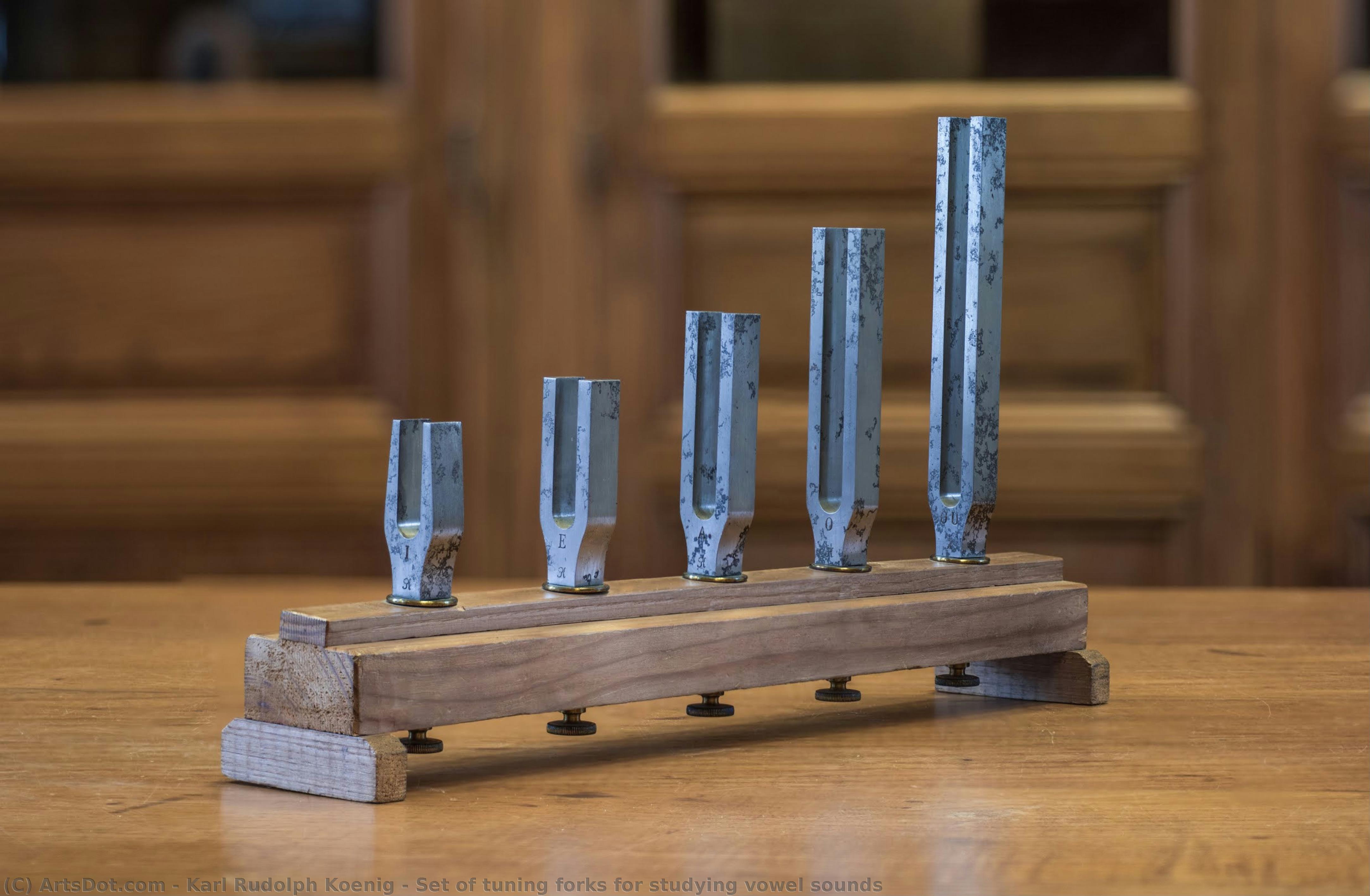
Set of tuning forks for studying vowel sounds


 Pročitaj više
Giclee štampa / Umetnički otisak
Giclée štampa ili print na platnu muzejskog kvaliteta uz brzu proizvodnju i fleksibilne opcije završne obrade. ( Kupi ručno naslikanu sliku Kupi digitalnu sliku)




































Izaberite jednu od naših unapred definisanih veličina koje odgovaraju originalnim proporcijama umetničkog dela.

Možete uneti sopstvene dimenzije kako biste umetničko delo prilagodili specifičnom okviru ili prostoru. Ako odabrani format ne odgovara proporcijama originalne slike, mi ćemo ili iscrtati deo dela ili proširiti sliku pomoću ogledane ivice ili jednobojnog popunjavanja. Digitalni prikaz će vam biti poslat na odobrenje pre početka proizvodnje.
Imajte na umu da pregled na ekranu ne odražava stvarno iscrtavanje ili proširivanje. Samo će prikaz (mockup) precizno pokazati finalnu kompoziciju.
Iako su prilagođene dimenzije dostupne, preporučujemo da odaberete dimenziju sa unapred definisane liste kako biste očuvali originalne proporcije.
Dostava širom sveta () za 2 nedelje umesto uobičajenih 4/5 nedelja. (7 септембар)

Besplatna ekspresna dostava širom sveta

Visokokvalitetno laneno platno

Kompletno osiguranje transporta

Garancija povraćaja carine i uvoznih dažbina

Garancija vernosti boja

Politika povraćaja u roku od 100 dana (isključivo u slučaju nedostataka)

Garancija povrata novca od 100%

Popust pri grupnoj kupovini
 Opcija sa staklom dostupna je samo za dimenzije manje od 110 cm

Set of tuning forks for studying vowel sounds
Giclee štampa / Umetnički otisak
Dimenzije reprodukcije
-


Konačna cena
$ 62
Srodna umetnička dela










Biografija umetnika
The Resonance of a Scientific Heritage
In the historic streets of Königsberg, where the analytical rigor of Prussia met the delicate melodies of tradition, Karl Rudolph Koenig was born into a world defined by precision and harmony. The son of a mathematics professor and a mother steeped in musical craftsmanship, his very existence was an intersection of two seemingly disparate disciplines. This dual inheritance—the mathematical mind of the scientist and the sensitive ear of the musician—would become the cornerstone of his legendary career. GrowingKoenig’s early years were shaped by a familial environment that nurtured a profound spirit of inquiry. His father, Johann Friedrich Koenig, provided a robust intellectual foundation, while his mother, Mathilde, instilled in him an innate curiosity about the natural world and the nuances of musicality. This unique upbringing ensured that when he eventually turned his attention to the mechanics of sound, he did so with both the precision of a scholar and the soul of an artist.
The Parisian Apprenticeship and the Art of Precision
The trajectory of Koenig's life shifted dramatically in 1851 when he moved to Paris, seeking to refine his innate talents under the tutelage of the master violin maker, Jean Baptiste Vuillaume. In the hallowed workshops of Paris, Koenig did not merely learn the mechanics of wood and string; he absorbed the very essence of craftsmanship. This period was transformative, as he mastered the delicate balance required to create instruments that were both structural marvels and sonic delights. However, his ambitions reached far beyond the boundaries of traditional lutherie.Driven by a profound curiosity about the physical properties of tone, Koenig began to pivot from the creation of musical instruments to the invention of scientific apparatuses designed to dissect sound itself. Inspired by the groundbreaking work of Hermann von Helmholtz, he dedicated his life to the pursuit of acoustic perfection. He transitioned from a maker of art to an architect of science, utilizing his mastery of wood and metal to develop tools that could capture the ephemeral nature of waves and vibrations.
A Legacy Written in Sound and Steel
As his career matured, Koenig emerged as a titan of acoustic research, bridging the gap between pure physics and practical engineering. His workshop became a crucible of innovation, producing instruments that were sought after by the most prestigious scientific minds across Europe and America. He was not merely an observer of sound but a creator of the very tools used to define it. His reputation for excellence was cemented through several monumental achievements:- The development of highly precise tuning forks that became essential instruments for studying acoustic phenomena.
- The invention of sophisticated sound analyzers that revolutionized the understanding of frequency and tone.
- The presentation of a magnificent collection of apparatus at the 1876 Philadelphia Centennial Exhibition, where he was awarded a prestigious gold medal.
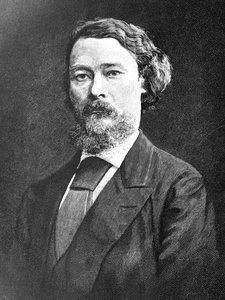
karl rudolph koenig
1832 - 1901 , Germany
Osnovne informacije
- Artistic Movement Or Style: Acoustic research
- Artists Or Movements Influenced By This Artist: ['Helmholtz theory']
- Artists Who Influenced This Artist: ['Jean Baptiste Vuillaume']
- Date Of Birth: November 26, 1832
- Date Of Death: October 2, 1901
- Full Name: Karl Rudolph Koenig
- Nationality: German
- Notable Artworks: ['Set of tuning forks for studying vowel sounds']
- Place Of Birth: Königsberg (Prussia)