 Pregledaj u prostoru
 Pošalji
 Podeli
 Detalji o delu

 Преузми
 Slični predmeti
 Rendgenski snimak
 Slajdovi
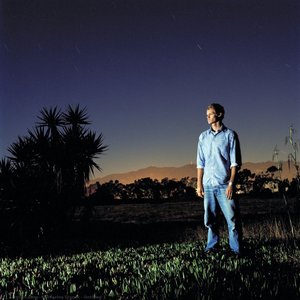
Untitled
 2017
2017 120.0 x 80.0 cm
 Lentos Kunstmuseum Linz
 Pročitaj više
Ručno rađena uljana reprodukcija
Ručno oslikano uljanim bojama na platnu u dimenzijama i okviru po vašem izboru, izrađeno po porudžbini od strane naših umetnika. ( Kupi print Kupi digitalnu sliku)




































Izaberite jednu od naših unapred definisanih veličina koje odgovaraju originalnim proporcijama umetničkog dela.

Можете унети сопствене димензије како бисте прилагодили дело одређеном оквиру или простору. Ако одабрана величина не одговара пропорцијама оригинала, слика ће бити исечена или проширена додатним елементима који се ручно насликавају. Дигитални prikaz ће вам бити послат на одобрење пре почетка производње.
Имајте на уму да преглед на екрану не одражава стварно исецање или проширење. Само приказ (mockup) ће тачно приказати коначну композицију.
Иако су доступне прилагођене величине, препоручујемо да одаберете димензију из дефинисане листе како бисте сачували оригиналне пропорције.
Nakon narudžbine, tim ArtsDot.com će klijentu putem e-pošte poslati uputstva i dostaviti prikaz predloženog rešenja
Isporuka širom sveta () za 3/4 nedelje umesto uobičajenih 5 nedelja. (7 септембар). Bez kompromisa po pitanju kvaliteta.

Besplatna ekspresna dostava širom sveta

Visokokvalitetno laneno platno

Kompletno osiguranje transporta

Garancija povraćaja carine i uvoznih dažbina

Garancija vernosti boja

Politika povraćaja u roku od 100 dana (isključivo u slučaju nedostataka)

Garancija povrata novca od 100%

Popust pri grupnoj kupovini
 Opcija sa staklom dostupna je samo za dimenzije manje od 110 cm

Untitled
Tehnika reprodukcije
Dimenzije reprodukcije
-


Konačna cena
$ 263
Srodna umetnička dela







Biografija umetnika
Jean-Michel Basquiat: A Voice From the Streets and Beyond
Jean-Michel Basquiat’s story is one of astonishing speed, meteoric rise, and tragically premature end – a whirlwind journey from the gritty streets of Brooklyn to the hallowed halls of the art world. Born in 1960 to Haitian and Puerto Rican parents, his early life was marked by movement and uncertainty, culminating in a teenage exodus to Lower Manhattan where he immersed himself in the vibrant, rebellious culture of New York’s downtown scene. This formative period, steeped in graffiti, punk rock, and a burgeoning sense of social awareness, would profoundly shape his artistic vision and become the bedrock upon which his iconic style was built.
Initially known as SAMO – an abbreviation for “same old, same old” – Basquiat began tagging walls with cryptic statements alongside fellow artists like Al Diaz. These early works, often incorporating poetry and social commentary, established a unique voice and laid the groundwork for his later explorations of identity, power dynamics, and cultural critique. The "Times Square Show" in 1980, a collaborative exhibition featuring SAMO’s work, catapulted him into the spotlight, attracting the attention of art critics and collectors alike. It was here that Basquiat began to transition from street art to canvas, embracing a more formal artistic practice while retaining the raw energy and subversive spirit of his earlier graffiti.
The Rise of Neo-Expressionism and Market Forces
By 1981, Basquiat’s paintings were gaining significant recognition. The influential article “The Radiant Child” in *Rolling Stone* magazine, written by critic Rene Ricard, solidified his position as a rising star, describing him not simply as a painter but as an "individual" – a concept that resonated deeply within the rapidly evolving art market of the 1980s. This period coincided with a surge in interest in large-scale painting and a shift away from minimalist aesthetics, giving rise to Neo-Expressionism. Basquiat’s work perfectly embodied this movement, characterized by bold colors, expressive brushstrokes, and a willingness to confront difficult subjects.
His art was not merely aesthetic; it was deeply rooted in social commentary. He grappled with issues of race, class, and representation, often incorporating elements of African history, mythology, and Black culture into his compositions. As critic Ricard noted, Basquiat was acutely aware of the complexities of his position within the art world – simultaneously celebrated for his talent and subjected to stereotypes and tokenization. His work became a direct challenge to these contradictions, demanding recognition not just as an artist but as a person with a unique perspective.
A Visual Language of Symbols and References
Basquiat’s visual language was remarkably complex and layered, drawing on a diverse range of influences. His paintings frequently featured anatomical diagrams alongside text – lists, inventories, names, and phrases – creating a chaotic yet strangely coherent tapestry of information. These elements were often juxtaposed with symbols derived from African art, pop culture, and personal experiences. He employed techniques borrowed from jazz improvisation—building upon multiple references to create expansive, gestural compositions.
The artist’s use of words was particularly significant. He didn't simply decorate his canvases with text; he integrated it as a crucial component of the artwork itself, inviting viewers to decipher its meaning and engage in a dialogue with the work. Many of his images possessed multiple layers of interpretation, some deliberately ambiguous, others explicitly critical. He sought collisions of imagery and words, recreating the experience of navigating a world brimming with both excitement and oppression.
Legacy and Enduring Significance
Despite his tragically short life – he died in 1988 at the age of twenty-seven from a heroin overdose – Jean-Michel Basquiat’s impact on the art world is immeasurable. His work continues to be exhibited, studied, and collected with increasing fervor, and his influence can be seen in countless contemporary artists. The market for his paintings has soared over the decades, with works selling for tens of millions of dollars at auction – a testament to the enduring power of his vision.
Basquiat’s legacy extends beyond the realm of art; he remains a potent symbol of artistic rebellion, social critique, and the struggle for recognition. His story serves as a reminder of the complexities of fame, the challenges faced by marginalized artists, and the transformative potential of creative expression. His paintings are not just beautiful objects; they are windows into a turbulent era and a profound meditation on identity, history, and the human condition.

katharina gruzei
1982 - , Austria
Osnovne informacije
- Artistic Movement Or Style: Neo-Expressionism
- Artists Or Movements Influenced By This Artist:
- Jazz
- African art
- Artists Who Influenced This Artist:
- Andy Warhol
- Graffiti artists
- Date Of Birth: 1960
- Date Of Death: 1988
- Full Name: Jean-Michel Basquiat
- Nationality: American
- Notable Artworks:
- Untitled (1982)
- Dustheads
- Echoes in the Rain
- Place Of Birth: Brooklyn, New York