

 Pregledaj u prostoru
 Pošalji
 Podeli
 Detalji o delu

 Преузми
 Slični predmeti
 Rendgenski snimak
 Slajdovi
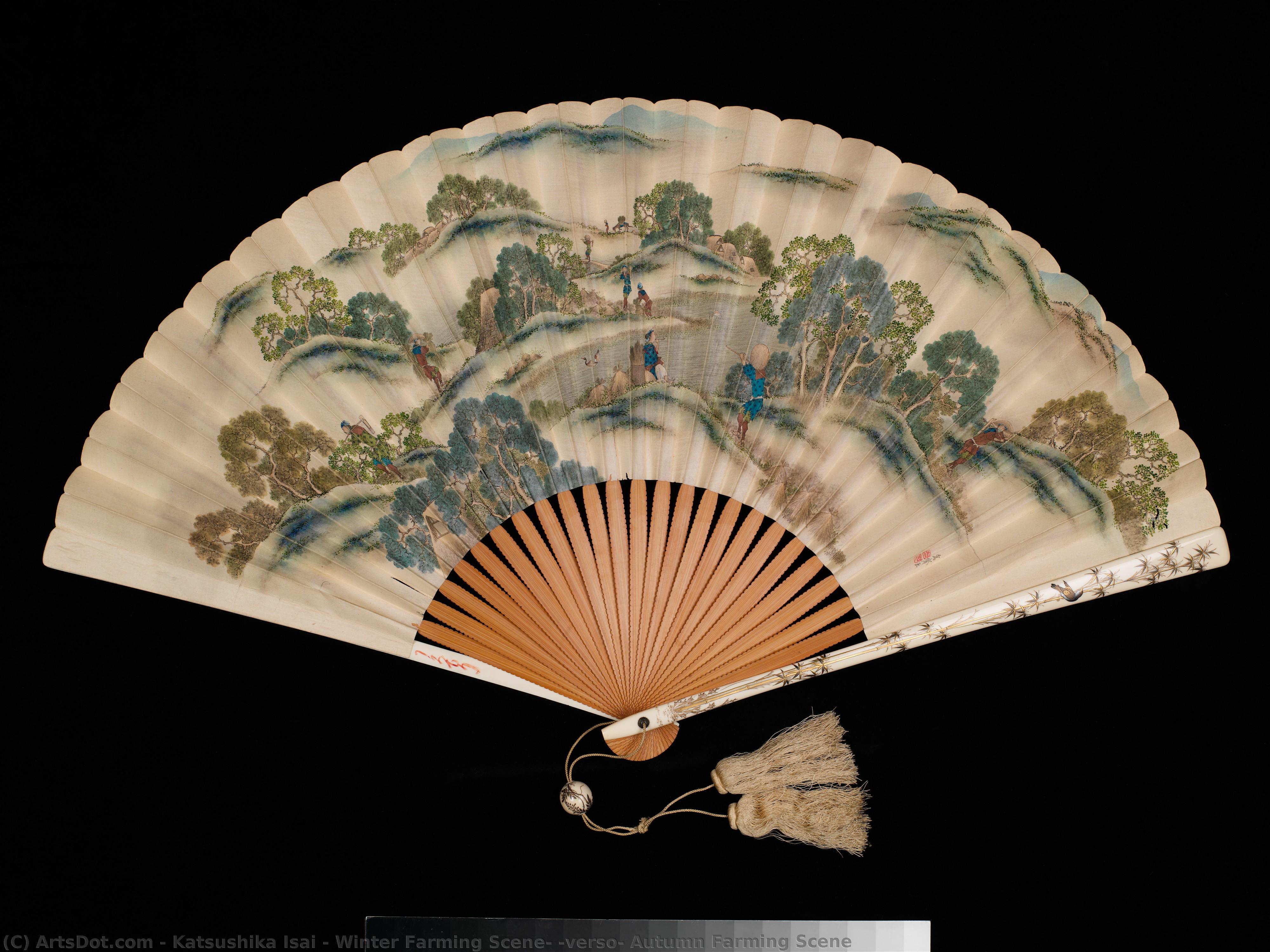
Winter Farming Scene; (verso) Autumn Farming Scene
 Pročitaj više
Giclee štampa / Umetnički otisak
Giclée štampa ili print na platnu muzejskog kvaliteta uz brzu proizvodnju i fleksibilne opcije završne obrade. ( Kupi ručno naslikanu sliku Kupi digitalnu sliku)




































Izaberite jednu od naših unapred definisanih veličina koje odgovaraju originalnim proporcijama umetničkog dela.

Možete uneti sopstvene dimenzije kako biste umetničko delo prilagodili specifičnom okviru ili prostoru. Ako odabrani format ne odgovara proporcijama originalne slike, mi ćemo ili iscrtati deo dela ili proširiti sliku pomoću ogledane ivice ili jednobojnog popunjavanja. Digitalni prikaz će vam biti poslat na odobrenje pre početka proizvodnje.
Imajte na umu da pregled na ekranu ne odražava stvarno iscrtavanje ili proširivanje. Samo će prikaz (mockup) precizno pokazati finalnu kompoziciju.
Iako su prilagođene dimenzije dostupne, preporučujemo da odaberete dimenziju sa unapred definisane liste kako biste očuvali originalne proporcije.
Dostava širom sveta () za 2 nedelje umesto uobičajenih 4/5 nedelja. (28 август)

Besplatna ekspresna dostava širom sveta

Visokokvalitetno laneno platno

Kompletno osiguranje transporta

Garancija povraćaja carine i uvoznih dažbina

Garancija vernosti boja

Politika povrata u roku od 60 dana (samo u slučaju nedostataka)

Garancija povrata novca od 100%

Popust pri grupnoj kupovini
 Opcija sa staklom dostupna je samo za dimenzije manje od 110 cm

Winter Farming Scene; (verso) Autumn Farming Scene
Giclee štampa / Umetnički otisak
Dimenzije reprodukcije
-


Konačna cena
$ 62
Srodna umetnička dela








Biografija umetnika
Katsushika Isai: A Master of Edo’s Everyday
Born in Tokyo – then known as Edo – in 1821, Katsushika Isai stands as a pivotal figure within the Ukiyo-e school, an artistic movement that flourished during Japan's Edo period. While often overshadowed by his more famous contemporaries like Hokusai and Hiroshige, Isai’s contributions to Japanese art are profound, particularly in his meticulous depictions of everyday life and landscapes. His career spanned nearly six decades, a remarkable testament to his skill and dedication, culminating in his death in 1880.
Isai's artistic journey began within the Utagawa school, inheriting a tradition of woodblock printing that had been evolving for centuries. Unlike some of his contemporaries who focused primarily on grand landscapes or dramatic historical scenes, Isai’s strength lay in capturing the subtle nuances of ordinary life – bustling marketplaces, serene tea houses, and the quiet moments of domesticity. He possessed an extraordinary ability to render human figures with remarkable realism, imbuing them with personality and emotion. This focus on the commonplace, combined with his technical mastery, distinguishes his work from many other Ukiyo-e artists.
A Palette of Precision: Style and Technique
Isai’s artistic style is characterized by a meticulous attention to detail and a sophisticated understanding of color theory. He was renowned for his use of subtle gradations and delicate washes, creating an illusion of depth and atmosphere that was remarkably advanced for its time. His landscapes are not merely scenic representations; they are carefully constructed compositions filled with atmospheric perspective and the play of light and shadow. He employed a technique known as *bokashi*, utilizing varying densities of ink to achieve tonal effects – a crucial element in conveying mood and texture.
Furthermore, Isai’s prints often feature intricate details that reveal his keen observation skills. He meticulously depicted clothing, hairstyles, and even the textures of everyday objects, offering viewers a window into the material culture of Edo society. His ability to capture the fleeting beauty of nature – particularly cherry blossoms in full bloom – is legendary, and many of his works are celebrated for their evocative power.
Themes of Domesticity and Urban Life
A significant portion of Isai’s oeuvre revolves around scenes of domestic life. He frequently depicted women engaged in various activities—preparing meals, tending to children, or enjoying leisure pursuits. These images offer a rare glimpse into the lives of ordinary people during the Edo period, revealing their customs, values, and social interactions. He also excelled at portraying urban landscapes – crowded marketplaces, busy streets, and the architectural details of Edo’s buildings. His prints provide invaluable insights into the vibrant energy and complex social dynamics of this bustling metropolis.
Interestingly, Isai was a skilled printmaker who frequently collaborated with other artists, including poets and calligraphers. These collaborative works often combined visual imagery with literary text, creating layered narratives that enriched the viewer’s experience. His prints are not simply static images; they are dynamic expressions of Japanese culture and aesthetics.
Legacy and Historical Significance
While Isai may not be as widely recognized as some of his contemporaries, his work holds a significant place in the history of Japanese art. His meticulous depictions of everyday life and landscapes have had a lasting influence on subsequent generations of artists. His prints are highly valued for their technical skill, artistic merit, and cultural significance.
Today, Katsushika Isai’s works can be found in major museums and private collections around the world. They continue to captivate viewers with their beauty, detail, and evocative power, offering a unique window into the rich tapestry of Edo-period Japan. His legacy as a master of Ukiyo-e endures, reminding us of the profound artistic achievements that flourished during this transformative era.
Katsushika Isai
1821 - 1880 , Japan
Osnovne informacije
- Artistic Movement Or Style: Ukiyo-e
- Date Of Birth: 1821
- Date Of Death: 1880
- Full Name: Katsushika Isai
- Nationality: Japanese
- Notable Artworks:
- Winter Farming Scene
- Spring Farming Scene
- Place Of Birth: Tokyo, Japan

