

 Pregledaj u prostoru
 Pošalji
 Podeli
 Detalji o delu

 Преузми
 Slični predmeti
 Rendgenski snimak
 Slajdovi
 Stats
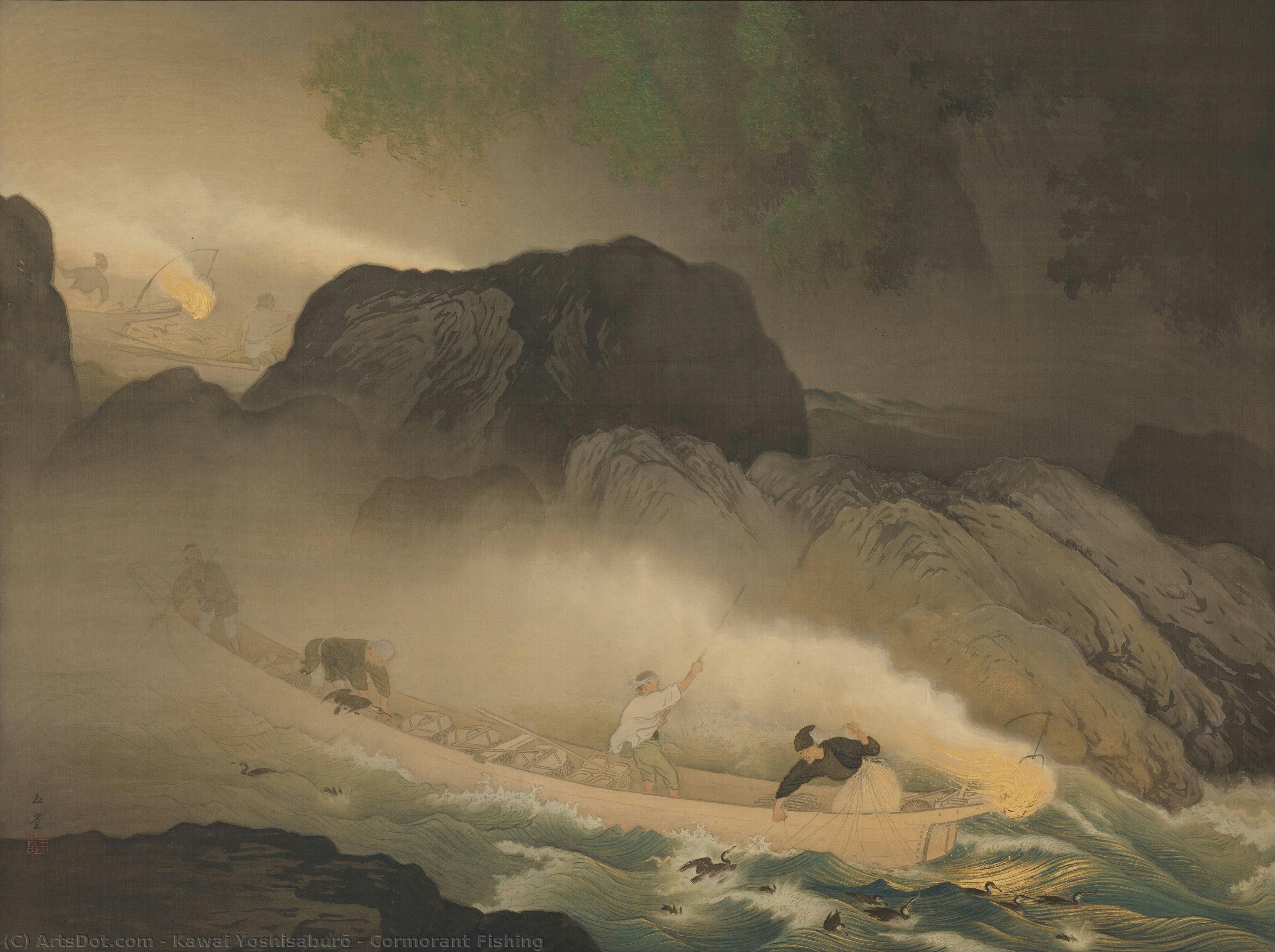
StatsCormorant Fishing
 1931
1931 87.0 x 117.0 cm
 Pročitaj više
Giclee štampa / Umetnički otisak
Giclée štampa ili print na platnu muzejskog kvaliteta uz brzu proizvodnju i fleksibilne opcije završne obrade. ( Kupi ručno naslikanu sliku Switch to Digital Image)




































Izaberite jednu od naših unapred definisanih veličina koje odgovaraju originalnim proporcijama umetničkog dela.

Možete uneti sopstvene dimenzije kako biste umetničko delo prilagodili specifičnom okviru ili prostoru. Ako odabrani format ne odgovara proporcijama originalne slike, mi ćemo ili iscrtati deo dela ili proširiti sliku pomoću ogledane ivice ili jednobojnog popunjavanja. Digitalni prikaz će vam biti poslat na odobrenje pre početka proizvodnje.
Imajte na umu da pregled na ekranu ne odražava stvarno iscrtavanje ili proširivanje. Samo će prikaz (mockup) precizno pokazati finalnu kompoziciju.
Iako su prilagođene dimenzije dostupne, preporučujemo da odaberete dimenziju sa unapred definisane liste kako biste očuvali originalne proporcije.
Dostava širom sveta () za 2 nedelje umesto uobičajenih 4/5 nedelja. (8 септембар)

Besplatna ekspresna dostava širom sveta

Visokokvalitetno laneno platno

Kompletno osiguranje transporta

Garancija povraćaja carine i uvoznih dažbina

Garancija vernosti boja

Politika povraćaja u roku od 100 dana (isključivo u slučaju nedostataka)

Garancija povrata novca od 100%

Popust pri grupnoj kupovini
 Opcija sa staklom dostupna je samo za dimenzije manje od 110 cm

Cormorant Fishing
Giclee štampa / Umetnički otisak
Dimenzije reprodukcije
-


Konačna cena
$ 62
Srodna umetnička dela









Biografija umetnika
The Genesis of a Master
Born into the fragrant atmosphere of a family dedicated to the craft of papermaking and ink production, Kawai Yoshisaburō’s destiny was etched in the very materials of his future art. In the heart of Ichinomiya, Aichi Prefecture, the young artist grew up surrounded by the tactile essence of tradition. This early immersion in the physical components of nihonga—the brushes, the pigments, and the delicate papers—provided a foundation far deeper than mere technical skill; it was an elemental connection to the medium itself. As he journeyed from his childhood home to the vibrant artistic hubs of Kyoto, his identity began to transform, eventually adopting the evocative pseudonym Kawai Gyokudō, a name that would become synonymous with the seasonal soul of Japan.A Tapestry of Influences
The evolution of Gyokudō’s style was a deliberate dance between the ancient and the emerging. Under the tutelage of masters like Mochizuki Gyokusen and Kōno Bairei, he absorbed the meticulous realism of the Maruyama-shijo school, learning to observe the natural world with an almost scientific precision. Yet, his spirit was not bound by the past alone. By integrating the disciplined brushwork of the Kanō school from Hashimoto Gahō and the luminous, atmospheric perspectives of Western Impressionism, he achieved a breathtaking synthesis. His canvases became more than mere depictions; they were windows into a world where:- Traditional Nihonga techniques met the vibrant, light-filled palettes of modern Europe.
- The mogu technique brought a powerful, textured life to the trunks of ancient pines.
- Compositional principles from Chinese traditions provided a structural elegance to his landscapes.
Capturing the Eternal Seasons
Gyokudō’s true mastery lay in his ability to arrest time, capturing the fleeting transitions of the Japanese landscape with profound emotional resonance. His oeuvre serves as a seasonal chronicle, where the arrival of spring and the descent of winter are felt through every brushstroke. In works such as “Futsuka zuki” (The New Moon), one finds a serene, moonlit winter stillness, while “Yuku haru” (The Departing Spring) evokes the bittersweet melancholy of falling blossoms. Whether portraying the dramatic silhouette of a hawk perched upon an old pine or the rhythmic dance of cormorant fishing against the dark rocks of Kinka-zan mountain, his art celebrates a harmonious existence between humanity and the wild. Through his eyes, the mountains and rivers are not merely scenery, but living, breathing entities that pulse with the rhythm of the earth.
kawai yoshisaburō
1873 - 1957 , Japan
Osnovne informacije
- Artistic Movement Or Style: Nihonga
- Artists Who Influenced This Artist:
- Kōno Bairei
- Hashimoto Gahō
- Date Of Birth: November 24, 1873
- Date Of Death: June 30, 1957
- Full Name: Kawai Yoshisaburō
- Nationality: Japanese
- Notable Artworks:
- Futsuka zuki
- Yuku haru
- Mine-no-yu
- Bosetsu
- Place Of Birth: Ichinomiya City, Aichi Prefecture