

 Pregledaj u prostoru
 Pošalji
 Podeli
 Detalji o delu

 Преузми
 Slični predmeti
 Rendgenski snimak
 Slajdovi
 Stats
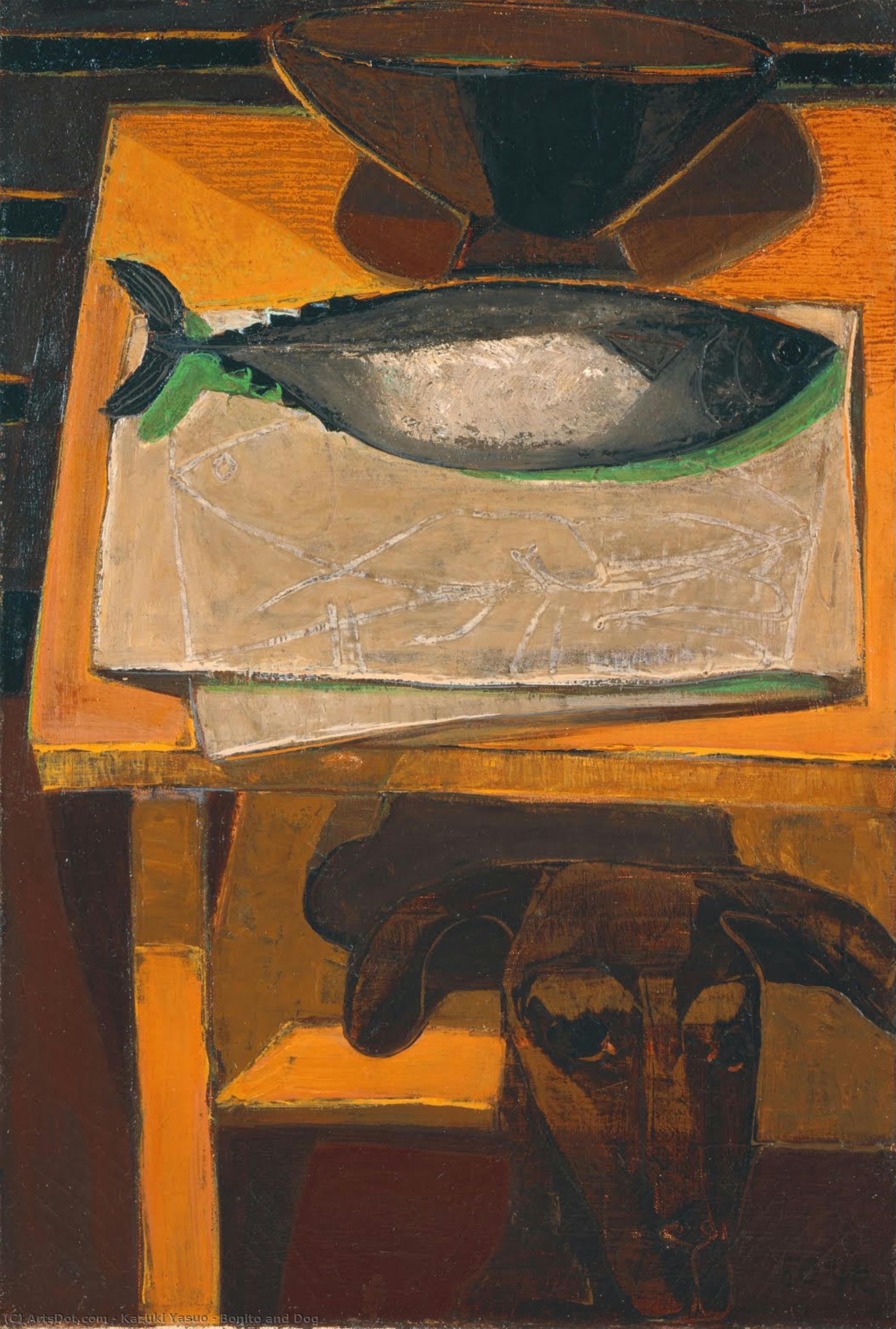
StatsBonito and Dog
 40.0 x 60.0 cm
 Iwami Art Museum
 Pročitaj više
Ručno rađena uljana reprodukcija
Ručno oslikano uljanim bojama na platnu u dimenzijama i okviru po vašem izboru, izrađeno po porudžbini od strane naših umetnika. ( Switch to Print Switch to Digital Image)




































Izaberite jednu od naših unapred definisanih veličina koje odgovaraju originalnim proporcijama umetničkog dela.

Можете унети сопствене димензије како бисте прилагодили дело одређеном оквиру или простору. Ако одабрана величина не одговара пропорцијама оригинала, слика ће бити исечена или проширена додатним елементима који се ручно насликавају. Дигитални prikaz ће вам бити послат на одобрење пре почетка производње.
Имајте на уму да преглед на екрану не одражава стварно исецање или проширење. Само приказ (mockup) ће тачно приказати коначну композицију.
Иако су доступне прилагођене величине, препоручујемо да одаберете димензију из дефинисане листе како бисте сачували оригиналне пропорције.
Nakon narudžbine, tim ArtsDot.com će klijentu putem e-pošte poslati uputstva i dostaviti prikaz predloženog rešenja
Isporuka širom sveta () za 3/4 nedelje umesto uobičajenih 5 nedelja. (8 септембар). Bez kompromisa po pitanju kvaliteta.

Besplatna ekspresna dostava širom sveta

Visokokvalitetno laneno platno

Kompletno osiguranje transporta

Garancija povraćaja carine i uvoznih dažbina

Garancija vernosti boja

Politika povraćaja u roku od 100 dana (isključivo u slučaju nedostataka)

Garancija povrata novca od 100%

Popust pri grupnoj kupovini
 Opcija sa staklom dostupna je samo za dimenzije manje od 110 cm

Bonito and Dog
Tehnika reprodukcije
Dimenzije reprodukcije
-


Konačna cena
$ 263
Srodna umetnička dela









Biografija umetnika
Louise Bourgeois: A Life Sculpted by Memory and Trauma
Louise Bourgeois, a name synonymous with raw emotion and unsettling beauty, was an artist whose life and work were inextricably linked to the echoes of her past. Born in Paris on December 25th, 1911, into a family steeped in the world of textiles – her parents ran a tapestry restoration workshop – Bourgeois’s early years were marked by profound loss and instability. The sudden death of her mother when she was just two years old, followed by a period spent in an orphanage and then with various relatives, forged within her a deep-seated sense of displacement and a lifelong preoccupation with themes of family, memory, and the unconscious. This formative experience would profoundly shape her artistic trajectory, informing the intensely personal and often disturbing nature of her sculptures, installations, and paintings. Bourgeois’s artistic journey began modestly, studying mathematics and geometry at the Sorbonne in Paris – subjects she found offered a sense of order and stability amidst the chaos of her childhood. However, it was her exposure to the burgeoning avant-garde art scene of the 1930s that truly ignited her creative spirit. She initially aligned herself with the abstract expressionists, exhibiting alongside artists like Jackson Pollock and Mark Rothko, yet she quickly developed a distinct voice, one characterized by a meticulous attention to detail, a fascination with the grotesque, and an exploration of deeply personal psychological themes. Her early work, often featuring delicate spider webs – a recurring motif in her oeuvre – hinted at both vulnerability and resilience, reflecting her own complex emotional landscape.The Rise of the Megalopolises and the Exploration of Trauma
The late 1960s witnessed a dramatic shift in Bourgeois’s artistic practice. She began creating monumental sculptures, known as “Megalopolises,” which were sprawling, labyrinthine structures reminiscent of futuristic cities or decaying ruins. These works, often constructed from steel and concrete, were imbued with a sense of claustrophobia and unease, mirroring the artist's own feelings of being trapped within her memories and anxieties. Simultaneously, she began to revisit earlier themes – particularly those related to her family – in a more direct and confrontational manner. The “Cells” series, for example, consisted of small, enclosed spaces filled with unsettling imagery, evoking a sense of confinement and psychological distress. These pieces were not merely decorative; they were meticulously crafted explorations of trauma, repression, and the enduring power of familial relationships.Influences and Artistic Techniques
Bourgeois’s artistic vocabulary was remarkably eclectic, drawing inspiration from a wide range of sources – from Byzantine mosaics and medieval tapestries to Surrealist automatism and the work of artists like Giorgio de Chirico and Henry Moore. She skillfully combined these influences, creating a unique visual language that was both unsettling and strangely beautiful. Her sculptures often featured rough textures, fragmented forms, and deliberately awkward proportions, reflecting her interest in exploring the darker aspects of human experience. Furthermore, she employed a variety of techniques – including assemblage, casting, and welding – to achieve the desired effect, demonstrating a remarkable versatility as an artist. The use of materials themselves—often industrial steel and concrete juxtaposed with delicate fabrics—created a powerful tension between strength and fragility.Legacy and Recognition
Louise Bourgeois died on May 31st, 2010, leaving behind a vast and complex body of work that continues to resonate deeply with audiences today. Her art has been widely exhibited around the world, and she is now recognized as one of the most important artists of the 20th century. Her willingness to confront difficult subjects—including childhood trauma, sexuality, and mortality—has paved the way for a new generation of artists who are unafraid to explore the darker corners of the human psyche. Bourgeois’s legacy extends beyond her individual artworks; she has become an icon of feminist art, demonstrating the power of personal expression as a means of challenging societal norms and reclaiming female experience. Her work remains a potent reminder of the enduring influence of memory, trauma, and the search for meaning in a world often characterized by chaos and uncertainty.
kazuki yasuo
1911 - 1974 , Japan
Osnovne informacije
- Artistic Movement Or Style: Sculpture, installation art
- Artists Who Influenced This Artist: ['Fernand Léger],\n "Artists or movements influenced by this artist": ["Surrealism", "Feminist art"]\n}']
- Date Of Birth: December 25, 1911
- Date Of Death: May 31, 2010
- Full Name: Louise Bourgeois
- Nationality: French-American
- Notable Artworks:
- Cells
- Cumul I
- The Destruction of the Father
- Place Of Birth: Paris, France