

 Pregledaj u prostoru
 Pošalji
 Podeli
 Detalji o delu

 Преузми
 Slični predmeti
 Rendgenski snimak
 Slajdovi
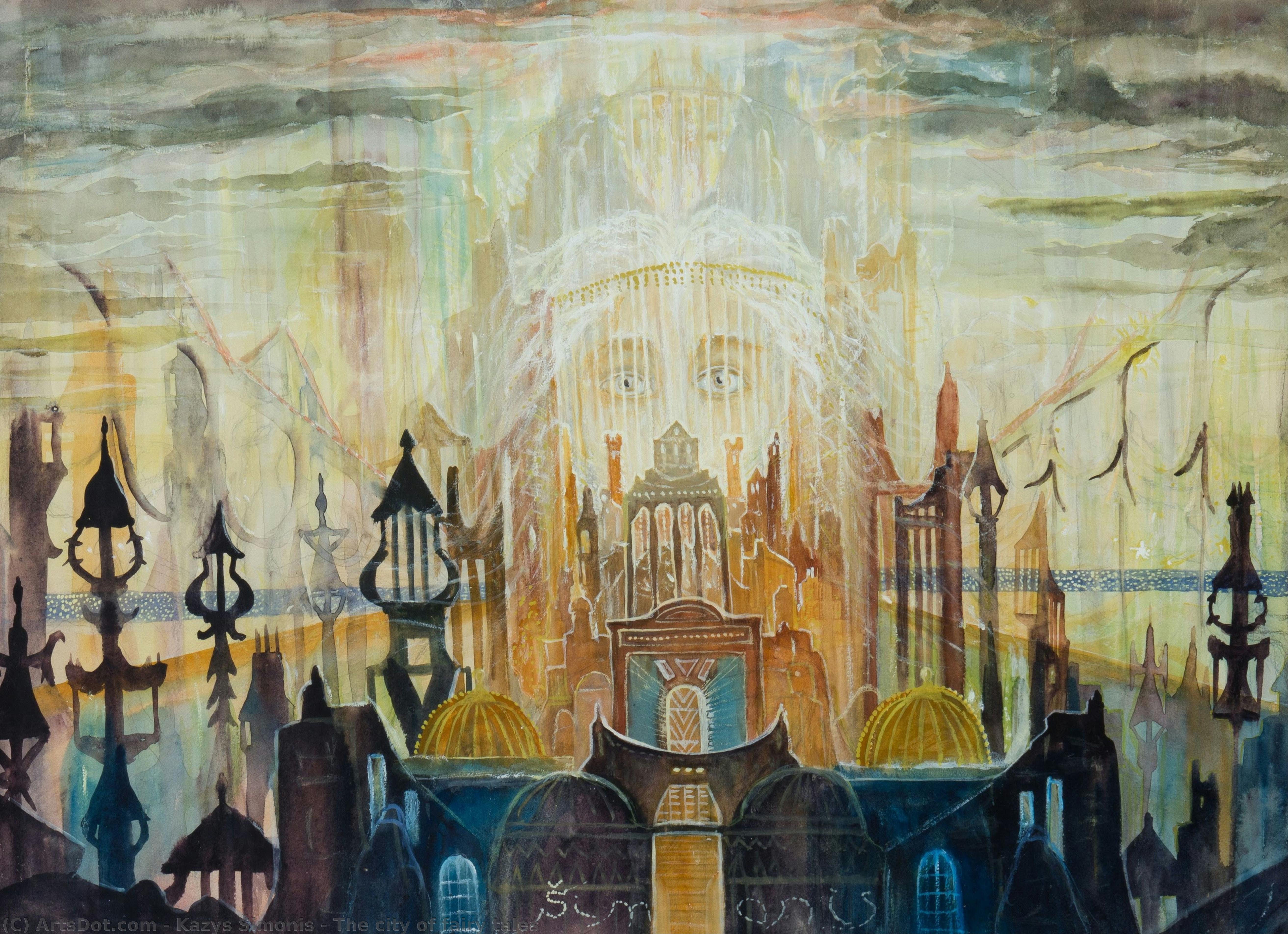
The city of fairy tales


 Pročitaj više
Kupite digitalnu sliku visoke rezolucije i poboljšanog kvaliteta, koja je znatno superiornija od onoga što vidite u online prikazu.
Svaka datoteka je pedantno pripremljena od strane naših stručnjaka koristeći napredne alate i profesionalnu ručnu retušu. Osiguravamo da svaka slika ima izuzetnu oštrinu, preciznu reprodukciju boja i fine detalje.
Konačna datoteka se dostavlja putem e-pošte u roku od 72 sata, optimizovana za neposrednu upotrebu u profesionalnim, izdavačkim i štamparskim okruženjima. To je isti kvalitet kojem veruju vrhunski studiji dizajna, izdavači i galerije.
Digitalna slika
Preuzmite datoteku visoke rezolucije za ličnu upotrebu, štampanje i kreativne projekte. ( Kupi print Kupi ručno naslikanu sliku)
Uključeno uz svaku porudžbinu digitalne slike
Profesionalna digitalna isporuka, zagarantovana
Kada odaberete ArtsDot.com, ne dobijate samo sliku – vi primate profesionalno unapređeno digitalno umetničko delo, izrađeno sa najvećom preciznošću i uz garanciju zadovoljstva. Evo svega što automatski dolazi uz vašu porudžbinu:

Brza dostava putem e-pošte
Vaša digitalna slika visoke rezolucije biće vam poslata putem e-pošte u roku od 72 sata od poručivanja – spremna za trenutnu upotrebu.

Digitalna datoteka unapređena veštačkom inteligencijom
Vaše umetničko delo je profesionalno optimizovano korišćenjem naprednih AI alata i ručne obrade, čime se osiguravaju maksimalni detalji, oštrina i preciznost boja.

Besplatna ponovna isporuka doživotno
Slučajno ste obrisali ili izgubili svoju datoteku? Ne brinite – poslaćemo vam je ponovo u bilo kom trenutku, potpuno besplatno.

Bez troškova uvoza – zauvek
Uživajte u svojim umetničkim delima trenutno, bez carine, dažbina ili troškova dostave – digitalni download je uvek bez poreza.

Garancija vernosti boja
Uz pomoć profesionalnih alata i upravljanja bojama, osiguravamo da vaša digitalna slika što vernije odražava originalne boje.

Garancija zadovoljstva u roku od 100 dana
Ako niste zadovoljni svojom digitalnom slikom, revidirat ćemo je ili vratiti 100% novca u roku od 100 dana – bez ikakvih pitanja.

100% garancija povrata novca
Niste zadovoljni? Obezbedite pun povrat novca u roku od 100 dana od trenutka kada ste primili svoju digitalnu datoteku – bez suvišnih pitanja.

Popusti na velike porudžbine
Kupite 3 slike, uštedite 10% - Kupite 5 slika, uštedite 15% - Kupite 10+ slika, uštedite 20%. Odlično za kreativne projekte, galerije i agencije.
Srodna umetnička dela








Biografija umetnika
Marcel Duchamp: The Architect of Conceptual Art
Marcel Duchamp (1887-1968) wasn’t merely an artist; he was a revolutionary, a provocateur, and ultimately, the architect of conceptual art. Born in Blainville, Normandy, to a notary father and surrounded by artistic siblings – Jacques Villon and Raymond Duchamp-Villon – his early life laid the groundwork for a career dedicated to dismantling conventional notions of what constituted “art.” Duchamp’s journey wasn't one of stylistic evolution; it was a deliberate rejection of established norms, a questioning of the very purpose and definition of creative expression. He sought not to replicate reality or evoke emotion through traditional means, but to challenge the viewer’s perception and force them to reconsider their assumptions about art’s value.
Early Artistic Explorations & The Rise of Cubism
Duchamp's initial artistic pursuits mirrored those of his contemporaries – a period marked by experimentation and a break from academic traditions. He studied at the Académie Julian in Paris, absorbing influences from Matisse and the burgeoning movement of Fauvism, characterized by bold colors and expressive brushstrokes. However, this early phase was fleeting. By 1911, Duchamp had forged his own distinct path, blending elements of Cubism with a uniquely personal vision. His work during this period – exemplified by pieces like *Nude Descending a Staircase, No. 2* (1912) – showcased an interest in capturing movement and the fragmented nature of perception. This painting, initially met with considerable criticism for its unconventional depiction of the human form, became a pivotal moment, demonstrating Duchamp’s willingness to challenge established aesthetic standards.
The Readymades: Redefining Art's Boundaries
Duchamp’s most enduring legacy lies in his invention of the “readymade.” Rejecting the traditional notion that art required laborious creation, he selected ordinary, mass-produced objects – a bicycle wheel, a shovel, a urinal – and declared them works of art simply by virtue of his choice. *Bicycle Wheel* (1913), presented on a stool, and *Fountain* (1917), a signed replica of Marcel Duchamp’s own urinal submitted to the Society of Independent Artists exhibition, became iconic symbols of this radical approach. These objects weren't altered; they were presented within a new context, imbued with artistic significance solely through the artist’s intervention. Duchamp argued that the act of selection itself constituted an artistic gesture, shifting the focus from the object’s inherent qualities to the conceptual framework surrounding it.
Beyond the Readymade: Symbolism and Conceptual Exploration
While the readymades captured immediate attention, Duchamp's artistic practice extended far beyond this single concept. He continued to experiment with chance operations, as evidenced by *3 Standard Stoppages* (1913-14), where he manipulated mechanical devices to create unpredictable arrangements. His monumental work, *The Bride Stripped Bare by Her Bachelors, Even (The Large Glass)* (1915–1923), a complex and enigmatic assemblage of imagery and text, represents the culmination of his intellectual and artistic explorations. This ambitious project, painstakingly created over decades, reflects Duchamp’s fascination with symbolism, psychology, and the interplay between logic and irrationality. The work's fragmented composition and ambiguous narrative invite multiple interpretations, highlighting the subjective nature of artistic experience.
Legacy & Historical Significance
Marcel Duchamp’s impact on 20th-century art is immeasurable. He fundamentally altered the definition of what constitutes “art,” shifting the emphasis from technical skill and aesthetic beauty to conceptual ideas and the artist's role as a thinker and provocateur. His work paved the way for movements like Dada, Surrealism, and Conceptual Art, influencing generations of artists who followed. Duchamp’s insistence on questioning established norms and challenging conventional assumptions continues to resonate today, reminding us that art can be found not just in finished objects but also in the very act of questioning and redefining its boundaries. His legacy is one of intellectual rigor, playful irreverence, and a profound belief in the power of ideas to transform our understanding of the world.
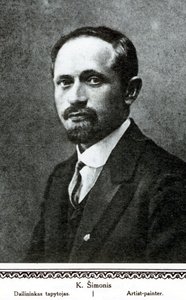
kazys šimonis
1887 - 1978 , Lithuania
Kratke činjenice
- Artistic Movement Or Style:
- Cubism
- Dada
- Surrealism
- Artists Or Movements Influenced By This Artist:
- Conceptual art
- Dada movement
- Artists Who Influenced This Artist:
- Matisse
- Fauvism
- Futurism
- Cézanne
- Date Of Birth: July 28, 1887
- Date Of Death: October 2, 1968
- Full Name: Henri-Robert-Marcel Duchamp
- Nationality: French American
- Notable Artworks:
- Nude Descending a Staircase (No. 2)
- Bicycle Wheel
- Fountain
- Etant donnés
- Place Of Birth: Blainville, France