

 Pregledaj u prostoru
 Pošalji
 Podeli
 Detalji o delu

 Преузми
 Slični predmeti
 Rendgenski snimak
 Slajdovi
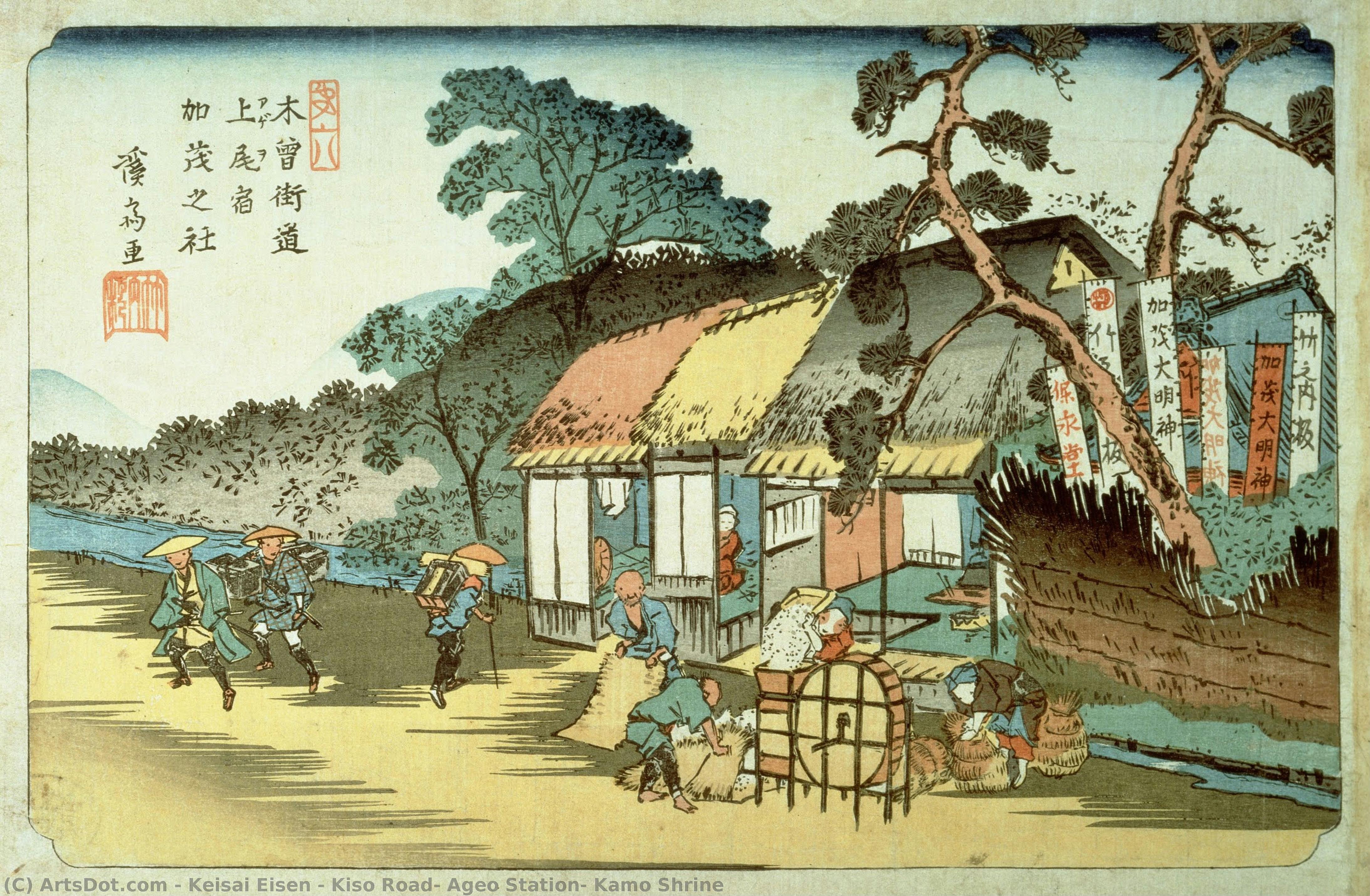
Kiso Road, Ageo Station, Kamo Shrine
 Woodblock Print
- Ukiyo-e
 19th Century
 36.0 x 24.0 cm
 Saitama Prefectural Museum of History and Folklore
 Pročitaj više
Kupite digitalnu sliku visoke rezolucije i poboljšanog kvaliteta, koja je znatno superiornija od onoga što vidite u online prikazu.
Svaka datoteka je pedantno pripremljena od strane naših stručnjaka koristeći napredne alate i profesionalnu ručnu retušu. Osiguravamo da svaka slika ima izuzetnu oštrinu, preciznu reprodukciju boja i fine detalje.
Konačna datoteka se dostavlja putem e-pošte u roku od 72 sata, optimizovana za neposrednu upotrebu u profesionalnim, izdavačkim i štamparskim okruženjima. To je isti kvalitet kojem veruju vrhunski studiji dizajna, izdavači i galerije.
Digitalna slika
Preuzmite datoteku visoke rezolucije za ličnu upotrebu, štampanje i kreativne projekte. ( Kupi print Kupi ručno naslikanu sliku)
Uključeno uz svaku porudžbinu digitalne slike
Profesionalna digitalna isporuka, zagarantovana
Kada odaberete ArtsDot.com, ne dobijate samo sliku – vi primate profesionalno unapređeno digitalno umetničko delo, izrađeno sa najvećom preciznošću i uz garanciju zadovoljstva. Evo svega što automatski dolazi uz vašu porudžbinu:

Brza dostava putem e-pošte
Vaša digitalna slika visoke rezolucije biće vam poslata putem e-pošte u roku od 72 sata od poručivanja – spremna za trenutnu upotrebu.

Digitalna datoteka unapređena veštačkom inteligencijom
Vaše umetničko delo je profesionalno optimizovano korišćenjem naprednih AI alata i ručne obrade, čime se osiguravaju maksimalni detalji, oštrina i preciznost boja.

Besplatna ponovna isporuka doživotno
Slučajno ste obrisali ili izgubili svoju datoteku? Ne brinite – poslaćemo vam je ponovo u bilo kom trenutku, potpuno besplatno.

Bez troškova uvoza – zauvek
Uživajte u svojim umetničkim delima trenutno, bez carine, dažbina ili troškova dostave – digitalni download je uvek bez poreza.

Garancija vernosti boja
Uz pomoć profesionalnih alata i upravljanja bojama, osiguravamo da vaša digitalna slika što vernije odražava originalne boje.

Garancija zadovoljstva u roku od 60 dana
Ako niste zadovoljni svojom digitalnom slikom, revidirat ćemo je ili vratiti 100% novca u roku od 60 dana – bez ikakvih pitanja.

100% garancija povrata novca
Niste zadovoljni? Obezbedite pun povrat novca u roku od 60 dana od trenutka kada ste primili svoju digitalnu datoteku – bez suvišnih pitanja.

Popusti na velike porudžbine
Kupite 3 slike, uštedite 10% - Kupite 5 slika, uštedite 15% - Kupite 10+ slika, uštedite 20%. Odlično za kreativne projekte, galerije i agencije.
A Journey Through the Bunsei Era: The Lively Streets of Kiso Road
In the delicate dance of light and shadow captured within Kiso Road, Ageo Station, Kamo Shrine, we are transported back to the vibrant pulse of 19th-century Japan. This exquisite woodblock print by the master Keisai Eisen serves as a window into the bustling atmosphere of the Bunsei era, a period often celebrated as the zenith of ukiyo-e art. The scene unfolds along a storied stretch of the Kisokaidō highway, where the mundane and the magnificent intersect. As we gaze upon the composition, we find ourselves amidst a rhythmic flow of travelers, each figure contributing to a larger tapestry of urban life. The presence of umbrellas, scattered like colorful petals across the street, suggests a sudden summer shower or perhaps the protective grace of a misty afternoon, adding a layer of atmospheric depth that invites the viewer to step directly into the rain-kissed landscape.
Eisen, a master renowned for his ability to capture both the sensual beauty of women and the rugged spirit of the Japanese landscape, employs a technique that balances meticulous detail with sweeping movement. The composition is masterfully orchestrated; while the eye may first be drawn to the central figures, it is soon led on a wandering path toward the periphery, where a solitary dog rests near the bottom-right corner, grounding the scene in a sense of lived-in reality. The artist’s use of line and space creates a profound sense of depth, making the station at Ageo feel not merely like a flat depiction, but a three-dimensional world teeming with stories. For the collector, this piece offers more than just visual beauty; it provides a structural elegance that can anchor a room, offering a sophisticated focal point that rewards prolonged contemplation.
The Art of Atmosphere and Emotional Resonance
Beyond its technical brilliance, this artwork resonates through its profound emotional accessibility. There is a certain nostalgia embedded in the way Eisen depicts the movement of the crowd—a sense of shared human experience that transcends centuries. The interplay between the figures, some huddled under umbrellas while others navigate the open street, evokes feelings of community and the quiet solitude found within a crowd. This duality makes the print an exceptional choice for interior designers looking to introduce a sense of "wabi-sabi"—the beauty of imperfection and transience—into a modern space. Whether placed in a minimalist gallery setting or a richly textured study, the painting brings a calming yet stimulating energy to its surroundings.
For those seeking to adorn their homes with high-quality reproductions, this piece stands as a testament to the enduring legacy of the ukiyo-e tradition. It is an invitation to celebrate the ephemeral moments of life: a walk through a station, the arrival of rain, and the simple, rhythmic motion of a world in transit. Owning such a work is not merely about decoration; it is about preserving a fragment of history and allowing the masterful hand of Keisai Eisen to breathe new life into contemporary living spaces.
Srodna umetnička dela
Biografija umetnika
The Soul of the Bunsei Era: The Life and Legacy of Keisai Eisen
In the vibrant, flickering light of 19th-century Edo, few artists captured the pulse of the "floating world" with as much evocative intensity as Keisai Eisen. Born into the prestigious Ikeda samurai clan as Ikeda Yoshinobu, his early life was a tapestry of privilege and profound hardship. The son of a respected calligrapher, Shigeharu, Eisen was raised in an environment steeped in the delicate arts of poetry and brushwork. However, the untimely loss of his parents thrust him into the life of a rōnin—a wandering samurai. This transition from the structured world of the elite to the unpredictable streets of the urban commoner did more than just alter his social standing; it infused his artistic vision with a raw, rebellious spirit and a deep empathy for the transient beauty found in the everyday.
Eisen’s artistic journey was shaped by a rigorous lineage of masters. He first sought formal training under Hakkeisai, a practitioner of the prestigious Kano school, which provided him with a foundation in classical technique and structural precision. Yet, it was his subsequent apprenticeship under Kikugawa Eizan, a titan of bijin-ga (pictures of beautiful women), that truly ignited his creative fire. While he inherited the grace of his predecessors, Eisen possessed an irrepressible urge to innovate. He moved away from the idealized, ethereal beauties of earlier eras, choosing instead to portray women with a more worldly, palpable sensuality. This shift defined the aesthetic of the Bunsei era (1818–1830), a period often characterized by its decadent and psychologically complex atmosphere.
A Master of Sensuality and Landscape
The brilliance of Eisen’s work lies in his ability to balance the intimate with the expansive. He became a master of ōkubi-e, or large-head portraits, where he utilized bold compositions and arresting gazes to convey a spectrum of human emotion—from quiet confidence to a haunting, melancholic longing. His subjects were not mere icons of beauty but characters with depth, their identities woven into the intricate patterns of their meticulously rendered kimonos. Through his brush, the fashion of the Edo period became a language of itsability and social nuance.
Beyond the intimate portraits of women, Eisen demonstrated a remarkable command over the Japanese landscape. His series documenting the Kisokaidō highway stands as a testament to his ability to capture the rhythmic movement of travel and the rugged spirit of the countryside. In works such as his depictions of Fukaya Station or Ageo Station, he transformed mere topographical records into cinematic snapshots of life in motion. He possessed a unique gift for:
- Atmospheric Depth: Using light and shadow to create a sense of temporal presence, making the viewer feel the humidity of a summer afternoon or the chill of a mountain pass.
- Narrative Detail: Integrating small, humanizing elements—a wandering dog, a traveler’s handbag, or a distant silhouette—to ground his landscapes in a relatable reality.
- Collaborative Vision: Engaging in grand-scale projects, such as the joint series with Utagawa Hiroshige, which helped define the visual identity of Japan's most important travel routes.
Historical Significance and Enduring Influence
Keisai Eisen’s contribution to ukiyo-e extends far beyond the aesthetic; he was a chronicler of an era’s soul. While his contemporaries like Kunisada focused on the theatrical drama of Kabuki, and Kuniyoshi explored the heroic legends of warriors, Eisen turned his gaze toward the psychological and the atmospheric. His work bridged the gap between the classical elegance of the past and the more visceral, "decadent" realism that would characterize much of late Edo art. He was not only a printmaker but also a man of letters, contributing to the literary landscape through biographies and historical texts.
Today, Eisen is remembered as one of the most prominent masters of 19th-century Japanese woodblock prints. His ability to capture the ephemeral nature of the "floating world"—the fleeting moment, the passing traveler, the subtle glance—ensures his place in the pantheon of great artists. His legacy continues to resonate, offering modern observers a window into a vanished world where every line and color served to celebrate the profound beauty found within the transient and the everyday.
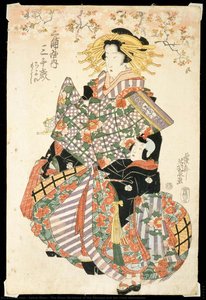
keisai eisen
1790 - 1848
Kratke činjenice
- Artistic Movement Or Style: Bunsei Era Ukiyo-e
- Artists Or Movements Influenced By This Artist:
- Kunisada
- Kuniyoshi
- Artists Who Influenced This Artist:
- Kanō Hakkeisai
- Kikugawa Eizan
- Date Of Birth: 1790
- Full Name: Ikeda Yoshinobu (Keisai Eisen)
- Nationality: Japanese
- Notable Artworks:
- Omiya Station with Mt. Fuji
- The Oiran Michitose
- Place Of Birth: Edo (Tokyo)

