

 Pregledaj u prostoru
 Pošalji
 Podeli
 Detalji o delu

 Преузми
 Slični predmeti
 Rendgenski snimak
 Slajdovi
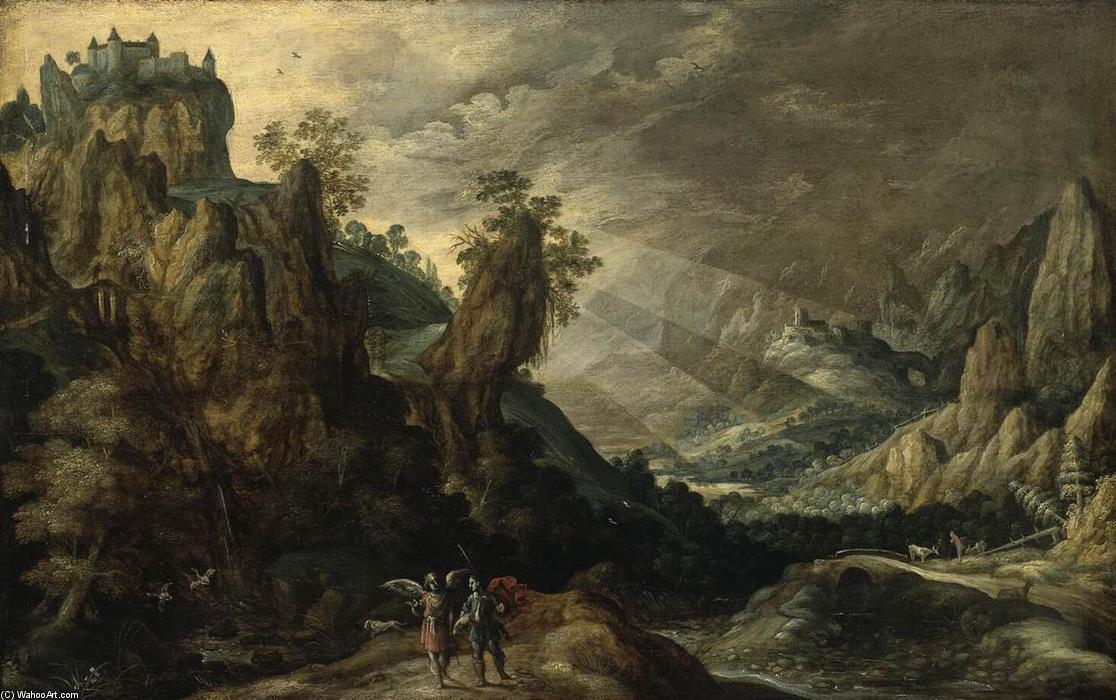
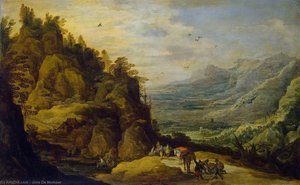
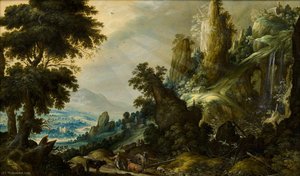
Landscape with Tobias and the Angel
 Baroque
 40.0 x 63.0 cm
 Hermitage Museum
 Pročitaj više
Giclee štampa / Umetnički otisak
Giclée štampa ili print na platnu muzejskog kvaliteta uz brzu proizvodnju i fleksibilne opcije završne obrade. ( Kupi ručno naslikanu sliku Kupi digitalnu sliku)




































Izaberite jednu od naših unapred definisanih veličina koje odgovaraju originalnim proporcijama umetničkog dela.

Možete uneti sopstvene dimenzije kako biste umetničko delo prilagodili specifičnom okviru ili prostoru. Ako odabrani format ne odgovara proporcijama originalne slike, mi ćemo ili iscrtati deo dela ili proširiti sliku pomoću ogledane ivice ili jednobojnog popunjavanja. Digitalni prikaz će vam biti poslat na odobrenje pre početka proizvodnje.
Imajte na umu da pregled na ekranu ne odražava stvarno iscrtavanje ili proširivanje. Samo će prikaz (mockup) precizno pokazati finalnu kompoziciju.
Iako su prilagođene dimenzije dostupne, preporučujemo da odaberete dimenziju sa unapred definisane liste kako biste očuvali originalne proporcije.
Dostava širom sveta () za 2 nedelje umesto uobičajenih 4/5 nedelja. (29 август)

Besplatna ekspresna dostava širom sveta

Visokokvalitetno laneno platno

Kompletno osiguranje transporta

Garancija povraćaja carine i uvoznih dažbina

Garancija vernosti boja

Politika povrata u roku od 60 dana (samo u slučaju nedostataka)

Garancija povrata novca od 100%

Popust pri grupnoj kupovini
 Opcija sa staklom dostupna je samo za dimenzije manje od 110 cm

Landscape with Tobias and the Angel
Giclee štampa / Umetnički otisak
Dimenzije reprodukcije
-


Konačna cena
$ 62
Srodna umetnička dela
Biografija umetnika
The Master of Flemish Mountainscapes
In the golden age of the Flemish Baroque, amidst the bustling artistic fervor of Antwerp, there lived a painter whose brush possessed the power to conjure entire worlds of stone and sky. Kerstiaen de Keuninck, born in Kortrijk around 1560, was far more than a mere chronicler of scenery; he was an architect of atmosphere. While history often reserves its brightest spotlights for titans like Rubens or Rembrandt, De Keuninck carved out a profound niche for himself through his ability to marry the rugged, untamed majesty of mountain landscapes with the delicate, spiritual weight of biblical and mythological narratives. His life, though partially obscured by the mists of time, reflects the very essence of the Antwerp Guild of St. Luke, where he was recognized as a master in 1580, establishing himself as a cornerstone of the local artistic community.
To gaze upon a De Keuninck canvas is to embark on a journey through a landscape that feels both ancient and immediate. His work is defined by a breathtaking sense of scale, where towering peaks and cascading waterfalls serve as more than just geological features. Instead, they act as emotional resonators. In masterpieces such as Landscape with Tobias and the Angel, the artist utilizes the dramatic topography to frame divine intervention. The rugged terrain, often characterized by turbulent skies and deep, shadowed valleys, provides a stark, earthly contrast to the ethereal presence of the celestial figures. This interplay between the monumental scale of nature and the intimate drama of human—or divine—interaction is what gives his oeuvre such enduring emotional resonance.
Technique, Symbolism, and Legacy
The technical prowess of De Keuninck lies in his masterful command of chiaroscuro. He understood that light is not merely a tool for visibility but a medium for storytelling. By orchestrating the dramatic interplay between brilliant highlights and profound shadows, he imbued his mountain vistas with a palpable sense of depth and moisture, as if one could feel the spray from a distant waterfall or the chill of a passing storm. His meticulous attention to detail allowed him to render the textures of rock, foliage, and water with an accuracy that grounded his more allegorical subjects in a believable, tactile reality.
Beyond the purely aesthetic, De Keuninck’s work served as a vessel for the moral and spiritual inquiries of his era. He frequently turned to classical mythology and biblical lore to weave complex tapestries of meaning. In works like Landscape with Actaeon and Diana, he utilized the dramatic setting to explore themes of hubris and divine retribution, using the landscape itself to mirror the tension of the mythological huntress's confrontation. This ability to infuse landscape painting with intellectual and moral weight helped elevate the genre from simple topographical representation to a sophisticated form of high art.
The legacy of Kerstiaen de Keuninck extends far beyond his own finished canvases, reaching into the very lineage of Flemish art through his role as a dedicated pedagogue. As a teacher, he nurtured the talents of future masters, including Engelbert Ergo and Carel van Ferrara, ensuring that his fascination with dramatic light and monumental landscapes would influence subsequent generations. His contribution to the Antwerp school remains a vital chapter in the history of the Baroque, reminding us that the true power of art often lies in its ability to find the divine within the wild, untamed corners of the natural world.
kerstiaen de keuninck
1561 - 1635 , Belgium
Osnovne informacije
- Artistic Movement Or Style: Baroque Landscape Painter
- Date Of Birth: 1560 Kortrijk
- Date Of Death: 1632 Antwerp
- Full Name: Kerstiaen de Keuninck
- Nationality: Flemish
- Notable Artworks:
- Landscape with Tobias & the Angel
- Panoramic Landscape with Tobias and the Angel
- Landscape with Actaeon and Diana
- Place Of Birth: Belgium
Povezani članci

Francisco Goya: 25 Remek-dela Španskog Majstora za Vaš Dom | ArtsDot
Istražite 25 remek-dela Francisca Goya, španskog slikara romantizma i impresionizma. Portreti, tamne slike & istorija umetnosti na ArtsDot.com! Kupite reprodukcije slika vrhunskog kvaliteta za dekoraciju enterijera. Otkrijte celu kolekciju online.

Glavna dela koja su definisala Romantični pejzaž: 10 remek-dela za vaš dom
Otkrijte 10 remek-dela romantičnog pejzažnog slikarstva! Uronite u svet Claude Lorraina, Caspara David Friedricha i Turnera. Ispričane priče umetnosti, inspiracija za dekoraciju doma. Kvalitetne reprodukcije na ArtsDot.com – istražite celu kolekciju online!

Evocations of Place: A Historical Journey Through Landscape Art
Explore the rich history of landscape art with ArtsDot. Discover renowned artists, movements like Impressionism & Romanticism, and expert guidance for collecting timeless pieces. Find your perfect serene escape today!

About Us
Discover our story! We bring world-class art into your life through expert curation, personalized creations, and free previews. Trusted by individuals and businesses since 2000.

25 Remek-dela Džona Konstebla: Lepota Engleske na Platnu | ArtsDot
Uronite u svet Džona Konstebla! Otkrijte 25 remek-dela engleskog pejzaža, romantizma i seoske idile. Kupite reprodukcije slika vrhunskog kvaliteta za dekoraciju enterijera na ArtsDot.com.

