

 Pregledaj u prostoru
 Pošalji
 Podeli
 Detalji o delu

 Преузми
 Slični predmeti
 Rendgenski snimak
 Slajdovi
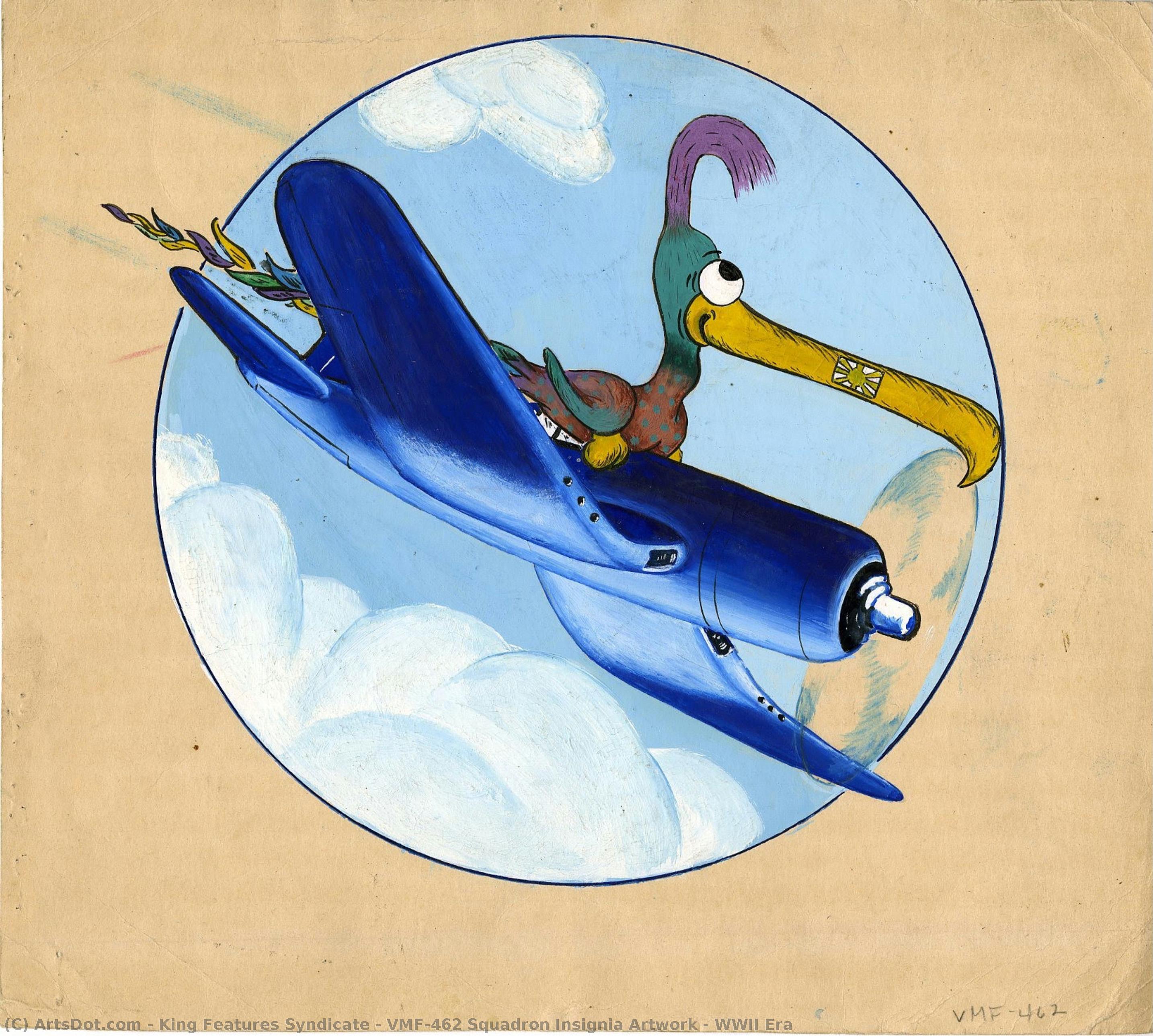
VMF-462 Squadron Insignia Artwork - WWII Era


 Pročitaj više
Ručno rađena uljana reprodukcija
Ručno oslikano uljanim bojama na platnu u dimenzijama i okviru po vašem izboru, izrađeno po porudžbini od strane naših umetnika. ( Kupi print Kupi digitalnu sliku)




P118B $10

P118H $10

P118W $10

P438Z $10

P508JH $12

P508YH $12

P805H $10

P805Z $10

P919BZ $10

P919G $10

P919XJ $10

P959ZH $10

P968JZ $12

W106C $8

W218G $10

W218JH $8

W218Y $10

W307PJ $10

W316G $10

W316PJ $8

W316Y $10

W398PJ $8

W4111J $10

W500HY $15

W500JH $15

W692G $12

W849H $8

W940BG $15

W953PJ $8




Izaberite jednu od naših unapred definisanih veličina koje odgovaraju originalnim proporcijama umetničkog dela.

Можете унети сопствене димензије како бисте прилагодили дело одређеном оквиру или простору. Ако одабрана величина не одговара пропорцијама оригинала, слика ће бити исечена или проширена додатним елементима који се ручно насликавају. Дигитални prikaz ће вам бити послат на одобрење пре почетка производње.
Имајте на уму да преглед на екрану не одражава стварно исецање или проширење. Само приказ (mockup) ће тачно приказати коначну композицију.
Иако су доступне прилагођене величине, препоручујемо да одаберете димензију из дефинисане листе како бисте сачували оригиналне пропорције.
Nakon narudžbine, tim ArtsDot.com će klijentu putem e-pošte poslati uputstva i dostaviti prikaz predloženog rešenja
Isporuka širom sveta () za 3/4 nedelje umesto uobičajenih 5 nedelja. (24 август). Bez kompromisa po pitanju kvaliteta.

Besplatna ekspresna dostava širom sveta

Visokokvalitetno laneno platno

Kompletno osiguranje transporta

Garancija povraćaja carine i uvoznih dažbina

Garancija vernosti boja

Politika povrata u roku od 60 dana (samo u slučaju nedostataka)

Garancija povrata novca od 100%

Popust pri grupnoj kupovini
 Opcija sa staklom dostupna je samo za dimenzije manje od 110 cm

VMF-462 Squadron Insignia Artwork - WWII Era
Tehnika reprodukcije
Dimenzije reprodukcije
-


Konačna cena
$ 263
Opis umetničkog dela
A Whimsical Flight Through History
In the vast tapestry of twentieth-century military iconography, few pieces capture the spirited essence of wartime morale quite like the VMF-462 Squadron Insignia Artwork. Created in 1940 by the legendary King Features Syndicate, this charming illustration serves as a nostalgic window into the era of World War II aviation. At its heart, the composition presents a delightful, cartoonish frigatebird at the helm of an airplane, navigating through a soft, cloud-swept sky. The artwork possesses a badge-like, circular quality that immediately evokes the sense of a cherished military emblem, blending the gravity of historical service with the lightheartedness of mid-century character design. It is a piece that does not merely depict a squadron symbol but breathes life into the very spirit of the era.
The technique employed in this work suggests the delicate touch of watercolor or gouache on paper, a medium that lends itself beautifully to the soft, atmospheric textures of the sky. The artist utilizes bold, simplified outlines to define the geometric fuselage of the aircraft and the organic, fluid forms of the frigatebird, creating a visual language that is both accessible and striking. There is a wonderful, naive charm in the flat application of color, where subtle variations in paint thickness provide a tactile quality that invites closer inspection. The palette, dominated by nostalgic blues and earthy browns, creates a retro aesthetic that feels both grounded in history and timelessly decorative.
Symbolism and the Art of Morale
Beyond its surface-level whimsy, the insignia carries profound symbolic weight. During the tumultuous years of the 1940s, such illustrations were vital tools for fostering identity and unity within military units. The choice of a frigatebird—a creature known for its endurance and mastery of the air—serves as a poignant metaphor for the resilience of the pilots and the squadron itself. By blending the aesthetics of newspaper comic art with military heraldry, the King Features Syndicate created a piece that bridges the gap between popular culture and patriotic duty. The sense of movement implied by the plane's flight path suggests progress and determination, making it an evocative emblem of hope amidst global conflict.
For the discerning collector or interior designer, this artwork offers more than just historical interest; it provides a unique focal point for spaces that celebrate heritage, aviation, or vintage Americana. The piece possesses a rare emotional duality—it is simultaneously playful and profound, capable of injecting a sense of warmth into a modern room while commanding respect through its historical significance. As a high-quality reproduction, it brings the storied legacy of the VMF-462 squadron into the contemporary home, offering an inspiring conversation piece that celebrates the enduring power of illustrative storytelling.
Srodna umetnička dela
Biografija umetnika
The Enduring Legacy of King Features Syndicate
King Features Syndicate, a name synonymous with the vibrant pulse of American newspaper humor and comic art for over a century, isn’t merely a distribution company; it's a repository of cultural touchstones, a chronicler of shifting social landscapes, and a testament to the enduring power of storytelling. Founded in 1914 by William Randolph Hearst and Moses Koenigsberg – figures deeply intertwined with the evolution of mass media – King Features began as a modest venture aimed at bolstering Hearst’s newspaper empire. However, its trajectory quickly transcended mere commercial ambition, blossoming into a globally recognized institution that has shaped the entertainment landscape for generations. The Syndicate's success rests on a remarkably consistent strategy: identifying and nurturing compelling comic strips, adapting them to diverse audiences, and ensuring their continued presence in newspapers worldwide – a model of longevity rarely achieved in the volatile world of media.
The early years were marked by shrewd acquisitions and a keen understanding of popular taste. Initially focusing on staff-created features, King Features rapidly expanded its portfolio through strategic purchases, introducing iconic characters like Popeye the Sailor, Blondie, Flash Gordon, and Mandrake the Magician to eager readers. These strips weren’t simply reprinted; they were meticulously adapted for different regional sensibilities, reflecting the diverse communities served by newspapers across America and beyond. This adaptability proved crucial to King Features' sustained success, allowing it to remain relevant even as cultural trends shifted dramatically throughout the 20th century. The Syndicate’s ability to anticipate and respond to evolving audience preferences—from the anxieties of wartime to the optimism of the post-war era—is a key factor in its remarkable longevity.
The Creative Heart: Key Figures and Artistic Influences
While King Features is often perceived as a corporate entity, at its core lies a network of talented artists and writers who have shaped its distinctive style. William Randolph Hearst himself exerted considerable influence, recognizing the potential of comic strips to engage a broad audience and bolster newspaper readership. Moses Koenigsberg, initially responsible for managing the Syndicate’s operations, played a pivotal role in identifying promising talent and nurturing creative relationships. Over time, King Features attracted a diverse roster of artists, each bringing their unique perspectives and techniques to the table. From the dynamic action sequences of Hal Foster's Flash Gordon to the poignant realism of Charles Monroe Schulz’s Peanuts, the Syndicate’s output reflects a remarkable range of artistic styles.
The influence of classic comic book art is undeniably present in many King Features strips, particularly those from the Golden Age. Artists like Milton Caniff (Rocky and His Friends) and Bob Clampett (Blondie) drew heavily on the conventions of pulp magazines and early comics, employing bold lines, dynamic compositions, and a sense of exaggerated humor. However, King Features’ artists also developed their own distinctive voices, incorporating elements of animation, illustration, and even fine art into their work. The Syndicate's commitment to quality control ensured that its strips maintained a consistently high standard, contributing significantly to their enduring appeal.
A Century of Evolution: From Print to Digital
King Features’ history is one of constant adaptation and reinvention. As the media landscape shifted from print to television and then to digital platforms, the Syndicate has demonstrated remarkable resilience, successfully transitioning its core business model while maintaining its commitment to delivering quality content. The introduction of syndication agreements with television networks—particularly for shows based on King Features’ properties like *The Phantom* and *Flash Gordon*—expanded the Syndicate's reach beyond newspapers, introducing these iconic characters to a new generation of viewers. More recently, King Features has embraced digital distribution, offering its comic strips through mobile apps and online platforms.
However, the challenges posed by the internet age have forced King Features to rethink its strategy. The rise of social media and streaming services has disrupted traditional media models, creating new opportunities and threats for content distributors. In response, King Features has diversified its offerings, developing animated series like *The Cuphead Show!* in collaboration with Netflix—a testament to the Syndicate’s ability to adapt to changing market conditions. This strategic partnership demonstrates a willingness to embrace innovation while preserving the core values that have underpinned its success for over a century.
Legacy and Enduring Influence
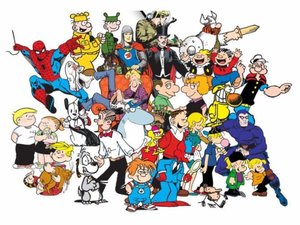
King Features Syndicate's impact on American culture is profound and far-reaching. Its comic strips have become ingrained in the collective memory of generations, providing a shared cultural vocabulary and shaping perceptions of everything from adventure to social issues. The Syndicate’s characters—Popeye, Flash Gordon, The Phantom, Blondie, and countless others—have transcended their origins as newspaper features to become beloved icons recognized around the world. Their enduring popularity speaks to the timeless appeal of simple stories, memorable characters, and universal themes.
Beyond its commercial success, King Features has played a significant role in preserving comic art history. The Syndicate’s archive—containing thousands of original artwork proofs, scripts, and production materials—represents an invaluable resource for scholars, researchers, and enthusiasts interested in the evolution of comic strip creation. By donating this collection to institutions like the Billy Ireland Cartoon Library & Museum, King Features has ensured that its legacy will continue to inspire future generations of artists and storytellers. The Syndicate’s enduring influence is a testament to the power of storytelling—a force that continues to shape our world in countless ways.
king features syndicate
1914 - , United States of America
Osnovne informacije
- Artistic Movement Or Style: Comic syndication
- Artists Or Movements Influenced By This Artist: ['Various comic artists']
- Artists Who Influenced This Artist:
- William Randolph Hearst
- Moses Koenigsberg
- Date Of Birth: 1914
- Full Name: King Features Syndicate
- Nationality: American
- Notable Artworks:
- Popeye
- Blondie
- Flash Gordon
- Mandrake the Magician
- The Phantom
- Place Of Birth: Wahoo, Nebraska, USA
Povezani članci
Echoes of Time: Nostalgia, Technique & Cultural Significance in Vintage Paintings
Explore the captivating world of vintage paintings! Discover key styles, cultural significance & collecting tips from art experts at ArtsDot. Find authentic reproductions and elevate your home décor.
Echoes of Time: Exploring the Enduring Appeal of Vintage Artwork
Explore the captivating world of vintage art! Discover its history, enduring appeal, & how to build your own collection. Expert advice, custom reproductions & museum-quality prints at ArtsDot.

Echoes of Time: Exploring the Enduring Appeal & Historical Context of Vintage Art Prints
Explore the captivating world of vintage art prints! Discover their history, collecting tips & enduring appeal. Expert insights on chromolithography and building a legacy collection with ArtsDot.
Charles Bird King: Capturing Native American Dignity Through Portraiture & Cultural Exchange
Explore the captivating portraits of Charles Bird King, renowned for his depictions of Native American leaders. Discover the historical context, artistic techniques, and collecting value of these significant 19th-century artworks.
Echoes of Eras Past: Exploring Themes & Techniques in Vintage Art Collections
Explore the captivating world of vintage art! Discover historical movements, iconic themes & collecting tips. Find handmade reproductions & expert appraisal at ArtsDot.

