

 Pregledaj u prostoru
 Pošalji
 Podeli
 Detalji o delu

 Преузми
 Slični predmeti
 Rendgenski snimak
 Slajdovi
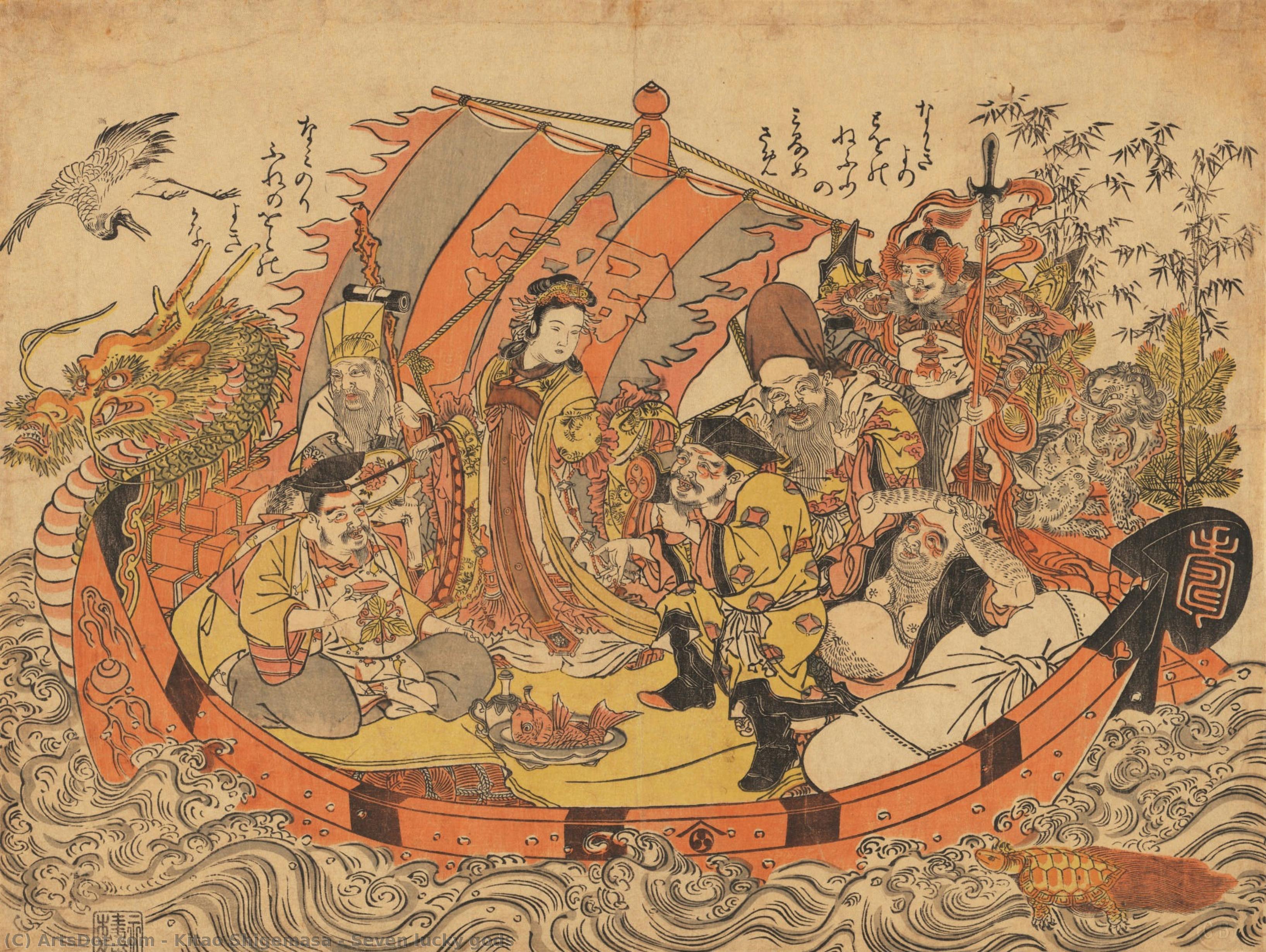
Seven lucky gods
 Woodblock Print
- Ukiyo-e
 1780
1780- Early Modern
 32.0 x 42.0 cm
 Chester Beatty Library
 Pročitaj više
Ručno rađena uljana reprodukcija
Ručno oslikano uljanim bojama na platnu u dimenzijama i okviru po vašem izboru, izrađeno po porudžbini od strane naših umetnika. ( Kupi print Kupi digitalnu sliku)




P118B $10

P118H $10

P118W $10

P438Z $10

P508JH $12

P508YH $12

P805H $10

P805Z $10

P919BZ $10

P919G $10

P919XJ $10

P959ZH $10

P968JZ $12

W106C $8

W218G $10

W218JH $8

W218Y $10

W307PJ $10

W316G $10

W316PJ $8

W316Y $10

W398PJ $8

W4111J $10

W500HY $15

W500JH $15

W692G $12

W849H $8

W940BG $15

W953PJ $8




Izaberite jednu od naših unapred definisanih veličina koje odgovaraju originalnim proporcijama umetničkog dela.

Можете унети сопствене димензије како бисте прилагодили дело одређеном оквиру или простору. Ако одабрана величина не одговара пропорцијама оригинала, слика ће бити исечена или проширена додатним елементима који се ручно насликавају. Дигитални prikaz ће вам бити послат на одобрење пре почетка производње.
Имајте на уму да преглед на екрану не одражава стварно исецање или проширење. Само приказ (mockup) ће тачно приказати коначну композицију.
Иако су доступне прилагођене величине, препоручујемо да одаберете димензију из дефинисане листе како бисте сачували оригиналне пропорције.
Nakon narudžbine, tim ArtsDot.com će klijentu putem e-pošte poslati uputstva i dostaviti prikaz predloženog rešenja
Isporuka širom sveta () za 3/4 nedelje umesto uobičajenih 5 nedelja. (27 август). Bez kompromisa po pitanju kvaliteta.

Besplatna ekspresna dostava širom sveta

Visokokvalitetno laneno platno

Kompletno osiguranje transporta

Garancija povraćaja carine i uvoznih dažbina

Garancija vernosti boja

Politika povrata u roku od 60 dana (samo u slučaju nedostataka)

Garancija povrata novca od 100%

Popust pri grupnoj kupovini
 Opcija sa staklom dostupna je samo za dimenzije manje od 110 cm

Seven lucky gods
Tehnika reprodukcije
Dimenzije reprodukcije
-


Konačna cena
$ 263
Srodna umetnička dela
Biografija umetnika
Robert Barker: The Pioneer of the Panorama
Born in Kells, County Meath, Ireland, in 1739, Robert Barker’s name is inextricably linked to one of the most remarkable innovations in visual art – the panorama. While often overshadowed by later developments and other artists involved in its creation, Barker was undeniably the driving force behind its initial conception and popularization. His life wasn't marked by traditional artistic training; instead, he honed his skills as an itinerant portrait painter, a profession that ultimately provided him with the unique understanding of perspective and audience engagement necessary to realize his ambitious vision.
Barker’s early career involved traveling throughout Britain and Ireland, capturing likenesses of prominent figures. This experience instilled in him a keen awareness of how people perceived space and distance – crucial elements for creating an immersive panoramic experience. It was during this period that he coined the term “panorama” itself, derived from the Greek words *pan* (all) and *horama* (view), reflecting his intention to offer a comprehensive survey of a scene. His initial experiments involved painting cityscapes on cylindrical surfaces, allowing viewers to rotate and take in a 360-degree perspective – a revolutionary concept at the time.
The Leicester Square Spectacle
In 1793, Barker unveiled his first purpose-built panorama in London’s Leicester Square. This wasn't merely a painting; it was a meticulously engineered spectacle. The building itself was designed by Robert Mitchell, and housed a massive canvas stretched taut over a circular frame. Viewers paid three shillings to stand on a central platform beneath a skylight, effectively eliminating shadows and creating an even illumination that heightened the illusion of being within the scene. Barker’s panorama of Edinburgh from Calton Hill became an immediate sensation, drawing crowds eager to experience this unprecedented form of entertainment.
Barker's success wasn't simply due to the novelty of the format; he was a master of perspective and composition. He skillfully manipulated vanishing points and foreshortening to create a convincing illusion of depth and scale. His work drew heavily on the principles developed by earlier artists like Wenceslas Hollar, but Barker pushed these techniques further, creating a more dynamic and engaging experience for the viewer. The panoramic view of London, painted as if viewed from the roof of Albion Mills, showcased this mastery, offering a remarkably detailed and expansive depiction of the city.
Influences and Connections
Barker’s work was influenced by several key figures in the art world. Francis Towne, another British painter known for his landscapes, shared some technical approaches with Barker, particularly in their use of flat washes and pen-and-ink outlines. Charles Jervas, a portraitist who painted George I and George II, provided Barker with valuable insights into the demands of portraiture and the importance of capturing likenesses accurately. These connections demonstrate a vibrant artistic community that fostered experimentation and innovation.
Furthermore, Barker’s work reflects the broader cultural trends of his time – the rise of the “picturesque” aesthetic and the growing interest in travel and exploration. The panoramas offered a vicarious experience of distant lands and grand vistas, catering to a burgeoning middle class eager for entertainment and knowledge. His success paved the way for the development of cycloramas in America and other parts of Europe, solidifying the panorama’s place as a significant form of visual art.
Legacy and Lasting Impact
Despite his initial fame, Robert Barker's career was relatively short-lived. He died in 1806, but his legacy endures through the invention of the panorama itself. His innovation fundamentally changed how people experienced art, moving beyond static paintings to create immersive environments that engaged multiple senses. The term “panorama” remains in use today, not just as a description of a specific artistic format, but also as a metaphor for a comprehensive overview or survey.
Barker’s contribution is often overlooked, overshadowed by later developments and the more flamboyant figures associated with the panorama craze. However, his pioneering spirit and technical skill were essential to its creation, establishing the panorama as a landmark achievement in the history of visual art – a testament to one man's vision and ingenuity.
kitao shigemasa
1739 - 1820 , Japan
Osnovne informacije
- Artistic Movement Or Style: Panoramic painting
- Artists Or Movements Influenced By This Artist: ['Charles Jervas']
- Date Of Birth: 1739
- Date Of Death: 1806
- Full Name: Robert Barker
- Nationality: Irish
- Notable Artworks: ['The Panorama of Edinburgh']
- Place Of Birth: Kells, County Meath, Ireland
Povezani članci

Katsushika Hokusai: 25 Remek-dela Japanskog Umetnika za Vaš Dom | ArtsDot
Uronite u svet Katsushike Hokusaija! Otkrijte 25 remek-dela japanskog umetnika, uključujući čuveni 'Veliki talas'. Ukiyo-e štampe, pejzaži i istorija iza svakog dela. Pronađite inspiraciju za dekor enterijera i kupite reprodukcije slika vrhunskog kvaliteta na ArtsDot.com.
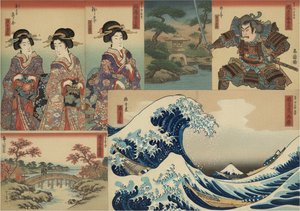
Ukiyo-e: Exploring Japan's Floating World & Enduring Artistic Legacy
Explore the captivating world of Ukiyo-e – Japan's iconic woodblock prints! Discover masters like Hokusai & Hiroshige, learn about Edo period culture, and find expert art collecting guidance at ArtsDot.
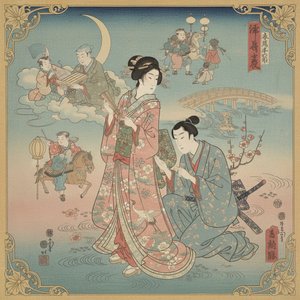
Suzuki Harunobu: Pioneering Ukiyo-e & the Refinement of Edo Period Printmaking
Discover the revolutionary world of Suzuki Harunobu, a pioneer of ukiyo-e printmaking. Explore his exquisite nishiki-e techniques, diverse subjects & lasting impact on Japanese art history. Learn more at ArtsDot.
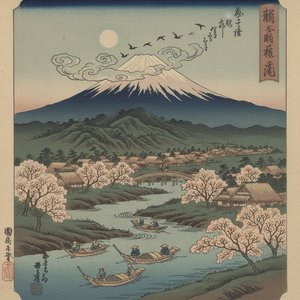
Ukiyo-e's Poetic Visionary: Hiroshige Ando & the Transformation of Landscape in 19th-Century Japan
Explore the life & art of Ando Hiroshige, Japan's last great ukiyo-e master. Discover his iconic landscapes, poetic style, and profound influence on Western Impressionism. Learn about The Fifty-Three Stations & more!
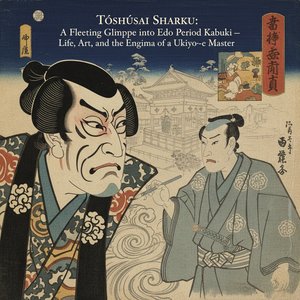
Tōshūsai Sharaku: A Fleeting Glimpse into Edo Period Kabuki – Life, Art, and the Enigma of a Ukiyo-e Master
Explore the captivating world of Tōshūsai Sharaku, the enigmatic Edo period ukiyo-e master. Discover his iconic Kabuki actor portraits and unravel the mystery behind this fleeting artistic genius. Learn about his unique style & lasting legacy.

