

 Pregledaj u prostoru
 Pošalji
 Podeli
 Detalji o delu

 Преузми
 Slični predmeti
 Rendgenski snimak
 Slajdovi
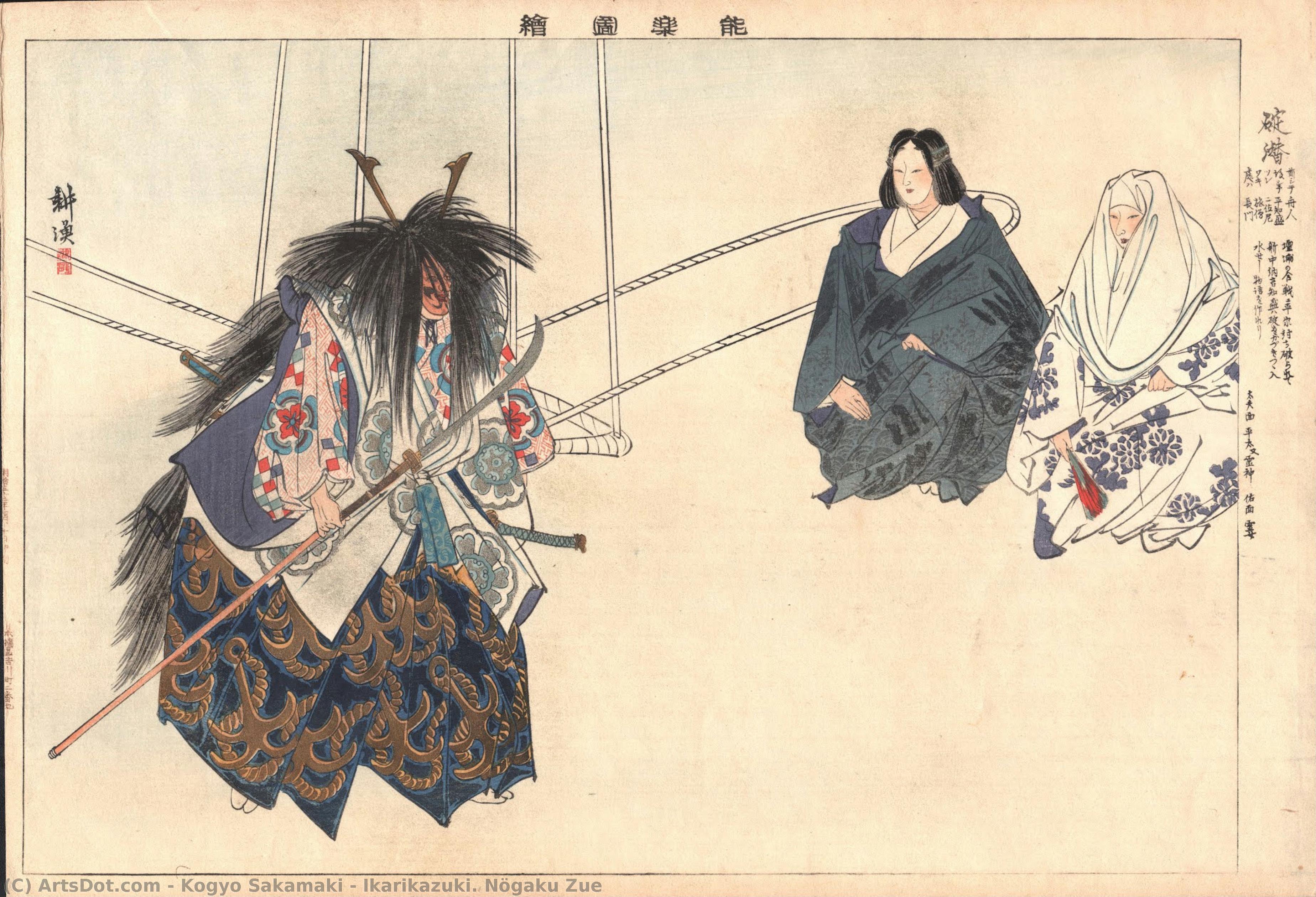
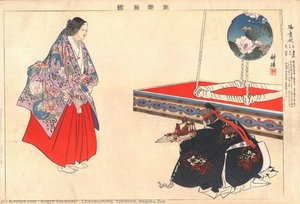
Ikarikazuki. Nögaku Zue
 Ukiyo-e
 1899
1899 26.0 x 36.0 cm
 Bujalance Collection
 Pročitaj više
Ručno rađena uljana reprodukcija
Ručno oslikano uljanim bojama na platnu u dimenzijama i okviru po vašem izboru, izrađeno po porudžbini od strane naših umetnika. ( Kupi print Kupi digitalnu sliku)




































Izaberite jednu od naših unapred definisanih veličina koje odgovaraju originalnim proporcijama umetničkog dela.

Можете унети сопствене димензије како бисте прилагодили дело одређеном оквиру или простору. Ако одабрана величина не одговара пропорцијама оригинала, слика ће бити исечена или проширена додатним елементима који се ручно насликавају. Дигитални prikaz ће вам бити послат на одобрење пре почетка производње.
Имајте на уму да преглед на екрану не одражава стварно исецање или проширење. Само приказ (mockup) ће тачно приказати коначну композицију.
Иако су доступне прилагођене величине, препоручујемо да одаберете димензију из дефинисане листе како бисте сачували оригиналне пропорције.
Nakon narudžbine, tim ArtsDot.com će klijentu putem e-pošte poslati uputstva i dostaviti prikaz predloženog rešenja
Isporuka širom sveta () za 3/4 nedelje umesto uobičajenih 5 nedelja. (28 август). Bez kompromisa po pitanju kvaliteta.

Besplatna ekspresna dostava širom sveta

Visokokvalitetno laneno platno

Kompletno osiguranje transporta

Garancija povraćaja carine i uvoznih dažbina

Garancija vernosti boja

Politika povrata u roku od 60 dana (samo u slučaju nedostataka)

Garancija povrata novca od 100%

Popust pri grupnoj kupovini
 Opcija sa staklom dostupna je samo za dimenzije manje od 110 cm

Ikarikazuki. Nögaku Zue
Tehnika reprodukcije
Dimenzije reprodukcije
-


Konačna cena
$ 288
Srodna umetnička dela
![Neko No Shibai 猫の芝居 [cat Theatre] — Utagawa Kunimasa, Ukiyo-e](/media/artworks/images-thumb/94/a5/94a54e4879ac44853d6307509f6732d0.jpg)
Biografija umetnika
Kōgyo Sakamaki (1869–1927): The Poet of Noh
Kōgyo Sakamaki, whose name translates to “Moonlit Harvest,” stands as one of Japan’s most revered printmakers of the Meiji era (1868–1912), a period marked by rapid modernization and cultural introspection. Born Henyu Bennosuke in Nihonbashi, Tokyo—a bustling district at the heart of Edo’s commercial center—his artistic journey began under the tutelage of Tsukioka Yoshitoshi, arguably Japan's foremost ukiyo-e artist, a figure who profoundly shaped Sakamaki’s aesthetic sensibilities and lifelong devotion to Noh theatre. This dedication would define his oeuvre, resulting in over 550 prints that capture the essence of this ancient Japanese dramatic tradition with unparalleled sensitivity and artistry.- Early Life & Training: Sakamaki's formative years were spent assisting his father in running an inn while simultaneously immersing himself in pottery painting under his uncle’s guidance—a grounding experience that instilled a meticulous attention to detail and craftsmanship. Crucially, he enrolled at Tokyo School of Fine Arts at the age of fifteen, where he honed his artistic skills alongside Yoshitoshi, absorbing the master's techniques and fostering an appreciation for Western influences alongside traditional Japanese aesthetics.
- The Influence of Yoshitoshi: Yoshitoshi’s marriage to Sakamaki’s mother cemented their familial bond and provided Sakamaki with invaluable mentorship. Yoshitoshi championed Noh theatre as a form of artistic expression, recognizing its profound connection to Japanese culture and history—a conviction that ignited Sakamaki's own passion for the genre.
- Collaboration with Gekkō: Following Yoshitoshi’s death in 1892, Sakamaki continued his artistic pursuits under the guidance of Ogata Gekkō, another titan of Meiji printmaking. Gekkō encouraged Sakamaki to explore watercolor techniques and synthesize Western influences with traditional Japanese sensibilities—a stylistic fusion that would become a hallmark of Sakamaki’s distinctive visual language.
Noh Theatre Prints: A Legacy of Observation & Emotion
Sakamaki's artistic focus centered on Noh theatre, a ritualistic form of drama characterized by stylized movements, chanting, and masks—a tradition that had undergone significant transformation since its origins in feudal Japan. Recognizing the challenges faced by Noh as it navigated the pressures of modernization, Sakamaki sought to preserve its cultural heritage through meticulously crafted prints. He undertook extensive research into Noh performance practices, documenting costumes, postures, and facial expressions with remarkable precision.- Series Creation: Sakamaki produced three monumental print series—*Hanjo*, *Ikarikazuki*, and *Fuji*—each representing a comprehensive portrayal of Noh plays. These prints are not merely reproductions; they are imbued with palpable emotion and convey the spirit of Noh’s rituals and aesthetics.
- Technique & Style: Sakamaki employed a distinctive watercolor-like technique, layering translucent washes to achieve luminous effects that captured the subtle nuances of Noh theatre—a stylistic innovation that distinguished him from his contemporaries.
Critical Recognition & Artistic Significance
Sakamaki’s work garnered widespread acclaim both in Japan and internationally. He was awarded a prize at the Panama Pacific International Exposition in San Francisco in 1915 for his woodcut “The Horse Market at Kiso,” cementing his reputation as one of Japan's foremost printmakers. His prints continue to be studied by scholars and admired by collectors alike, serving as invaluable documents of Noh theatre’s cultural history and embodying the artistic ideals of the Meiji era—a testament to Sakamaki’s enduring legacy as a master of ukiyo-e and a poet of Japanese tradition.Posthumous Legacy & Continued Appreciation
Despite his untimely death in 1927, Sakamaki's influence persists through the work of his student, Sufo, who continued to produce prints inspired by Sakamaki’s vision—a continuation of his artistic spirit that ensures his contribution to Japanese art history remains vibrant and relevant. His prints reside in major collections worldwide, including the University of Pittsburgh, where they are celebrated as masterpieces of ukiyo-e artistry and embodiments of Japan's cultural heritage.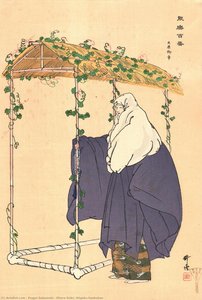
kogyo sakamaki
1869 - 1927 , Japan
Osnovne informacije
- Artistic Movement Or Style: Noh Theatre Prints
- Artists Or Movements Influenced By This Artist: ['Ukiyo-e']
- Artists Who Influenced This Artist:
- Tsukioka Yoshitoshi
- Ogata Gekkō
- Date Of Death: 1927
- Full Name: Tsukioka Kōgyo 月岡耕漁
- Nationality: Japanese
- Notable Artworks:
- Hanjo. Nögaku hyakuban
- Ikarikazuki. Nögaku Zue
- Fuji. Nögaku Zue
- Place Of Birth: Tokyo, Japan
Povezani članci

Katsushika Hokusai: 25 Remek-dela Japanskog Umetnika za Vaš Dom | ArtsDot
Uronite u svet Katsushike Hokusaija! Otkrijte 25 remek-dela japanskog umetnika, uključujući čuveni 'Veliki talas'. Ukiyo-e štampe, pejzaži i istorija iza svakog dela. Pronađite inspiraciju za dekor enterijera i kupite reprodukcije slika vrhunskog kvaliteta na ArtsDot.com.
Ukiyo-e: Exploring Japan's Floating World & Enduring Artistic Legacy
Explore the captivating world of Ukiyo-e – Japan's iconic woodblock prints! Discover masters like Hokusai & Hiroshige, learn about Edo period culture, and find expert art collecting guidance at ArtsDot.
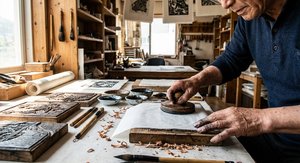
The Enduring Legacy of Woodblock Printmaking: Technique, History & Artistic Expression
Explore the rich history of woodblock printmaking – from ancient techniques to Ukiyo-e masterpieces. Discover expert insights on collecting, preserving & appreciating this enduring art form.
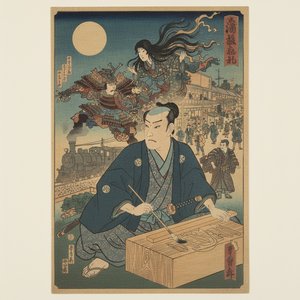
Tsukioka Yoshitoshi: A Master of Ukiyo-e's Final Flourish – Narrative, Innovation, and the Meiji Transition
Explore the life & art of Tsukioka Yoshitoshi, the last great master of ukiyo-e woodblock printing. Discover his dramatic warrior prints, innovative series like 'One Hundred Aspects of the Moon,' and legacy reflecting Japan's Meiji transition.
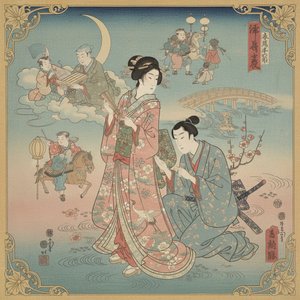
Suzuki Harunobu: Pioneering Ukiyo-e & the Refinement of Edo Period Printmaking
Discover the revolutionary world of Suzuki Harunobu, a pioneer of ukiyo-e printmaking. Explore his exquisite nishiki-e techniques, diverse subjects & lasting impact on Japanese art history. Learn more at ArtsDot.

