

 Pregledaj u prostoru
 Pošalji
 Podeli
 Detalji o delu

 Преузми
 Slični predmeti
 Rendgenski snimak
 Slajdovi
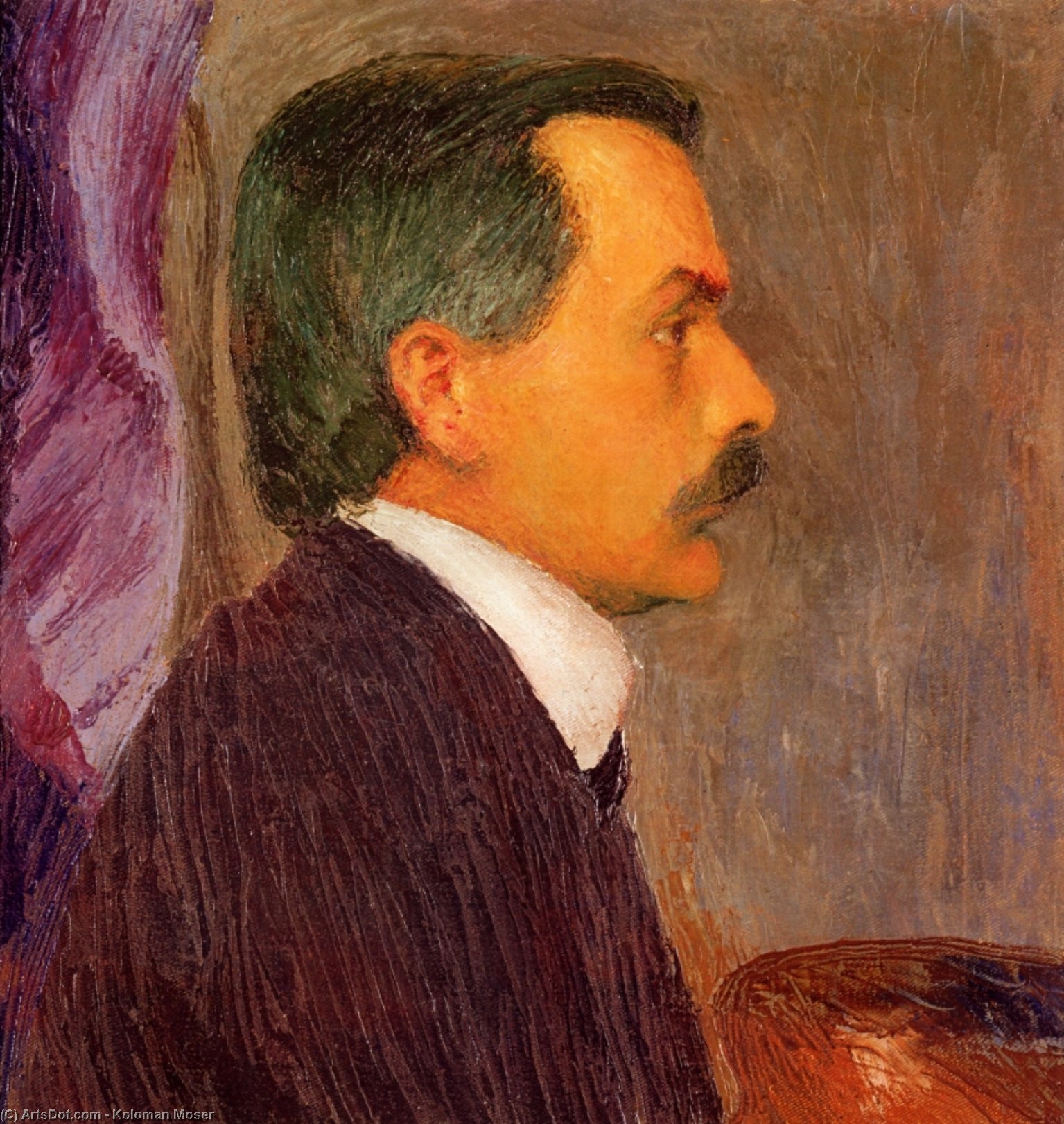
Self Portrait in Colonial Dress
 Acrylic On Paper
- Vienna Secession
 1910
1910- 19th Century
 50.0 x 50.0 cm
 Kunsthistorisches Museum
 Pročitaj više
Kupite digitalnu sliku visoke rezolucije i poboljšanog kvaliteta, koja je znatno superiornija od onoga što vidite u online prikazu.
Svaka datoteka je pedantno pripremljena od strane naših stručnjaka koristeći napredne alate i profesionalnu ručnu retušu. Osiguravamo da svaka slika ima izuzetnu oštrinu, preciznu reprodukciju boja i fine detalje.
Konačna datoteka se dostavlja putem e-pošte u roku od 72 sata, optimizovana za neposrednu upotrebu u profesionalnim, izdavačkim i štamparskim okruženjima. To je isti kvalitet kojem veruju vrhunski studiji dizajna, izdavači i galerije.
Digitalna slika
Preuzmite datoteku visoke rezolucije za ličnu upotrebu, štampanje i kreativne projekte. ( Kupi print Kupi ručno naslikanu sliku)
Uključeno uz svaku porudžbinu digitalne slike
Profesionalna digitalna isporuka, zagarantovana
Kada odaberete ArtsDot.com, ne dobijate samo sliku – vi primate profesionalno unapređeno digitalno umetničko delo, izrađeno sa najvećom preciznošću i uz garanciju zadovoljstva. Evo svega što automatski dolazi uz vašu porudžbinu:

Brza dostava putem e-pošte
Vaša digitalna slika visoke rezolucije biće vam poslata putem e-pošte u roku od 72 sata od poručivanja – spremna za trenutnu upotrebu.

Digitalna datoteka unapređena veštačkom inteligencijom
Vaše umetničko delo je profesionalno optimizovano korišćenjem naprednih AI alata i ručne obrade, čime se osiguravaju maksimalni detalji, oštrina i preciznost boja.

Besplatna ponovna isporuka doživotno
Slučajno ste obrisali ili izgubili svoju datoteku? Ne brinite – poslaćemo vam je ponovo u bilo kom trenutku, potpuno besplatno.

Bez troškova uvoza – zauvek
Uživajte u svojim umetničkim delima trenutno, bez carine, dažbina ili troškova dostave – digitalni download je uvek bez poreza.

Garancija vernosti boja
Uz pomoć profesionalnih alata i upravljanja bojama, osiguravamo da vaša digitalna slika što vernije odražava originalne boje.

Garancija zadovoljstva u roku od 60 dana
Ako niste zadovoljni svojom digitalnom slikom, revidirat ćemo je ili vratiti 100% novca u roku od 60 dana – bez ikakvih pitanja.

100% garancija povrata novca
Niste zadovoljni? Obezbedite pun povrat novca u roku od 60 dana od trenutka kada ste primili svoju digitalnu datoteku – bez suvišnih pitanja.

Popusti na velike porudžbine
Kupite 3 slike, uštedite 10% - Kupite 5 slika, uštedite 15% - Kupite 10+ slika, uštedite 20%. Odlično za kreativne projekte, galerije i agencije.
A Portrait Steeped in Symbolism: Koloman Moser’s Self Portrait
Vienna Secession, established in 1897, represented a radical departure from the conservative artistic conventions of its time. At its core was a desire to forge new paths for Austrian art—paths that prioritized geometric abstraction and expressive color alongside traditional craftsmanship. Among its most influential members was Koloman Moser, a painter, sculptor, ceramicist, textile designer, and educator whose vision profoundly shaped the movement’s aesthetic sensibilities. This essay delves into Moser's iconic Self Portrait in Colonial Dress (1910), examining its stylistic innovations, technical mastery, historical significance, and enduring emotional resonance.Stylistic Innovation: Geometric Abstraction Meets Organic Form
Moser’s approach to painting distinguished itself from the prevailing Impressionist tendencies of Vienna. Rejecting fleeting impressions of light and atmosphere, he embraced geometric abstraction—a technique championed by artists like Piet Mondrian and Kazimir Malevich—to distill visual experience into its most fundamental elements: lines and planes. However, Moser skillfully blended these austere forms with organic motifs drawn from nature—specifically stylized representations of foliage and blossoms—creating a harmonious tension between rational structure and sensual beauty. This duality reflects Moser’s broader artistic philosophy, which sought to reconcile the intellectual rigor of abstraction with the expressive power of natural imagery. The deliberate asymmetry of the composition contributes to this dynamic interplay, preventing the image from feeling static or overly calculated.Technical Mastery: Watercolor on Paper – A Delicate Balance
Moser executed Self Portrait in Colonial Dress primarily using watercolor on paper—a medium known for its luminous qualities and ability to achieve subtle tonal gradations. He employed a layering technique that allowed him to build up color gradually, achieving remarkable depth and luminosity without resorting to heavy brushstrokes. Careful attention was paid to the surface texture of the paper itself, which Moser treated with meticulous precision to maximize reflectivity and enhance the overall visual impact. The artist’s masterful control over watercolor—a notoriously challenging medium—is evident in the delicate rendering of the floral elements and the nuanced shading of the man's face. This technique underscores Moser’s commitment to both artistic innovation and technical excellence, demonstrating his profound understanding of how materials contribute to conveying meaning and emotion.Historical Context: Vienna at the Dawn of Modernity
Vienna in 1910 was experiencing a period of rapid social and cultural transformation—the “Fin de Siècle,” as historians termed it—marked by anxieties about tradition, uncertainty regarding the future, and burgeoning interest in avant-garde ideas. The Secession movement served as a focal point for these debates, challenging established artistic hierarchies and advocating for experimentation with new forms and materials. Moser’s Self Portrait reflects this spirit of defiance against convention, aligning itself with the broader trend toward embracing abstraction and rejecting academic formalism. Furthermore, the inclusion of colonial dress—a symbol of imperial ambition and cultural appropriation—underscores the movement's engagement with pressing social issues and its willingness to confront uncomfortable truths about European history.Symbolism: Floral Imagery as Embodiment of Vitality and Transformation
The floral motifs adorning Self Portrait are laden with symbolic significance, representing not merely decorative embellishment but rather profound ideas about life, growth, and metamorphosis. Moser’s choice of blossoms—specifically stylized representations of lilies and orchids—references biblical imagery associated with purity and resurrection—a motif particularly resonant during the period's preoccupation with spiritual renewal. The flowers’ upward-reaching stems symbolize aspiration and transcendence, mirroring Moser’s artistic ambition to elevate painting beyond mere representation into a realm of expressive abstraction. Moreover, their delicate petals convey vulnerability and fragility—acknowledging the ephemeral nature of beauty and reminding viewers of the importance of embracing change as inevitable components of existence.Emotional Impact: A Reflection of Artistic Integrity
Ultimately, Self Portrait in Colonial Dress transcends its formal innovations to communicate a powerful emotional resonance—a testament to Moser’s artistic integrity and his unwavering belief in the transformative potential of art. The painting's serene stillness conveys a sense of contemplative introspection, inviting viewers to engage in a dialogue with their own inner selves. Simultaneously, the subtle interplay of color and form evokes feelings of wonder and delight—capturing the beauty of nature while simultaneously expressing Moser’s artistic vision. This enduring emotional impact speaks to the universality of human experience—affirming the capacity of art to inspire contemplation, provoke emotion, and illuminate the complexities of life itself.Srodna umetnička dela
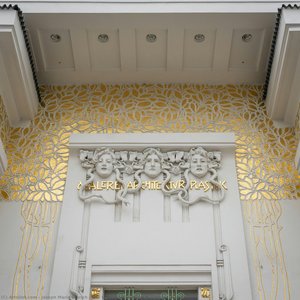
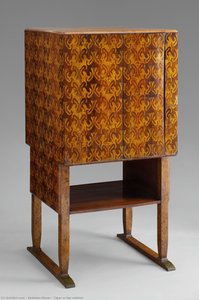
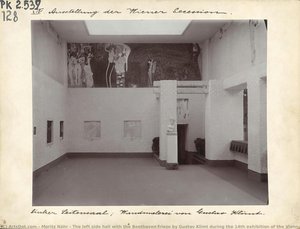
Biografija umetnika
Рани живот и образовање
Коломан Мозер, рођен 30. марта 1868. године у Бечу, Аустроугарска (данас део Хрватске), био је кључна фигура аустријске уметничке сцене, посебно познат по свом доприносу графичкој уметности и као оснивач Бечке сецесије. Његов уметнички пут започео је формалним студијама на Винер Академији и Кунстгевербешуле, где је касније постао инструктор од 1899. године надаље. Ова академска основа се показала кључном за обликовање његове свестране каријере кроз различите медијуме. Породило му је рану изложеност уметности и дизајну, негујући оштар поглед на детаље и естетику који ће дефинисати његов уметнички стил. Мозерова породична позадина значајно је утицала на његово разивијање осећаја за лепоту, што се одразило у каснијим делима.Уметнички допринос: Многострана каријера
Мозеров утицај на графичку уметност је неоспоран. Дизајнирао је поштанске марке, вињете за часописе и друге штампане материјале са изразитим геометријским шарама и стилизованим сликама. Његови дизајни карактерисали су се јасноћом, елеганцијом и иновативном употребом типографије. Али његов таленат није био ограничен само на графички дизајн; Мозер је уметност проширио и на моду, витражне прозоре, порцелан, керамику, дувано стакло, столарију, сребро и драгуљерију. Ово демонстрира његову посвећеност интеграцији уметности у свакодневни живот. Његови архитектонски дизајни, посебно апсидна мозаика и витражни прозори за Кирхе ам Штајнхоф у Бечу (1904), показују његову способност да споји уметничку визију са функционалним дизајном. Ова дела се сматрају ремек-делима архитектуре ар нувоа.Бечка радионица и дух сарадње
Године 1903. Мозер је заједно са Јозефом Хофманом суосновао Бечку радионицу (Wiener Werkstätte). Овај колаборативни центар имао је за циљ стварање естетски пријатних кућних производа уједињујући уметнике и занатлије. Бечка радионица заговарала је филозофију “Гезамткунстверк” – тотално дело уметности – где је сваки аспект објекта, од његовог дизајна до производње, пажљиво разматран. Мозерово учешће у Бечкој радионици учврстило је његову посвећеност функционалној лепоти и уздигло статус примењене уметности. Радионица није била само место за производњу предмета већ и платформа за промовисање нових идеја о дизајну и уметничком изразу.Утицаји, развој и наслеђе
Мозеров уметнички развој био је под утицајем неколико кључних покрета, укључујући ар нуво, симболизам и Бечку сецесију. Инспирацију је црпео из јапанских дрвореза, што је обликовало његову употребу равних површина боје и поједностављених облика. Његов стил се временом развијао, постајући све више апстрактан и геометријски, задржавајући осећај елеганције и финоће. Мозерово наслеђе је овековечено његовим дизајном на аустријском новцу од 100 евра са мотивом Штајнхоф цркве (2005), признајући његов трајан утицај на уметност и дизајн. Умро је у Бечу 1918. године, оставивши за собом значајан корпус дела који наставља да инспирише уметнике и дизајнере данас. Његови доприноси су помогли да се обликује ток модерне уметности и дизајна, истичући важност интеграције лепоте у свакодневне предмете и просторе. Мозер је био визионар који је веровао да би уметност требало да буде доступна свима, а не само елити.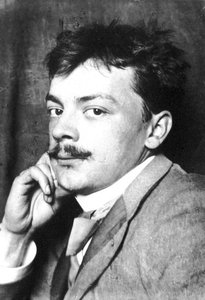
Коломан Мозер
1868 - 1918 , Хрватска
Kratke činjenice
- Artistic Movement Or Style: Бечка сецесија
- Artists Or Movements Influenced By This Artist: ['Радница']
- Date Of Birth: 30. март 1868.
- Date Of Death: 1918.
- Full Name: Коломан Мозер
- Nationality: Аустријанац
- Notable Artworks:
- Декорација фасаде
- Плесачица
- Три клечеће жене
- Place Of Birth (City And Country): Беч, Хрватска

