

 Pregledaj u prostoru
 Pošalji
 Podeli
 Detalji o delu

 Преузми
 Slični predmeti
 Rendgenski snimak
 Slajdovi
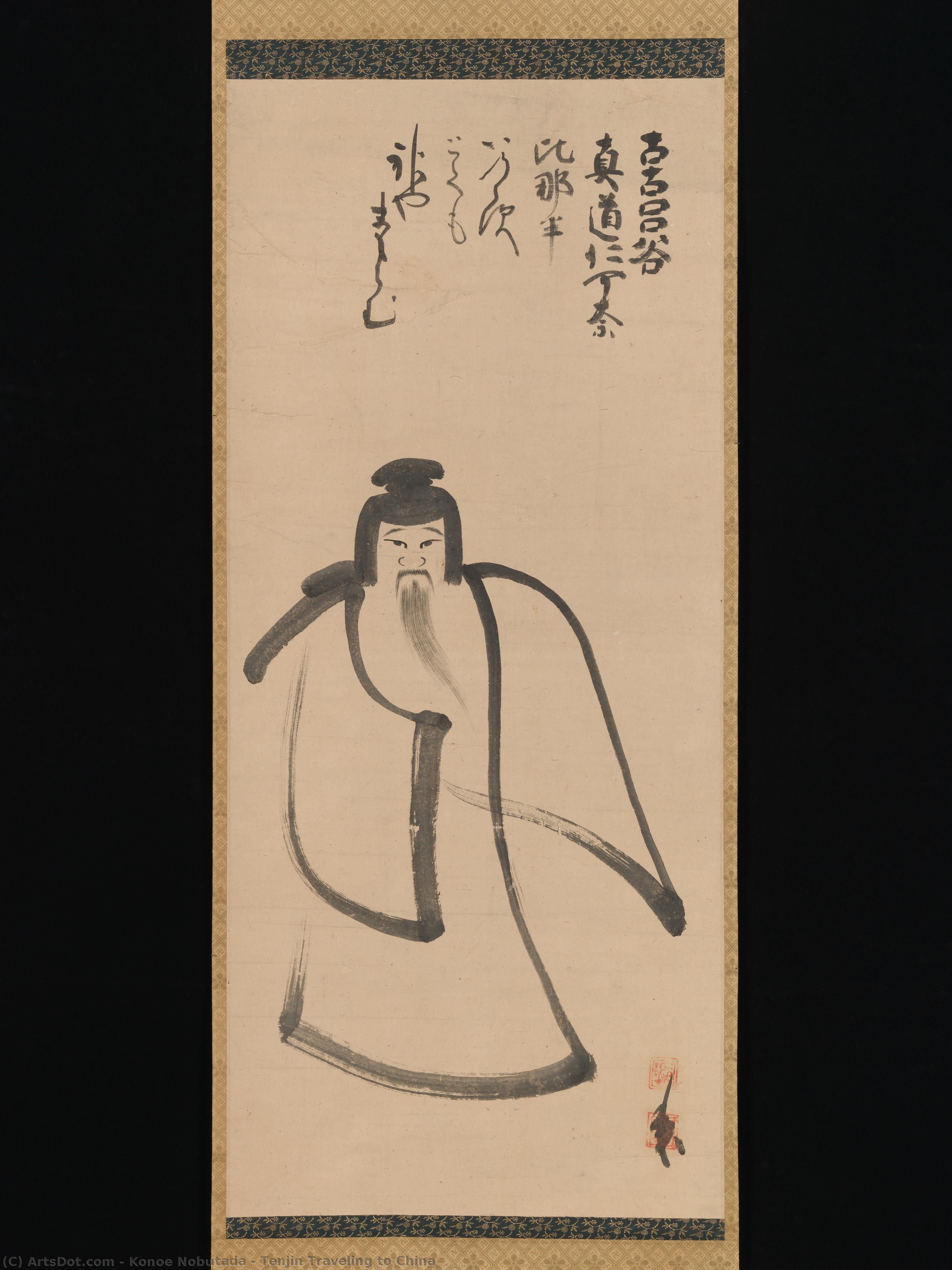
Tenjin Traveling to China
 501
501 98.0cm x 43.0cm
 Pročitaj više
Kupite digitalnu sliku visoke rezolucije i poboljšanog kvaliteta, koja je znatno superiornija od onoga što vidite u online prikazu.
Svaka datoteka je pedantno pripremljena od strane naših stručnjaka koristeći napredne alate i profesionalnu ručnu retušu. Osiguravamo da svaka slika ima izuzetnu oštrinu, preciznu reprodukciju boja i fine detalje.
Konačna datoteka se dostavlja putem e-pošte u roku od 72 sata, optimizovana za neposrednu upotrebu u profesionalnim, izdavačkim i štamparskim okruženjima. To je isti kvalitet kojem veruju vrhunski studiji dizajna, izdavači i galerije.
Digitalna slika
Preuzmite datoteku visoke rezolucije za ličnu upotrebu, štampanje i kreativne projekte. ( Kupi print Kupi ručno naslikanu sliku)
Uključeno uz svaku porudžbinu digitalne slike
Profesionalna digitalna isporuka, zagarantovana
Kada odaberete ArtsDot.com, ne dobijate samo sliku – vi primate profesionalno unapređeno digitalno umetničko delo, izrađeno sa najvećom preciznošću i uz garanciju zadovoljstva. Evo svega što automatski dolazi uz vašu porudžbinu:

Brza dostava putem e-pošte
Vaša digitalna slika visoke rezolucije biće vam poslata putem e-pošte u roku od 72 sata od poručivanja – spremna za trenutnu upotrebu.

Digitalna datoteka unapređena veštačkom inteligencijom
Vaše umetničko delo je profesionalno optimizovano korišćenjem naprednih AI alata i ručne obrade, čime se osiguravaju maksimalni detalji, oštrina i preciznost boja.

Besplatna ponovna isporuka doživotno
Slučajno ste obrisali ili izgubili svoju datoteku? Ne brinite – poslaćemo vam je ponovo u bilo kom trenutku, potpuno besplatno.

Bez troškova uvoza – zauvek
Uživajte u svojim umetničkim delima trenutno, bez carine, dažbina ili troškova dostave – digitalni download je uvek bez poreza.

Garancija vernosti boja
Uz pomoć profesionalnih alata i upravljanja bojama, osiguravamo da vaša digitalna slika što vernije odražava originalne boje.

Garancija zadovoljstva u roku od 100 dana
Ako niste zadovoljni svojom digitalnom slikom, revidirat ćemo je ili vratiti 100% novca u roku od 100 dana – bez ikakvih pitanja.

100% garancija povrata novca
Niste zadovoljni? Obezbedite pun povrat novca u roku od 100 dana od trenutka kada ste primili svoju digitalnu datoteku – bez suvišnih pitanja.

Popusti na velike porudžbine
Kupite 3 slike, uštedite 10% - Kupite 5 slika, uštedite 15% - Kupite 10+ slika, uštedite 20%. Odlično za kreativne projekte, galerije i agencije.
Artist: Konoe Nobutada
Konoe Nobutada (1565-1623) was a courtier, artist, and poet who excelled in calligraphy as one of the 'Three Brushes of the Kan'ei period.' He held several high-ranking court positions and studied Zen under Takuan Sōhō. Konoe Nobutada's spontaneous mode of painting was influenced by Zen practices, which is evident in his work Tenjin Traveling to China.Painting: Tenjin Traveling to China
Tenjin Traveling to China (97.7cm x 42.7cm, Paper) is an abbreviated and strongly brushed depiction of Tenjin, the posthumously deified spirit of Heian-period statesman and poet Sugawara Michizane (845–903). The painting showcases Konoe Nobutada's mastery of brushwork and his ability to convey a sense of movement and energy.Historical Context
The theme of Tenjin Traveling to China is deeply rooted in Japanese history and mythology. Tenjin, also known as Sugawara Michizane, was a historical figure who was exiled and later deified as the god of scholarship. The painting depicts his journey to Tang-dynasty China, symbolizing his spiritual growth and transformation.Influence on Western Art
Ukiyo-e art, including Konoe Nobutada's works, had a significant impact on Western art in the late 19th century. The spontaneous brushwork and expressive lines of ukiyo-e influenced Impressionist and Post-Impressionist artists such as Monet, Van Gogh, and Toulouse-Lautrec.Hand Made Oil Paintings Reproductions at ArtsDot.com
At ArtsDot.com, we offer high-quality hand made oil paintings reproductions of famous artworks, including Konoe Nobutada's Tenjin Traveling to China. Our skilled artists meticulously recreate each brushstroke and detail, ensuring that our reproductions are as close to the original as possible.Conclusion
Konoe Nobutada's Tenjin Traveling to China is a masterpiece of Japanese art that showcases the artist's skill and creativity. Its historical significance and influence on Western art make it an important work in the canon of world art. At ArtsDot.com, we are proud to offer hand made oil paintings reproductions of this iconic artwork, allowing art lovers to enjoy its beauty and significance in their own homes.Srodna umetnička dela










Biografija umetnika
Jan Pieterszoon Saenredam: The Architect of Silence
Born in Zaandam in 1565, Jan Pieterszoon Saenredam’s life unfolded within the vibrant yet often turbulent landscape of the Dutch Republic. Orphaned at a young age and apprenticed to a cartographer, his early artistic training laid the groundwork for a career that would ultimately redefine his place within the burgeoning world of Netherlandish art. Unlike many of his contemporaries who sought fame through grand narratives or portraiture, Saenredam carved out a unique niche—one defined by an almost obsessive fascination with interiors and the quiet spaces of Dutch life. He wasn’t interested in depicting dramatic events or heroic figures; instead, he meticulously rendered the hushed beauty of churches, town halls, and merchant houses – places where time seemed to slow, and the echoes of daily existence lingered.
Saenredam's artistic journey began with a period of apprenticeship under Hendrick Goltzius in Haarlem. This formative experience exposed him to the principles of Mannerism, a style characterized by elongated forms, complex compositions, and an emphasis on elegance and refinement. However, Saenredam quickly developed his own distinctive voice, moving beyond mere imitation and embracing a highly personal approach to rendering space and light. His early work demonstrates a clear debt to Goltzius’s technical skill, but it is in his later years that Saenredam truly blossomed, establishing himself as a master of atmospheric perspective and subtle detail.
A pivotal moment in Saenredam's career was his association with Abraham Bloemaert, a prolific painter known for his allegorical works. Bloemaert’s depictions of the Annunciation to the Shepherds became a recurring subject for Saenredam, who produced numerous engravings based on Bloemaert’s designs. These prints are particularly significant because they reveal Saenredam's remarkable ability to capture the essence of a scene—not through dramatic gestures or vibrant colors, but through carefully observed details and an almost meditative stillness. The *Annunciation to the Shepherds* engraving, for example, is not merely a reproduction of Bloemaert’s painting; it is a distillation of its spirit, conveying a profound sense of serenity and reverence.
The Language of Interiors
Saenredam's most distinctive contribution to art lies in his exploration of interior space. He wasn’t interested in grand vistas or sweeping landscapes; instead, he focused on the intimate details of buildings—the worn wooden floors, the flickering candlelight, the shadows cast by furniture and architectural elements. His paintings are often described as “architectural fantasies,” because they seem to exist outside of time and place, offering a glimpse into a world that is both familiar and otherworldly. He meticulously rendered every surface, from the rough texture of stone walls to the polished sheen of wooden panels, creating an illusion of depth and realism that was unparalleled in his day.
The key to Saenredam’s success lay in his mastery of *chiaroscuro*, the technique of using strong contrasts between light and dark to create a sense of volume and drama. He employed subtle gradations of tone to suggest the play of light on surfaces, transforming ordinary interiors into scenes of extraordinary beauty. His compositions are typically centered around a single point of illumination—a window, a doorway, or a candle—which casts long shadows and creates a sense of mystery and intrigue. He often depicted these spaces in a state of quiet repose, as if frozen in time, inviting the viewer to contemplate their own memories and experiences.
A Legacy of Quietude
Despite his remarkable talent and prolific output, Saenredam remained largely unknown during his lifetime. His paintings were often dismissed as quaint or unremarkable, overshadowed by the more flamboyant works of his contemporaries. It wasn’t until the early 20th century that scholars began to recognize the unique qualities of Saenredam's art—his meticulous attention to detail, his profound understanding of space and light, and his ability to evoke a sense of quiet contemplation.
Today, Jan Pieterszoon Saenredam is regarded as one of the most important artists of the Dutch Golden Age. His paintings offer a rare glimpse into the domestic lives of ordinary people—a world of simple pleasures, everyday routines, and profound spiritual values. His legacy lies not in grand gestures or dramatic narratives, but in his ability to capture the essence of silence—the quiet beauty of the unseen, the unspoken truths that lie beneath the surface of daily existence. His work continues to resonate with viewers today, inviting us to slow down, observe carefully, and appreciate the subtle wonders of the world around us.
Influences and Techniques
Saenredam’s artistic development was shaped by a confluence of influences. As mentioned earlier, his early training under Hendrick Goltzius instilled in him a deep appreciation for Mannerist techniques—elongated forms, complex compositions, and an emphasis on elegance. However, Saenredam quickly transcended these influences, developing his own distinctive style that combined technical skill with a profound sense of empathy. He was also influenced by the work of other Dutch artists, such as Pieter Steenwijck, who specialized in rendering interiors with remarkable realism.
Technically, Saenredam’s paintings are characterized by their meticulous attention to detail and their masterful use of perspective. He employed a technique known as *trompe-l'oeil*, which literally means “fool the eye,” to create the illusion of three-dimensional space on a two-dimensional surface. He paid particular attention to the rendering of light and shadow, using subtle gradations of tone to suggest the play of light on surfaces. His use of color was restrained and muted, reflecting the subdued atmosphere of his interiors. He often worked in monochrome or with limited palettes, focusing instead on capturing the nuances of texture and form.
Major Works
Some of Saenredam’s most celebrated works include:
- *The Concert* (1598) – Rijksmuseum, Amsterdam
- *The Church at Assendelft* (c. 1603) – Museum Het Prinsenhuis, Leiden
- *The Town Hall of Assendelft* (c. 1606) – Collection of the Province of North Holland
- *The Interior of a Concert Hall* (c. 1607) – Private Collection
These paintings represent Saenredam’s mastery of architectural rendering and his ability to capture the essence of Dutch domestic life. They are testaments to his quiet genius and enduring legacy as one of the most important artists of the Dutch Golden Age.
konoe nobumoto, konoe nobusuke, sanmyakuin
1565 - 1614 , Japan
Kratke činjenice
- Artistic Movement Or Style: Mannerism, Genre Painting
- Artists Or Movements Influenced By This Artist:
- Dutch Golden Age Painting
- Pieter Bruegel the Younger
- Artists Who Influenced This Artist:
- Jan van Eyck
- Hieronymus Bosch
- Date Of Birth: c. 1525–1530
- Date Of Death: September 9, 1569
- Full Name: Pieter Bruegel the Elder
- Nationality: Dutch
- Notable Artworks:
- The Hunters in the Snow
- The Peasant Wedding
- The Tower of Babel
- The Triumph of Death
- Place Of Birth: Breda, Netherlands