

 Pregledaj u prostoru
 Pošalji
 Podeli
 Detalji o delu

 Преузми
 Slični predmeti
 Rendgenski snimak
 Slajdovi
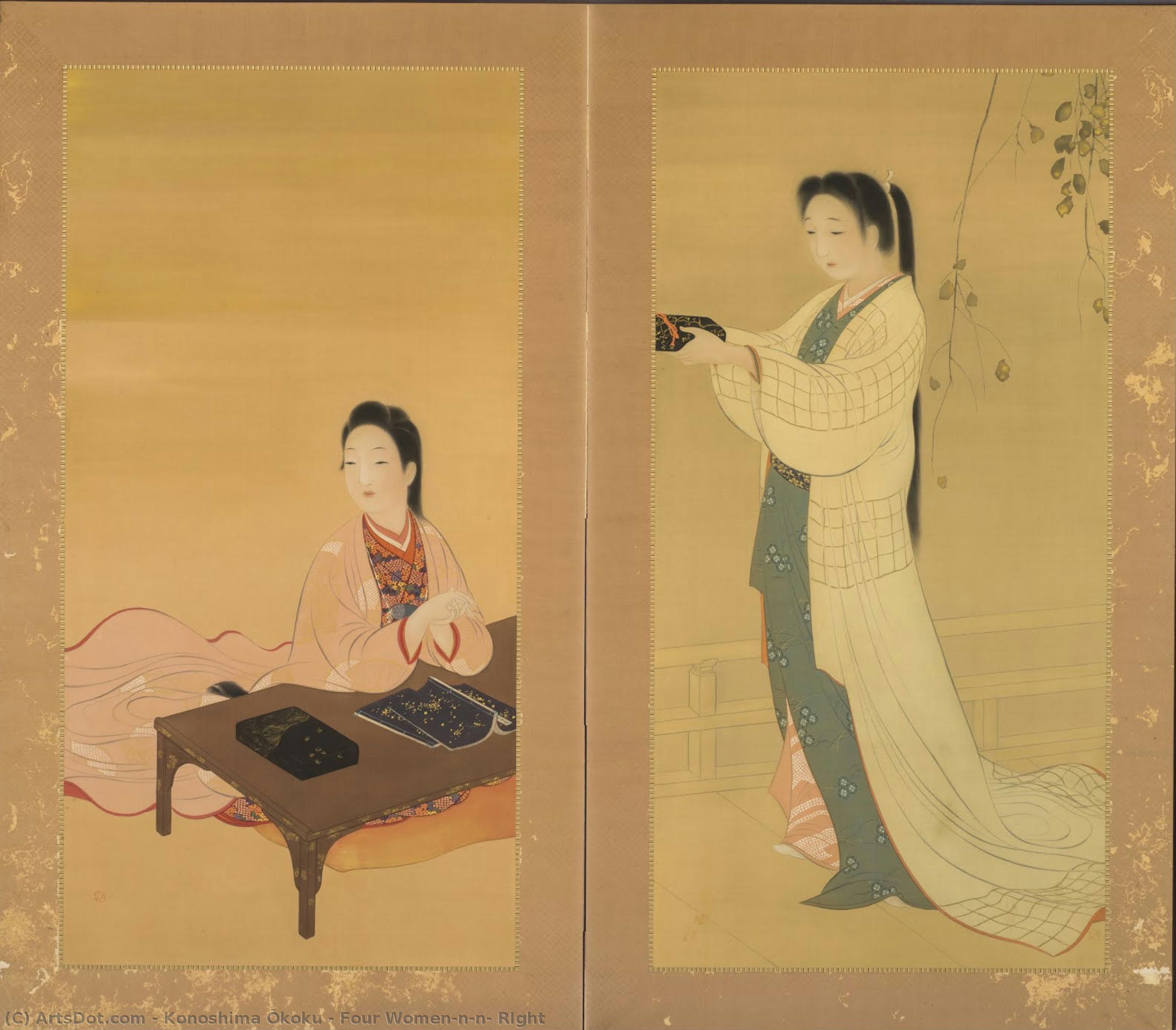
Four Women\n\n- RIght

 Pročitaj više
Giclee štampa / Umetnički otisak
Giclée štampa ili print na platnu muzejskog kvaliteta uz brzu proizvodnju i fleksibilne opcije završne obrade. ( Kupi ručno naslikanu sliku Kupi digitalnu sliku)




































Izaberite jednu od naših unapred definisanih veličina koje odgovaraju originalnim proporcijama umetničkog dela.

Možete uneti sopstvene dimenzije kako biste umetničko delo prilagodili specifičnom okviru ili prostoru. Ako odabrani format ne odgovara proporcijama originalne slike, mi ćemo ili iscrtati deo dela ili proširiti sliku pomoću ogledane ivice ili jednobojnog popunjavanja. Digitalni prikaz će vam biti poslat na odobrenje pre početka proizvodnje.
Imajte na umu da pregled na ekranu ne odražava stvarno iscrtavanje ili proširivanje. Samo će prikaz (mockup) precizno pokazati finalnu kompoziciju.
Iako su prilagođene dimenzije dostupne, preporučujemo da odaberete dimenziju sa unapred definisane liste kako biste očuvali originalne proporcije.
Dostava širom sveta () za 2 nedelje umesto uobičajenih 4/5 nedelja. (22 август)

Besplatna ekspresna dostava širom sveta

Visokokvalitetno laneno platno

Kompletno osiguranje transporta

Garancija povraćaja carine i uvoznih dažbina

Garancija vernosti boja

Politika povrata u roku od 60 dana (samo u slučaju nedostataka)

Garancija povrata novca od 100%

Popust pri grupnoj kupovini
 Opcija sa staklom dostupna je samo za dimenzije manje od 110 cm

Four Women\n\n- RIght
Giclee štampa / Umetnički otisak
Dimenzije reprodukcije
-


Konačna cena
$ 62
Srodna umetnička dela




Biografija umetnika
A Life Immersed in Brushstrokes: The World of Konoshima Ōkoku
Konoshima Ōkoku, born in Kyoto in 1877 and passing away in 1938, stands as a pivotal figure in the transition of Japanese painting from traditional styles to a modern aesthetic. He wasn’t merely an artist; he was a conduit, inheriting centuries of artistic lineage while simultaneously forging his own path through meticulous observation and a deeply personal connection with nature. His life unfolded against a backdrop of rapid modernization in Japan, a period that saw the nation grapple with embracing Western influences alongside preserving its rich cultural heritage. Ōkoku’s work embodies this very tension—a harmonious blend of established techniques and an emerging realism born from sketching directly from life. He represented the Kyoto circle of painters, a group known for their dedication to *Nihonga*, or traditional Japanese-style painting, but with a distinct emphasis on capturing the essence of the natural world around them.Early Years and Artistic Foundations
Ōkoku’s artistic journey began under the tutelage of Imao Keinen, a highly respected master of Nihonga. Keinen was instrumental in shaping Ōkoku's foundational skills, instilling within him a deep understanding of traditional brushwork, composition, and subject matter—often focusing on birds, flowers, and landscapes. However, Ōkoku wasn’t content with simply replicating the styles of his teacher. He possessed an innate curiosity and a desire to move beyond imitation. This led him to actively sketch from life, a practice that would become central to his artistic development. His early works already hinted at this burgeoning realism, showcasing a keen eye for detail and a sensitivity to light and shadow. He quickly distinguished himself, winning prizes at each of the first six Ministry of Education art exhibitions—a testament to his exceptional talent and dedication. These accolades weren’t merely acknowledgements of skill; they signaled the arrival of a new voice within the Nihonga landscape.The Shijō School and a Unique Aesthetic
Ōkoku became a leading member of the *Shijō school*, an influential group of artists active in Kyoto from the Meiji period through the early Shōwa era. The Shijō school was characterized by its commitment to realism, combined with traditional Japanese aesthetics. While many artists were experimenting with Western painting techniques, the Shijō painters sought to modernize Nihonga *from within*, refining existing methods and incorporating direct observation without abandoning their cultural roots. Ōkoku’s contribution to this movement was significant. He developed a distinctive style that balanced meticulous detail with a lyrical quality, imbuing his paintings with a sense of tranquility and emotional depth. His subject matter often revolved around animals—deer grazing in misty landscapes, foxes moving through bamboo forests—historical scenes, and glimpses into everyday life. He wasn’t simply depicting these subjects; he was capturing their spirit, their essence, their place within the natural order.Major Achievements and Artistic Themes
Throughout his career, Ōkoku exhibited extensively at prestigious exhibitions like the *Bunten* and *Teiten*, further solidifying his reputation as a leading Nihonga painter. His works consistently garnered critical acclaim for their technical mastery and poetic resonance. Several themes recur throughout his oeuvre. Animals, particularly deer and foxes, appear frequently, often depicted in serene landscapes shrouded in mist or bathed in soft light. These animals weren’t merely subjects; they were symbols of grace, resilience, and harmony with nature. Historical scenes allowed Ōkoku to explore narratives from Japan's past, rendered with a meticulous attention to detail and a sense of dramatic storytelling. Perhaps most compelling are his depictions of daily life—scenes of women engaged in everyday activities, capturing the quiet beauty of ordinary moments. His triptych “Misty Rain & Fallen Leaves” exemplifies his mastery; the delicate brushwork, subtle color palette, and evocative atmosphere create a truly captivating work.Legacy and Renewed Appreciation
While Ōkoku enjoyed considerable recognition during his lifetime, his popularity waned in the decades following his death. However, in recent years, there has been a renewed appreciation for his work, particularly among those seeking to understand the complexities of modern Japanese painting. His paintings offer a unique perspective—a harmonious blend of tradition and innovation, realism and lyricism. He wasn’t simply replicating the past; he was building upon it, creating something new and distinctly his own. Today, Konoshima Ōkoku is celebrated as a leading master of Nihonga, an artist whose work continues to inspire and captivate audiences with its technical brilliance, emotional depth, and enduring beauty. His legacy lies not only in the exquisite paintings he left behind but also in his ability to bridge the gap between tradition and modernity, leaving an indelible mark on the landscape of Japanese art.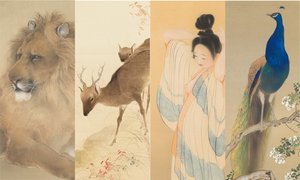
konoshima ōkoku
1877 - 1938 , Japan
Osnovne informacije
- Artistic Movement Or Style: Nihonga painting
- Artists Who Influenced This Artist: ['Imao Keinen']
- Date Of Birth: 1877
- Date Of Death: 1938
- Full Name: Konoshima Ōkoku
- Nationality: Japanese
- Notable Artworks:
- Spring on a Main Road
- Misty Rain & Fallen Leaves
- Four Women
- Spring Sunset
- Place Of Birth: Kyoto, Japan

