

 Pregledaj u prostoru
 Pošalji
 Podeli
 Detalji o delu

 Преузми
 Slični predmeti
 Rendgenski snimak
 Slajdovi
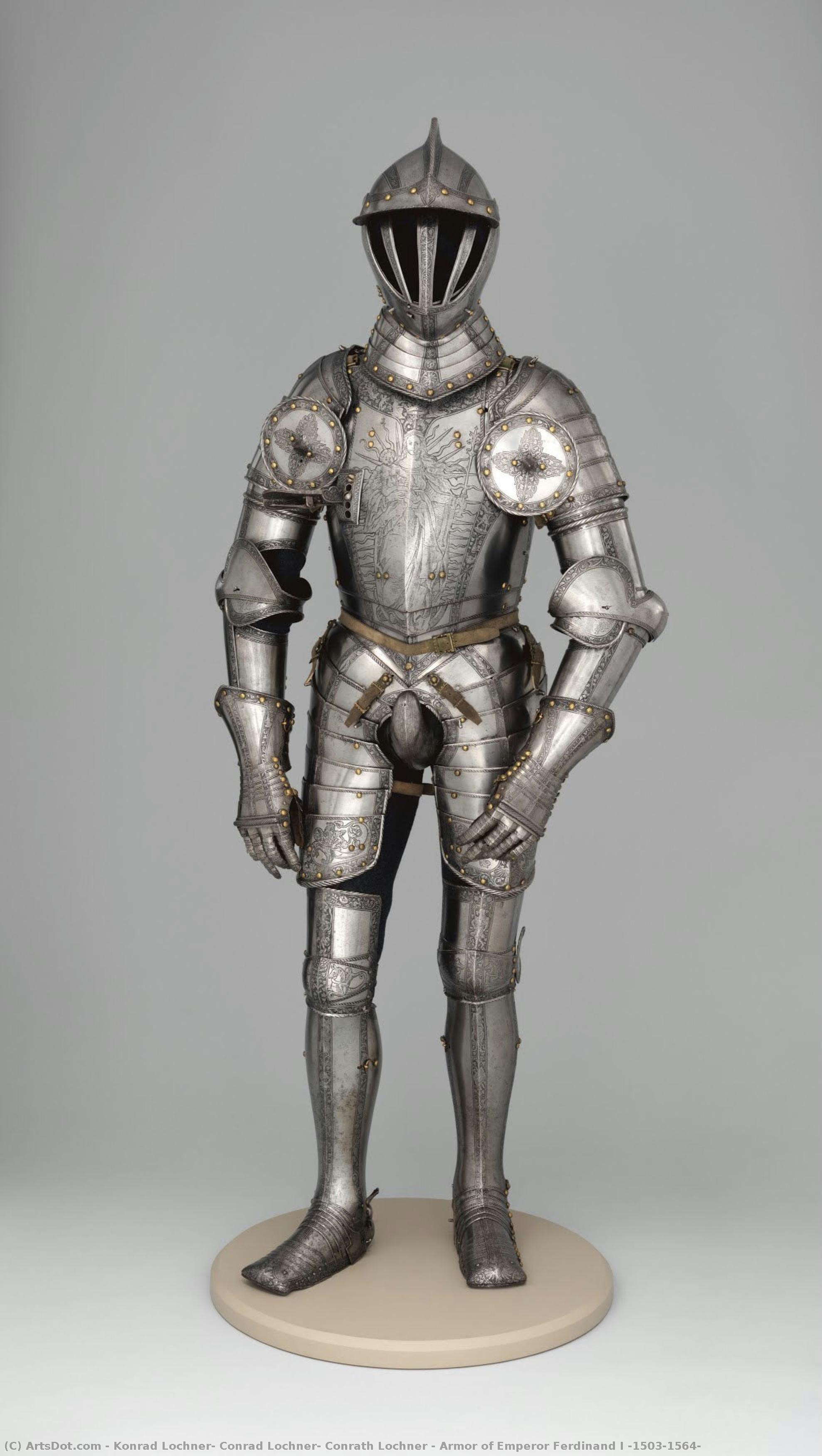
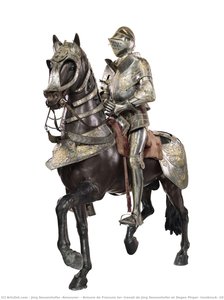
Armor of Emperor Ferdinand I (1503–1564)


 Pročitaj više
Giclee štampa / Umetnički otisak
Giclée štampa ili print na platnu muzejskog kvaliteta uz brzu proizvodnju i fleksibilne opcije završne obrade. ( Kupi ručno naslikanu sliku Kupi digitalnu sliku)




P118B $10

P118H $10

P118W $10

P438Z $10

P508JH $12

P508YH $12

P805H $10

P805Z $10

P919BZ $10

P919G $10

P919XJ $10

P959ZH $10

P968JZ $12

W106C $8

W218G $10

W218JH $8

W218Y $10

W307PJ $10

W316G $10

W316PJ $8

W316Y $10

W398PJ $8

W4111J $10

W500HY $15

W500JH $15

W692G $12

W849H $8

W940BG $15

W953PJ $8




Izaberite jednu od naših unapred definisanih veličina koje odgovaraju originalnim proporcijama umetničkog dela.

Možete uneti sopstvene dimenzije kako biste umetničko delo prilagodili specifičnom okviru ili prostoru. Ako odabrani format ne odgovara proporcijama originalne slike, mi ćemo ili iscrtati deo dela ili proširiti sliku pomoću ogledane ivice ili jednobojnog popunjavanja. Digitalni prikaz će vam biti poslat na odobrenje pre početka proizvodnje.
Imajte na umu da pregled na ekranu ne odražava stvarno iscrtavanje ili proširivanje. Samo će prikaz (mockup) precizno pokazati finalnu kompoziciju.
Iako su prilagođene dimenzije dostupne, preporučujemo da odaberete dimenziju sa unapred definisane liste kako biste očuvali originalne proporcije.
Dostava širom sveta () za 2 nedelje umesto uobičajenih 4/5 nedelja. (31 август)

Besplatna ekspresna dostava širom sveta

Visokokvalitetno laneno platno

Kompletno osiguranje transporta

Garancija povraćaja carine i uvoznih dažbina

Garancija vernosti boja

Politika povrata u roku od 60 dana (samo u slučaju nedostataka)

Garancija povrata novca od 100%

Popust pri grupnoj kupovini
 Opcija sa staklom dostupna je samo za dimenzije manje od 110 cm

Armor of Emperor Ferdinand I (1503–1564)
Giclee štampa / Umetnički otisak
Dimenzije reprodukcije
-


Konačna cena
$ 62
A Chronicle in Steel: The Armor of Emperor Ferdinand I
The Armor of Emperor Ferdinand I, crafted by the masterful Kunz Lochner in 1549, isn’t merely a suit of plate; it's a tangible embodiment of power, faith, and the tumultuous era of the Holy Roman Empire. This extraordinary piece transcends its function as military equipment, evolving into a complex visual narrative—a testament to Ferdinand’s position as both king and emperor, and a poignant reflection on the religious conflicts shaping Europe at the time. The armor itself is a remarkable feat of engineering and artistry, showcasing Lochner's unparalleled skill in manipulating metal to achieve both defensive strength and breathtaking aesthetic detail.
Lochner’s workshop in Nuremberg was renowned throughout Europe for its production of exquisite armor, catering to royalty, nobility, and even the military. The Armor of Ferdinand I stands as a pinnacle of this legacy—a meticulously constructed suit designed not just for protection but also for projecting an image of authority and divine sanction. The sheer scale of the piece is impressive, reflecting the status of its wearer; however, it’s the intricate details that truly captivate: the subtly hammered surfaces, the precisely fitted plates, and most notably, the elaborate etchings that adorn nearly every surface.
A Tapestry of Symbolism
The armor is a veritable encyclopedia of symbolism, each element carefully chosen to reinforce Ferdinand’s authority and ideological stance. Dominating the breastplate is an arresting image: the Virgin Mary as Woman of the Apocalypse, a motif directly borrowed from Albert V, Duke of Bavaria, Ferdinand's brother-in-law. This imagery immediately connects Ferdinand to the Catholic faith and positions him as a defender of Christendom against the rising tide of Protestantism. Below this powerful emblem, a fiery saltire—a Burgundian symbol representing Philip the Good—suggests his lineage and connection to the wealthy and influential Duchy of Burgundy. The inclusion of Saints Peter and Paul, rendered in architectural settings, further emphasizes Ferdinand’s role as a pious ruler upholding traditional values.
The crowned Reichsadler eagle, prominently displayed on the toe caps of the sabatons (the armored footwear), is perhaps the most significant symbol. This emblem represents the Holy Roman Empire—a complex and often fragmented entity ruled by Ferdinand. Its presence underscores his claim to imperial authority and his role as a unifying force amidst political instability. The repeated stamping of the date “1549” across the armor serves as a reminder of its creation, solidifying its status as a symbol of a specific moment in history—a time of both opportunity and peril for the Habsburg dynasty.
Craftsmanship and Technique
The Armor of Ferdinand I is a testament to Lochner’s mastery of plate armor construction. The pieces are meticulously shaped, hammered, and fitted together with an astonishing degree of precision. What sets this armor apart from many of its contemporaries is the extensive use of etching—a technique that allowed for incredibly detailed imagery to be incorporated directly into the metal surface. This wasn't merely decorative; it was a practical solution for conveying complex symbolism without compromising the armor’s protective capabilities.
The etched designs are remarkably vibrant, achieved through a process of carefully controlled acid application. The swirling patterns, intricate figures, and symbolic motifs appear to almost leap from the metal itself—a remarkable feat of craftsmanship that speaks volumes about Lochner's skill and artistic vision. The subtle variations in tone across the surface – areas of polished sheen juxtaposed with slightly rougher textures – further enhance the visual impact, creating a dynamic interplay of light and shadow.
A Legacy Enduring
Today, preserved within the Metropolitan Museum of Art, the Armor of Emperor Ferdinand I remains a captivating artifact—a window into a pivotal moment in European history. It’s more than just a suit of armor; it's a powerful symbol of faith, power, and artistic achievement. Reproductions of this iconic piece offer an opportunity to bring its grandeur and symbolism into any setting, serving as a striking centerpiece for collectors, art enthusiasts, or those seeking to evoke the spirit of the Renaissance.
Srodna umetnička dela

Biografija umetnika
Kunz Lochner: The Master Armorer of Nuremberg’s Renaissance
Kunz Lochner (1510-1567) stands as a titan amongst the craftsmen of his era, an undisputed master armourer whose workshops produced some of the most breathtaking examples of Renaissance artistry and engineering. Born in Nuremberg, Germany—a city renowned for its burgeoning artistic patronage—Lochner’s legacy extends far beyond mere metalwork; it embodies the spirit of innovation and grandeur that characterized the Holy Roman Empire during its golden age. His father, also a skilled armourer, instilled in him a profound understanding of metallurgy and craftsmanship, shaping Lochner into an artist driven by both technical precision and aesthetic vision.- Early Life & Training: Lochner’s formative years were spent honing his skills alongside his brothers, Heinrich and Hans, all dedicated to the art of armour making. This familial tradition ensured that Lochner received a comprehensive education in blacksmithing techniques and the intricacies of shaping metal into functional and decorative forms.
- The Imperial Patronage: Lochner’s career ascended dramatically when he secured commissions from Emperor Ferdinand I and subsequently Maximilian II, marking him as one of the most sought-after artisans of his time. These royal patrons recognized Lochner's exceptional talent and entrusted him with crafting armour for military campaigns and ceremonial occasions—a testament to his reputation for excellence.
A Legacy Forged in Steel: Lochner’s Artistic Style & Technique
Lochner’s workshop produced armor that transcended mere protection; it was sculpture incarnate. He employed techniques honed over generations of armourers, utilizing cruciform hammering and chasing to achieve unparalleled levels of detail and surface texture. His designs incorporated flowing lines and elegant curves—a departure from the more rigid forms favored by earlier armourers—reflecting the humanist ideals prevalent in Renaissance art. Lochner’s meticulous attention to ornamentation included embossing, engraving, and inlaying precious metals like gold and silver, transforming armor into wearable masterpieces.- Notable Commissions: Among Lochner's most celebrated achievements were commissions for Ferdinand I and Maximilian II, resulting in iconic pieces that exemplify the grandeur of the Habsburg court. The “Armor of Emperor Ferdinand I” remains a stunning demonstration of Lochner’s mastery—a testament to his ability to blend practicality with artistic brilliance.
- Materials & Methods: Lochner skillfully utilized iron ore and coal, transforming raw materials into durable plates adorned with intricate designs. His blacksmithing prowess allowed him to forge components with remarkable strength and precision, while his silversmithing skills added shimmering accents of gold and silver—enhancing the visual impact of each creation.
Preserved Glory: Lochner’s Armor in Museums Worldwide
The enduring beauty and craftsmanship of Lochner's armor continue to inspire awe today. Specimens are housed in prestigious institutions across Europe, including the Royal Armoury in Stockholm, Dresden State Art Collections, the Army Museum in Paris, and The Metropolitan Museum of Art in New York City. These museums offer visitors a rare opportunity to examine firsthand the extraordinary artistry of Lochner—a symbol of Nuremberg’s artistic heritage and a cornerstone of Renaissance armour production.- Museum Collections: Examining Lochner's armor within these collections allows scholars to appreciate the meticulous detail and innovative techniques employed by this master craftsman. The preservation of these pieces ensures that Lochner’s legacy will endure for generations to come—a reminder of Nuremberg’s contribution to European art history.
Historical Significance & Enduring Influence
Kunz Lochner's work represents more than just exceptional craftsmanship; it embodies the cultural dynamism of the Renaissance. His armor served as a visual embodiment of imperial power and prestige, reflecting the artistic sensibilities of his time. Lochner’s influence extended beyond his immediate commissions, shaping armour production standards for decades to come—establishing him as one of the most influential figures in the history of European metalwork.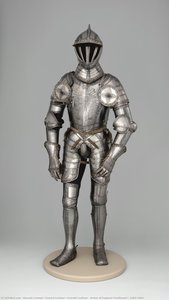
konrad lochner, conrad lochner, conrath lochner
1510 - 1567 , Germany
Osnovne informacije
- Artistic Movement Or Style: Renaissance Armor
- Artists Or Movements Influenced By This Artist: ['']
- Artists Who Influenced This Artist: ['']
- Date Of Birth: 1510 Nuremberg Germany
- Date Of Death: 1567
- Full Name: Kunz Lochner
- Nationality: German
- Notable Artworks:
- Armor of Emperor Ferdinand I
- The King
- Place Of Birth: Nuremberg Germany
Povezani članci
Ferdinand Hodler: Symbolism, Parallelism & the Quest for Universal Harmony
Explore the captivating world of Ferdinand Hodler, Swiss Symbolist painter renowned for his evocative landscapes & pioneering 'parallelism'. Discover his life, key works, and lasting influence on art history. Own a hand-painted reproduction today!
Ferdinand Bol (1616-1680): A Dutch Master of Portraiture & Dramatic Light
Explore the captivating world of Ferdinand Bol (1616-1680), a master Dutch portraitist deeply influenced by Rembrandt. Discover his life, style, and enduring legacy with ArtsDot.
Ferdinand du Puigaudeau: Bridging Impressionism & Symbolism in Breton Landscapes
Discover Ferdinand du Puigaudeau's captivating Breton landscapes – a bridge between Impressionism & Symbolism. Explore his life, unique style, and enduring legacy with ArtsDot.
Etching: A Historical Survey of Technique, Aesthetic Qualities & Enduring Artistic Significance
Explore the rich history of etching, from its origins to Rembrandt's masterful innovations. Discover the technique, aesthetic qualities & enduring legacy of this captivating art form. Expert insights for collectors and enthusiasts.
The Palate and the Palette: Exploring the Psychological Impact of Visual Design on Dining Perception and Appetite
Explore the science of dining! Discover how visual design impacts appetite & perception. Expert insights for hotel designers & restaurateurs to elevate the customer experience.

