

 Pregledaj u prostoru
 Pošalji
 Podeli
 Detalji o delu

 Преузми
 Slični predmeti
 Rendgenski snimak
 Slajdovi
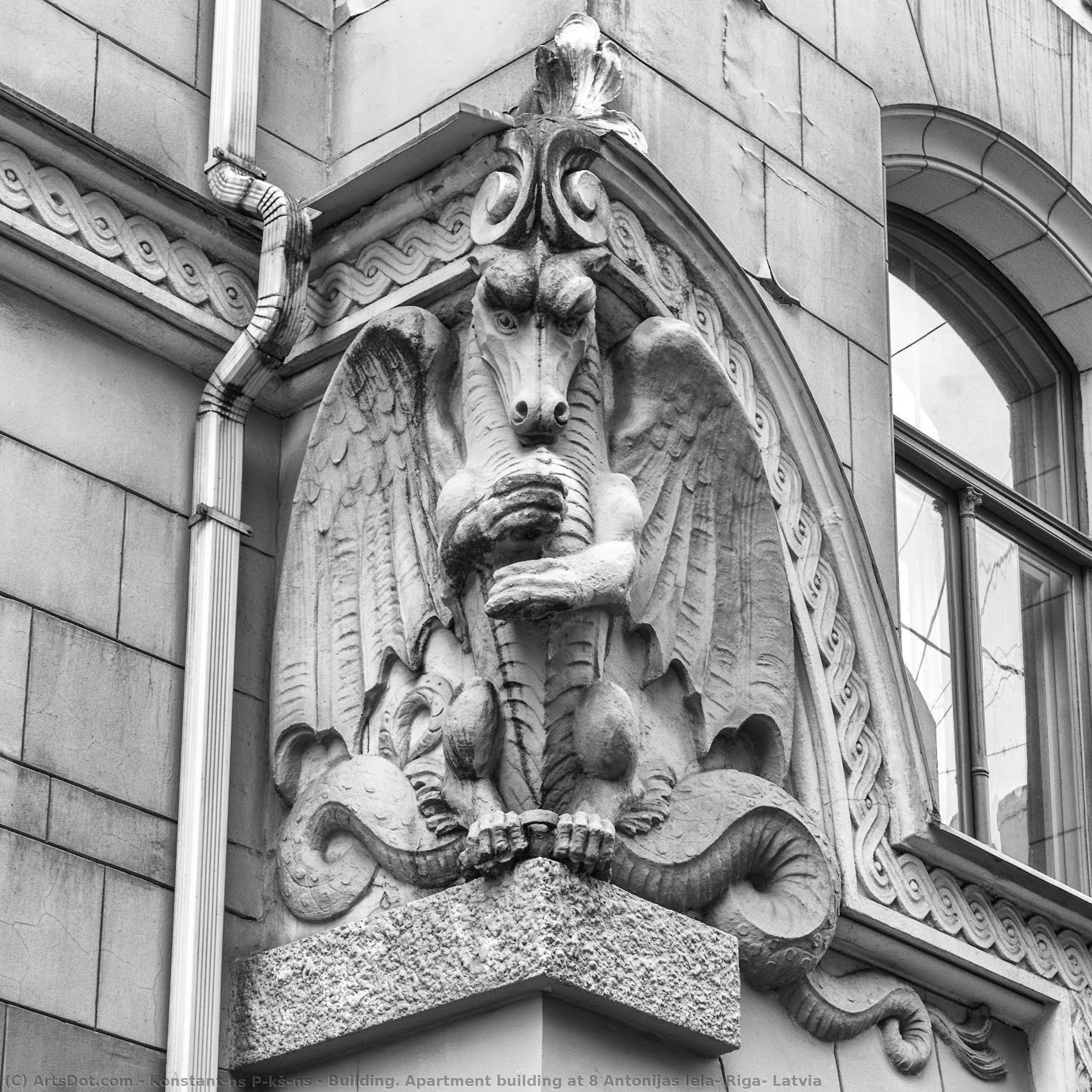
Building. Apartment building at 8 Antonijas Iela, Riga, Latvia

 Pročitaj više
Kupite digitalnu sliku visoke rezolucije i poboljšanog kvaliteta, koja je znatno superiornija od onoga što vidite u online prikazu.
Svaka datoteka je pedantno pripremljena od strane naših stručnjaka koristeći napredne alate i profesionalnu ručnu retušu. Osiguravamo da svaka slika ima izuzetnu oštrinu, preciznu reprodukciju boja i fine detalje.
Konačna datoteka se dostavlja putem e-pošte u roku od 72 sata, optimizovana za neposrednu upotrebu u profesionalnim, izdavačkim i štamparskim okruženjima. To je isti kvalitet kojem veruju vrhunski studiji dizajna, izdavači i galerije.
Digitalna slika
Preuzmite datoteku visoke rezolucije za ličnu upotrebu, štampanje i kreativne projekte. ( Kupi print Kupi ručno naslikanu sliku)
Uključeno uz svaku porudžbinu digitalne slike
Profesionalna digitalna isporuka, zagarantovana
Kada odaberete ArtsDot.com, ne dobijate samo sliku – vi primate profesionalno unapređeno digitalno umetničko delo, izrađeno sa najvećom preciznošću i uz garanciju zadovoljstva. Evo svega što automatski dolazi uz vašu porudžbinu:

Brza dostava putem e-pošte
Vaša digitalna slika visoke rezolucije biće vam poslata putem e-pošte u roku od 72 sata od poručivanja – spremna za trenutnu upotrebu.

Digitalna datoteka unapređena veštačkom inteligencijom
Vaše umetničko delo je profesionalno optimizovano korišćenjem naprednih AI alata i ručne obrade, čime se osiguravaju maksimalni detalji, oštrina i preciznost boja.

Besplatna ponovna isporuka doživotno
Slučajno ste obrisali ili izgubili svoju datoteku? Ne brinite – poslaćemo vam je ponovo u bilo kom trenutku, potpuno besplatno.

Bez troškova uvoza – zauvek
Uživajte u svojim umetničkim delima trenutno, bez carine, dažbina ili troškova dostave – digitalni download je uvek bez poreza.

Garancija vernosti boja
Uz pomoć profesionalnih alata i upravljanja bojama, osiguravamo da vaša digitalna slika što vernije odražava originalne boje.

Garancija zadovoljstva u roku od 60 dana
Ako niste zadovoljni svojom digitalnom slikom, revidirat ćemo je ili vratiti 100% novca u roku od 60 dana – bez ikakvih pitanja.

100% garancija povrata novca
Niste zadovoljni? Obezbedite pun povrat novca u roku od 60 dana od trenutka kada ste primili svoju digitalnu datoteku – bez suvišnih pitanja.

Popusti na velike porudžbine
Kupite 3 slike, uštedite 10% - Kupite 5 slika, uštedite 15% - Kupite 10+ slika, uštedite 20%. Odlično za kreativne projekte, galerije i agencije.
Srodna umetnička dela






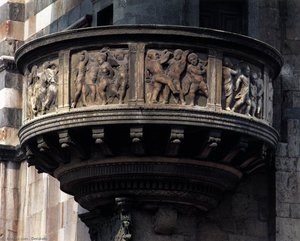
Biografija umetnika
Konstantīns Pēkšēns: Architect of Riga’s Soul
Konstantīns Pēkšēns, born in Mazsalacas Municipality, Latvia, in 1859, stands as one of the most profoundly influential architects in Latvian history. Often considered the second generation following Jānis Baumanis, he shaped not just buildings but the very character and urban landscape of Riga and beyond. His legacy is woven into the fabric of countless Latvian cities and towns, with Riga boasting over 250 multi-story brick structures and a wealth of beautifully crafted wooden houses all bearing his distinctive mark. Pēkšēns’ work represents a pivotal moment in Latvian architectural identity, blending functional design with an exquisite sensitivity to ornamentation and symbolism—a hallmark of the Art Nouveau movement.Early Life and Training
Pēkšēns's early life was rooted in the rural countryside near Mazsalaca, but his ambition led him to Riga in 1896, where he joined his family. He began his architectural studies at the Riga Polytechnical Institute in 1875, initially pursuing a path in engineering before transitioning to architecture in 1880. His time at the institute was marked by active participation in student life, including membership in the prestigious *Selonija* fraternity and involvement in sports—reflecting a well-rounded personality that would later inform his approach to design. He graduated in 1885 and quickly established himself as an apprentice under Jānis Baumanis, one of Latvia’s most celebrated architects, gaining invaluable experience within the office of a master. This formative period instilled in him a deep understanding of classical principles while simultaneously exposing him to innovative approaches to building design.The Rise of an Architectural Star
Pēkšēns formally opened his own architectural practice in 1889, quickly establishing himself as a respected figure within the Latvian architectural community. He played a crucial role in revitalizing the Riga Architects Society, which had dissolved earlier, and actively engaged with civic organizations such as the Riga Latvian Society and various credit institutions. His influence extended beyond purely professional circles; he served on the Riga City Council from 1909, demonstrating his commitment to shaping the city’s future. His diverse experience—from construction management to public service—allowed him to contribute significantly to debates surrounding post-World War I reconstruction efforts in Riga. Notably, Pēkšēns's company also excelled in plumbing works, becoming a leading provider of central heating systems for the city prior to the war, showcasing his broad skillset and entrepreneurial spirit.Art Nouveau Masterpieces: A Celebration of Form and Ornament
Pēkšēns’s career truly flourished during the Art Nouveau era (roughly 1890-1914), a period characterized by its emphasis on organic forms, intricate ornamentation, and a rejection of industrial mass production. His buildings are renowned for their exquisite detailing, incorporating elements inspired by nature—particularly the peacock, which became a recurring motif in his designs. The house at 6 Strēlnieku Street is perhaps the most iconic example, featuring stunning stone reliefs depicting peacocks that adorn the facades. The “Miss Riga” sculpture, a particularly striking hermas figure, stands as a testament to Pēkšēns’s artistic vision and his ability to transform architectural elements into works of art. Other notable Art Nouveau buildings include those at 13 Kaļķu Street and 2 Smilšu Street, each showcasing unique decorative schemes and reflecting the artist's meticulous attention to detail. His designs prioritized a rational approach to Art Nouveau—beauty derived not from superficial embellishments but from the harmonious integration of form and function.Key Architectural Achievements & Legacy
Throughout his career, Pēkšēns was involved in numerous competitions and design projects, often collaborating with other prominent architects such as Eižens Laube, Arthur Moedlinger, and Aleksandrs Vanags. His contributions to Riga’s urban fabric are immense, encompassing residential buildings, apartment houses, commercial structures, and public spaces. The 14 Tērbatas Street bank building, the 46 Brīvības Street house, and the 14 Ausekļa Street apartment block are just a few examples of his enduring impact. Konstantīns Pēkšēns’s work is not merely about constructing buildings; it's about creating spaces that reflect Latvian identity, celebrate artistic expression, and enhance the quality of life for its inhabitants. His legacy continues to inspire architects and urban planners today, solidifying his place as a true visionary in Latvian architectural history.A Final Journey
Konstantīns Pēkšēns passed away on June 23, 1928, in Bad Kissingen, Germany, while seeking treatment for declining health. His death was deeply felt throughout Latvia, and he was laid to rest at the Forest Cemetery in Riga. His life’s work—a testament to his skill, creativity, and dedication—remains a vibrant part of Latvia's cultural heritage, visible in the beautiful buildings that grace its cities and towns.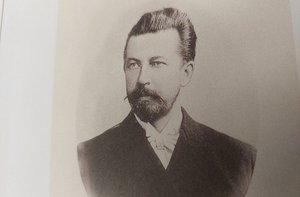
Konstantīns Pēkšēns
1859 - 1928 , Latvia
Kratke činjenice
- Artistic Movement Or Style: Art Nouveau
- Artists Or Movements Influenced By This Artist: ['Latvian architecture']
- Artists Who Influenced This Artist: ['Jānis Baumanis']
- Date Of Birth: 1859, Mazsalaca, Latvia
- Date Of Death: 1928
- Full Name: Konstantīns Pēkšēns
- Nationality: Latvian
- Notable Artworks:
- 2 Smilšu iela building
- Riga apartment buildings
- Place Of Birth: Mazsalaca Municipality, Latvia

