

 Pregledaj u prostoru
 Pošalji
 Podeli
 Detalji o delu

 Преузми
 Slični predmeti
 Rendgenski snimak
 Slajdovi
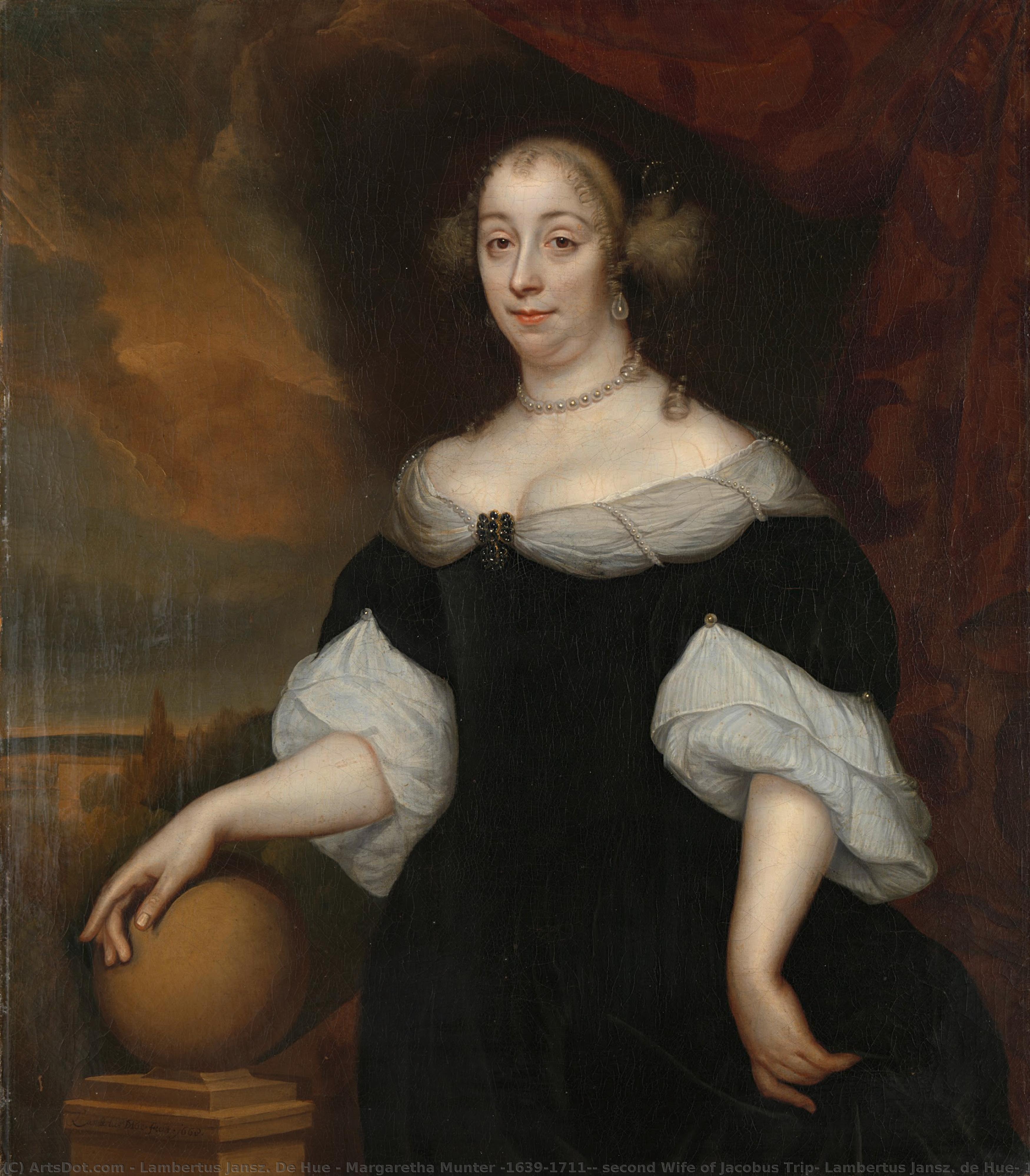
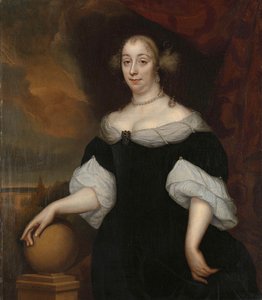
Margaretha Munter (1639-1711), second Wife of Jacobus Trip, Lambertus Jansz. de Hue, 1668
 1668
1668 111.0 x 97.0 cm
 Pročitaj više
Ručno rađena uljana reprodukcija
Ručno oslikano uljanim bojama na platnu u dimenzijama i okviru po vašem izboru, izrađeno po porudžbini od strane naših umetnika. ( Kupi print Kupi digitalnu sliku)




































Izaberite jednu od naših unapred definisanih veličina koje odgovaraju originalnim proporcijama umetničkog dela.

Можете унети сопствене димензије како бисте прилагодили дело одређеном оквиру или простору. Ако одабрана величина не одговара пропорцијама оригинала, слика ће бити исечена или проширена додатним елементима који се ручно насликавају. Дигитални prikaz ће вам бити послат на одобрење пре почетка производње.
Имајте на уму да преглед на екрану не одражава стварно исецање или проширење. Само приказ (mockup) ће тачно приказати коначну композицију.
Иако су доступне прилагођене величине, препоручујемо да одаберете димензију из дефинисане листе како бисте сачували оригиналне пропорције.
Nakon narudžbine, tim ArtsDot.com će klijentu putem e-pošte poslati uputstva i dostaviti prikaz predloženog rešenja
Isporuka širom sveta () za 3/4 nedelje umesto uobičajenih 5 nedelja. (1 септембар). Bez kompromisa po pitanju kvaliteta.

Besplatna ekspresna dostava širom sveta

Visokokvalitetno laneno platno

Kompletno osiguranje transporta

Garancija povraćaja carine i uvoznih dažbina

Garancija vernosti boja

Politika povrata u roku od 60 dana (samo u slučaju nedostataka)

Garancija povrata novca od 100%

Popust pri grupnoj kupovini
 Opcija sa staklom dostupna je samo za dimenzije manje od 110 cm

Margaretha Munter (1639-1711), second Wife of Jacobus Trip, Lambertus Jansz. de Hue, 1668
Tehnika reprodukcije
Dimenzije reprodukcije
-


Konačna cena
$ 263
Srodna umetnička dela





Biografija umetnika
Lambertus Jansz. de Hue: A Master of Dutch Portraiture
Born in Finspång, Sweden, in 1619 – a date often debated and shrouded in some uncertainty – Lambertus Jansz. de Hue’s life was one of constant movement and artistic evolution. He initially trained under his father, Jan Gerritszoon de Hue, a painter known for his landscapes and genre scenes. However, it was the vibrant artistic atmosphere of Amsterdam that truly shaped de Hue's career, drawing him to the Dutch Golden Age’s epicenter of art production. He arrived in the city around 1640, quickly establishing himself as a portraitist, though his style evolved significantly over time, reflecting the changing tastes and techniques of the era.
Early works, reminiscent of the Flemish masters, display a meticulous attention to detail and a fondness for rich colors. Portraits from this period – such as those of members of the Trip family (including Margaretha Munter, his second wife) – are characterized by their formal compositions, carefully rendered fabrics, and an almost photographic realism. De Hue skillfully captured the likenesses of his subjects, imbuing them with a sense of dignity and status. However, this early style gradually shifted as he absorbed influences from contemporary Dutch painters like Frans Hals and Jan Steen. The influence of Hals’s looser brushwork and dynamic poses is particularly evident in portraits painted later in his career.
A Shifting Style: From Flemish Roots to Dutch Dynamism
De Hue's artistic journey is marked by a fascinating transformation. Initially rooted in the traditions of the Netherlands, he moved toward a more expressive and engaging style. His mid-career works demonstrate a growing interest in capturing not just physical likeness but also personality and emotion. This shift is powerfully illustrated in portraits like “The Painter’s Family” (1657), where the subjects are depicted in a lively domestic setting, engaged in conversation and activity. The composition is less rigidly formal than his earlier work, and the brushstrokes are looser, conveying a sense of immediacy and spontaneity.
This evolution wasn't simply stylistic; it reflected broader changes within Dutch society. The rise of the merchant class and their increasing wealth fueled demand for portraits that showcased their status and achievements. De Hue skillfully catered to this market, adapting his style to meet the evolving needs of his patrons. He embraced new techniques – such as the use of light and shadow to create dramatic effects – and experimented with different compositional arrangements. His later portraits often feature a theatrical quality, employing diagonal lines and asymmetrical groupings to draw the viewer’s eye and heighten the sense of drama.
Influences and Artistic Connections
De Hue's artistic development was undoubtedly shaped by his exposure to the diverse artistic currents circulating in Amsterdam. He maintained close relationships with other prominent painters of his time, including Jacob van Ruisdael (a landscape painter) and Jan Steen (known for his humorous and often satirical scenes). The influence of Steen is particularly noticeable in de Hue’s later portraits, which occasionally incorporate elements of humor and caricature. Furthermore, the work of Frans Hals, with its emphasis on capturing movement and vitality, clearly resonated with de Hue's evolving style.
Interestingly, De Hue also spent a period working in Prague, where he was commissioned to paint portraits for the Bohemian nobility. This experience exposed him to different artistic traditions and further broadened his stylistic repertoire. The influence of Czech portraiture – characterized by its emphasis on detail and opulent attire – can be seen in some of his later works.
Legacy and Historical Significance
Lambertus Jansz. de Hue died in Amsterdam in 1681, leaving behind a substantial body of work that reflects the dynamism and diversity of Dutch Golden Age painting. While he may not have achieved the same level of fame as some of his contemporaries – such as Rembrandt or Hals – his portraits are highly valued for their technical skill, psychological insight, and historical significance. His paintings offer a valuable glimpse into the lives and aspirations of 17th-century Dutch society, capturing the elegance, wealth, and social complexities of the era.
De Hue’s legacy extends beyond his individual works; he represents a pivotal figure in the transition from Flemish to Dutch artistic traditions. His willingness to experiment with new techniques and styles paved the way for subsequent generations of portraitists, solidifying his place as a significant contributor to the rich tapestry of Dutch art history. His paintings continue to be exhibited and studied today, reminding us of the enduring power of portraiture to capture both likeness and essence.
lambertus jansz. de hue
1619 - 1681 , Sweden
Osnovne informacije
- Artistic Movement Or Style: Figurative art
- Artists Or Movements Influenced By This Artist: ['Golden Age Painting']
- Artists Who Influenced This Artist:
- Jacobus Trip
- margaretha munter
- Date Of Birth: 1619/1620
- Date Of Death: 1681-02-14
- Full Name: Lambertus Jansz de Hue
- Nationality: Dutch
- Notable Artworks:
- Margaretha Munter (1639-1711)
- Jacobus Trip
- Place Of Birth: Finspång, Sweden

