

 Pregledaj u prostoru
 Pošalji
 Podeli
 Detalji o delu

 Преузми
 Slični predmeti
 Rendgenski snimak
 Slajdovi
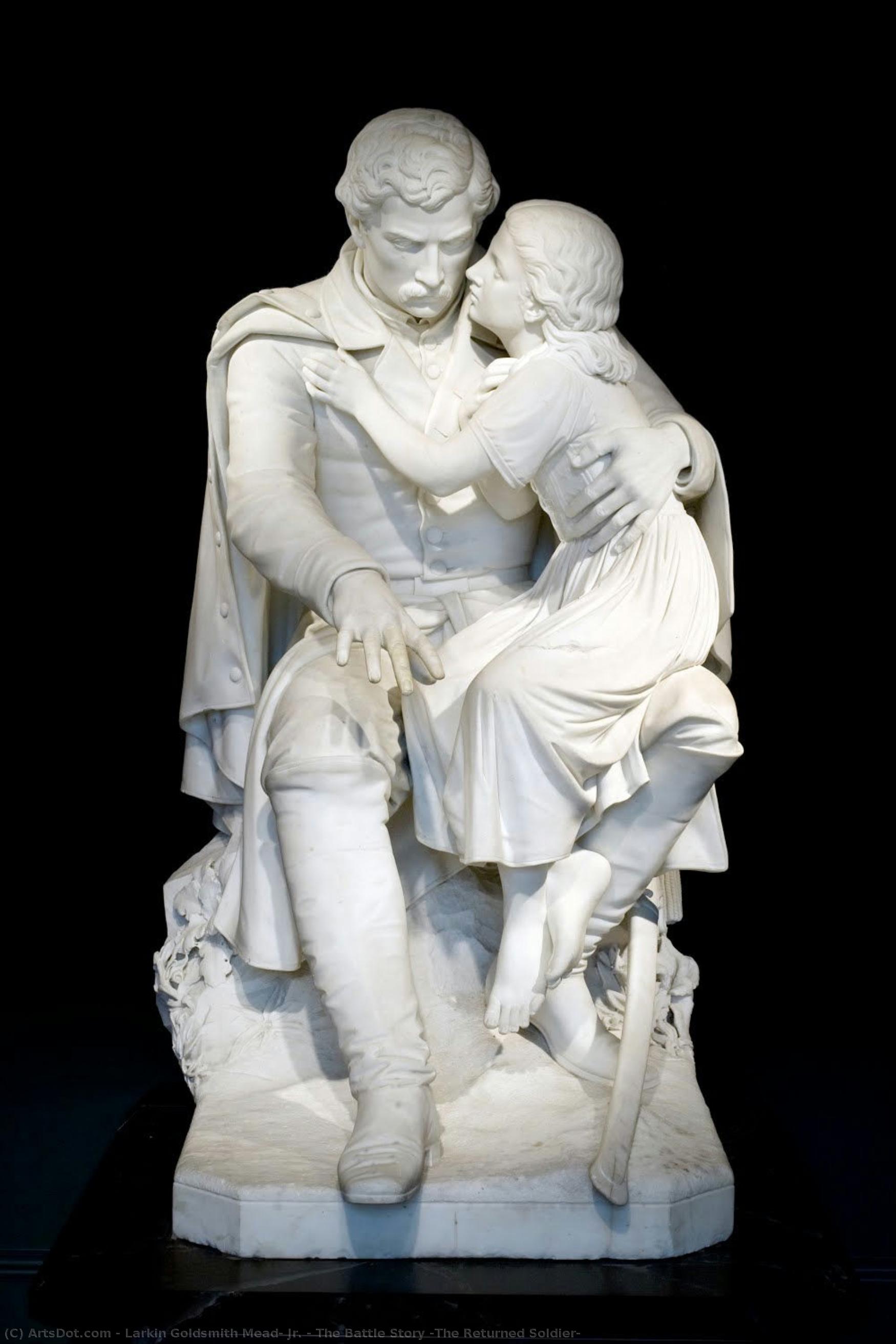
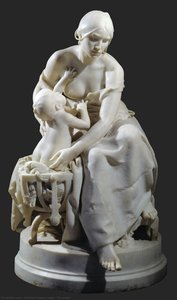
The Battle Story (The Returned Soldier)
 211.0 x 81.0 cm
 Chrysler Museum of Art
 Pročitaj više
Ručno rađena uljana reprodukcija
Ručno oslikano uljanim bojama na platnu u dimenzijama i okviru po vašem izboru, izrađeno po porudžbini od strane naših umetnika. ( Kupi print Kupi digitalnu sliku)




































Izaberite jednu od naših unapred definisanih veličina koje odgovaraju originalnim proporcijama umetničkog dela.

Можете унети сопствене димензије како бисте прилагодили дело одређеном оквиру или простору. Ако одабрана величина не одговара пропорцијама оригинала, слика ће бити исечена или проширена додатним елементима који се ручно насликавају. Дигитални prikaz ће вам бити послат на одобрење пре почетка производње.
Имајте на уму да преглед на екрану не одражава стварно исецање или проширење. Само приказ (mockup) ће тачно приказати коначну композицију.
Иако су доступне прилагођене величине, препоручујемо да одаберете димензију из дефинисане листе како бисте сачували оригиналне пропорције.
Nakon narudžbine, tim ArtsDot.com će klijentu putem e-pošte poslati uputstva i dostaviti prikaz predloženog rešenja
Isporuka širom sveta () za 3/4 nedelje umesto uobičajenih 5 nedelja. (23 август). Bez kompromisa po pitanju kvaliteta.

Besplatna ekspresna dostava širom sveta

Visokokvalitetno laneno platno

Kompletno osiguranje transporta

Garancija povraćaja carine i uvoznih dažbina

Garancija vernosti boja

Politika povrata u roku od 60 dana (samo u slučaju nedostataka)

Garancija povrata novca od 100%

Popust pri grupnoj kupovini
 Opcija sa staklom dostupna je samo za dimenzije manje od 110 cm

The Battle Story (The Returned Soldier)
Tehnika reprodukcije
Dimenzije reprodukcije
-


Konačna cena
$ 288
Srodna umetnička dela





Biografija umetnika
Larkin Goldsmith Mead Jr.: Sculptor of Idealized Form and Monumental Vision
Larkin Goldsmith Mead, Jr. (January 3, 1835 – October 15, 1910) was an American sculptor who flourished during the latter half of the nineteenth century, establishing himself as a prominent figure in neoclassical art and leaving behind a legacy of enduring monuments that continue to inspire awe. Born in Chesterfield, New Hampshire—the son of a lawyer—Mead’s artistic journey began with formative instruction under Henry Kirke Brown, honing his skills in meticulous detail and mastering the principles of classical sculpture. This early training would prove invaluable as he embarked on a prolific career marked by ambitious commissions and an unwavering dedication to capturing idealized beauty within monumental forms.- Early Life & Education: Mead’s childhood was steeped in intellectual curiosity, fostered by his father's legal profession and providing him with access to stimulating discussions about art and culture. His formal sculptural training under Brown instilled in him a profound understanding of anatomical accuracy and the expressive potential of marble—skills that would define his artistic style for decades to come.
- Illustrative Beginnings & Civil War Service: Before dedicating himself fully to sculpture, Mead pursued illustration work for Harper’s Weekly during the tumultuous years of the American Civil War. This experience exposed him to the realities of conflict and broadened his artistic perspective, informing his later depictions of heroic figures and conveying narratives of courage and resilience. Notably, he served six months with the Army of the Potomac, demonstrating a commitment to civic duty alongside his artistic pursuits.
Notable Sculptures & Artistic Style
Mead’s artistic reputation rests upon a remarkable collection of sculptures that exemplify the neoclassical aesthetic—characterized by serene composure, balanced proportions, and an emphasis on idealized human form. His most celebrated works include:- Recording Angel (1855): Crafted from marble, this poignant depiction of Gabriel embodies spiritual grace and solemn dignity. It resides today in Florence, Italy, a testament to Mead’s artistic prowess and his enduring fascination with religious iconography.
- Agriculture (Cereres) (1862): Commissioned for Vermont Statehouse, this gilded wood sculpture celebrates the bounty of the earth and reflects Mead's belief in the importance of virtue and moral fortitude—themes central to neoclassical ideals.
- Lincoln Tomb (Springfield, Illinois) (1865): Mead’s monumental Lincoln Tomb stands as a poignant memorial to Abraham Lincoln, capturing his solemn countenance and conveying an aura of profound contemplation. It remains one of the most recognizable sculptures in America.
Legacy & Historical Significance
Larkin Goldsmith Mead Jr.’s sculptures continue to resonate with audiences today, serving as enduring symbols of American idealism and artistic excellence. His contributions to the neoclassical tradition solidified his place among the most influential sculptors of his era, shaping the visual landscape of nineteenth-century America. Furthermore, his work—particularly the Lincoln Tomb—remains a powerful reminder of the nation’s commitment to honoring its heroes and upholding moral values. Mead's influence extends beyond individual masterpieces; he helped establish Vermont Statehouse as an important landmark in American Art History.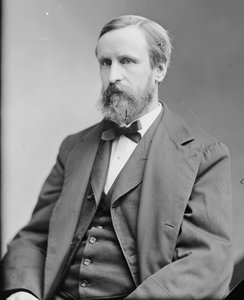
larkin goldsmith mead, jr.
1835 - 1910 , United States of America
Osnovne informacije
- Artistic Movement Or Style: Neoclassical Sculpture
- Artists Who Influenced This Artist: ['Henry Kirke Brown']
- Date Of Birth: January 3, 1835
- Date Of Death: October 15, 1910
- Full Name: Larkin Goldsmith Mead Jr.
- Nationality: American
- Notable Artworks:
- Recording Angel
- Agriculture
- Lincoln Tomb
- Place Of Birth: Chesterfield, United States

