

 Pregledaj u prostoru
 Pošalji
 Podeli
 Detalji o delu

 Преузми
 Slični predmeti
 Rendgenski snimak
 Slajdovi
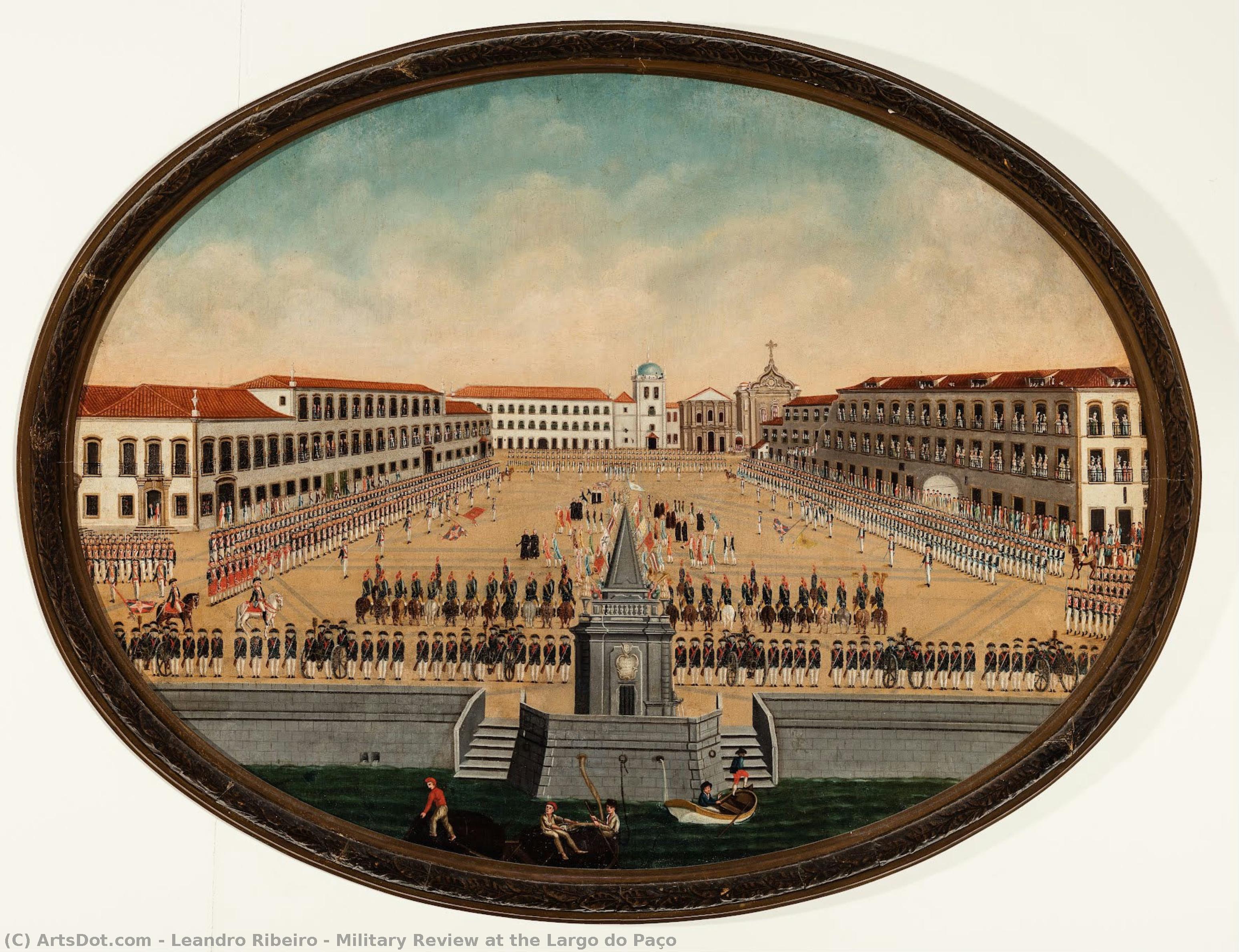
Military Review at the Largo do Paço


 Pročitaj više
Giclee štampa / Umetnički otisak
Giclée štampa ili print na platnu muzejskog kvaliteta uz brzu proizvodnju i fleksibilne opcije završne obrade. ( Kupi ručno naslikanu sliku Kupi digitalnu sliku)




P118B $10

P118H $10

P118W $10

P438Z $10

P508JH $12

P508YH $12

P805H $10

P805Z $10

P919BZ $10

P919G $10

P919XJ $10

P959ZH $10

P968JZ $12

W106C $8

W218G $10

W218JH $8

W218Y $10

W307PJ $10

W316G $10

W316PJ $8

W316Y $10

W398PJ $8

W4111J $10

W500HY $15

W500JH $15

W692G $12

W849H $8

W940BG $15

W953PJ $8




Izaberite jednu od naših unapred definisanih veličina koje odgovaraju originalnim proporcijama umetničkog dela.

Možete uneti sopstvene dimenzije kako biste umetničko delo prilagodili specifičnom okviru ili prostoru. Ako odabrani format ne odgovara proporcijama originalne slike, mi ćemo ili iscrtati deo dela ili proširiti sliku pomoću ogledane ivice ili jednobojnog popunjavanja. Digitalni prikaz će vam biti poslat na odobrenje pre početka proizvodnje.
Imajte na umu da pregled na ekranu ne odražava stvarno iscrtavanje ili proširivanje. Samo će prikaz (mockup) precizno pokazati finalnu kompoziciju.
Iako su prilagođene dimenzije dostupne, preporučujemo da odaberete dimenziju sa unapred definisane liste kako biste očuvali originalne proporcije.
Dostava širom sveta () za 2 nedelje umesto uobičajenih 4/5 nedelja. (25 август)

Besplatna ekspresna dostava širom sveta

Visokokvalitetno laneno platno

Kompletno osiguranje transporta

Garancija povraćaja carine i uvoznih dažbina

Garancija vernosti boja

Politika povrata u roku od 60 dana (samo u slučaju nedostataka)

Garancija povrata novca od 100%

Popust pri grupnoj kupovini
 Opcija sa staklom dostupna je samo za dimenzije manje od 110 cm

Military Review at the Largo do Paço
Giclee štampa / Umetnički otisak
Dimenzije reprodukcije
-


Konačna cena
$ 62
Opis predmeta
A Grand Spectacle of Imperial Brazil
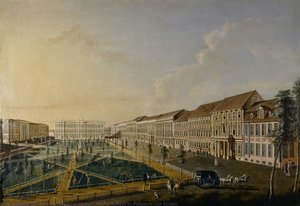
In the sweeping, oval-shaped canvas of Military Review at the Largo do Paço, the viewer is transported back to the year 1798, a moment frozen in time amidst the vibrant pulse of Rio de Janeiro. The painting captures a profound sense of ceremony and civic pride, presenting a meticulously detailed panorama of the Largo do $Pa\text{ç}o$ during a festive military review. At the heart of this composition lies a delicate balance between the disciplined rigidity of the armed forces and the lively, organic movement of the city's inhabitants. The dark green waters of the sea, visible in the foreground with small boats gently approaching the pier, serve as a tranquil threshold to the bustling urban drama unfolding on land. As the eye moves inward, the Fountain of Mestre Valentim stands as a silent sentinel, anchoring the scene and providing a structural pivot around which the various regiments—the Moura, the Santa Rita Militia, and the Artillery of Rio—are arranged in a breathtaking display of order and prestige.
The artist, Leandro Ribeiro, employs a technique that breathes life into historical documentation, blending the precision of a chronicler with the soul of a romanticist. Through the careful application of color and light, the painting illuminates the architectural grandeur of the era, from the imposing facade of the former Palace of the Vice-Kings to the sacred silhouettes of the Convento do Carmo and the Church of Antiga Sé. The sky, a brilliant blue adorned with soft, white clouds, casts a natural, celebratory glow over the assembly, highlighting the fluttering flags that signal a day of national importance. This mastery of light not only defines the physical space but also elevates the atmosphere from a mere military parade to a transcendent moment of cultural unity, where the presence of noblemen, clergy, and common citizens converges under a single, shared sky.
For the discerning collector or interior designer, this artwork offers much more than historical insight; it provides a profound emotional resonance. There is an undeniable sense of nostalgia and dignity within the brushstrokes, evoking a period of structured elegance and burgeoning identity. The painting’s composition—rich with layers of social hierarchy and architectural splendor—makes it a commanding centerpiece for any sophisticated space. Whether placed in a library, a formal study, or a grand hallway, a high-quality reproduction of this piece serves as a window into the past, inviting conversation about heritage, discipline, and the enduring spirit of Brazil. It is an investment in storytelling, bringing the weight of history and the beauty of classical composition into the modern home.
Srodna umetnička dela


Biografija umetnika
The Dual Legacy of Leandro Ribeiro
In the grand tapestry of modern talent, few figures present as intriguing a duality as Leandro Ribeiro. While much of the global spotlight has traditionally fallen upon his prowess on the football pitch—a career defined by the disciplined athleticism of a striker for Daejeon Hana Citizen—there exists a quieter, more contemplative dimension to his identity. Born in Porto Alegre, Brazil, on January 13, 1995, Ribeiro embodies a unique intersection of physical vigor and creative introspection. His journey is not merely one of sporting milestones across clubs like Sport Club Internacional and Maccabi Netanya, but a narrative of a soul deeply connected to the vibrant, rhythmic essence of his Brazilian heritage.
To understand the artistic spirit of Ribeiro is to look toward the sweeping landscapes and cultural heartbeats of Brazil. Though his professional life has been shaped by the rigorous demands of international football, his creative inclinations suggest a profound resonance with the masters of Brazilian art history. One can imagine his aesthetic sensibilities being guided by the bold, emotive strokes of Tarsila do Amaral or the sweeping, rhythmic compositions of Emiliano Di Cavalcanti. These legends of the Brazilian modernism movement utilized vibrant hues and expressive forms to capture the very soul of their nation, a tradition that provides a rich, ancestral wellspring for Ribeiro’s potential artistic explorations.
A Vision of Brazilian Heritage
The essence of Ribeiro’s creative identity is deeply rooted in the depiction of historical grandeur and the lived experiences of the Brazilian people. His work serves as a window into a bygone era, focusing on the evocative power of 19th-century life. Through his lens, we encounter the dramatic tension of naval scenes, the rugged determination found in whale fishing expeditions, and the structured elegance of military reviews. These subjects are not merely historical records but are imbued with a sense of movement and color that celebrate the maritime and social complexities of Rio de Janeiro and beyond.
The significance of his artistic perspective lies in this ability to bridge the gap between the past and the present. By focusing on themes such as:
- Naval Narratives: Capturing the salt-sprayed intensity of maritime life and the historical importance of Brazil's coastal identity.
- Cultural Documentation: Reimagining the social ceremonies and military parades that once defined the public landscape of 19th-century Brazil.
- Natural Majesty: Utilizing the vibrant, tropical palette to depict the raw beauty of Brazilian wildlife and landscapes.
In every brushstroke, there is an attempt to honor the legacy of his homeland. Ribeiro’s work transcends simple representation; it is an emotional pilgrimage through time. For the observer, engaging with his vision offers more than just a glimpse at historical accuracy—it provides a sensory experience of a nation's pride, its struggles, and its enduring beauty. As he continues to navigate the worlds of both sport and art, Leandro Ribeiro remains a compelling figure, proving that the passion required for the stadium is the very same fire that fuels the canvas.

leandro ribeiro
1995 - , Brazil
Osnovne informacije
- Artistic Movement Or Style: Historical Painting
- Artists Or Movements Influenced By This Artist: ['Dada Art Movement']
- Artists Who Influenced This Artist:
- Tarsila do Amaral
- Emiliano di Cavalcanti
- Date Of Birth: January 13, 1995
- Full Name: Leandro Joaquim Ribeiro
- Nationality: Brazilian
- Notable Artworks:
- Military Review at the Largo do Paço
- Visit of an English fleet to Rio de Janeiro
- Whale fishing in Guanabara Bay
- Place Of Birth: Porto Alegre, Brazil
Povezani članci
Josep Cusachs i: Exploring Catalan Modernism Through Social Commentary & Artistic Innovation
Explore the captivating world of Josep Cusachs i, a key figure in Catalan Modernism. Discover his realist paintings, social commentary, and influence on 19th-century Spanish art. Hand-painted reproductions available at ArtsDot.

