

 Pregledaj u prostoru
 Pošalji
 Podeli
 Detalji o delu

 Преузми
 Slični predmeti
 Rendgenski snimak
 Slajdovi
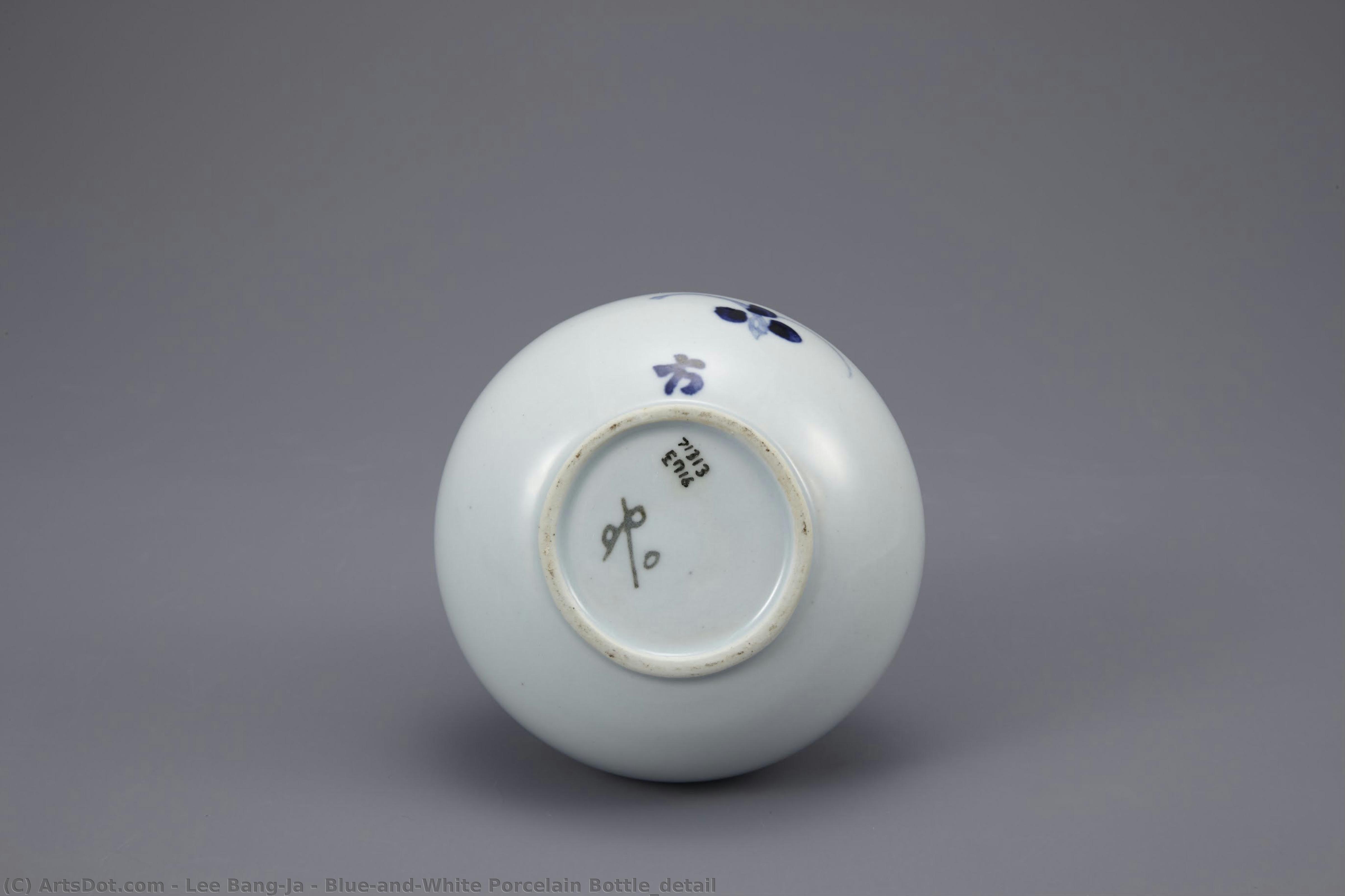
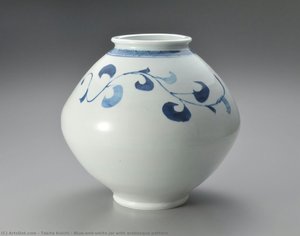
Blue-and-White Porcelain Bottle_detail


 Pročitaj više
Kupite digitalnu sliku visoke rezolucije i poboljšanog kvaliteta, koja je znatno superiornija od onoga što vidite u online prikazu.
Svaka datoteka je pedantno pripremljena od strane naših stručnjaka koristeći napredne alate i profesionalnu ručnu retušu. Osiguravamo da svaka slika ima izuzetnu oštrinu, preciznu reprodukciju boja i fine detalje.
Konačna datoteka se dostavlja putem e-pošte u roku od 72 sata, optimizovana za neposrednu upotrebu u profesionalnim, izdavačkim i štamparskim okruženjima. To je isti kvalitet kojem veruju vrhunski studiji dizajna, izdavači i galerije.
Digitalna slika
Preuzmite datoteku visoke rezolucije za ličnu upotrebu, štampanje i kreativne projekte. ( Kupi print Kupi ručno naslikanu sliku)
Uključeno uz svaku porudžbinu digitalne slike
Profesionalna digitalna isporuka, zagarantovana
Kada odaberete ArtsDot.com, ne dobijate samo sliku – vi primate profesionalno unapređeno digitalno umetničko delo, izrađeno sa najvećom preciznošću i uz garanciju zadovoljstva. Evo svega što automatski dolazi uz vašu porudžbinu:

Brza dostava putem e-pošte
Vaša digitalna slika visoke rezolucije biće vam poslata putem e-pošte u roku od 72 sata od poručivanja – spremna za trenutnu upotrebu.

Digitalna datoteka unapređena veštačkom inteligencijom
Vaše umetničko delo je profesionalno optimizovano korišćenjem naprednih AI alata i ručne obrade, čime se osiguravaju maksimalni detalji, oštrina i preciznost boja.

Besplatna ponovna isporuka doživotno
Slučajno ste obrisali ili izgubili svoju datoteku? Ne brinite – poslaćemo vam je ponovo u bilo kom trenutku, potpuno besplatno.

Bez troškova uvoza – zauvek
Uživajte u svojim umetničkim delima trenutno, bez carine, dažbina ili troškova dostave – digitalni download je uvek bez poreza.

Garancija vernosti boja
Uz pomoć profesionalnih alata i upravljanja bojama, osiguravamo da vaša digitalna slika što vernije odražava originalne boje.

Garancija zadovoljstva od 100 dana
Ako niste zadovoljni svojom digitalnom slikom, izvršićemo reviziju ili ćemo vam vratiti 100% novca u roku od 100 dana – bez ikakvih pitanja.

100% garancija povrata novca
Niste zadovoljni? Dobijte puni povraćaj novca u roku od 100 dana od prijema digitalne datoteke – bez suvišnih pitanja.

Popusti na velike porudžbine
Kupite 3 slike, uštedite 10% - Kupite 5 slika, uštedite 15% - Kupite 10+ slika, uštedite 20%. Odlično za kreativne projekte, galerije i agencije.
Srodna umetnička dela

Biografija umetnika
A Life Poised Between Worlds
Lee Bang-ja, a name resonating with the delicate balance of cultural and political tides, was born Princess Masako of Nashimoto in Tokyo in 1901. Her life unfolded as an extraordinary tapestry woven with threads of Japanese royalty, Korean history, and a profound dedication to the art of porcelain. To understand Lee Bang-ja is to glimpse a pivotal moment in East Asian history—a period marked by shifting empires, complex allegiances, and the enduring power of artistic expression. From her privileged upbringing within the Japanese Imperial Family, she received an education befitting her station, yet destiny charted a course that would lead her far beyond the confines of courtly life. In 1920, a significant turning point arrived with her marriage to Lee Eun, initiating her journey towards Korea and a future inextricably linked to its fate. This union was not merely personal; it foreshadowed an even more momentous connection – her marriage in 1926 to Crown Prince Euimin, the last crown prince of the Korean Empire. As she became Crown Princess of Korea, Lee Bang-ja found herself at the very heart of a nation navigating turbulent times under Japanese colonial rule. Her position was inherently complex, embodying both privilege and constraint within a rapidly changing political landscape.Porcelain as a Sanctuary
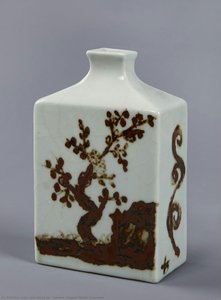
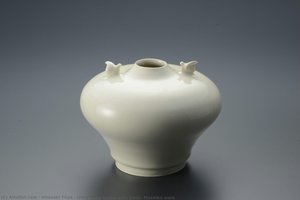
Amidst the weight of her royal duties and the historical currents swirling around her, Lee Bang-ja discovered solace and purpose in the art of ceramics. She devoted herself to porcelain production, not merely as a pastime but as a deeply considered artistic pursuit. Her work is characterized by an elegant simplicity, a quiet refinement that speaks volumes through subtle forms and understated glazes. It’s evident she was profoundly influenced by traditional Chinese artistic principles, particularly those governing monochrome palettes. White porcelain became her favored medium, allowing her to explore the nuances of form and texture with remarkable sensitivity. Pieces like ‘Square-shaped White Porcelain’ exemplify this aesthetic—a vase that isn't simply an object but a meditation on space, light, and the enduring beauty of natural forms. The delicate landscape motifs subtly incorporated into her work further reveal this connection to Chinese artistry, hinting at a broader cultural dialogue. Examining details from her 'Blue-and-White Porcelain Bottle', one can appreciate the meticulous hand-painting and refined understanding of porcelain decoration that defined her style. These weren’t merely decorative flourishes; they were expressions of a cultivated sensibility honed through dedicated practice.A Unique Artistic Voice
While formal documentation of Lee Bang-ja's artistic training remains scarce, the quality of her work speaks to an innate talent nurtured by diligent study and unwavering dedication. She didn’t seek ostentation or elaborate embellishment; instead, she carved out a unique niche within Korean art by blending her royal heritage with traditional Chinese ceramic forms. Her pieces possess a quiet dignity, an understated beauty that sets them apart from more flamboyant styles. This is not to say her work lacks technical skill—quite the contrary. The precision of her brushwork, the flawless execution of her glazes, and the harmonious proportions of her vessels demonstrate a mastery of the medium. However, it’s the emotional resonance of her art – its sense of serenity and contemplative grace – that truly distinguishes it. ‘Square-shaped White Porcelain’ and 'Blue-and-White Porcelain Bottle' stand as testaments to this skill, showcasing not only technical proficiency but also a profound artistic vision. Her work isn’t about grand statements; it’s about the subtle power of beauty to transcend circumstance and offer moments of quiet reflection.Legacy of Transition and Cultural Exchange
Lee Bang-ja's life is inextricably linked to a period of profound transformation in Korean history—the twilight years of the Korean Empire and the subsequent era of Japanese colonial rule. She became, in essence, a symbol of this transition, embodying both the fading grandeur of a bygone era and the complexities of cultural exchange under duress. As an artist, she contributed significantly to the preservation and continuation of traditional Chinese ceramic techniques within the Korean artistic landscape, ensuring that these skills weren’t lost amidst political upheaval. Her dual identity—a princess from both Japan and Korea—offers a unique perspective on the intricate web of relationships between the two nations during the early 20th century. While her art may not be widely celebrated, it represents an important intersection of royalty, artistry, and historical circumstance. It is a reminder that even within the confines of political power, individual expression can flourish, offering glimpses of beauty and resilience in times of change. Her story continues to resonate today, prompting reflection on themes of identity, cultural heritage, and the enduring power of art to bridge divides.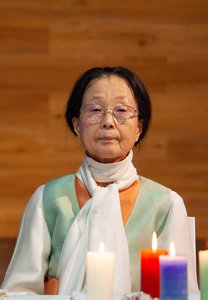
Lee Bang-ja
1901 - 1989 , Japan
Kratke činjenice
- Artistic Movement Or Style: Traditional porcelain
- Artists Who Influenced This Artist: ['Chinese ceramic artists']
- Date Of Birth: 1901
- Date Of Death: 1989
- Full Name: Lee Bang-ja
- Nationality: Japanese, Korean
- Notable Artworks:
- Square-shaped White Porcelain
- Blue-and-White Porcelain Bottle
- Place Of Birth: Tokyo, Japan