

 Pregledaj u prostoru
 Pošalji
 Podeli
 Detalji o delu

 Преузми
 Slični predmeti
 Rendgenski snimak
 Slajdovi
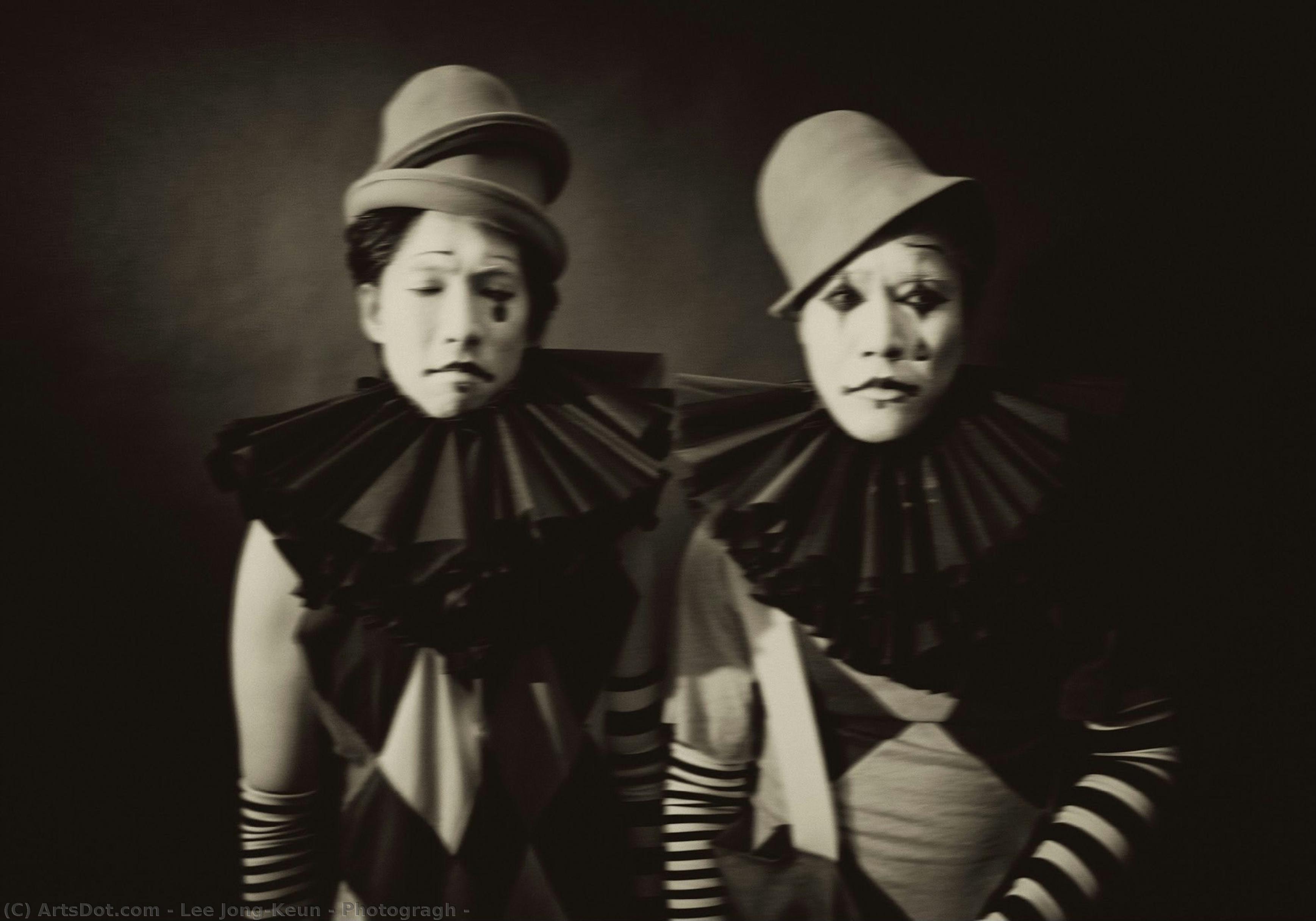
Photogragh


 Pročitaj više
Ručno rađena uljana reprodukcija
Ručno oslikano uljanim bojama na platnu u dimenzijama i okviru po vašem izboru, izrađeno po porudžbini od strane naših umetnika. ( Kupi print Kupi digitalnu sliku)




































Izaberite jednu od naših unapred definisanih veličina koje odgovaraju originalnim proporcijama umetničkog dela.

Можете унети сопствене димензије како бисте прилагодили дело одређеном оквиру или простору. Ако одабрана величина не одговара пропорцијама оригинала, слика ће бити исечена или проширена додатним елементима који се ручно насликавају. Дигитални prikaz ће вам бити послат на одобрење пре почетка производње.
Имајте на уму да преглед на екрану не одражава стварно исецање или проширење. Само приказ (mockup) ће тачно приказати коначну композицију.
Иако су доступне прилагођене величине, препоручујемо да одаберете димензију из дефинисане листе како бисте сачували оригиналне пропорције.
Nakon narudžbine, tim ArtsDot.com će klijentu putem e-pošte poslati uputstva i dostaviti prikaz predloženog rešenja
Isporuka širom sveta () za 3/4 nedelje umesto uobičajenih 5 nedelja. (7 септембар). Bez kompromisa po pitanju kvaliteta.

Besplatna ekspresna dostava širom sveta

Visokokvalitetno laneno platno

Kompletno osiguranje transporta

Garancija povraćaja carine i uvoznih dažbina

Garancija vernosti boja

Politika povraćaja u roku od 100 dana (isključivo u slučaju nedostataka)

Garancija povrata novca od 100%

Popust pri grupnoj kupovini
 Opcija sa staklom dostupna je samo za dimenzije manje od 110 cm

Photogragh
Tehnika reprodukcije
Dimenzije reprodukcije
-


Konačna cena
$ 263
Srodna umetnička dela






Biografija umetnika
The Scars of Hiroshima and the Birth of a Vision
In the searing summer of 1945, the world changed irrevocably for a sixteen-year-old boy in Hiroshima. For Lee Jong-keun, the arrival of the atomic bomb was not merely a historical event but a visceral, sensory trauma—a sudden, piercing yellow light and a heat so intense it felt as though the very air was combusting. This moment of profound destruction became the silent architect of his entire artistic existence. To look through Lee’s lens was to engage with the echoes of that morning; his work was never merely about capturing light, but about documenting the resilience that emerges from the ashes of total devastation. The memory of seeking refuge under a bridge amidst the rubble and cries for help became the foundation upon which he built a life dedicated to the preservation of human dignity through the photographic medium.A Life Between Two Identities
Lee’s journey was one of profound displacement and the quiet, courageous reclamation of self. Born to Korean parents in Japan during an era of intense colonial tension, he lived for decades under the Japanese name Egawa Masa_'s identity was a complex tapestry woven from the threads of survival and concealment. For much of his life, he navigated the world as a hibakusha—an atomic bomb survivor—while simultaneously hiding his Korean heritage to avoid the double discrimination faced by ethnic Koreans in Japan. It was only in his later years that he fully embraced his Korean name, Lee Jong-keun, turning his personal history into a public testament. This transition from a hidden identity to a visible, vocal advocate for nuclear abolition allowed him to use his art as a bridge between his Japanese upbringing and his Korean roots, ensuring that the stories of non-Japanese survivors were finally brought to light.The Humanist Lens: Engineering Beauty and Sorrow
With a technical foundation in Electronics and Radio Engineering from Kyunghee University, Lee brought a precise, almost scientific discipline to his photographic practice. Yet, this technical mastery was always subservient to a deep, humanist spirit. Influenced by the legendary masters Ansel Adams and Henri Cartier-Bresson, he sought to find the intersection of profound beauty and inescapable sorrow. His photography often traversed landscapes that whispered of both peace and peril, capturing moments that served as a silent call for nuclear abolition. As a respected professor at Changwon National University, he did not merely teach the mechanics of the craft; he taught the importance of bearing witness. Through his work, Lee Jong-keun transformed the technical act of photography into a sacred duty, ensuring that the memory of loss and the hope for a world free from nuclear violence remained etched in the visual record of humanity.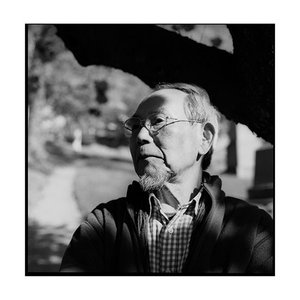
lee jong-keun
1927 - 2022 , Japan
Osnovne informacije
- Artistic Movement Or Style: Photography
- Artists Or Movements Influenced By This Artist: ['Japanese Art']
- Artists Who Influenced This Artist: ['Lee Ungno']
- Date Of Birth: 1927
- Date Of Death: 2022
- Full Name: Lee Jongkeun
- Nationality: Korean
- Notable Artworks:
- Abstract Letter series
- Prison paintings
- Place Of Birth: Hiroshima, Japan