

 Pregledaj u prostoru
 Pošalji
 Podeli
 Detalji o delu

 Преузми
 Slični predmeti
 Rendgenski snimak
 Slajdovi
 Stats
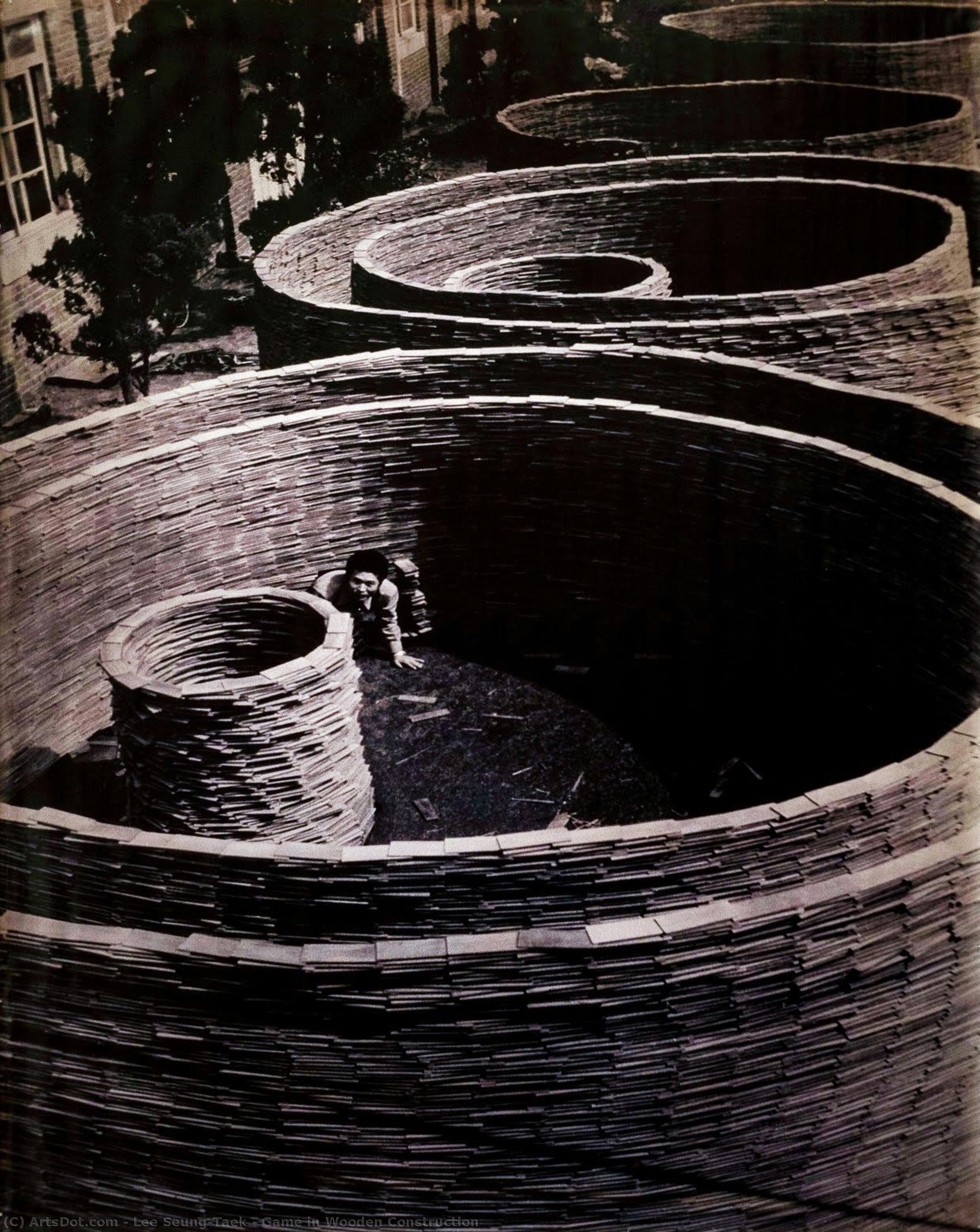
StatsGame in Wooden Construction

 Pročitaj više
Giclee štampa / Umetnički otisak
Giclée štampa ili print na platnu muzejskog kvaliteta uz brzu proizvodnju i fleksibilne opcije završne obrade. ( Kupi ručno naslikanu sliku Switch to Digital Image)




































Izaberite jednu od naših unapred definisanih veličina koje odgovaraju originalnim proporcijama umetničkog dela.

Možete uneti sopstvene dimenzije kako biste umetničko delo prilagodili specifičnom okviru ili prostoru. Ako odabrani format ne odgovara proporcijama originalne slike, mi ćemo ili iscrtati deo dela ili proširiti sliku pomoću ogledane ivice ili jednobojnog popunjavanja. Digitalni prikaz će vam biti poslat na odobrenje pre početka proizvodnje.
Imajte na umu da pregled na ekranu ne odražava stvarno iscrtavanje ili proširivanje. Samo će prikaz (mockup) precizno pokazati finalnu kompoziciju.
Iako su prilagođene dimenzije dostupne, preporučujemo da odaberete dimenziju sa unapred definisane liste kako biste očuvali originalne proporcije.
Dostava širom sveta () za 2 nedelje umesto uobičajenih 4/5 nedelja. (8 септембар)

Besplatna ekspresna dostava širom sveta

Visokokvalitetno laneno platno

Kompletno osiguranje transporta

Garancija povraćaja carine i uvoznih dažbina

Garancija vernosti boja

Politika povraćaja u roku od 100 dana (isključivo u slučaju nedostataka)

Garancija povrata novca od 100%

Popust pri grupnoj kupovini
 Opcija sa staklom dostupna je samo za dimenzije manje od 110 cm

Game in Wooden Construction
Giclee štampa / Umetnički otisak
Dimenzije reprodukcije
-


Konačna cena
$ 62
Srodna umetnička dela







Biografija umetnika
Lee Seung-taek: Architect of the Anti-Concept
Born in Goyang, South Korea, in 1932, Lee Seung-taek stands as a pivotal figure in Korean art history – not merely an artist, but a radical innovator who fundamentally challenged conventional notions of sculpture and artistic expression. His journey, marked by displacement during the Korean War and a profound engagement with philosophy, ultimately led him to develop a unique practice centered around what he termed “anti-concept” or “non-sculpture.” This approach wasn’t simply an aesthetic choice; it was a deliberate rejection of established art historical frameworks and a passionate exploration of the relationship between object, space, and meaning. Lee's work, often incorporating humble materials like stone, rope, newsprint, and even discarded objects, invites viewers to question their assumptions about what constitutes ‘art’ and how we perceive its value.
Early Life and Influences
Lee’s early life was shaped by the turbulent backdrop of post-war Korea. Born in Kowon, a small village in Hamgyeongnam-do Province, he experienced firsthand the displacement and hardship caused by the Korean War. This experience instilled within him a deep sense of questioning and a desire to transcend conventional boundaries. His intellectual curiosity extended beyond artistic pursuits; he became deeply influenced by the philosophy of Friedrich Nietzsche, particularly his ideas on perspectivism and the rejection of fixed truths. This philosophical engagement profoundly shaped his approach to art, leading him to actively dismantle traditional sculptural conventions and explore alternative modes of representation.
The Development of ‘Non-Sculpture’
Lee's artistic trajectory began in the 1960s, a period marked by significant experimentation within Korean contemporary art. Rejecting the prevailing emphasis on formal sculptural techniques and Western artistic trends, he embarked on a radical exploration of what he termed “non-sculpture.” This wasn’t simply an absence of sculpture; it was a deliberate construction of meaning through unconventional materials and processes. He began utilizing everyday objects – stone, rope, newsprint – transforming them into evocative assemblages that defied easy categorization. His work during this period, exemplified by pieces like "Game in Wooden Construction" and “Wind-Folk Amusement,” moved beyond traditional notions of representation, focusing instead on the inherent qualities of the materials themselves and their interaction with space.
- Material as Metaphor: Lee frequently employed humble materials – stone, rope, newsprint – to create works that spoke volumes about human experience and the passage of time.
- Deconstruction of Form: His “non-sculptural” pieces deliberately avoided traditional sculptural forms, challenging viewers’ expectations of what art should be.
- Environmental Engagement: Lee's later work increasingly explored themes related to nature, incorporating elements like wind and fire into his installations, reflecting a deep connection with the Korean landscape.
Key Achievements and Recognition
Despite facing initial skepticism from the established art world in Korea, Lee’s innovative approach gradually gained recognition. In 2009, he was awarded the prestigious Nam June Paik Art Center Prize – a significant acknowledgement of his pioneering role in Korean experimental art. This award marked a turning point, elevating his work to international prominence. His influence can be seen in subsequent generations of Korean artists who continue to push the boundaries of artistic expression.
- Nam June Paik Art Center Prize (2009): The first recipient of this prestigious award, recognizing Lee’s contribution to experimental art.
- Influence on Contemporary Korean Art: Lee's work has profoundly influenced a generation of Korean artists who continue to explore unconventional materials and processes.
- Museum Collections: His works are held in prominent collections worldwide, including the Tate Modern in London and the National Museum of Modern and Contemporary Art in Seoul.
Legacy and Significance
Lee Seung-taek’s legacy extends far beyond his individual creations. He fundamentally shifted the discourse around Korean art, challenging established hierarchies and paving the way for a more diverse and experimental artistic landscape. His concept of “anti-concept” – a deliberate rejection of conventional notions of art and its purpose – remains remarkably relevant today, prompting us to question our assumptions about creativity, value, and the very nature of artistic expression. His work serves as a powerful reminder that art can be found in the most unexpected places, and that true innovation often lies in challenging the status quo.
Lee Seung-taek
1932 - , South Korea
Osnovne informacije
- Artistic Movement Or Style: Experimental art, Anti-concept
- Artists Or Movements Influenced By This Artist:
- Nam June Paik
- Land Art
- Mono-ha
- Artists Who Influenced This Artist:
- Lee Ungno
- Nietzsche
- Date Of Birth: May 12, 1932
- Full Name: Lee Seung-taek
- Nationality: South Korean
- Notable Artworks:
- Game in Wooden Construction
- Wind-Folk Amusement
- The Burning Canvas Floating on the River
- Place Of Birth: Goyang, South Korea