

 Pregledaj u prostoru
 Pošalji
 Podeli
 Detalji o delu

 Преузми
 Slični predmeti
 Rendgenski snimak
 Slajdovi
 Stats
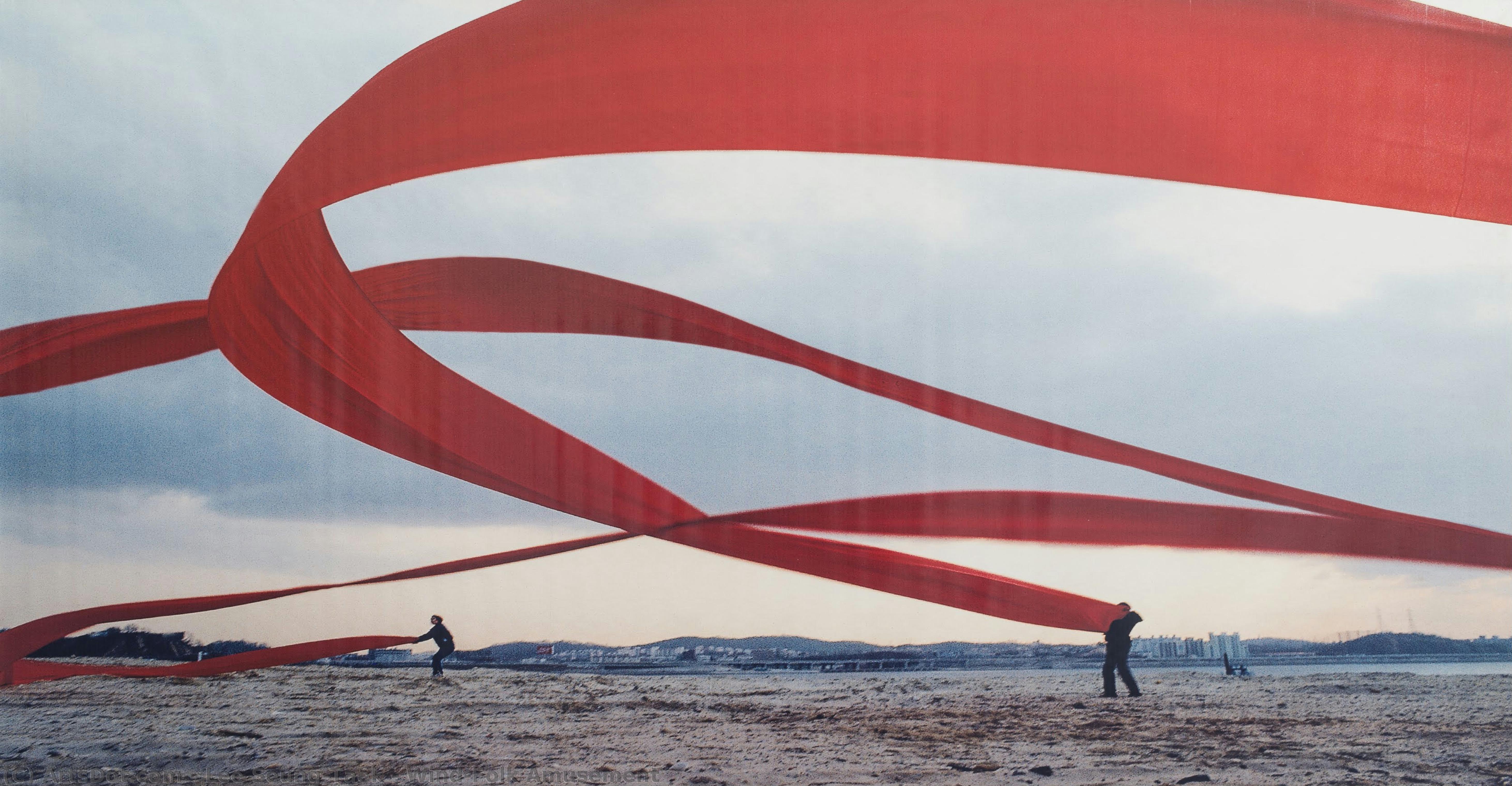
StatsWind-Folk Amusement

 Pročitaj više
Kupite digitalnu sliku visoke rezolucije i poboljšanog kvaliteta, koja je znatno superiornija od onoga što vidite u online prikazu.
Svaka datoteka je pedantno pripremljena od strane naših stručnjaka koristeći napredne alate i profesionalnu ručnu retušu. Osiguravamo da svaka slika ima izuzetnu oštrinu, preciznu reprodukciju boja i fine detalje.
Konačna datoteka se dostavlja putem e-pošte u roku od 72 sata, optimizovana za neposrednu upotrebu u profesionalnim, izdavačkim i štamparskim okruženjima. To je isti kvalitet kojem veruju vrhunski studiji dizajna, izdavači i galerije.
Digitalna slika
Preuzmite datoteku visoke rezolucije za ličnu upotrebu, štampanje i kreativne projekte. ( Switch to Print Kupi ručno naslikanu sliku)
Uključeno uz svaku porudžbinu digitalne slike
Profesionalna digitalna isporuka, zagarantovana
Kada odaberete ArtsDot.com, ne dobijate samo sliku – vi primate profesionalno unapređeno digitalno umetničko delo, izrađeno sa najvećom preciznošću i uz garanciju zadovoljstva. Evo svega što automatski dolazi uz vašu porudžbinu:

Brza dostava putem e-pošte
Vaša digitalna slika visoke rezolucije biće vam poslata putem e-pošte u roku od 72 sata od poručivanja – spremna za trenutnu upotrebu.

Digitalna datoteka unapređena veštačkom inteligencijom
Vaše umetničko delo je profesionalno optimizovano korišćenjem naprednih AI alata i ručne obrade, čime se osiguravaju maksimalni detalji, oštrina i preciznost boja.

Besplatna ponovna isporuka doživotno
Slučajno ste obrisali ili izgubili svoju datoteku? Ne brinite – poslaćemo vam je ponovo u bilo kom trenutku, potpuno besplatno.

Bez troškova uvoza – zauvek
Uživajte u svojim umetničkim delima trenutno, bez carine, dažbina ili troškova dostave – digitalni download je uvek bez poreza.

Garancija vernosti boja
Uz pomoć profesionalnih alata i upravljanja bojama, osiguravamo da vaša digitalna slika što vernije odražava originalne boje.

Garancija zadovoljstva od 100 dana
Ako niste zadovoljni svojom digitalnom slikom, izvršićemo reviziju ili ćemo vam vratiti 100% novca u roku od 100 dana – bez ikakvih pitanja.

100% garancija povrata novca
Niste zadovoljni? Dobijte puni povraćaj novca u roku od 100 dana od prijema digitalne datoteke – bez suvišnih pitanja.

Popusti na velike porudžbine
Kupite 3 slike, uštedite 10% - Kupite 5 slika, uštedite 15% - Kupite 10+ slika, uštedite 20%. Odlično za kreativne projekte, galerije i agencije.
Srodna umetnička dela






Biografija umetnika
Lee Seung-taek: Architect of the Anti-Concept
Born in Goyang, South Korea, in 1932, Lee Seung-taek stands as a pivotal figure in Korean art history – not merely an artist, but a radical innovator who fundamentally challenged conventional notions of sculpture and artistic expression. His journey, marked by displacement during the Korean War and a profound engagement with philosophy, ultimately led him to develop a unique practice centered around what he termed “anti-concept” or “non-sculpture.” This approach wasn’t simply an aesthetic choice; it was a deliberate rejection of established art historical frameworks and a passionate exploration of the relationship between object, space, and meaning. Lee's work, often incorporating humble materials like stone, rope, newsprint, and even discarded objects, invites viewers to question their assumptions about what constitutes ‘art’ and how we perceive its value.
Early Life and Influences
Lee’s early life was shaped by the turbulent backdrop of post-war Korea. Born in Kowon, a small village in Hamgyeongnam-do Province, he experienced firsthand the displacement and hardship caused by the Korean War. This experience instilled within him a deep sense of questioning and a desire to transcend conventional boundaries. His intellectual curiosity extended beyond artistic pursuits; he became deeply influenced by the philosophy of Friedrich Nietzsche, particularly his ideas on perspectivism and the rejection of fixed truths. This philosophical engagement profoundly shaped his approach to art, leading him to actively dismantle traditional sculptural conventions and explore alternative modes of representation.
The Development of ‘Non-Sculpture’
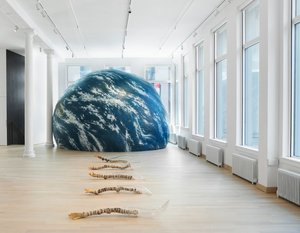
Lee's artistic trajectory began in the 1960s, a period marked by significant experimentation within Korean contemporary art. Rejecting the prevailing emphasis on formal sculptural techniques and Western artistic trends, he embarked on a radical exploration of what he termed “non-sculpture.” This wasn’t simply an absence of sculpture; it was a deliberate construction of meaning through unconventional materials and processes. He began utilizing everyday objects – stone, rope, newsprint – transforming them into evocative assemblages that defied easy categorization. His work during this period, exemplified by pieces like "Game in Wooden Construction" and “Wind-Folk Amusement,” moved beyond traditional notions of representation, focusing instead on the inherent qualities of the materials themselves and their interaction with space.
- Material as Metaphor: Lee frequently employed humble materials – stone, rope, newsprint – to create works that spoke volumes about human experience and the passage of time.
- Deconstruction of Form: His “non-sculptural” pieces deliberately avoided traditional sculptural forms, challenging viewers’ expectations of what art should be.
- Environmental Engagement: Lee's later work increasingly explored themes related to nature, incorporating elements like wind and fire into his installations, reflecting a deep connection with the Korean landscape.
Key Achievements and Recognition
Despite facing initial skepticism from the established art world in Korea, Lee’s innovative approach gradually gained recognition. In 2009, he was awarded the prestigious Nam June Paik Art Center Prize – a significant acknowledgement of his pioneering role in Korean experimental art. This award marked a turning point, elevating his work to international prominence. His influence can be seen in subsequent generations of Korean artists who continue to push the boundaries of artistic expression.
- Nam June Paik Art Center Prize (2009): The first recipient of this prestigious award, recognizing Lee’s contribution to experimental art.
- Influence on Contemporary Korean Art: Lee's work has profoundly influenced a generation of Korean artists who continue to explore unconventional materials and processes.
- Museum Collections: His works are held in prominent collections worldwide, including the Tate Modern in London and the National Museum of Modern and Contemporary Art in Seoul.
Legacy and Significance
Lee Seung-taek’s legacy extends far beyond his individual creations. He fundamentally shifted the discourse around Korean art, challenging established hierarchies and paving the way for a more diverse and experimental artistic landscape. His concept of “anti-concept” – a deliberate rejection of conventional notions of art and its purpose – remains remarkably relevant today, prompting us to question our assumptions about creativity, value, and the very nature of artistic expression. His work serves as a powerful reminder that art can be found in the most unexpected places, and that true innovation often lies in challenging the status quo.
Lee Seung-taek
1932 - , South Korea
Kratke činjenice
- Artistic Movement Or Style: Experimental art, Anti-concept
- Artists Or Movements Influenced By This Artist:
- Nam June Paik
- Land Art
- Mono-ha
- Artists Who Influenced This Artist:
- Lee Ungno
- Nietzsche
- Date Of Birth: May 12, 1932
- Full Name: Lee Seung-taek
- Nationality: South Korean
- Notable Artworks:
- Game in Wooden Construction
- Wind-Folk Amusement
- The Burning Canvas Floating on the River
- Place Of Birth: Goyang, South Korea