

 Pregledaj u prostoru
 Pošalji
 Podeli
 Detalji o delu

 Преузми
 Slični predmeti
 Rendgenski snimak
 Slajdovi
 Stats
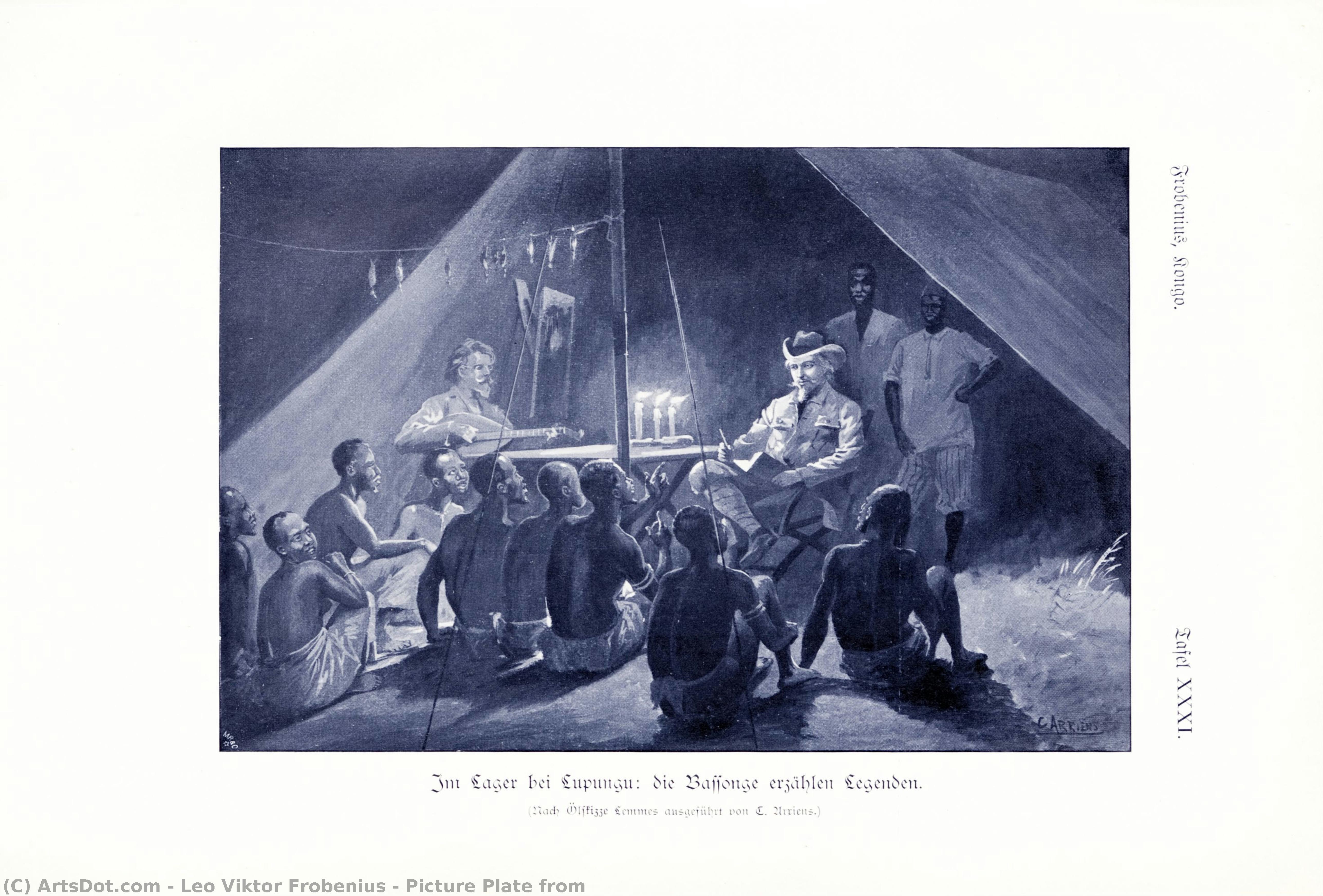
StatsPicture Plate from


 Pročitaj više
Giclee štampa / Umetnički otisak
Giclée štampa ili print na platnu muzejskog kvaliteta uz brzu proizvodnju i fleksibilne opcije završne obrade. ( Kupi ručno naslikanu sliku Switch to Digital Image)




































Izaberite jednu od naših unapred definisanih veličina koje odgovaraju originalnim proporcijama umetničkog dela.

Možete uneti sopstvene dimenzije kako biste umetničko delo prilagodili specifičnom okviru ili prostoru. Ako odabrani format ne odgovara proporcijama originalne slike, mi ćemo ili iscrtati deo dela ili proširiti sliku pomoću ogledane ivice ili jednobojnog popunjavanja. Digitalni prikaz će vam biti poslat na odobrenje pre početka proizvodnje.
Imajte na umu da pregled na ekranu ne odražava stvarno iscrtavanje ili proširivanje. Samo će prikaz (mockup) precizno pokazati finalnu kompoziciju.
Iako su prilagođene dimenzije dostupne, preporučujemo da odaberete dimenziju sa unapred definisane liste kako biste očuvali originalne proporcije.
Dostava širom sveta () za 2 nedelje umesto uobičajenih 4/5 nedelja. (8 септембар)

Besplatna ekspresna dostava širom sveta

Visokokvalitetno laneno platno

Kompletno osiguranje transporta

Garancija povraćaja carine i uvoznih dažbina

Garancija vernosti boja

Politika povraćaja u roku od 100 dana (isključivo u slučaju nedostataka)

Garancija povrata novca od 100%

Popust pri grupnoj kupovini
 Opcija sa staklom dostupna je samo za dimenzije manje od 110 cm

Picture Plate from
Giclee štampa / Umetnički otisak
Dimenzije reprodukcije
-


Konačna cena
$ 62
Srodna umetnička dela



Biografija umetnika
The Self-Taught Voyager
Born into the disciplined atmosphere of a Prussian officer's household in Berlin, Leo Viktor Frobenius was a man whose intellectual boundaries were defined not by formal classrooms, but by an insatiable, wandering curiosity. As an autodidact, he bypassed the rigid structures of traditional academia to cultivate a profound understanding of the world through the works of thinkers like Richard Andree and Friedrich Ratzel. This early period of his life was marked by a burgeoning fascination with the ancient and the unseen, a passion for archaeology that would eventually lead him far from the cobblestones of Germany toward the vast, untamed landscapes of the African continent.Expeditions into the Unknown
Between 1904 and 1935, Frobenius embarked on a series of twelve legendary expeditions that would forever alter the landscape of ethnology. His journeys through the Kasai region of the Congo, as well as his travels across Sudan and Morocco, were far more than mere geographical surveys; they were deep, immersive descents into the soul of diverse human societies. He moved through these lands not just as an observer, but as a meticulous chronicler of the ephemeral, seeking to capture the very essence of cultural identity.- He documented the delicate beauty of prehistoric rock paintings that whispered stories of ancient eras.
- He captured the rhythmic pulse of oral histories, preserving voices that might otherwise have been lost to time.
- He studied the intricate social structures and material cultures that defined the very essence of community life.
The Echoes of Atlantis
Perhaps the most captivating, yet controversial, aspect of Frobenius’s intellectual legacy was his audacious hypothesis of an African Atlantis. Driven by the striking similarities he observed in cultural motifs across vast distances, he proposed that a lost, primordial civilization once flourished within the African continent, predating recorded history. This theory, while sparking intense debate among his contemporaries, showcased his ability to see patterns where others saw only isolation. Through his concept of Kulturkreise, or culture circles, he sought to map the diffusion of human traits, suggesting a shared ancestral thread that connected disparate peoples through ancient migrations and cultural exchanges.A Monumental Legacy
The impact of Frobenius’s life work extends far beyond his controversial theories, manifesting in the very institutions that continue to safeguard human heritage. In 1920, he established the Institut für Kulturmorphologie in Munich, a sanctuary for the study of cultural evolution. His academic presence at the University of Frankfurt and his role as a director of ethnographic museums solidified his status as a titan of German ethnography. Even today, the Frobenius Institute stands as a testament to his dedication, preserving the immense collection of African artifacts and knowledge he gathered during his life. Though he passed away in 1938 in the quiet beauty of Biganzolo, Italy, the echoes of his expeditions continue to resonate through the halls of modern anthropology.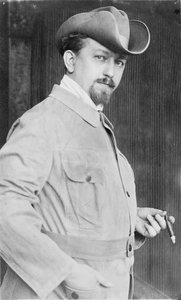
leo viktor frobenius
1873 - 1938 , Germany
Osnovne informacije
- Artistic Movement Or Style: Culture-historical approach
- Artists Or Movements Influenced By This Artist:
- Fritz Graebner
- Négritude
- Artists Who Influenced This Artist:
- Richard Andree
- Friedrich Ratzel
- Date Of Birth: June 29, 1873
- Date Of Death: August 9, 1938
- Full Name: Leo Viktor Frobenius
- Nationality: German
- Notable Artworks: ['Und Afrika sprach']
- Place Of Birth: Berlin, Germany