

 Pregledaj u prostoru
 Pošalji
 Podeli
 Detalji o delu

 Преузми
 Slični predmeti
 Rendgenski snimak
 Slajdovi
 Stats
StatsTofu

 Pročitaj više
Giclee štampa / Umetnički otisak
Giclée štampa ili print na platnu muzejskog kvaliteta uz brzu proizvodnju i fleksibilne opcije završne obrade. ( Kupi ručno naslikanu sliku Switch to Digital Image)




































Izaberite jednu od naših unapred definisanih veličina koje odgovaraju originalnim proporcijama umetničkog dela.

Možete uneti sopstvene dimenzije kako biste umetničko delo prilagodili specifičnom okviru ili prostoru. Ako odabrani format ne odgovara proporcijama originalne slike, mi ćemo ili iscrtati deo dela ili proširiti sliku pomoću ogledane ivice ili jednobojnog popunjavanja. Digitalni prikaz će vam biti poslat na odobrenje pre početka proizvodnje.
Imajte na umu da pregled na ekranu ne odražava stvarno iscrtavanje ili proširivanje. Samo će prikaz (mockup) precizno pokazati finalnu kompoziciju.
Iako su prilagođene dimenzije dostupne, preporučujemo da odaberete dimenziju sa unapred definisane liste kako biste očuvali originalne proporcije.
Dostava širom sveta () za 2 nedelje umesto uobičajenih 4/5 nedelja. (8 септембар)

Besplatna ekspresna dostava širom sveta

Visokokvalitetno laneno platno

Kompletno osiguranje transporta

Garancija povraćaja carine i uvoznih dažbina

Garancija vernosti boja

Politika povraćaja u roku od 100 dana (isključivo u slučaju nedostataka)

Garancija povrata novca od 100%

Popust pri grupnoj kupovini
 Opcija sa staklom dostupna je samo za dimenzije manje od 110 cm

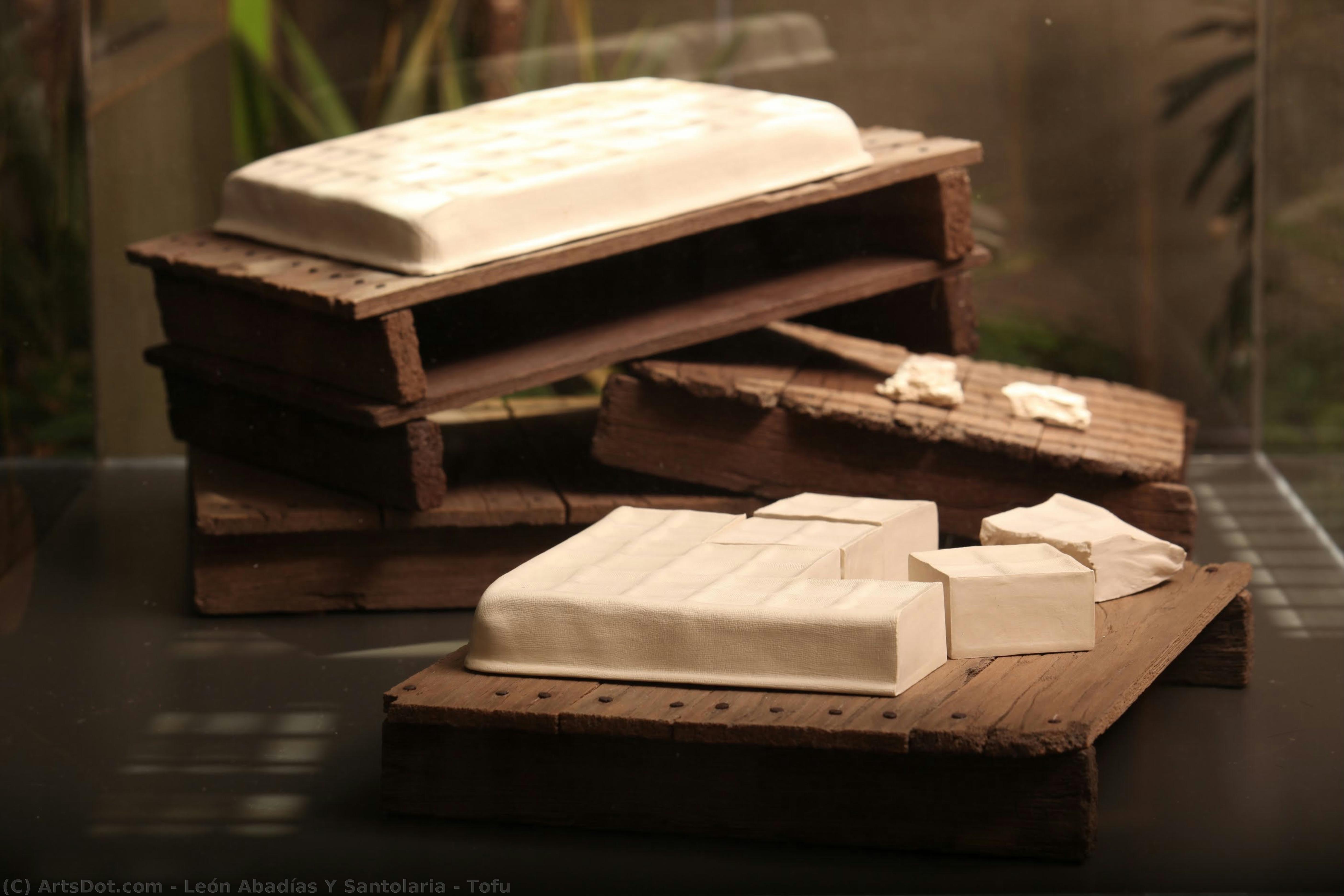
Tofu
Giclee štampa / Umetnički otisak
Dimenzije reprodukcije
-


Konačna cena
$ 62
Srodna umetnička dela






Biografija umetnika
León Abadías y Santolaria: A Quiet Observer of Spanish Life
In the grand tapestry of nineteenth-century Spanish art, certain names shine with an unshakeable brilliance, while others weave a more subtle, intimate thread. León Abadías y Santolaria (1836–1894) belongs to that second, deeply evocative group—artists whose mastery lay not in loud political manifestos, but in the tender, meticulous observation of the world around them. Born in Huesca, a landscape steeped in rugged beauty and historical weight, Abadías emerged from an era defined by the shifting tides of Romanticism and the burgeoning academic traditions of Spain. His journey was one of disciplined study and profound connection to his roots, as he moved through the prestigious art circles of Zaragoza and Madrid, eventually leaving an indelible mark on the architectural and cultural soul of Aragon and Andalusia.
The foundation of Abadías’s talent was laid under the watchful eyes of some of the most esteemed masters of his generation. His education was a rigorous pilgrimage through the finest institutions, beginning with the Escuela de Estudios Elementales in Zaragoza and culminating in the prestigious Real Academia de Bellas Artes de San Fernando in Madrid. This academic lineage—drawing influence from figures such as Federico Madrazo, Carlos Múgica y Pérez, and Bernardino Montañés—imbued his work with a technical precision that allowed him to navigate diverse genres with ease. Whether he was capturing the sweeping vistas of a landscape or the delicate psychological depth of a portrait, his brushwork remained anchored in a profound respect for form, light, and the atmospheric nuances of the Spanish terrain.
A Versatile Vision: From Genre Scenes to Sacred Spaces
Abadías’s oeuvre is characterized by a remarkable versatility that defied simple categorization. He was a painter of many faces: a chronicler of daily life, a landscape artist, and a restorer of sacred beauty. His genre paintings, often depicting the rhythms of Aragonese life, possess a warmth and sincerity that invite the viewer into a shared moment of existence. In works such as Un trabajador aragonés y su perro, one senses his ability to elevate the mundane to the level of the monumental, finding dignity in the labor and companionship of the common man. His interest in hunting scenes and maritime studies further showcased his capacity to manipulate light and movement, capturing the tension of a chase or the rhythmic pulse of the sea.
Beyond the canvas of private collections, Abadías played a vital role in the preservation and embellishment of Spain’s architectural heritage. His hand can be found in some of the most significant religious and civic spaces in the region. He undertook the delicate task of restoring paintings within the Basílica del Pilar in Zaragoza, ensuring that the splendor of the Baroque era continued to inspire future generations. His decorative prowess was equally evident in his large-scale commissions, such as the ceiling for the Salón de Sesiones of the Provincial Corporation and the ornamentation of the Huesca Town Hall. These works demonstrate an artist who understood that painting was not merely an isolated act of creation, but a way to breathe life into the very walls that house a community's history.
Legacy and the Intersection of Art and Intellect
The significance of León Abadías y Santolaria extends far beyond the aesthetic pleasure of his paintings. He was a man of deep intellectual engagement, serving as a professor of drawing and contributing to the literary landscape through his writings in La Revista Popular de Barcelona. His life was intertwined with the great intellectual currents of his time; he even shared connections with figures such as the Nobel laureate Santiago Ramón y Cajal, suggesting a social circle where art, science, and literature converged. This multifaceted existence allowed him to act as both a creator and a custodian of culture, documenting the artistic riches of his province through his work on the General Catalogue of Aragonese artistic treasures.
As we look back upon his career, we see an artist who achieved a rare balance between academic rigor and emotional resonance. His accolades, including a bronze medal at the Aragonese Exhibition of 1868, serve as testament to a career defined by excellence and recognition within the Spanish establishment. Though he may not occupy the same immediate spotlight as the titans of Romanticism, his legacy lives on in the quiet strength of his landscapes, the dignity of his portraits, and the enduring beauty of the spaces he helped to adorn. He remains a vital figure for anyone seeking to understand the soul of nineteenth-century Spain—a painter who looked closely at the world and found within it something truly timeless.

león abadías y santolaria
1836 - 1894 , Spain
Osnovne informacije
- Artistic Movement Or Style: Decorative painting
- Artists Or Movements Influenced By This Artist: ['Santiago Ramón y Cajal']
- Artists Who Influenced This Artist:
- Federico Madrazo
- Carlos Múgica y Pérez
- Bernardino Montañés
- Date Of Birth: 1836
- Full Name: León Abadías y Santolaria
- Nationality: Spanish
- Notable Artworks:
- The Parade of Queen Isabel II
- Tofu
- Place Of Birth: Huesca, Spain